
Safety / Guidance by activity / Rope access and confined space
Activity 01
Rope access and confined space
Find the equipment essentials, EN standards and technique notes that help you get the job done — and get out again.
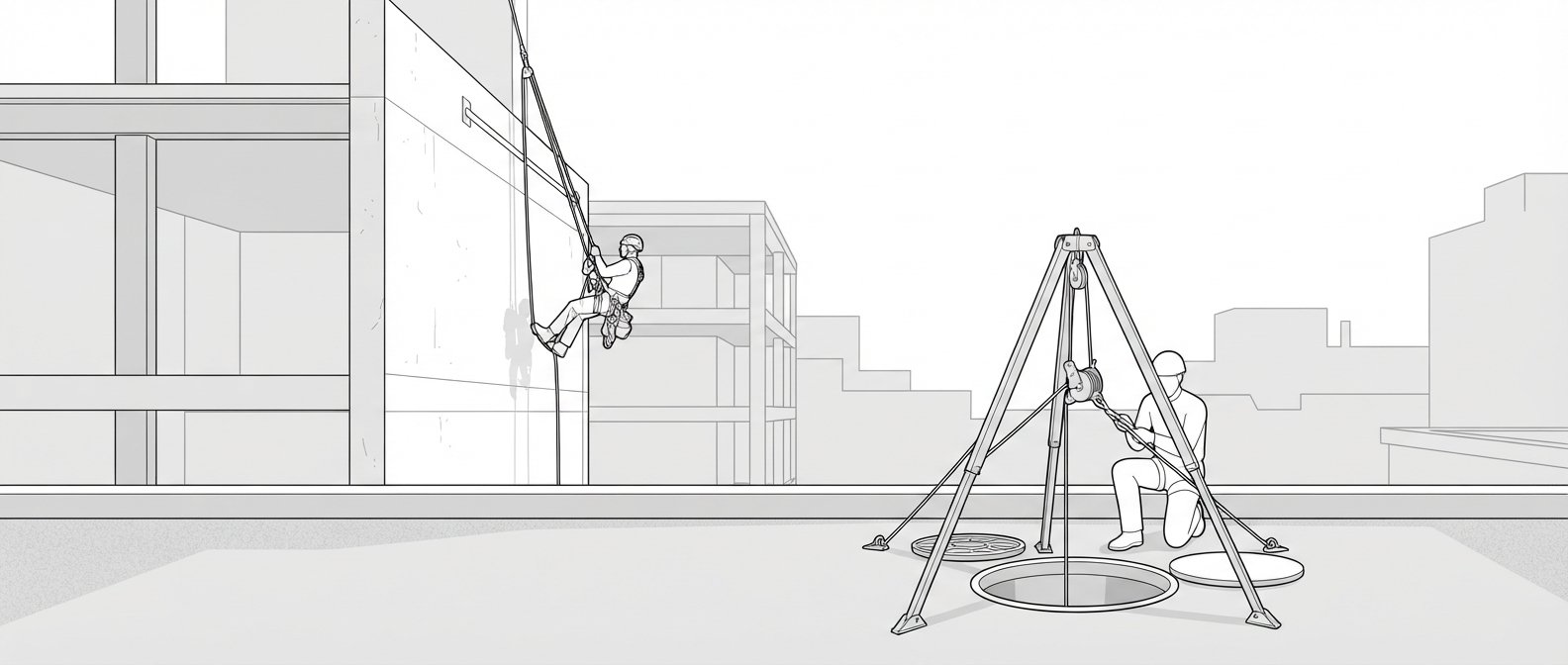
Fig. 01 — Rope access on a steel structure
86 technique notes
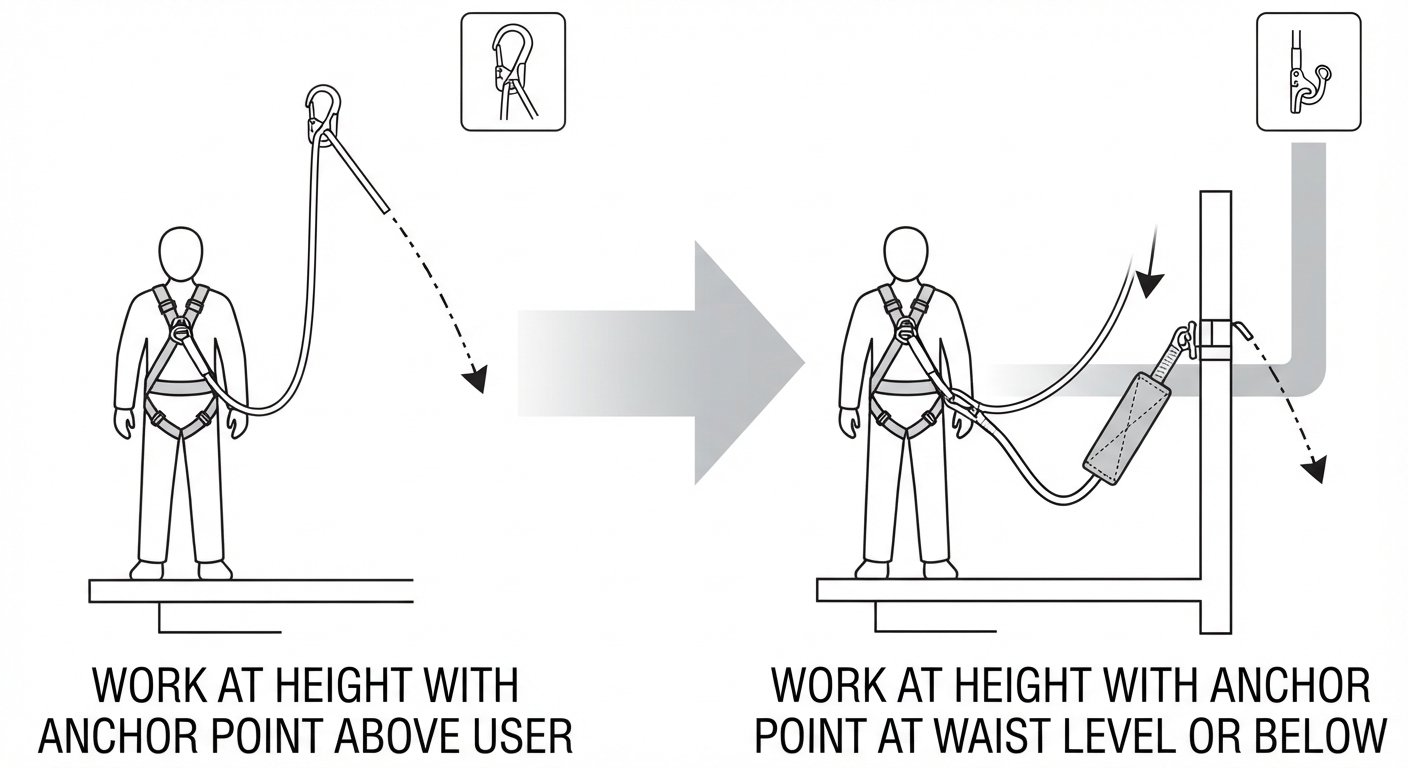 Which type of fall-arrest lanyard to choose
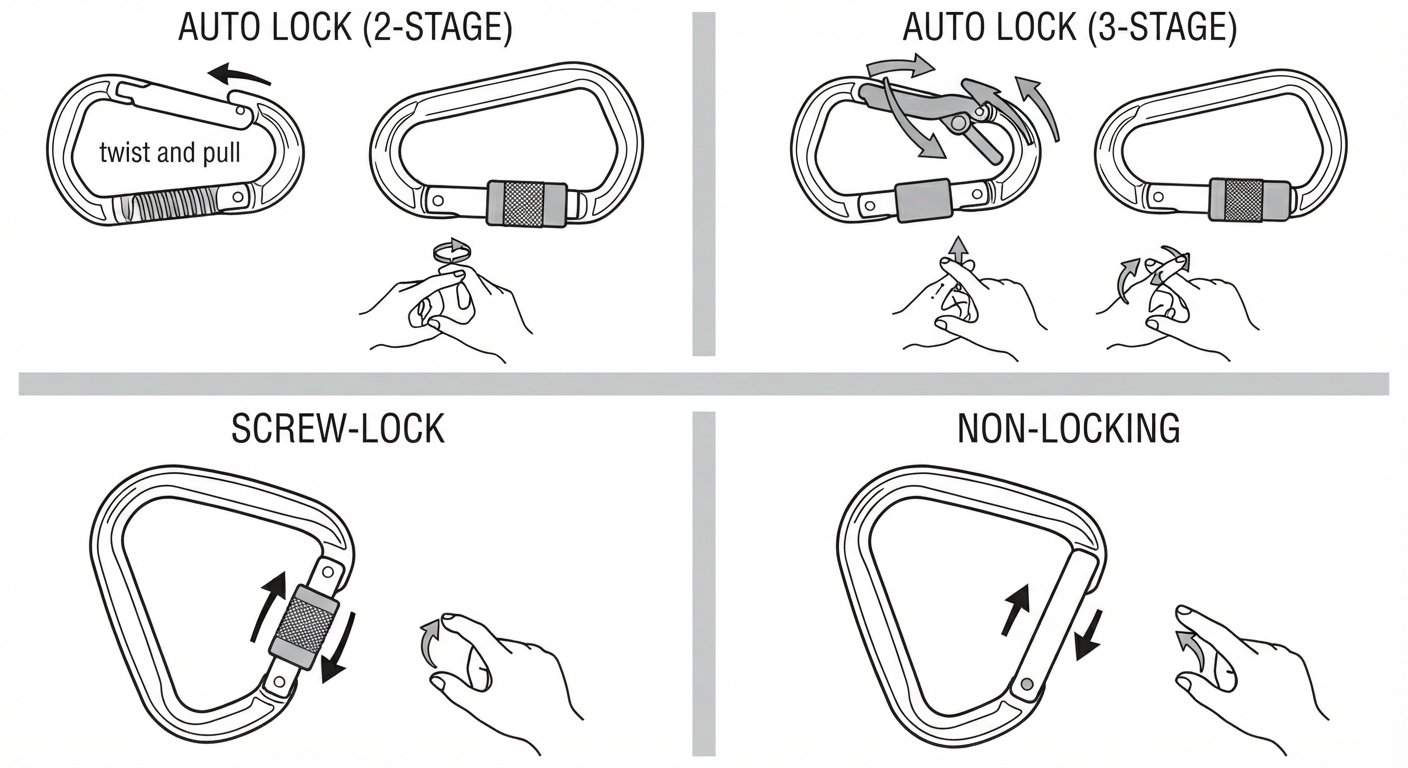 Connector locking systems compared
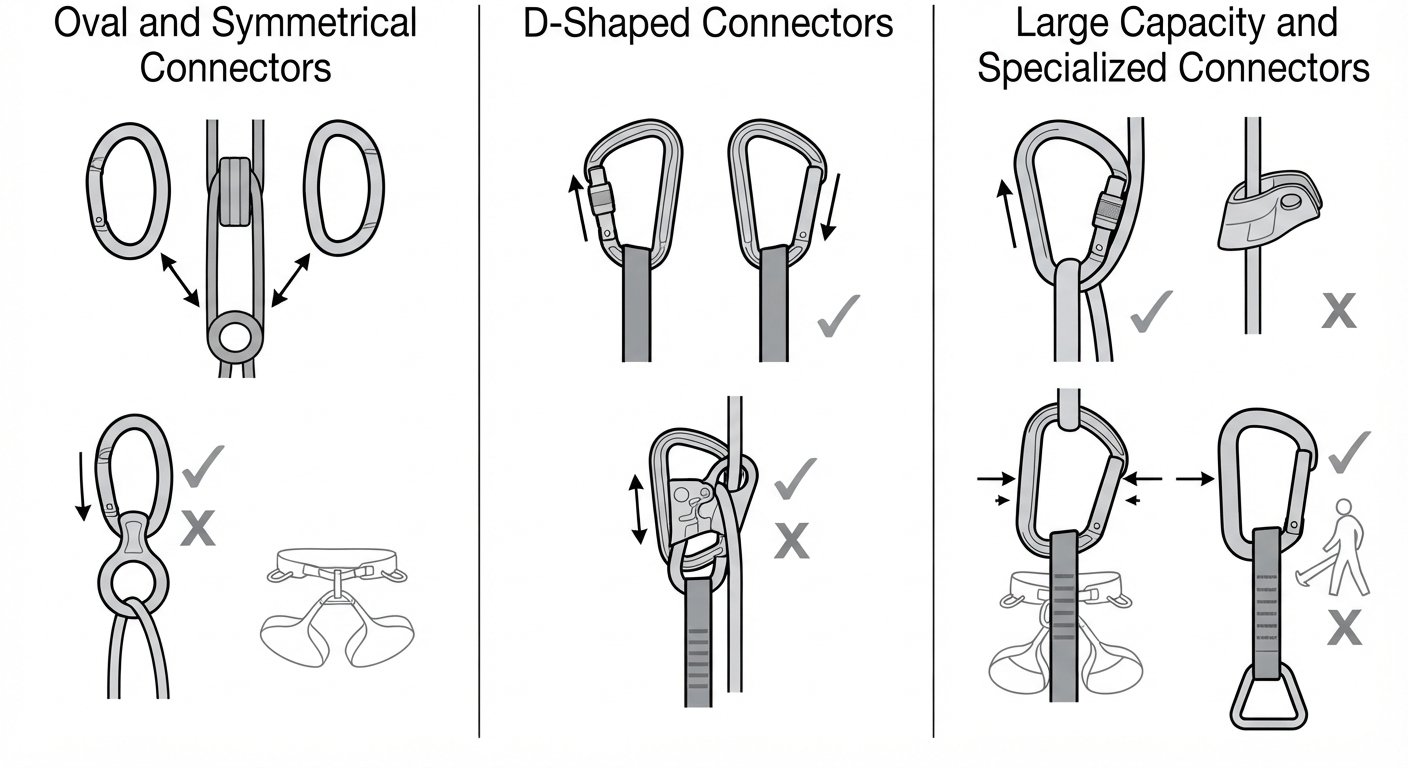 Connector shapes and where each belongs
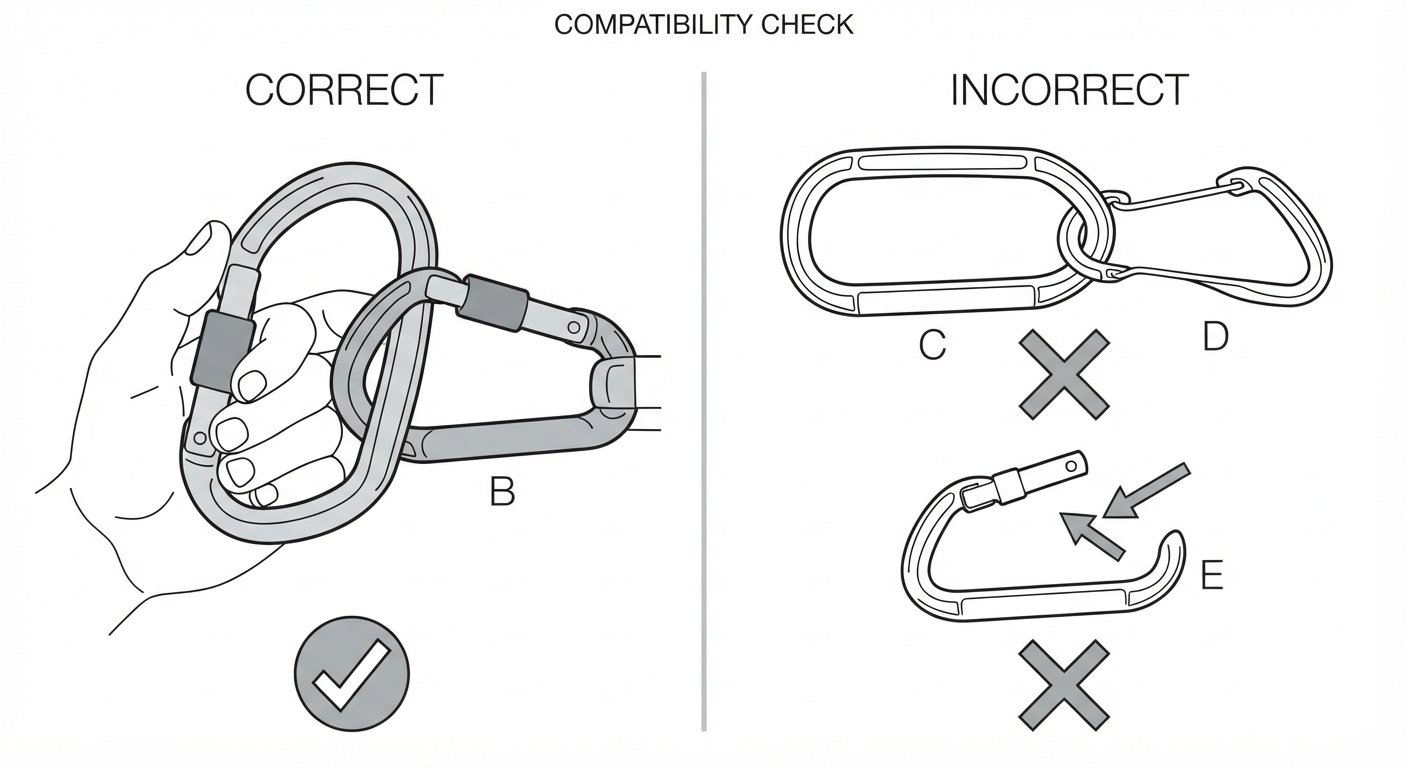 Checking connector compatibility
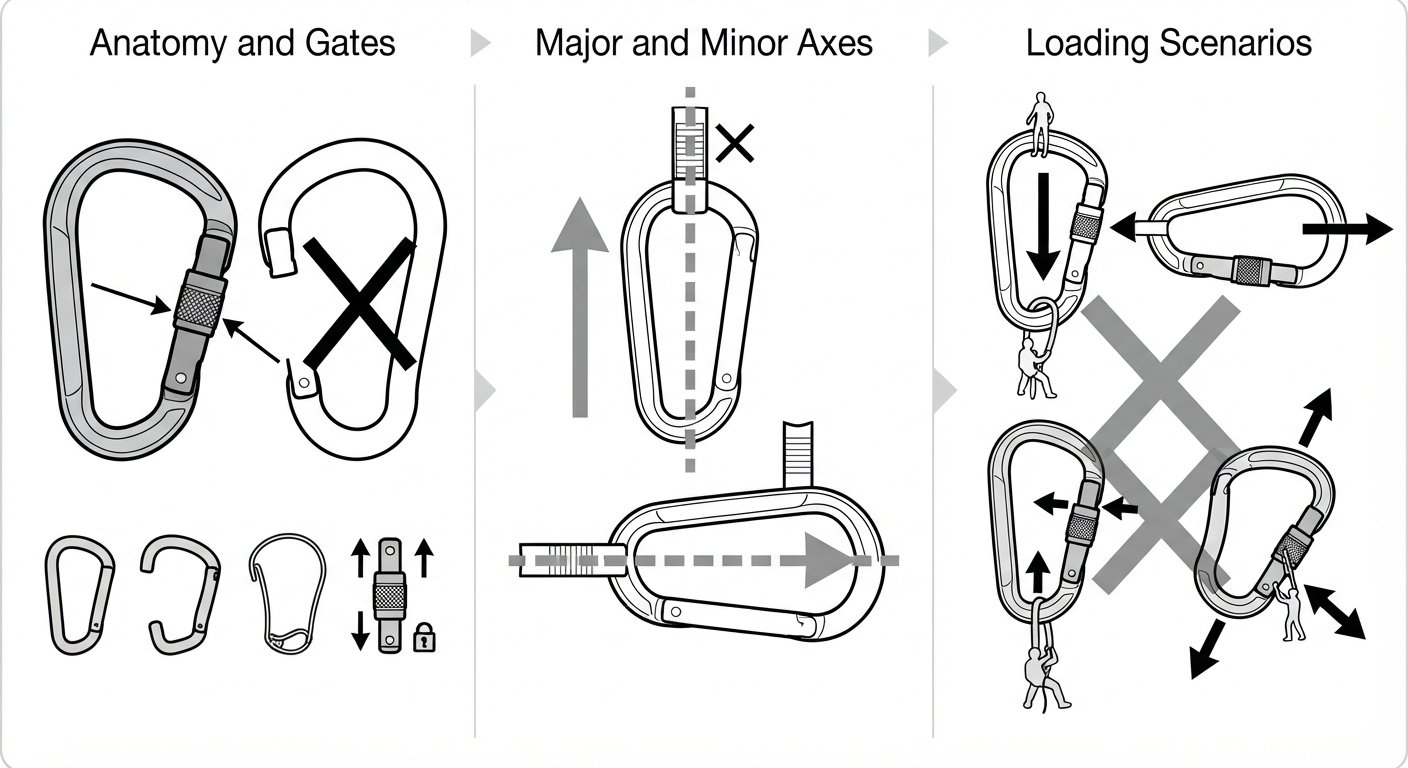 Connector basics: gates, axes and loading
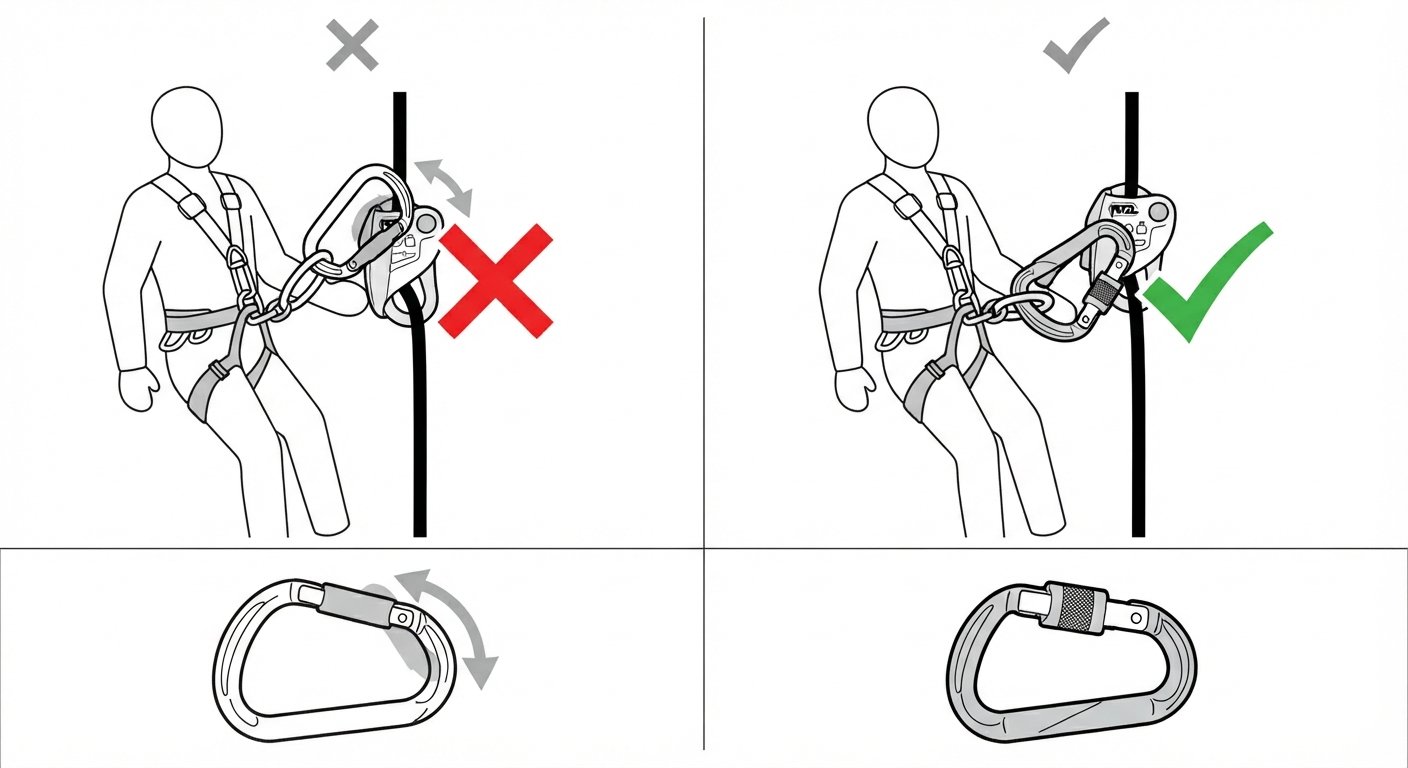 Choosing a connector for a descender
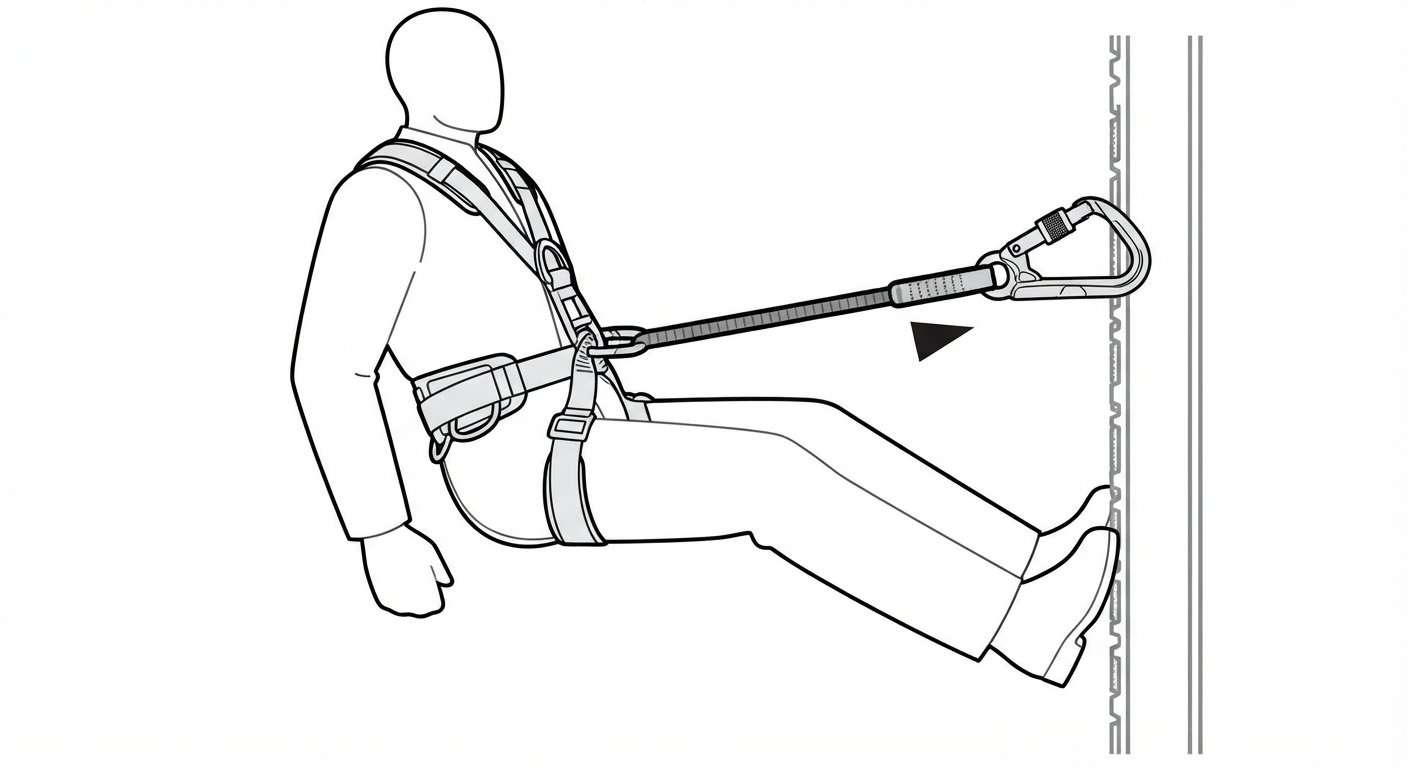 Lanyard-end connector for work positioning
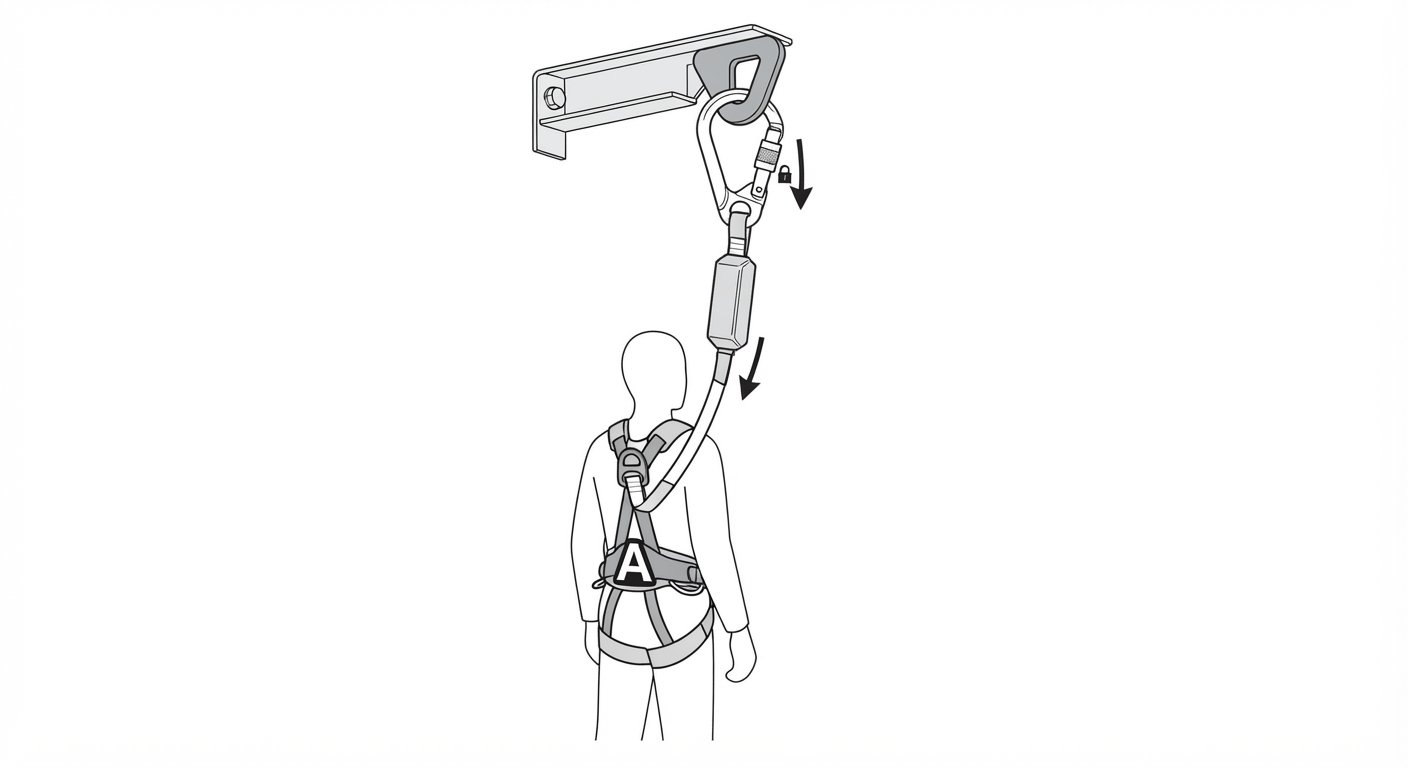 Lanyard-end connector for fall arrest
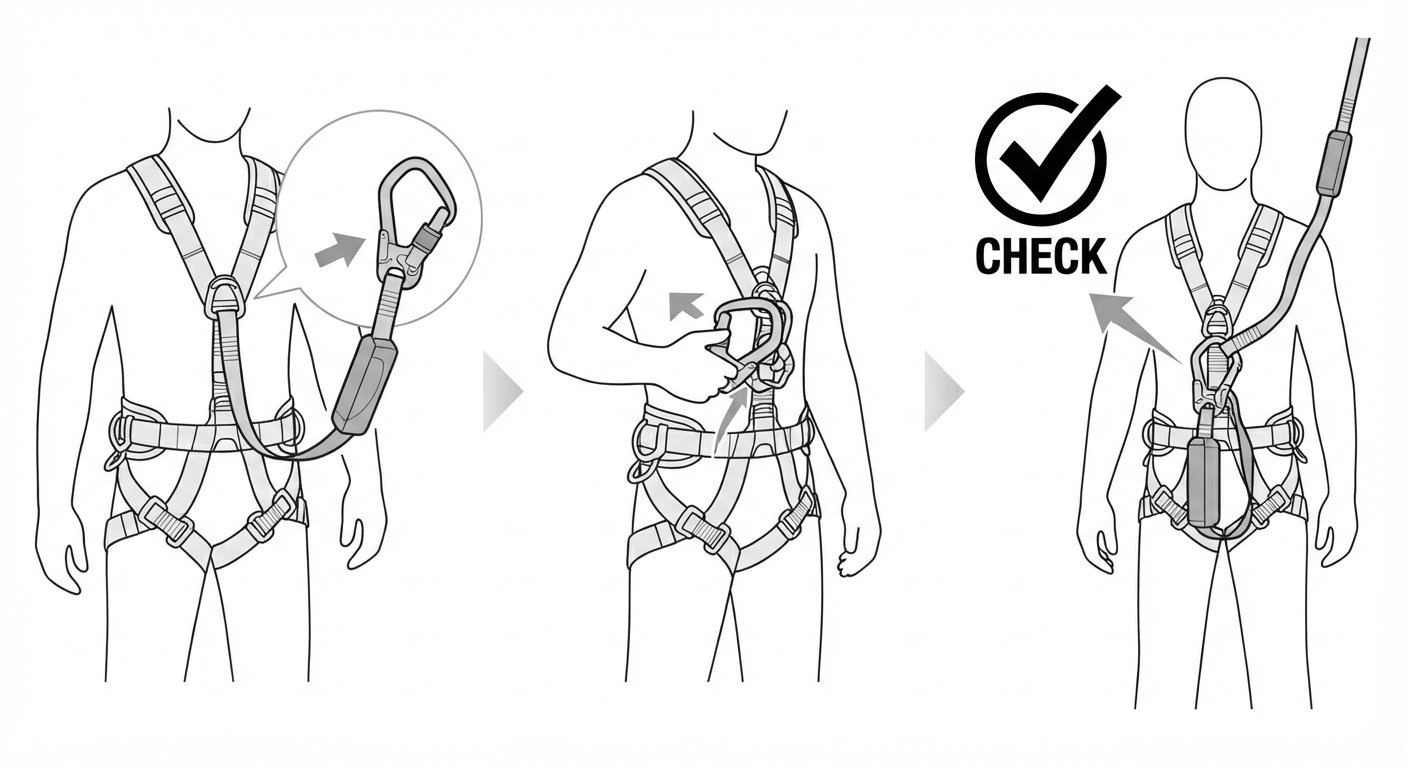 Connecting a fall-arrest lanyard to the harness
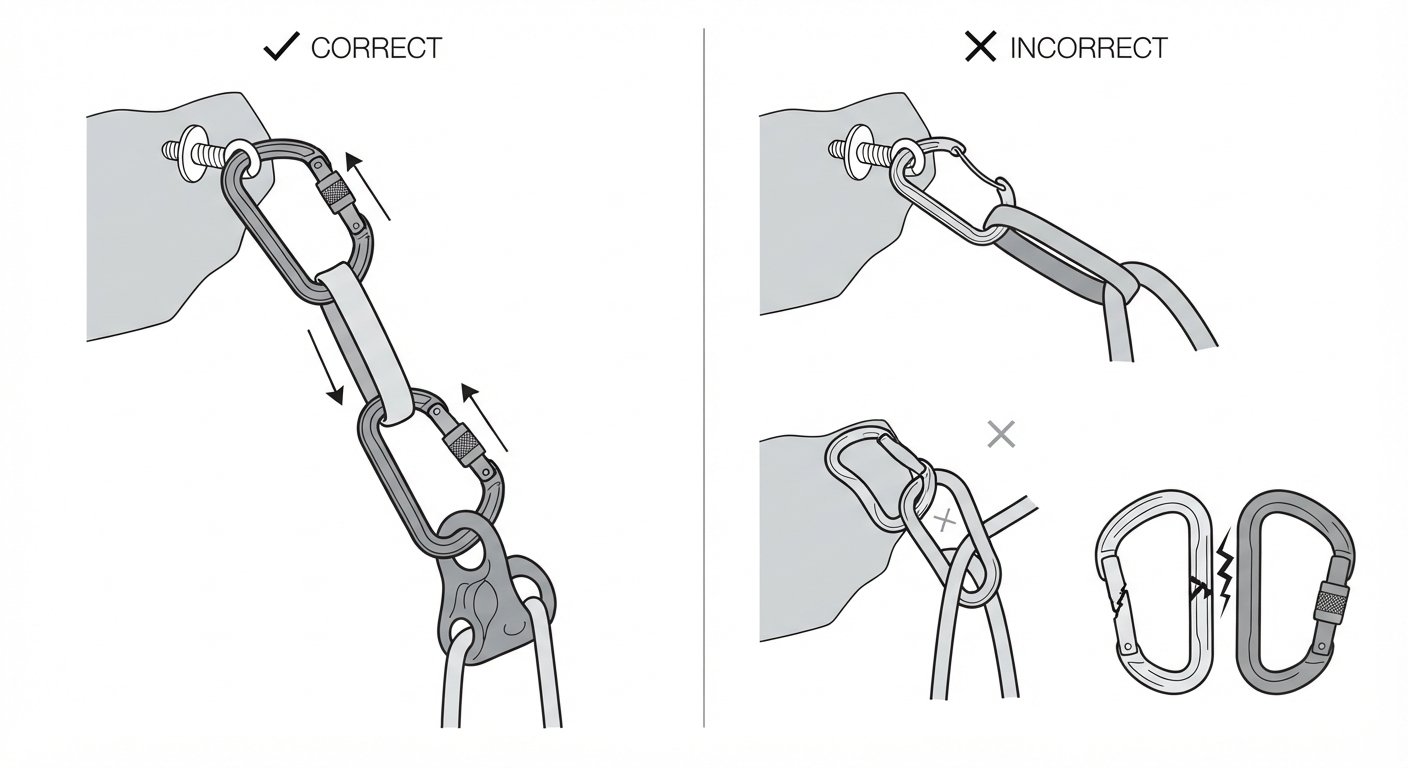 Choosing connectors for anchor rigging
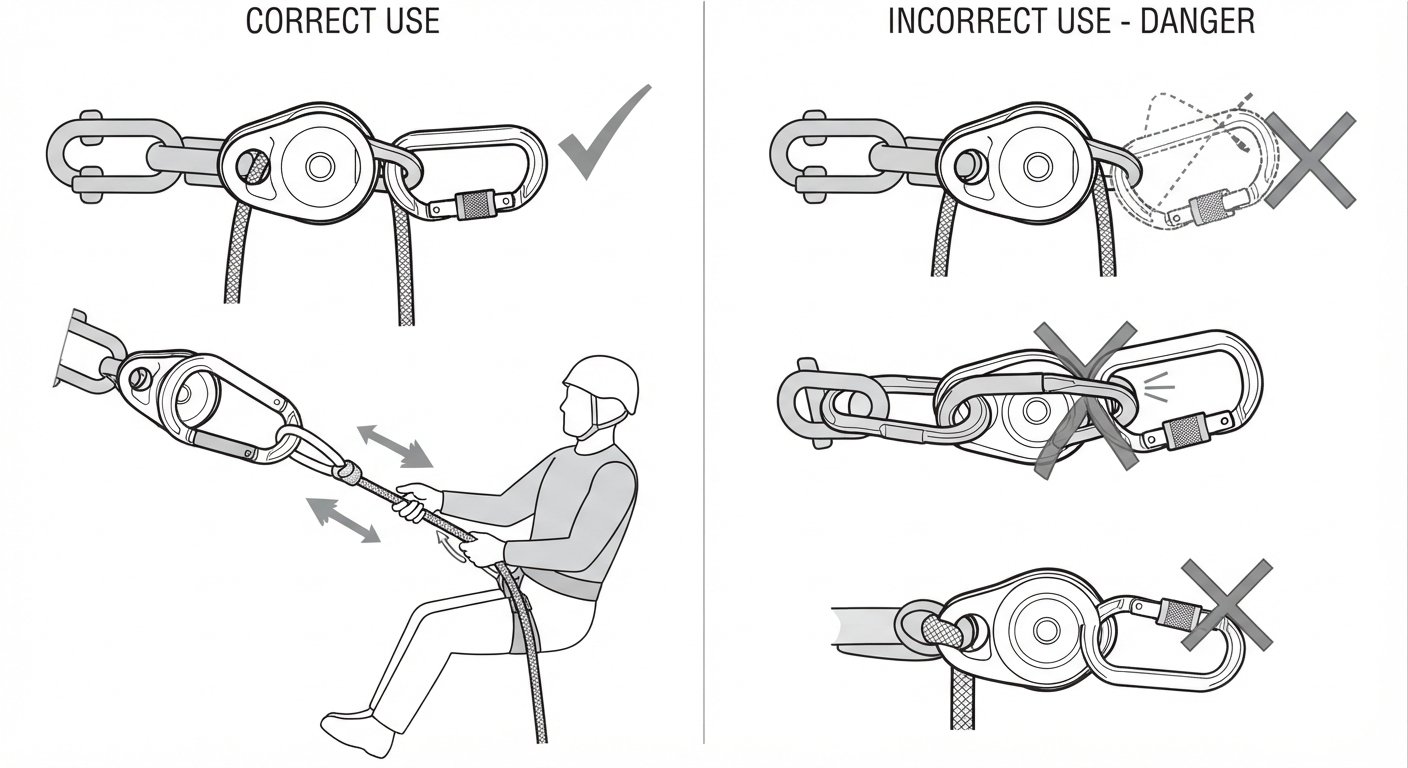 Choosing connectors for hauling and pulleys
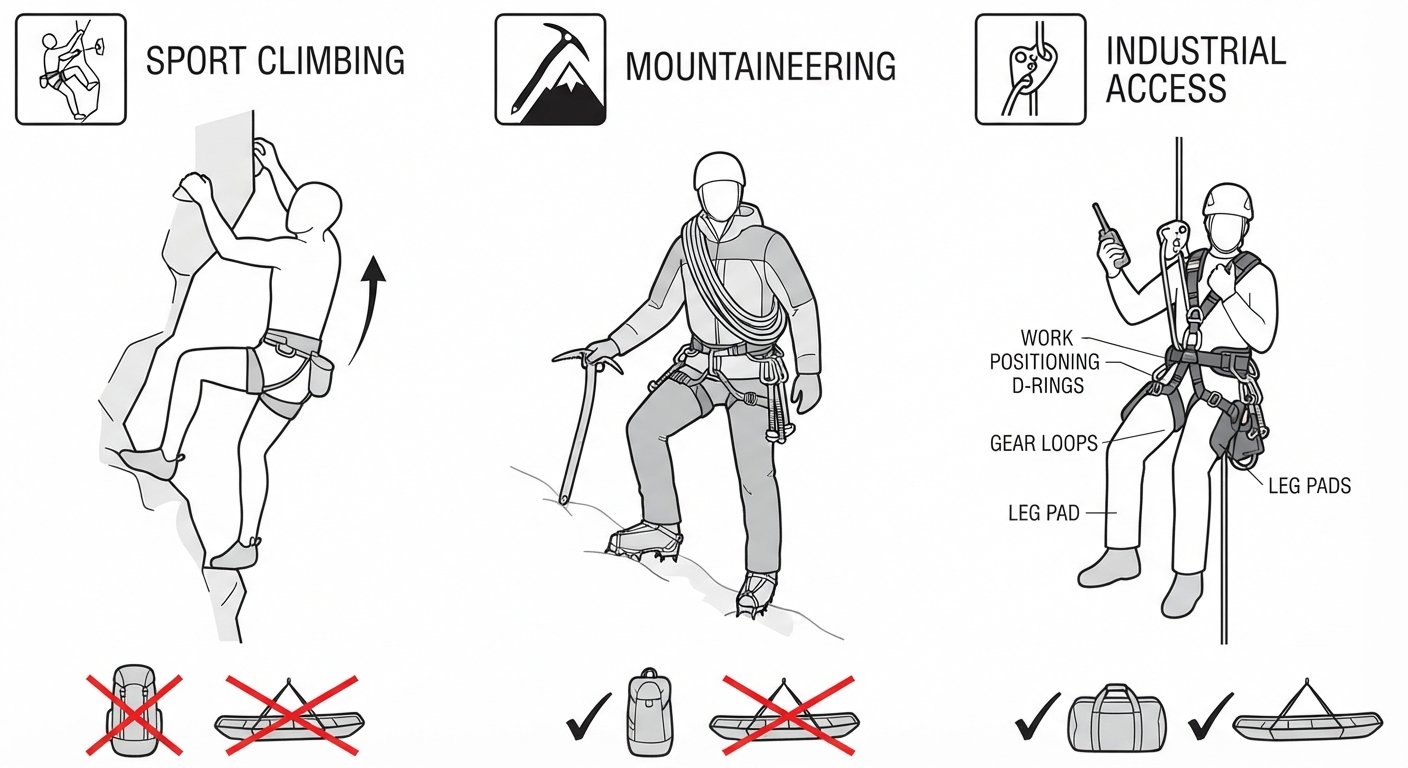 Which harness for which use? new
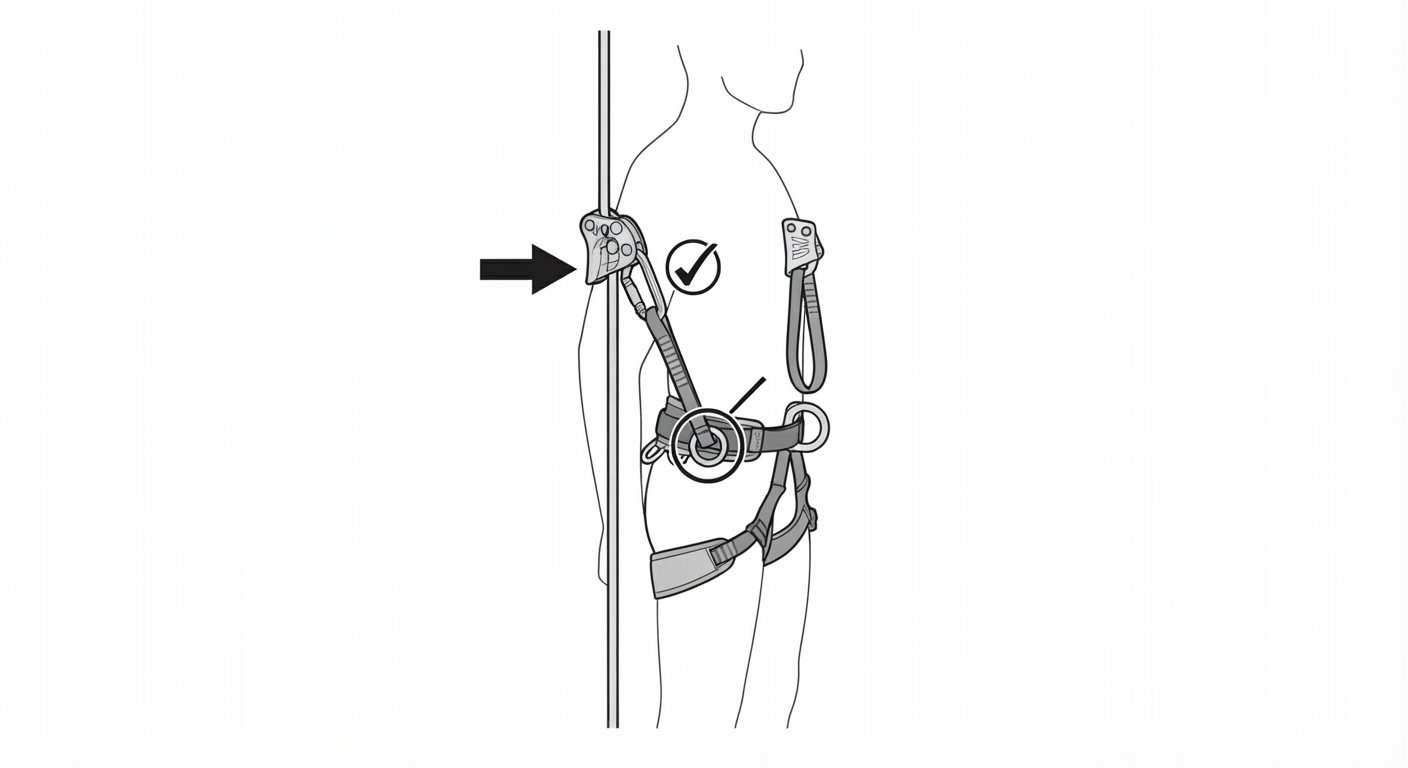 Harness attachment point for a rope grab
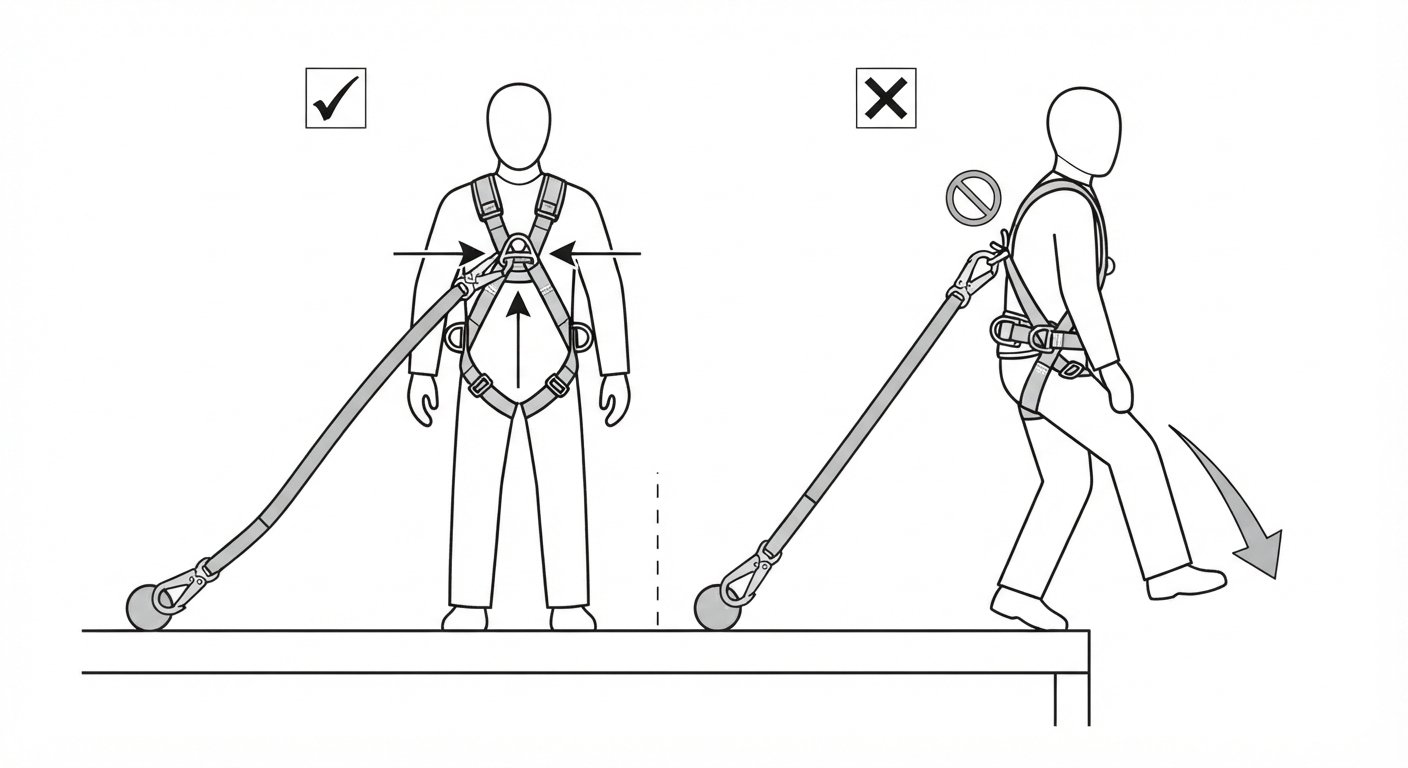 Which attachment points to use for restraint?
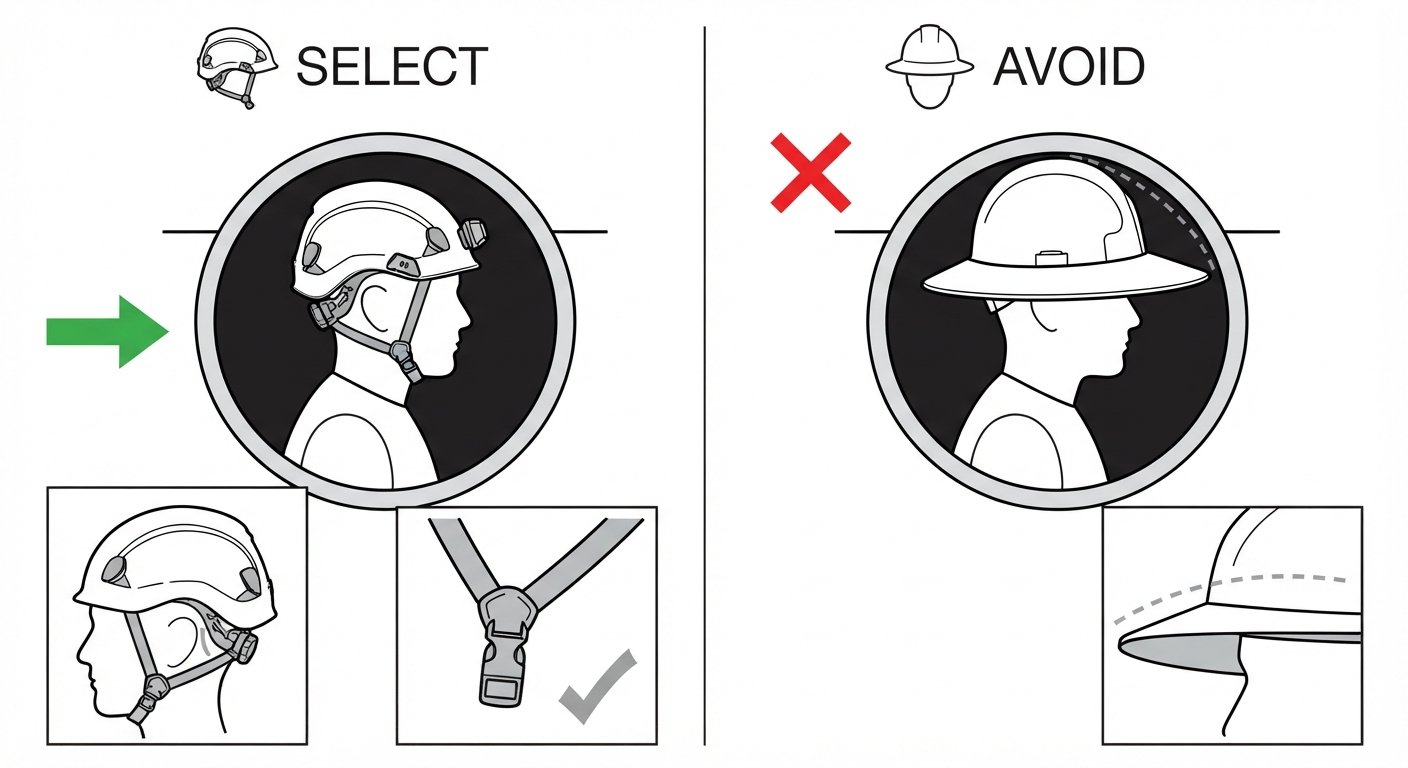 Selecting a helmet for confined space work
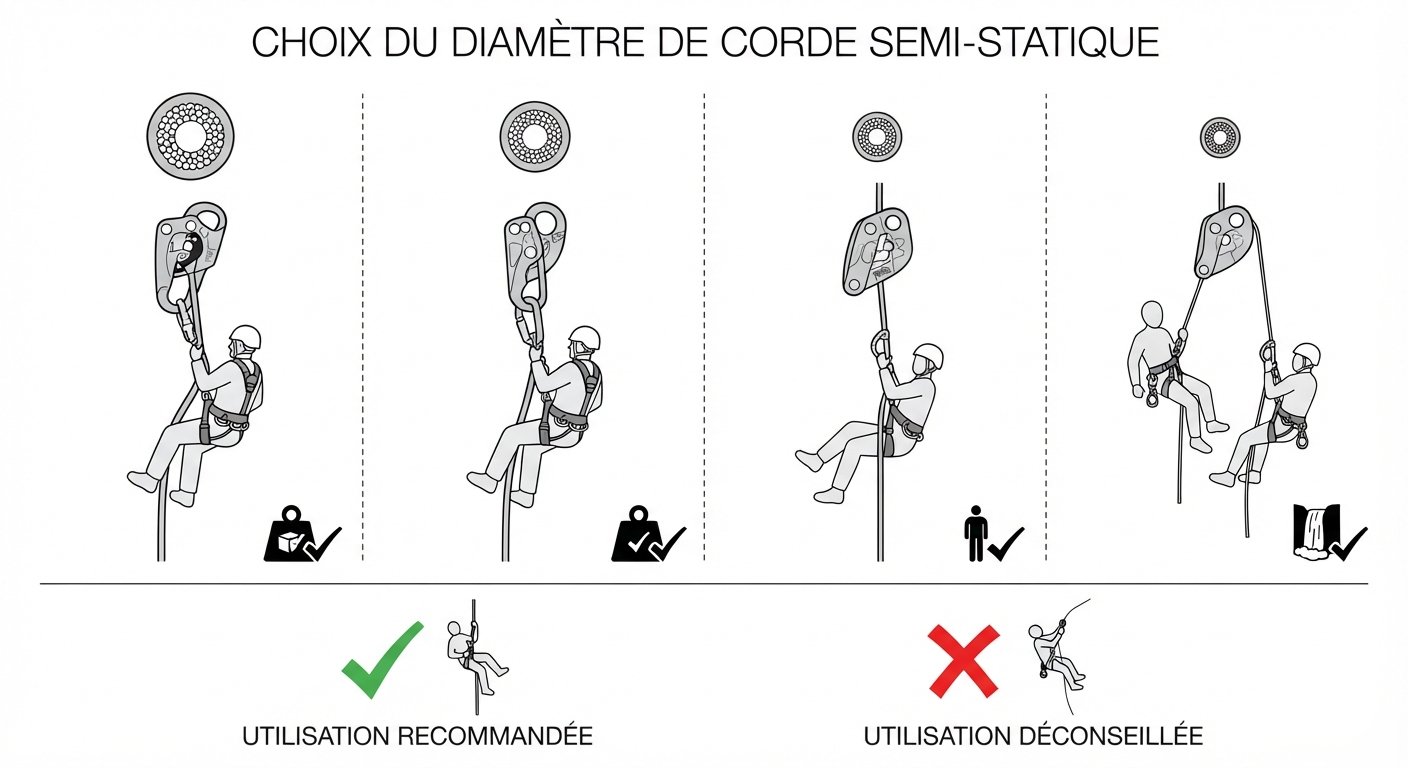 Choosing a low-stretch rope diameter
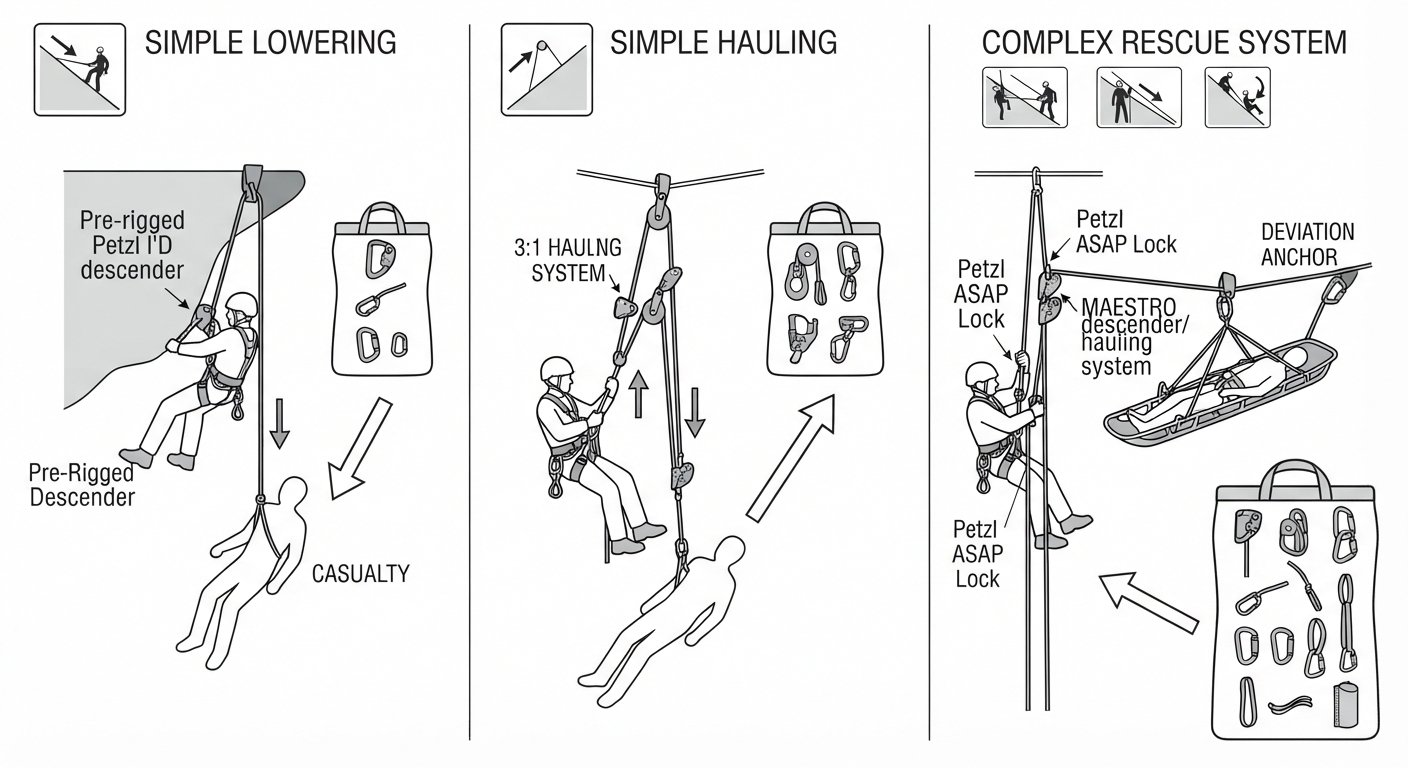 Selecting a rescue kit for the task
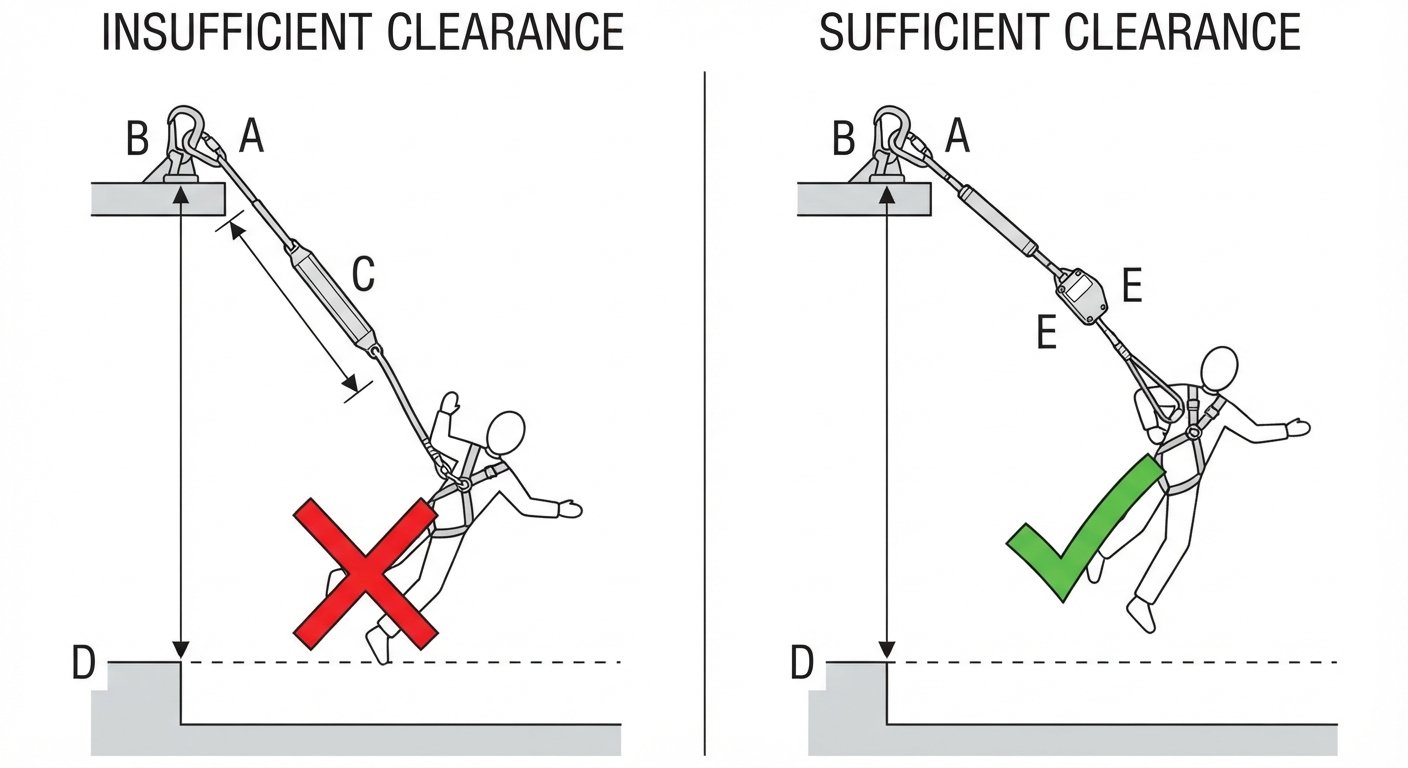 Choosing an absorber for the clearance available
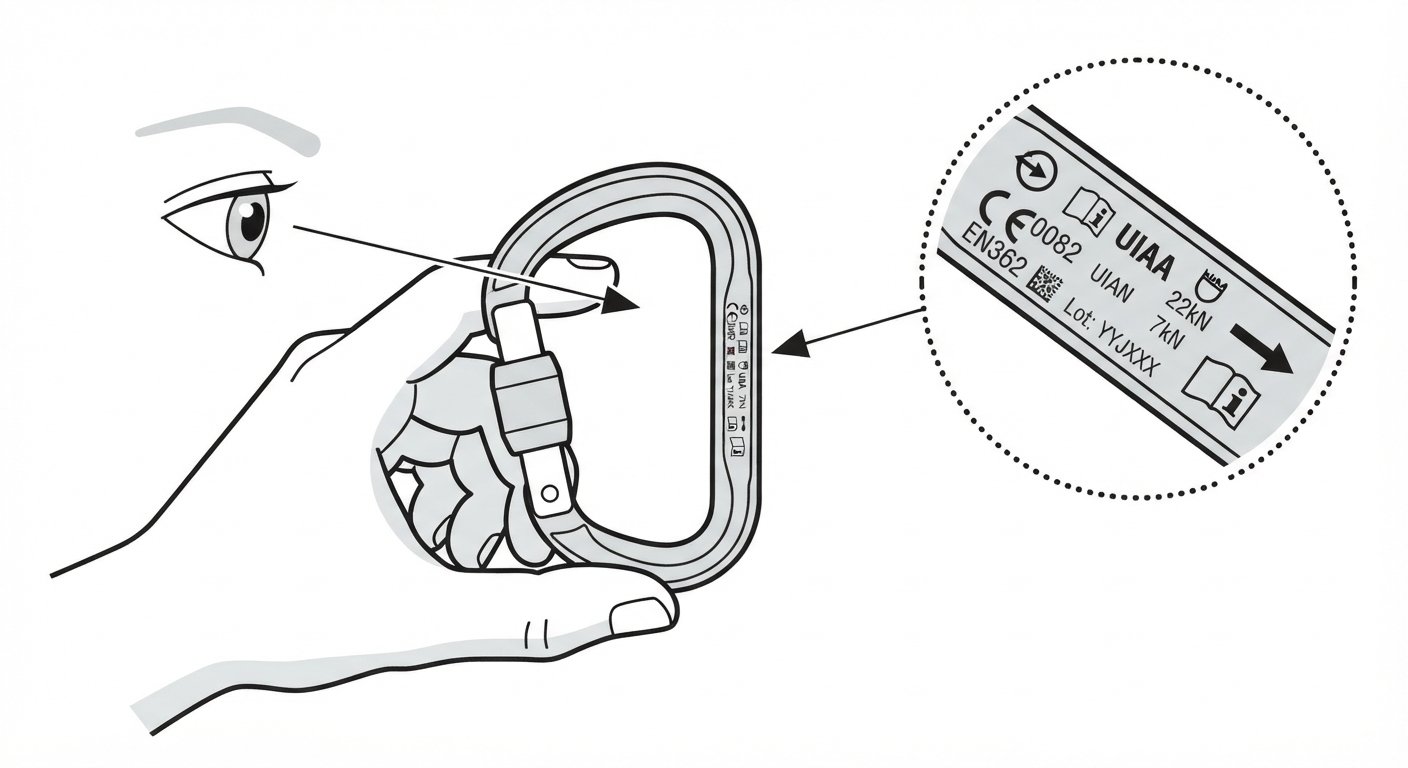 Reading the markings on a connector
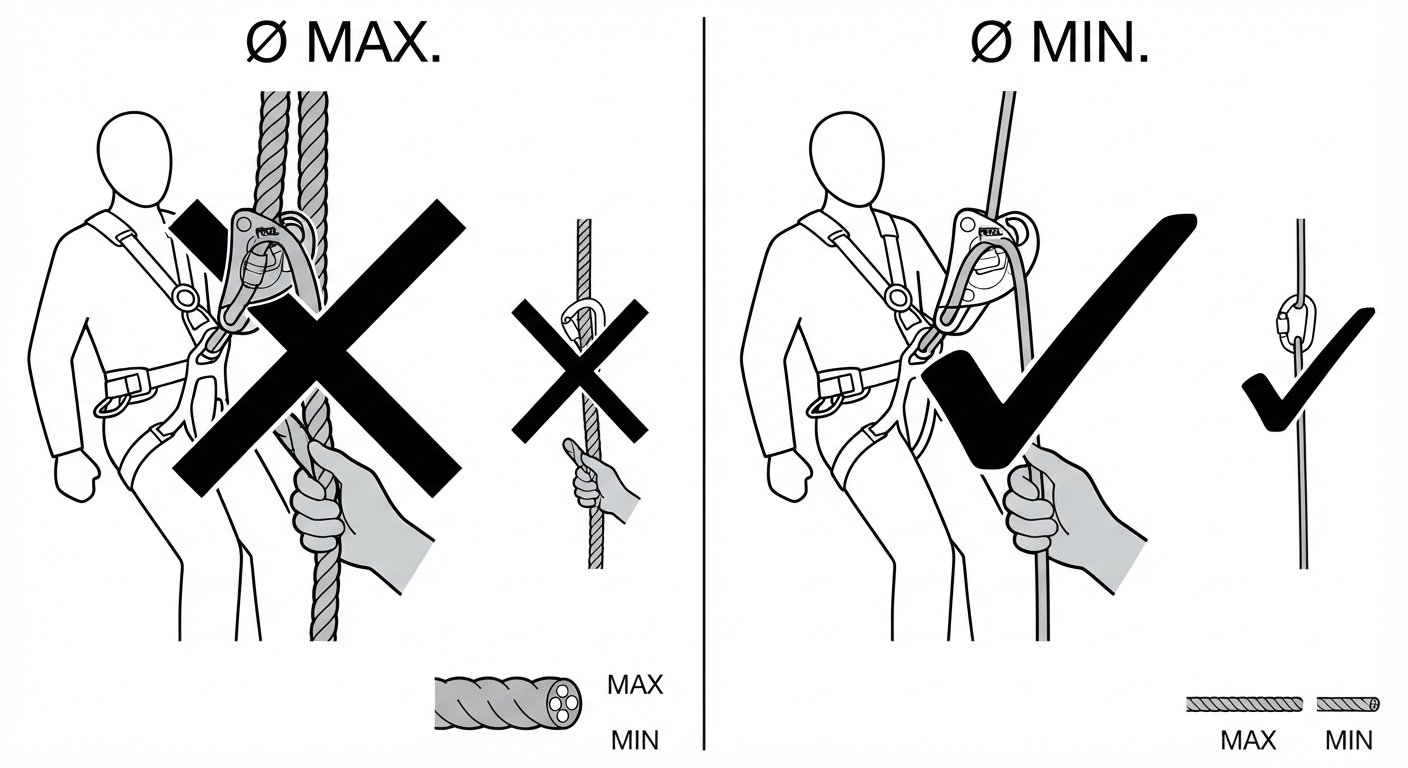 Rope diameter limits on descenders
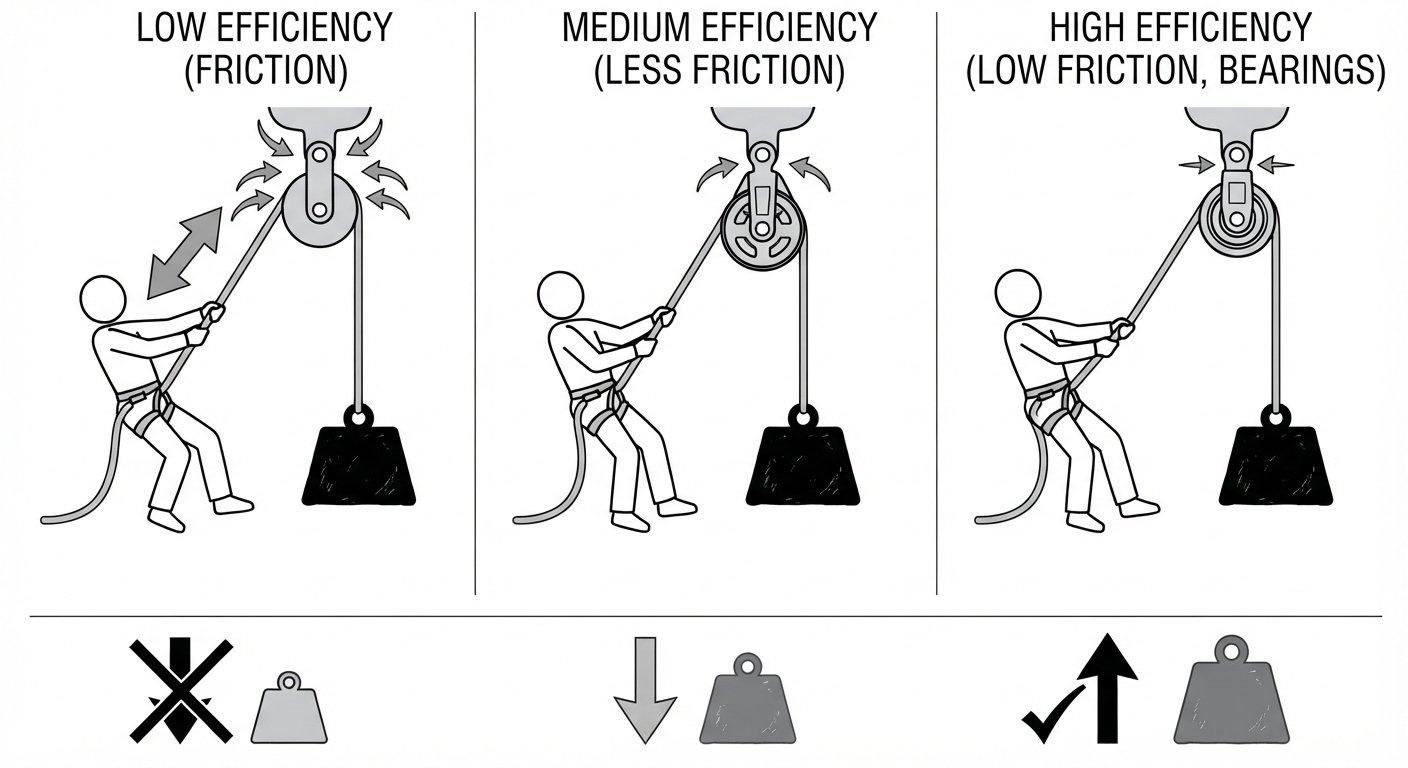 Pulley efficiency: what the numbers mean
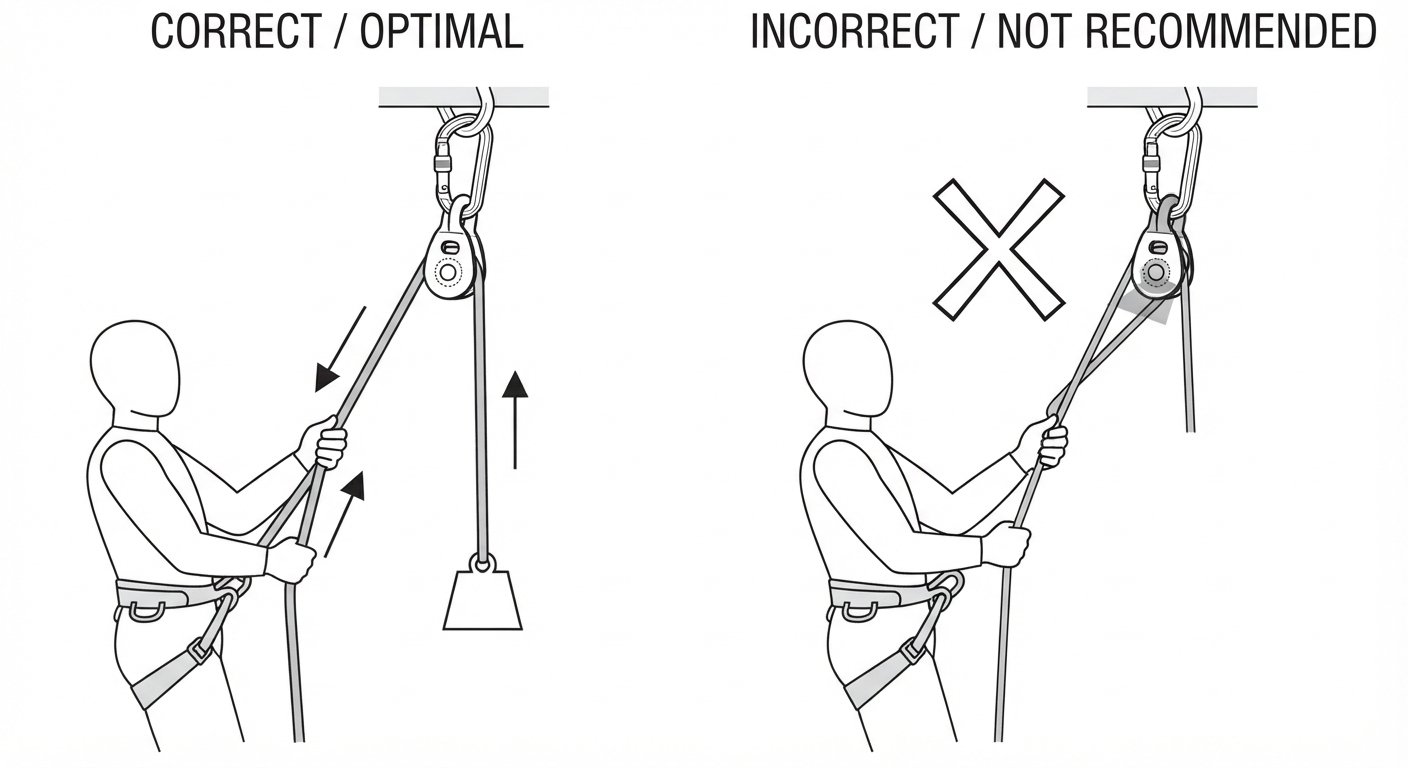 Using pulleys with small-diameter rope or cord
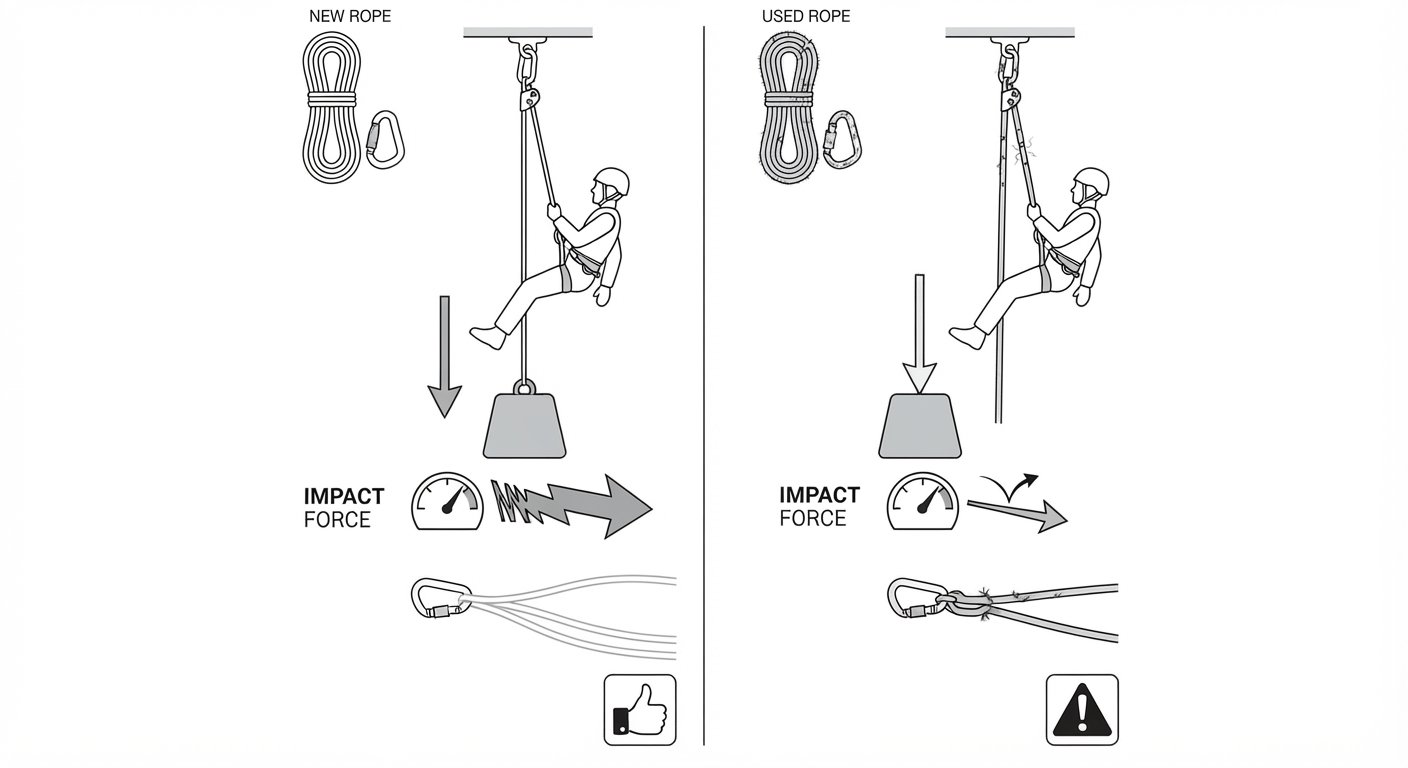 Performance of new versus used ropes
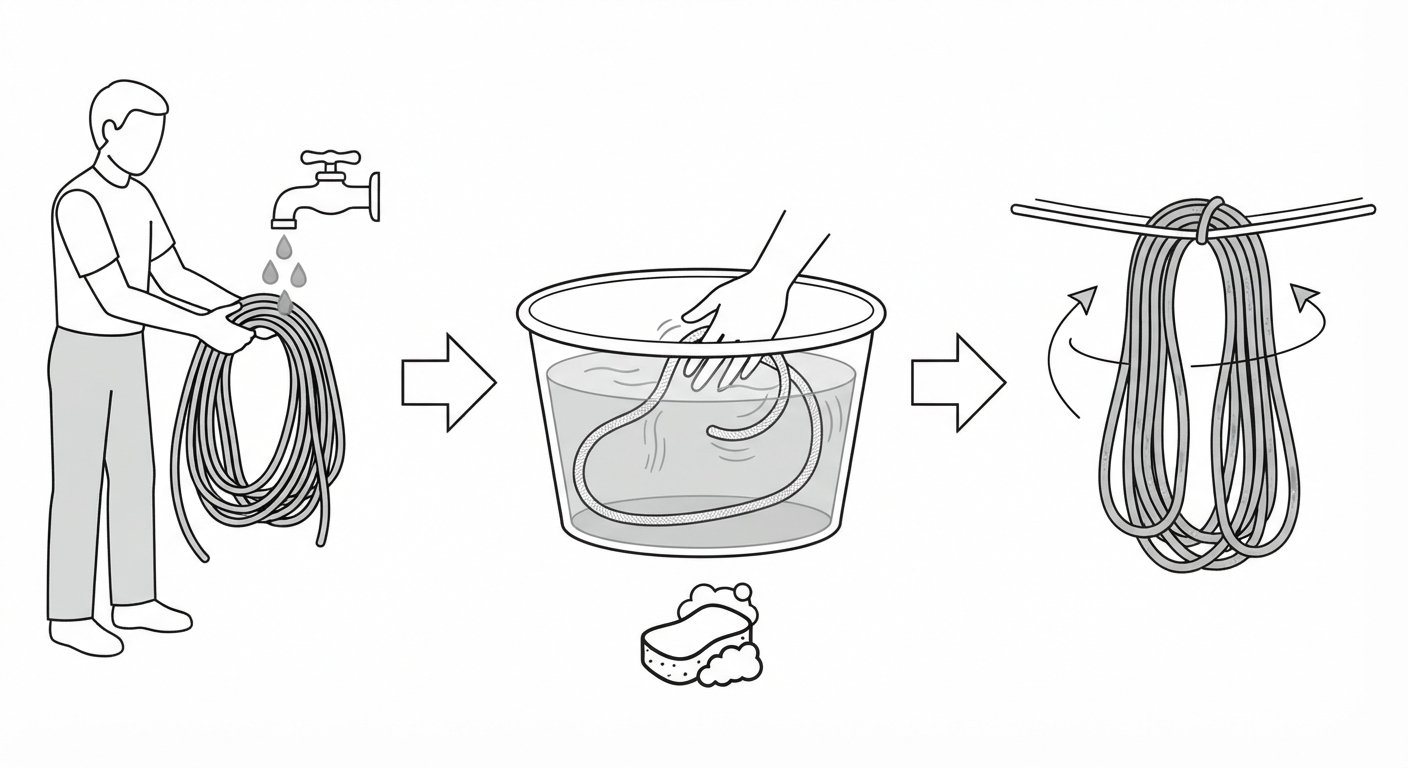 Washing a low-stretch rope before first use
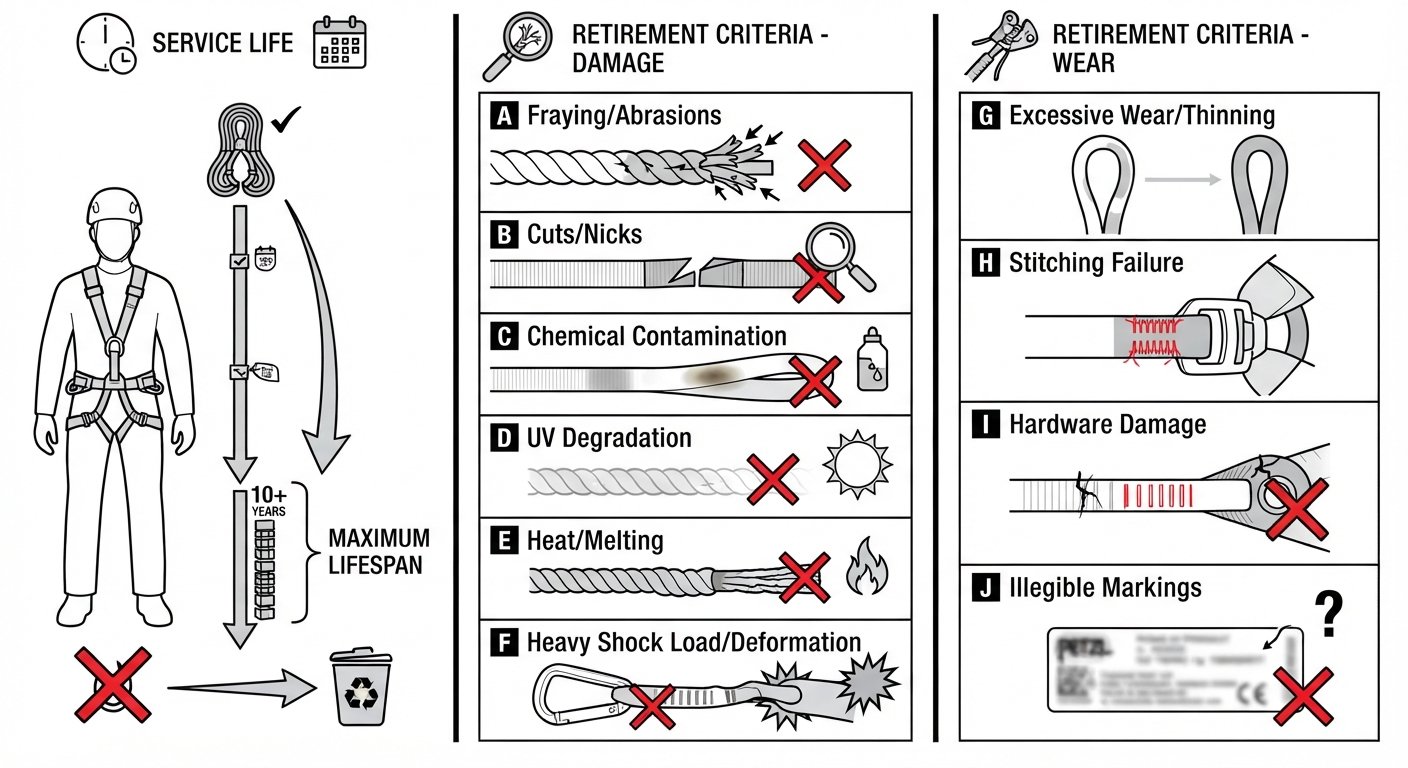 Service life and retirement criteria for textiles
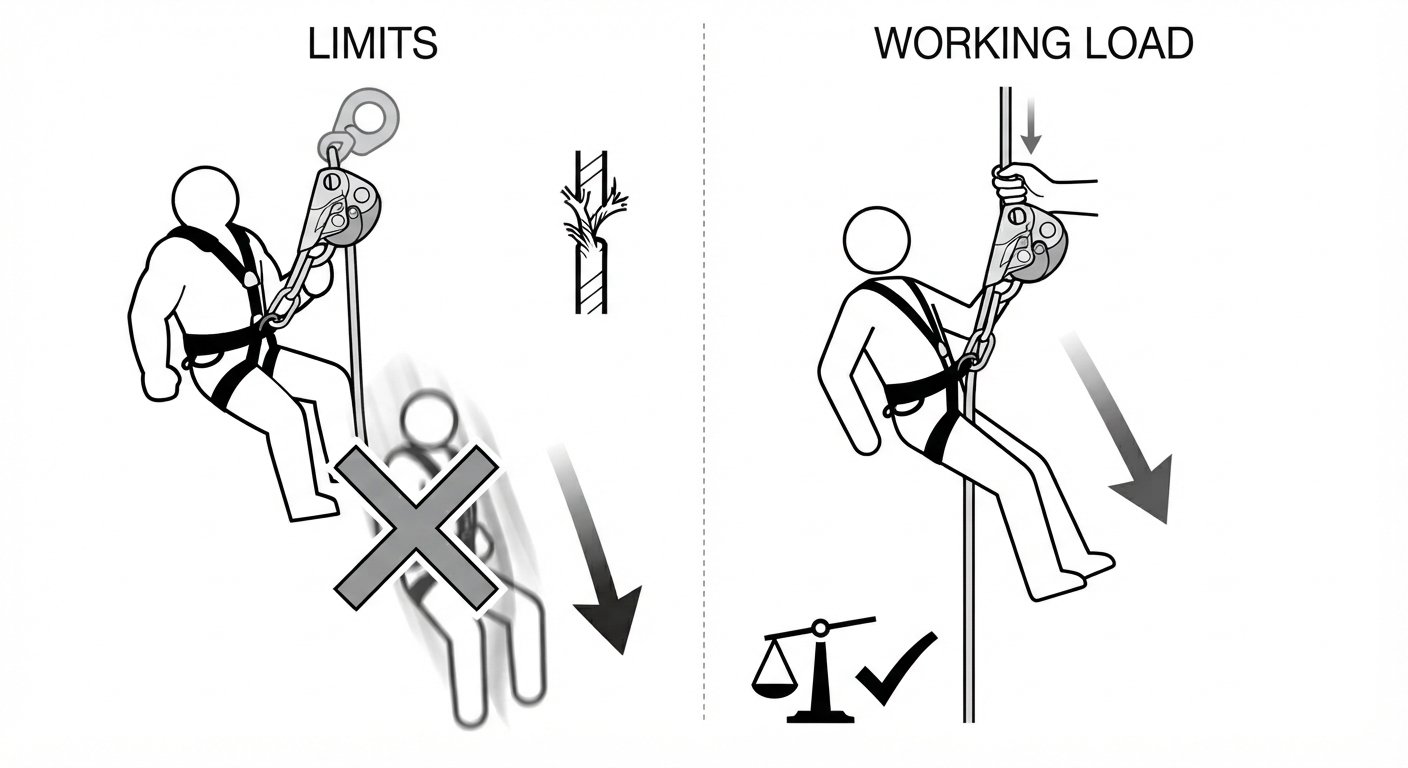 Descender specifications and working loads
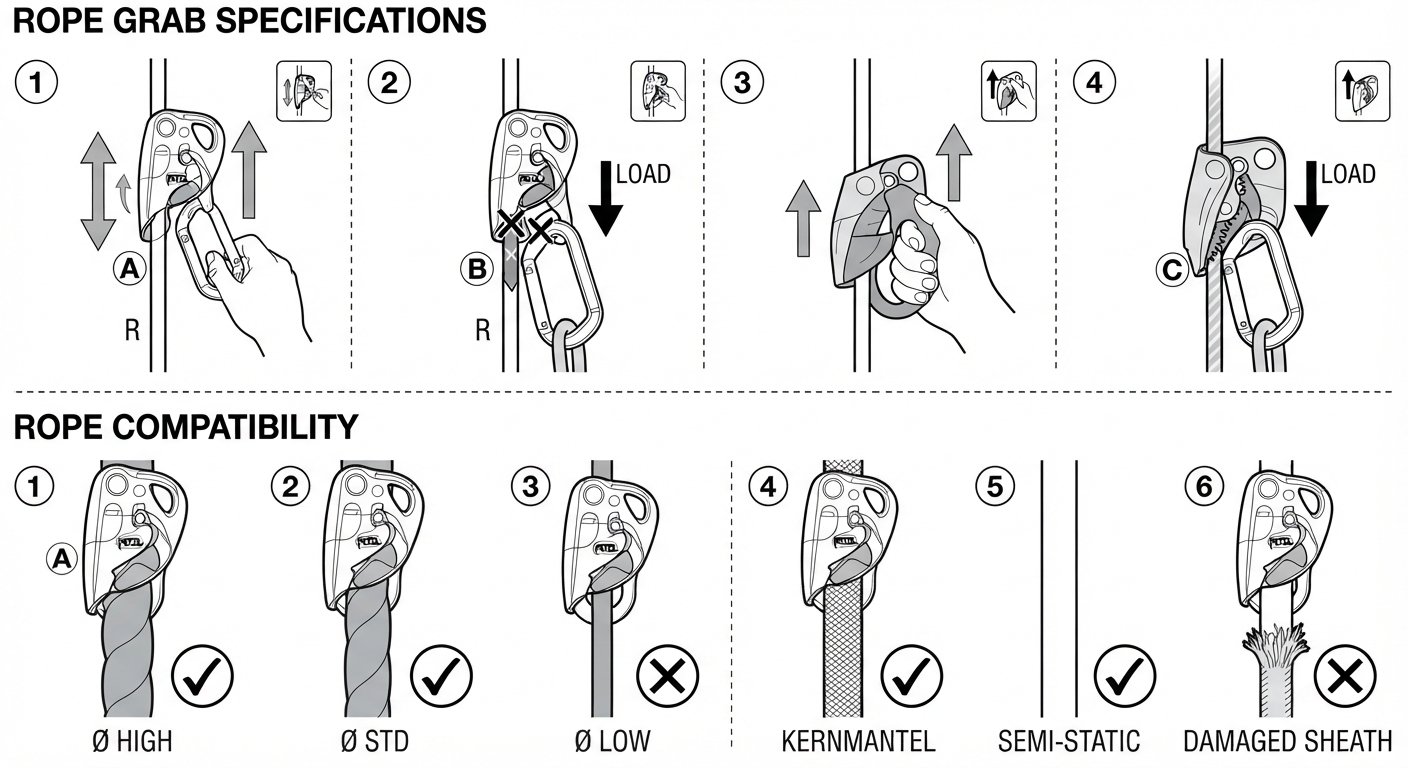 Rope grab specifications and rope compatibility
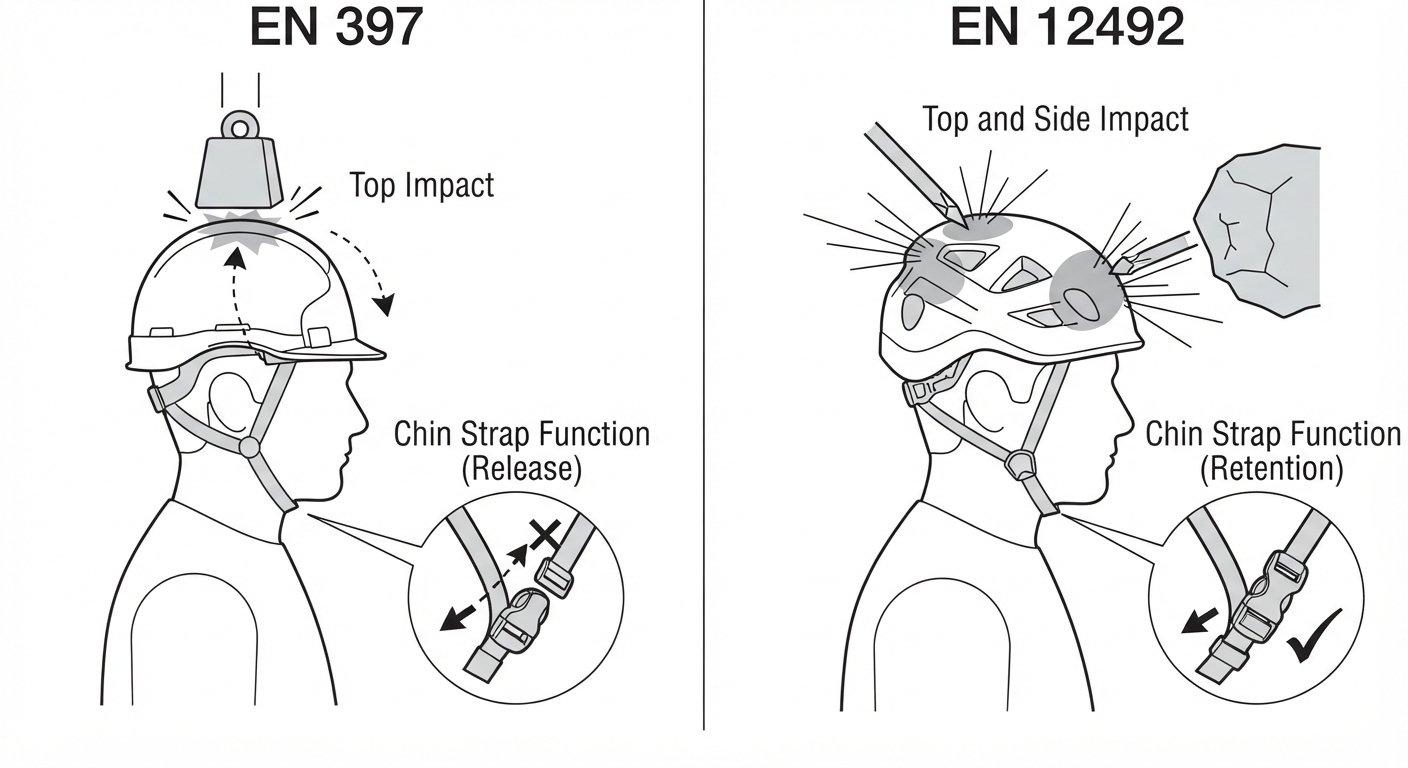 Helmet standards: EN 397 and EN 12492
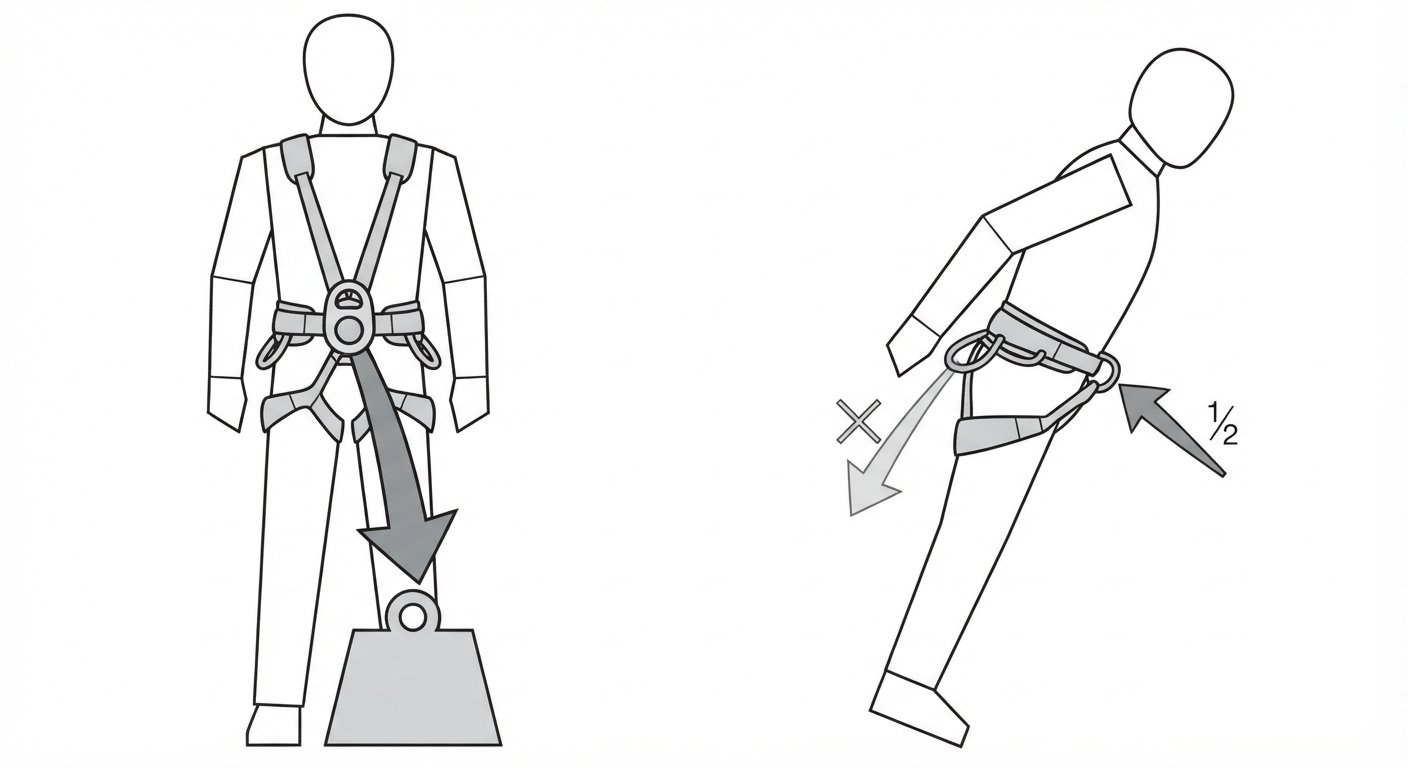 Harness attachment point strength ratings
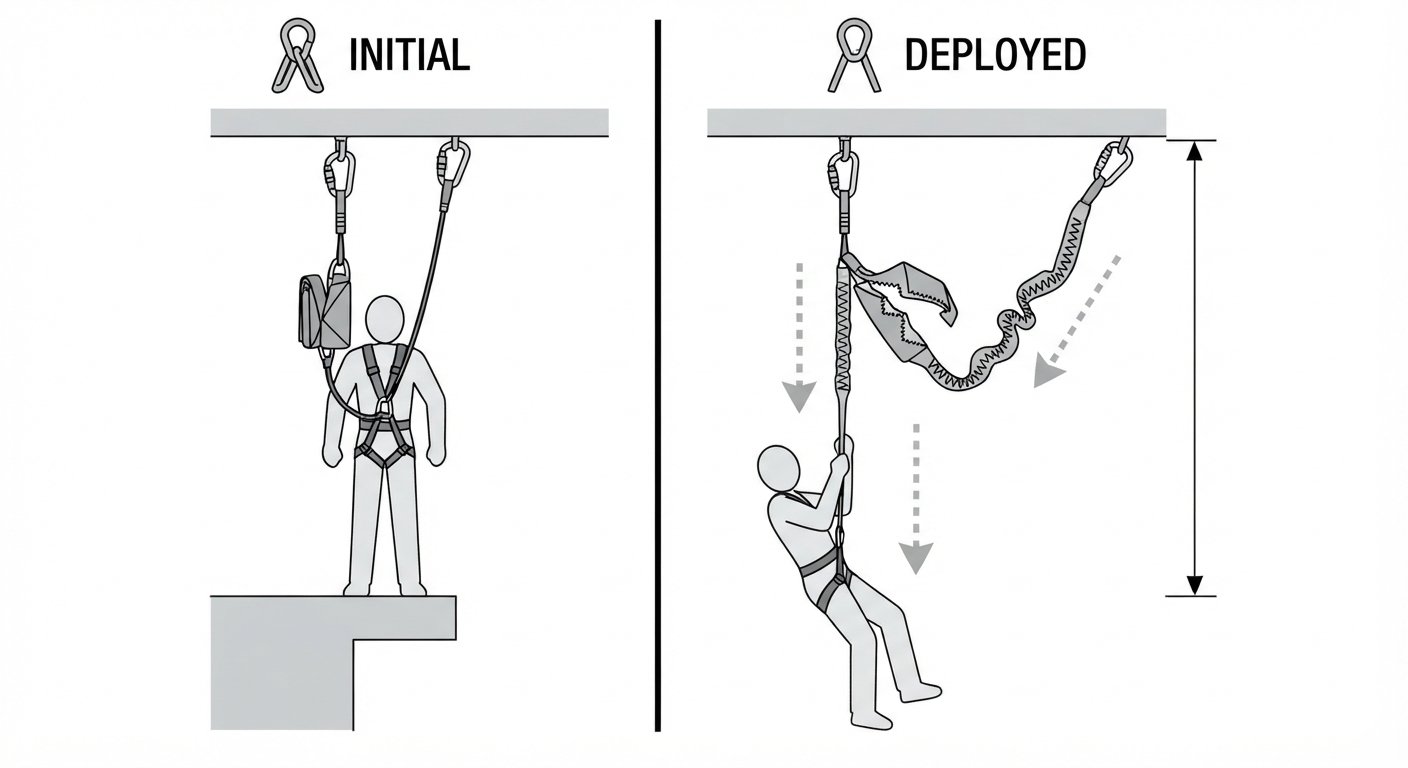 Energy absorber deployment lengths
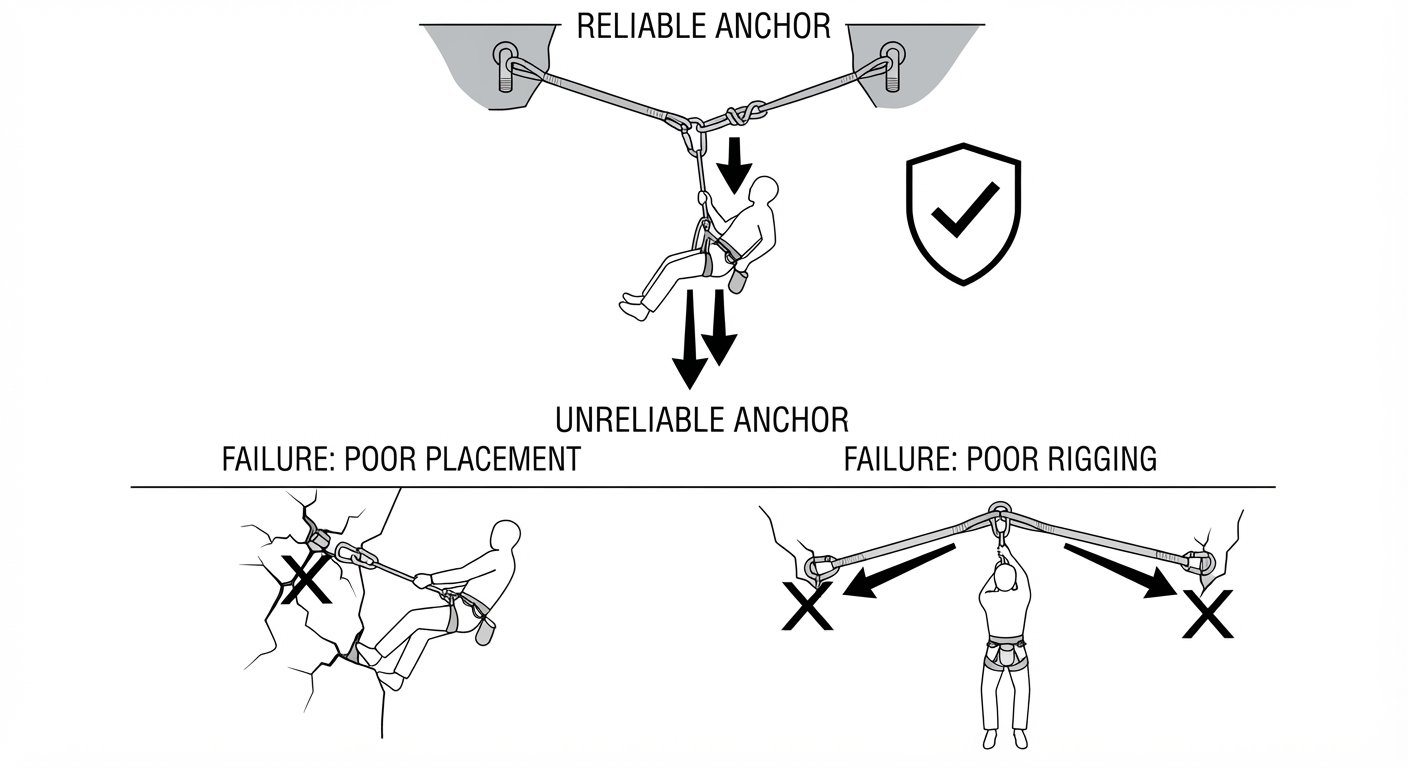 Anchor strength requirements explained
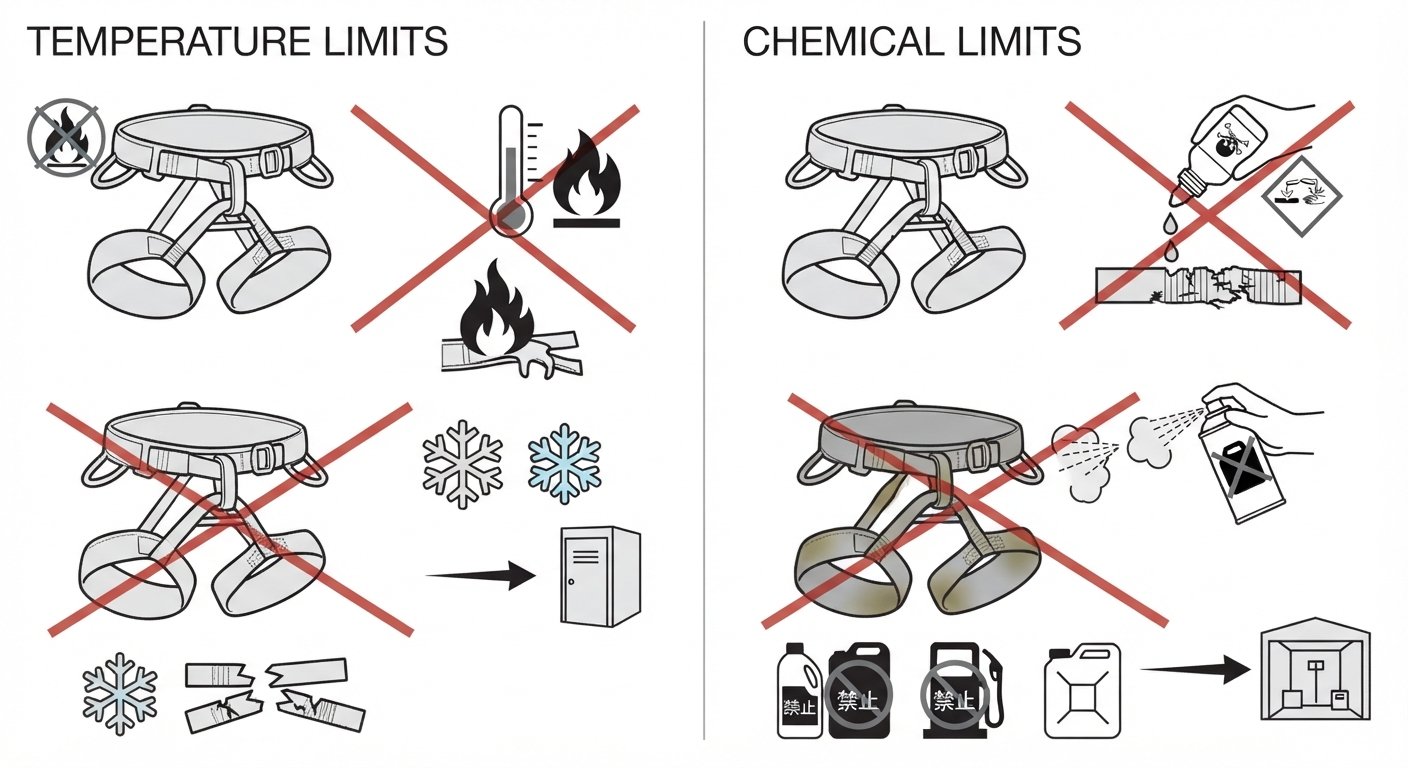 Temperature and chemical limits for textiles
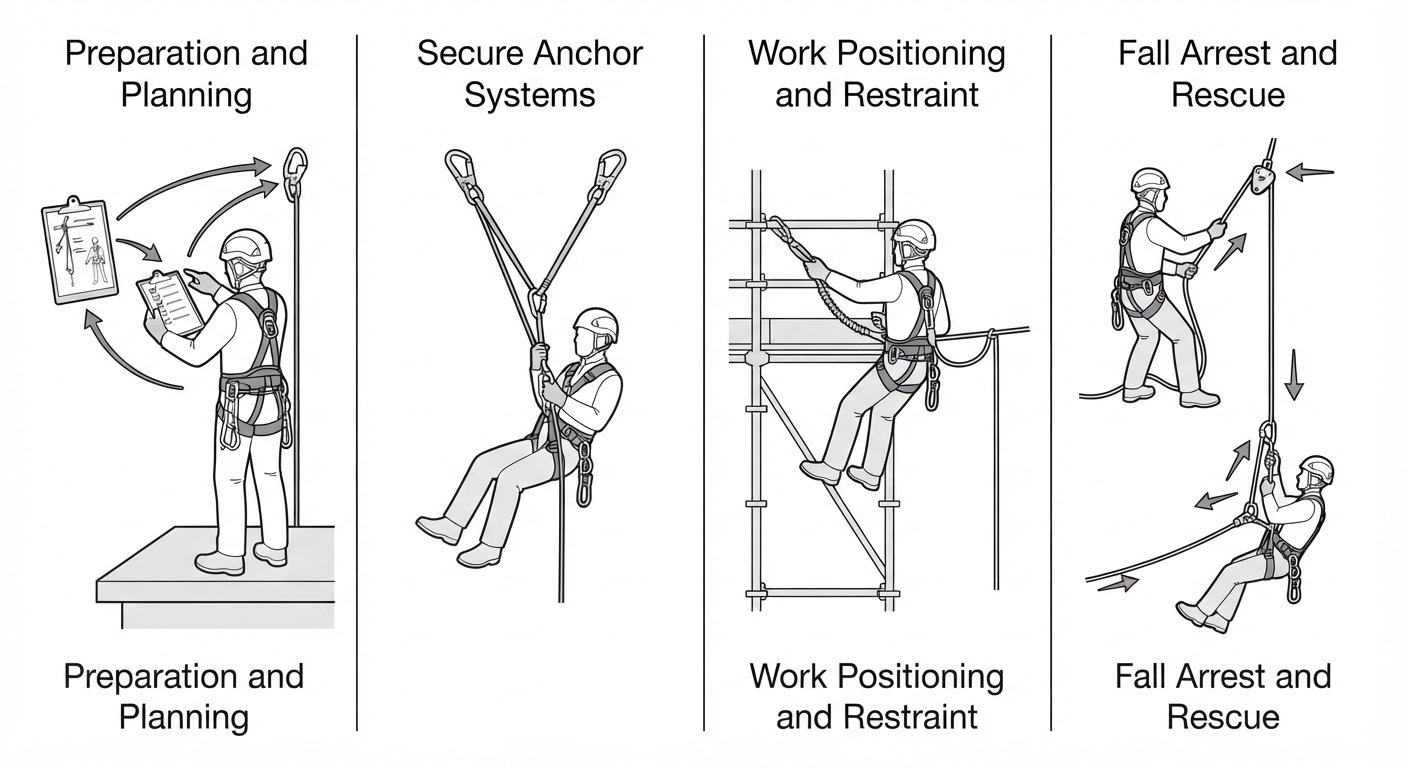 General principles for work at height
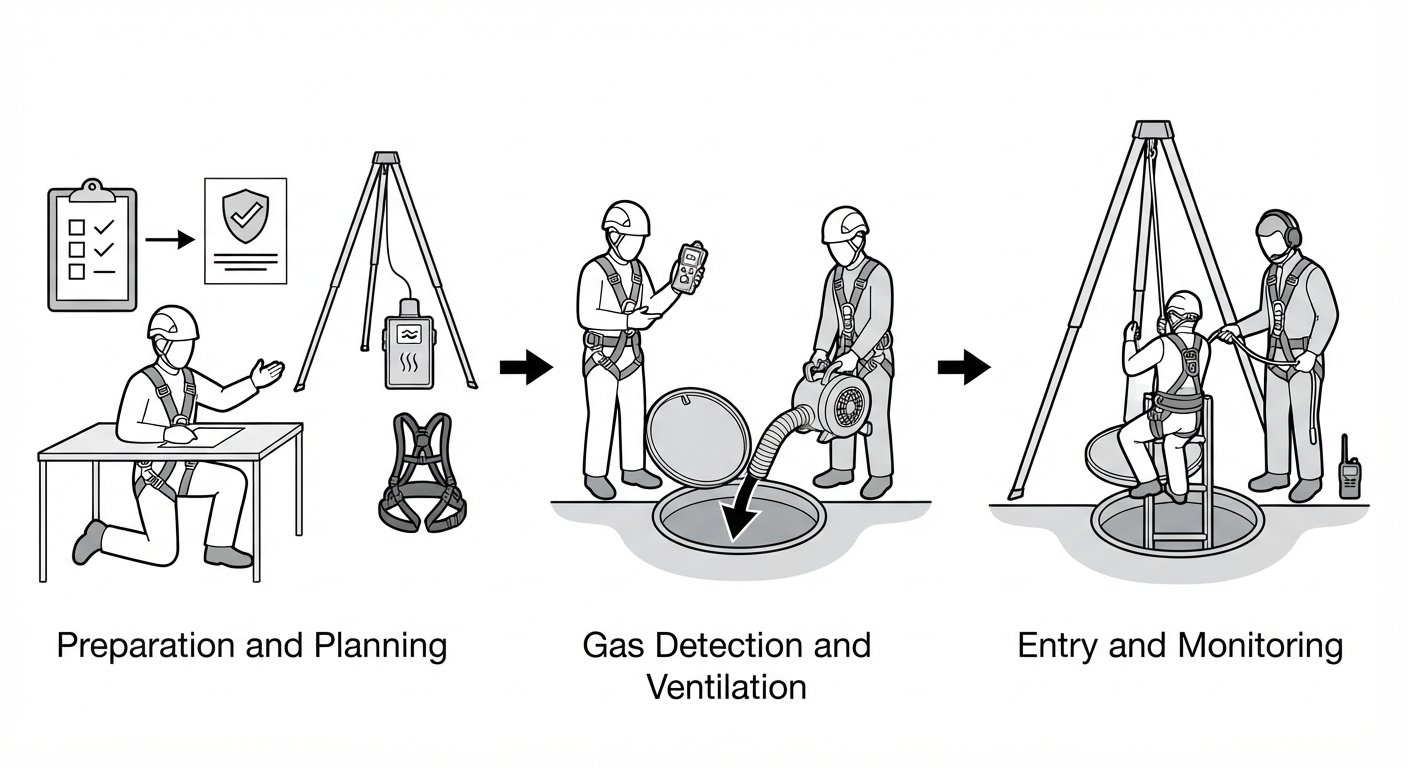 Confined space entry: the permit sequence
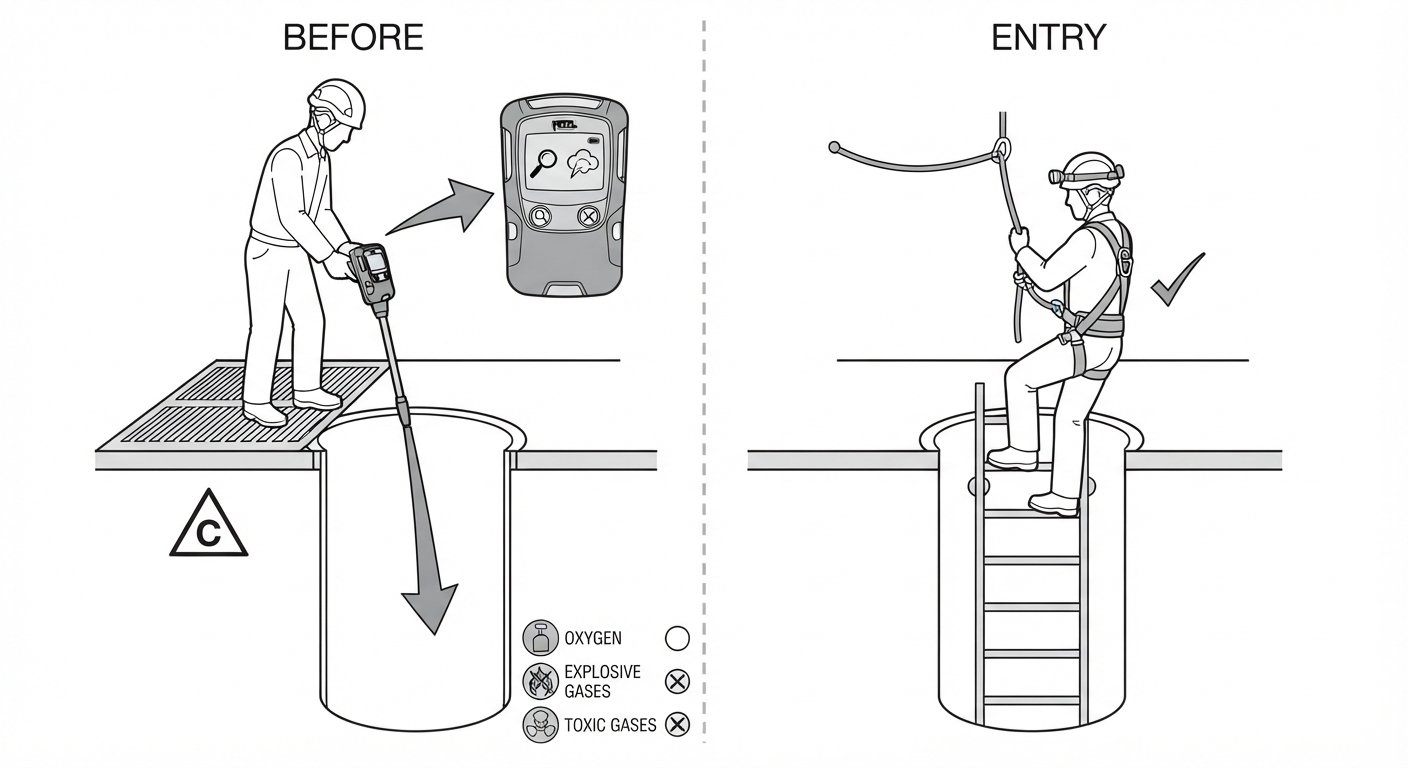 Atmospheric testing before entry new
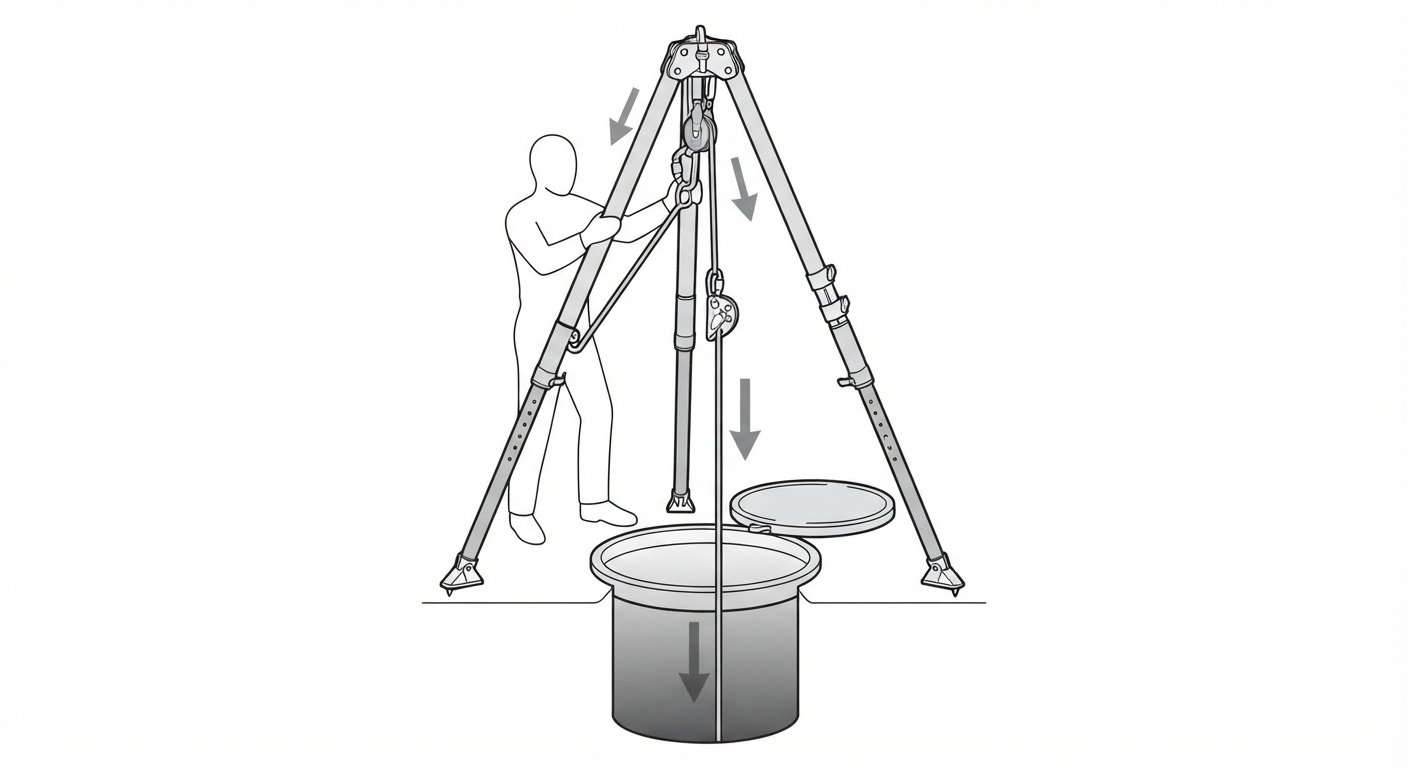 Setting up a tripod over a manhole
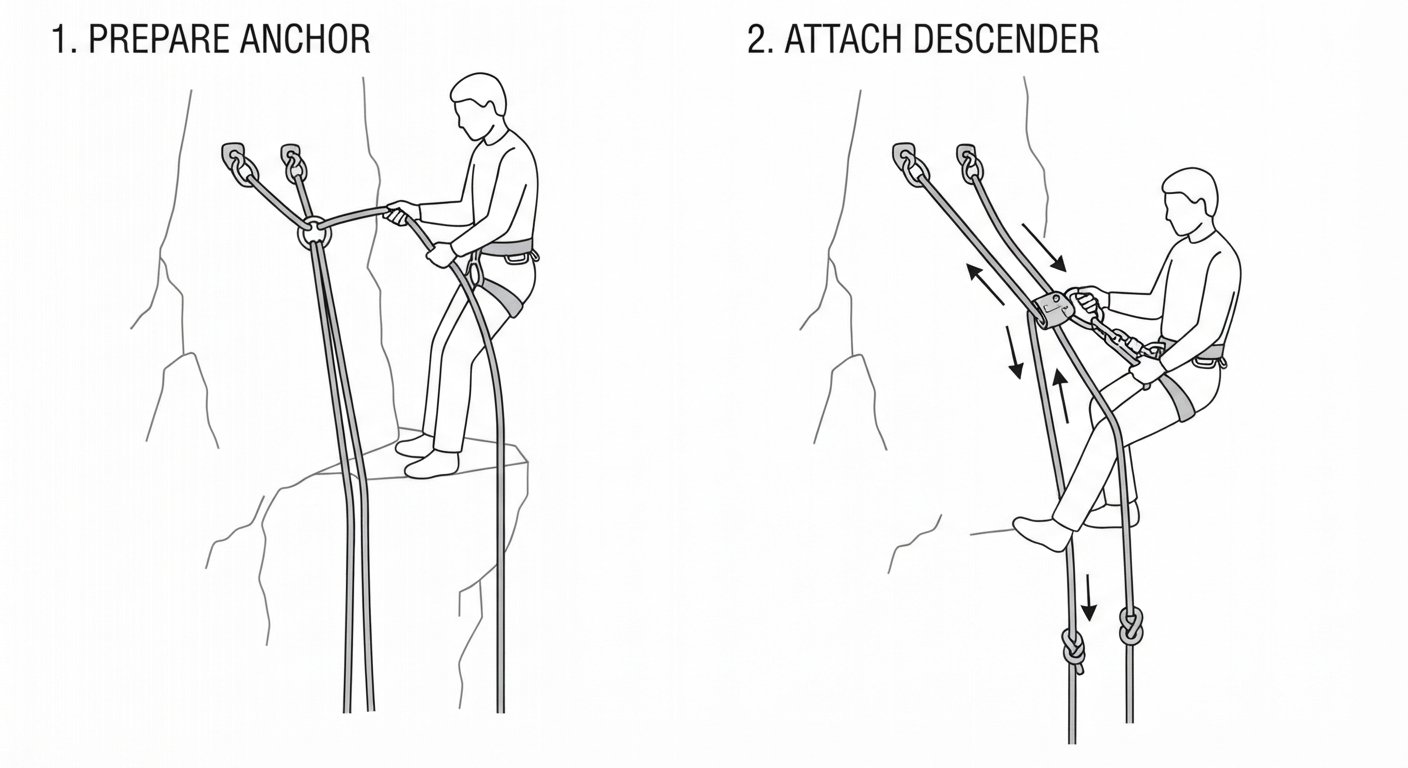 Installing ropes for a descent
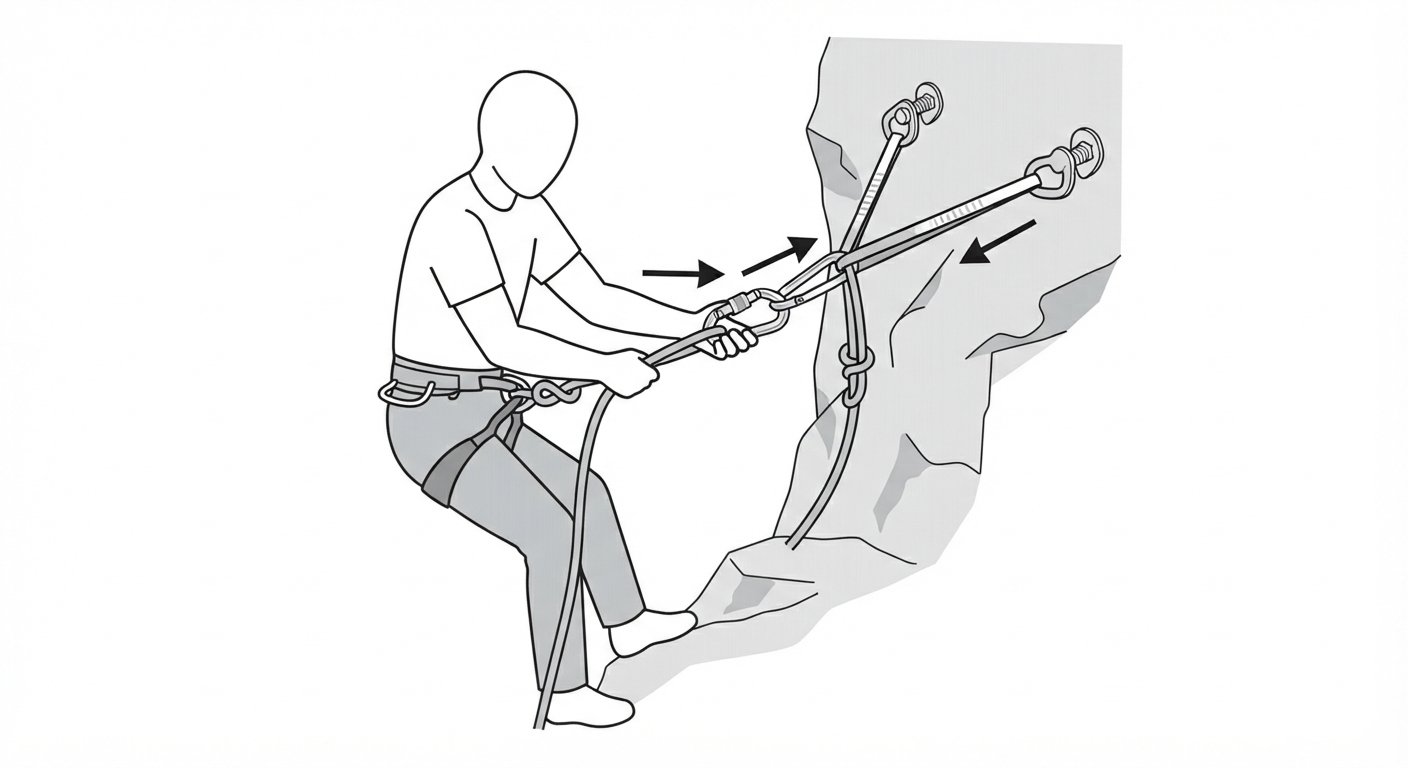 Attaching a rope to the anchor
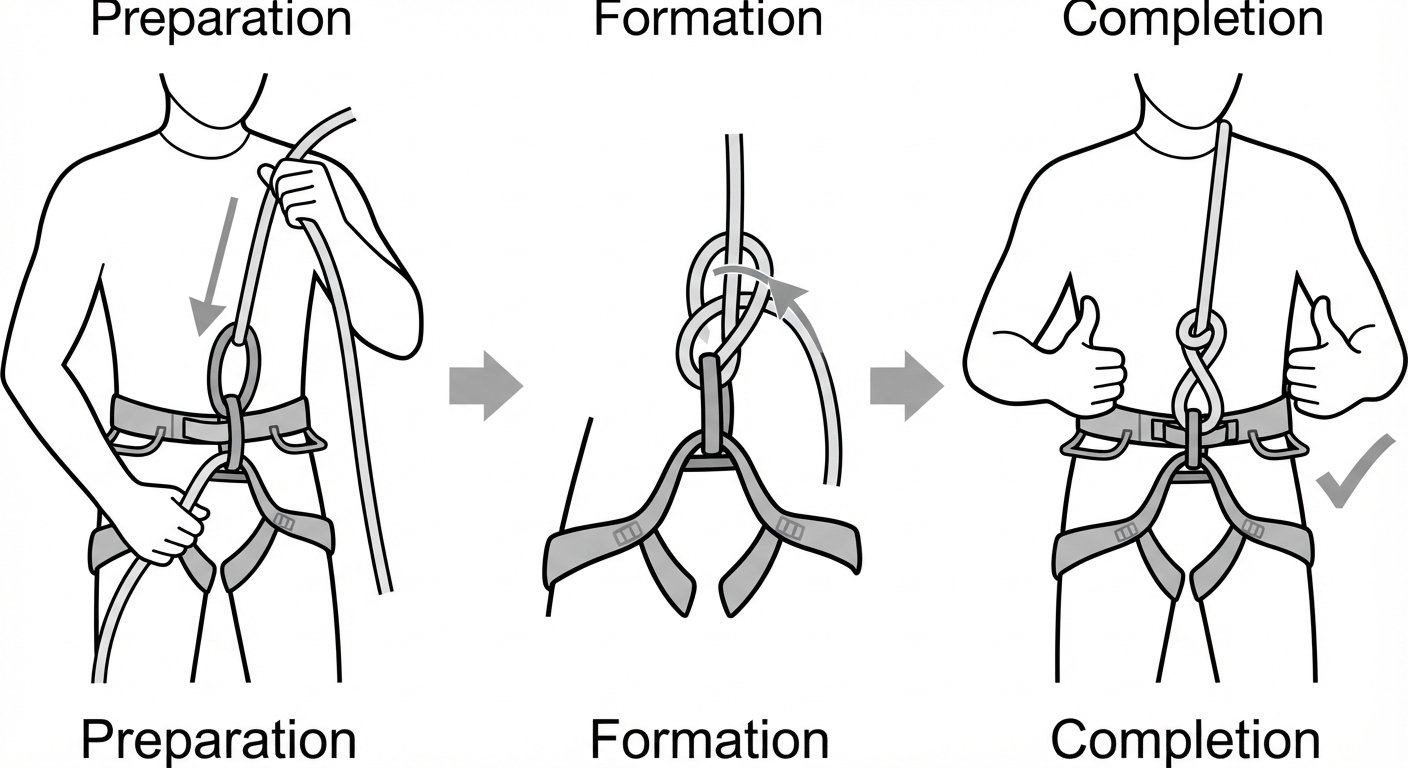 Attaching a rope to the harness
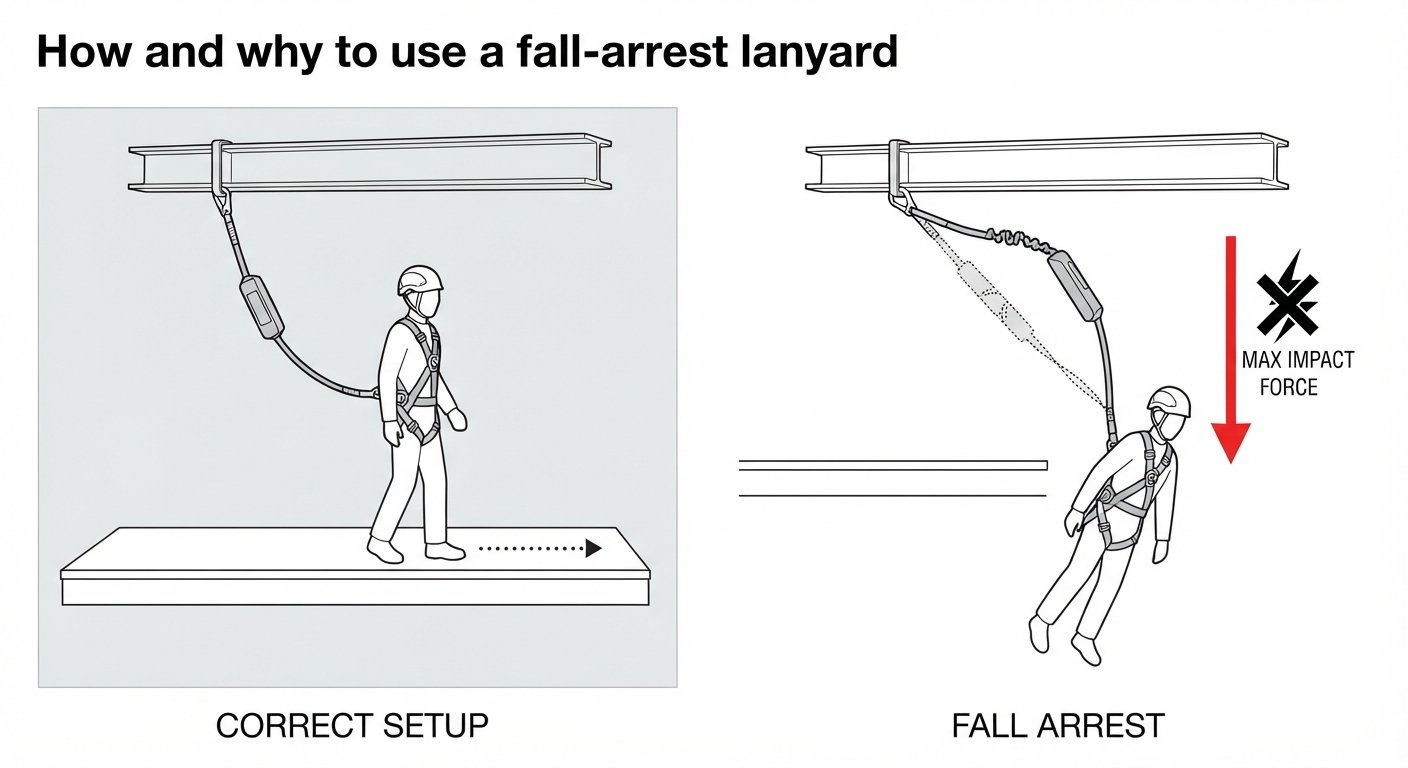 How and why to use a fall-arrest lanyard
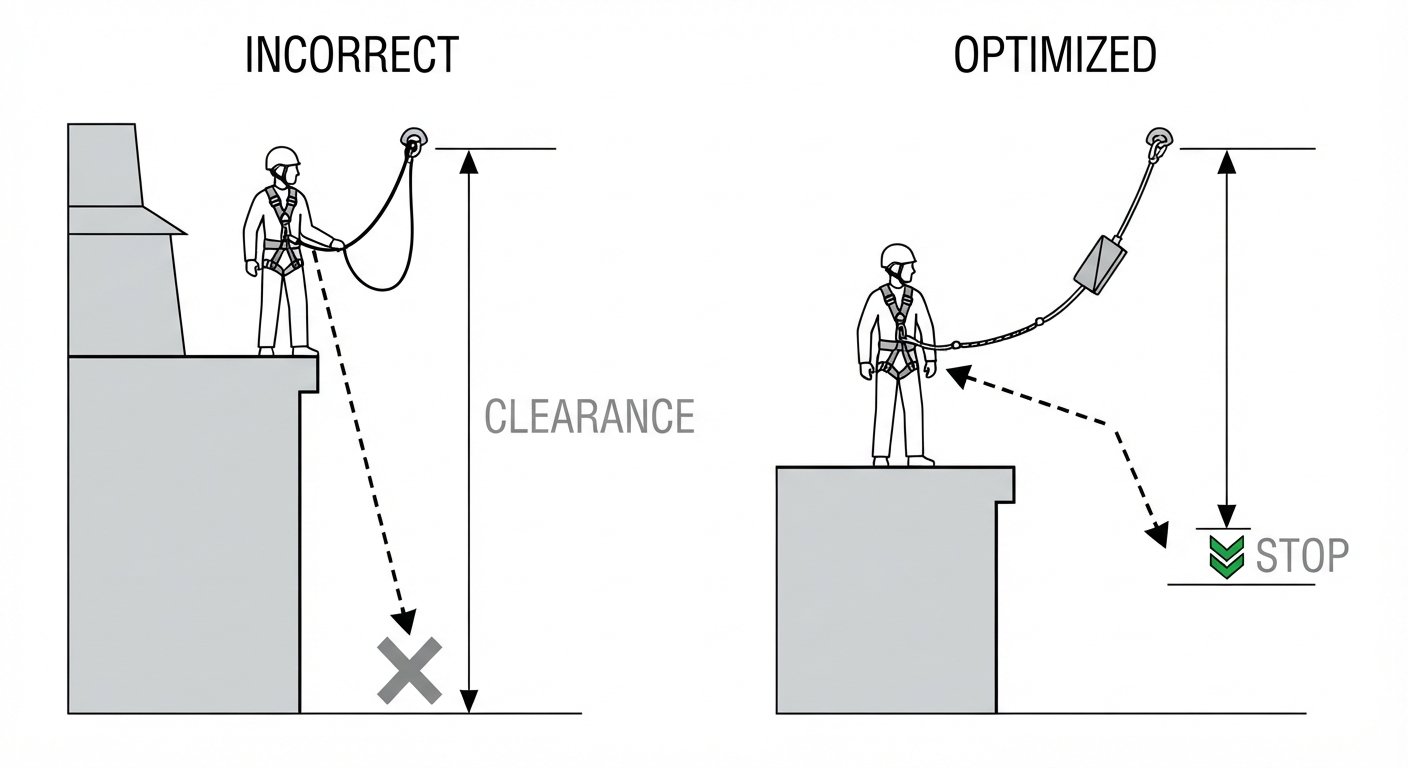 Understanding and optimising fall clearance
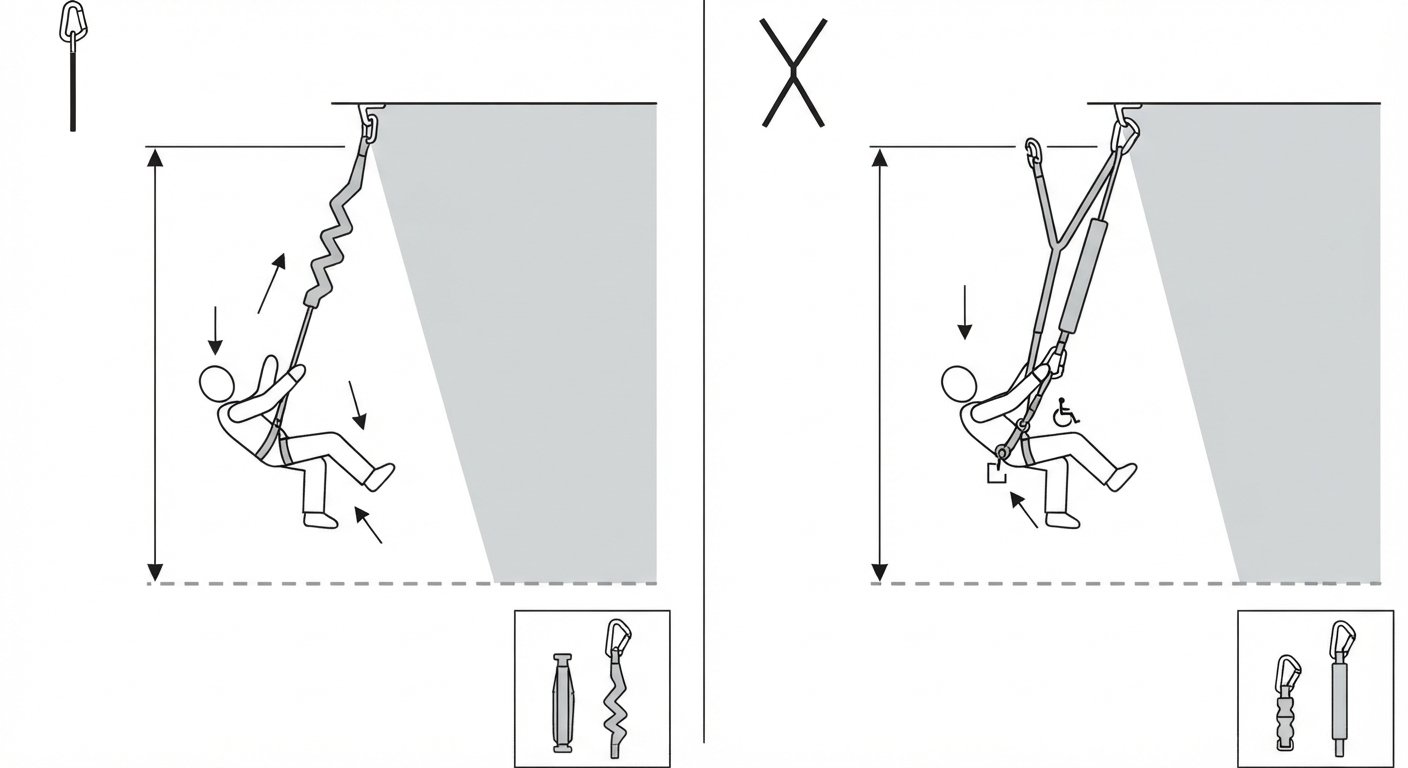 Clearance values for I and Y absorbers
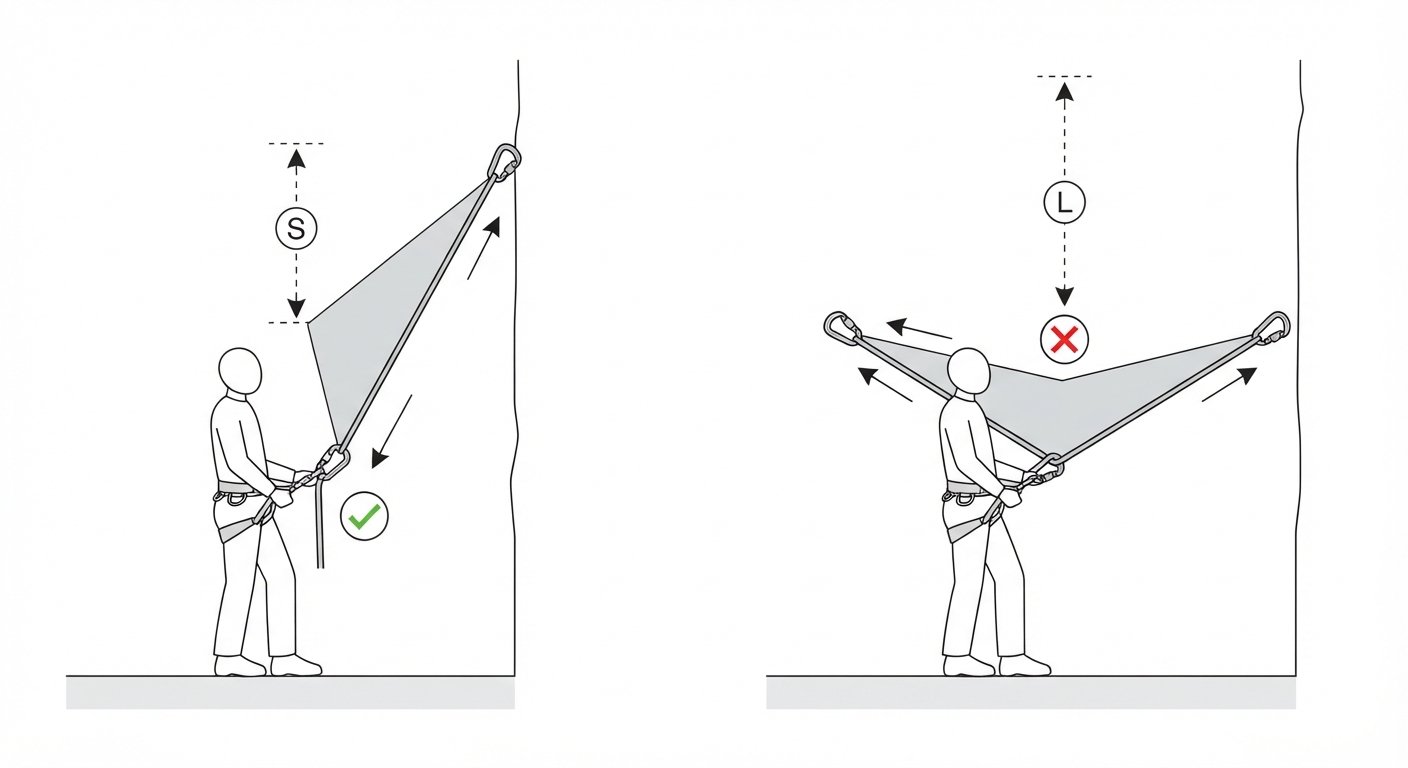 Oblique anchors and fall distance
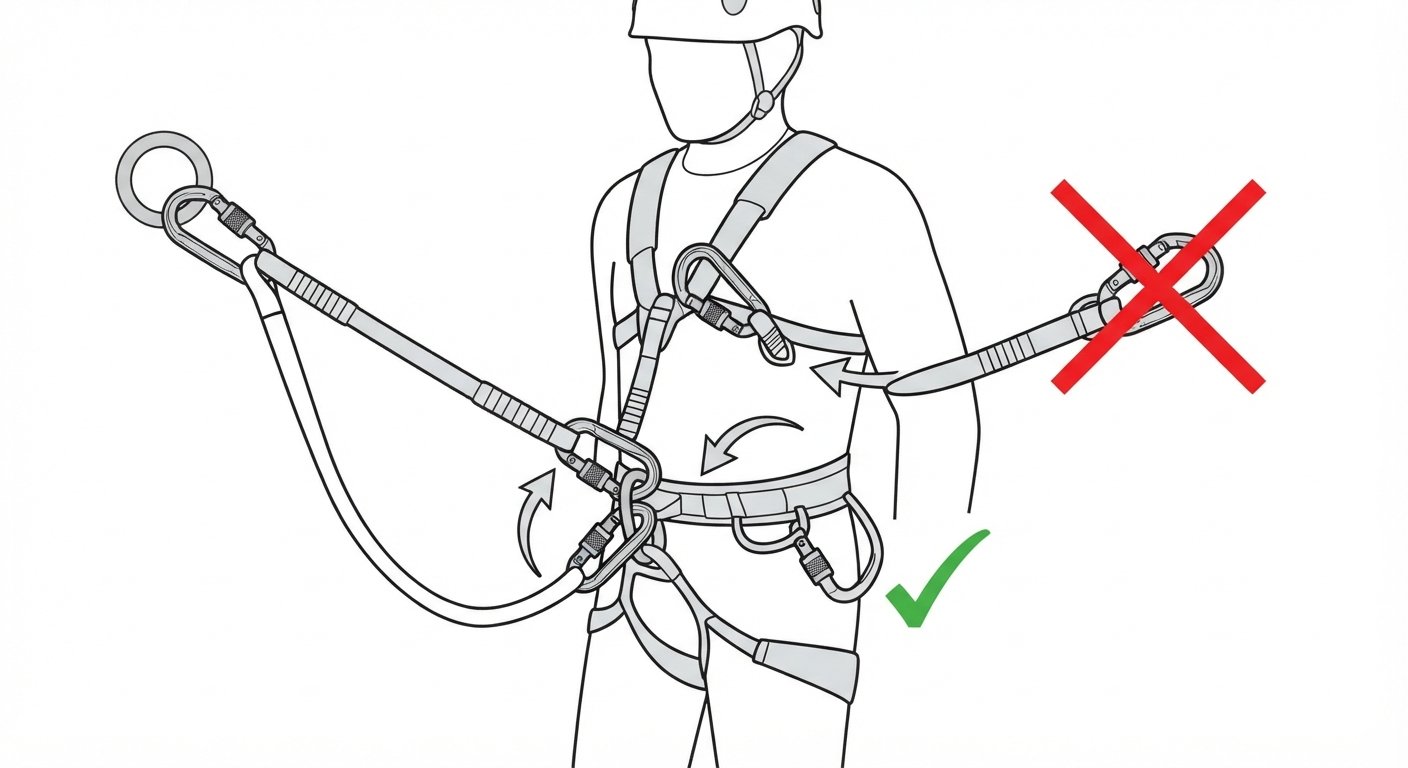 Parking an unused lanyard arm safely
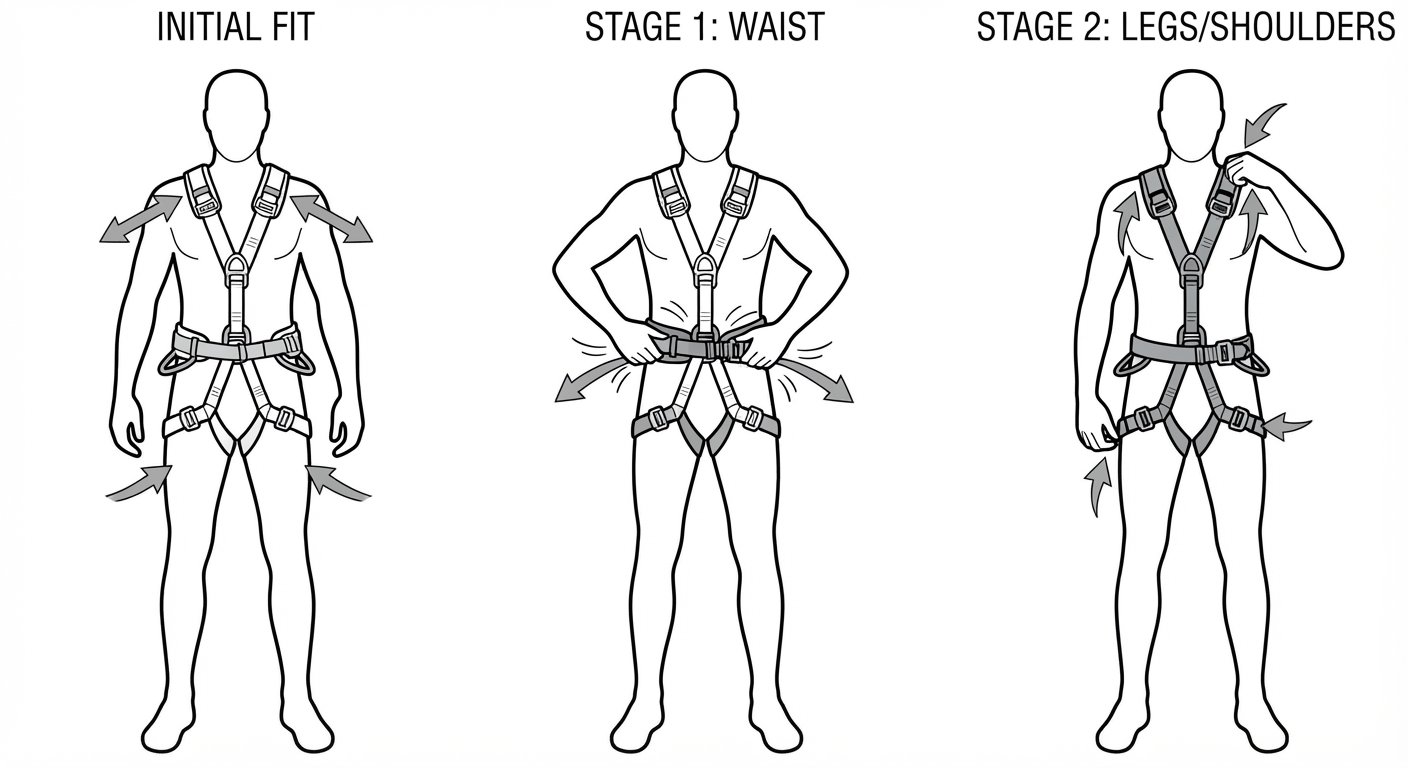 Adjusting a full-body harness correctly
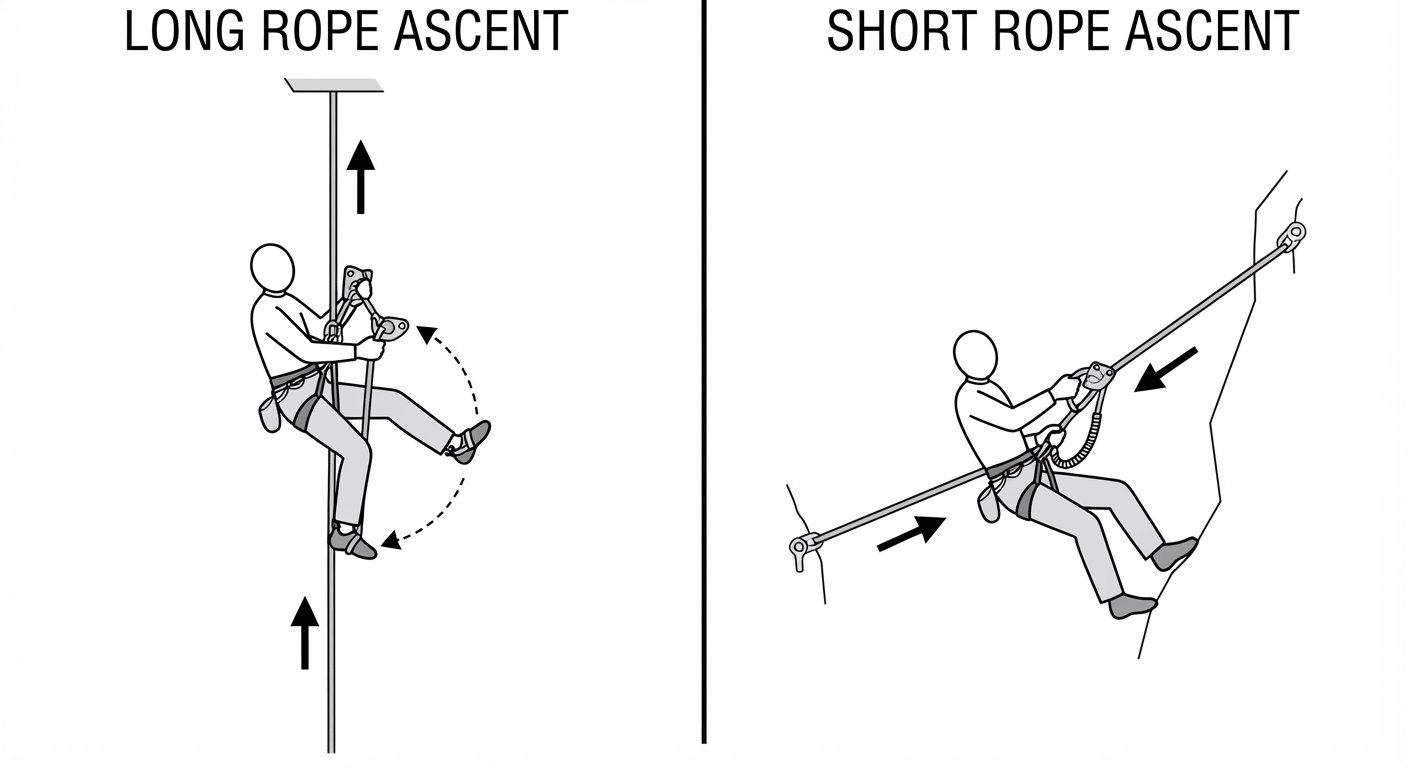 Long or short rope ascent
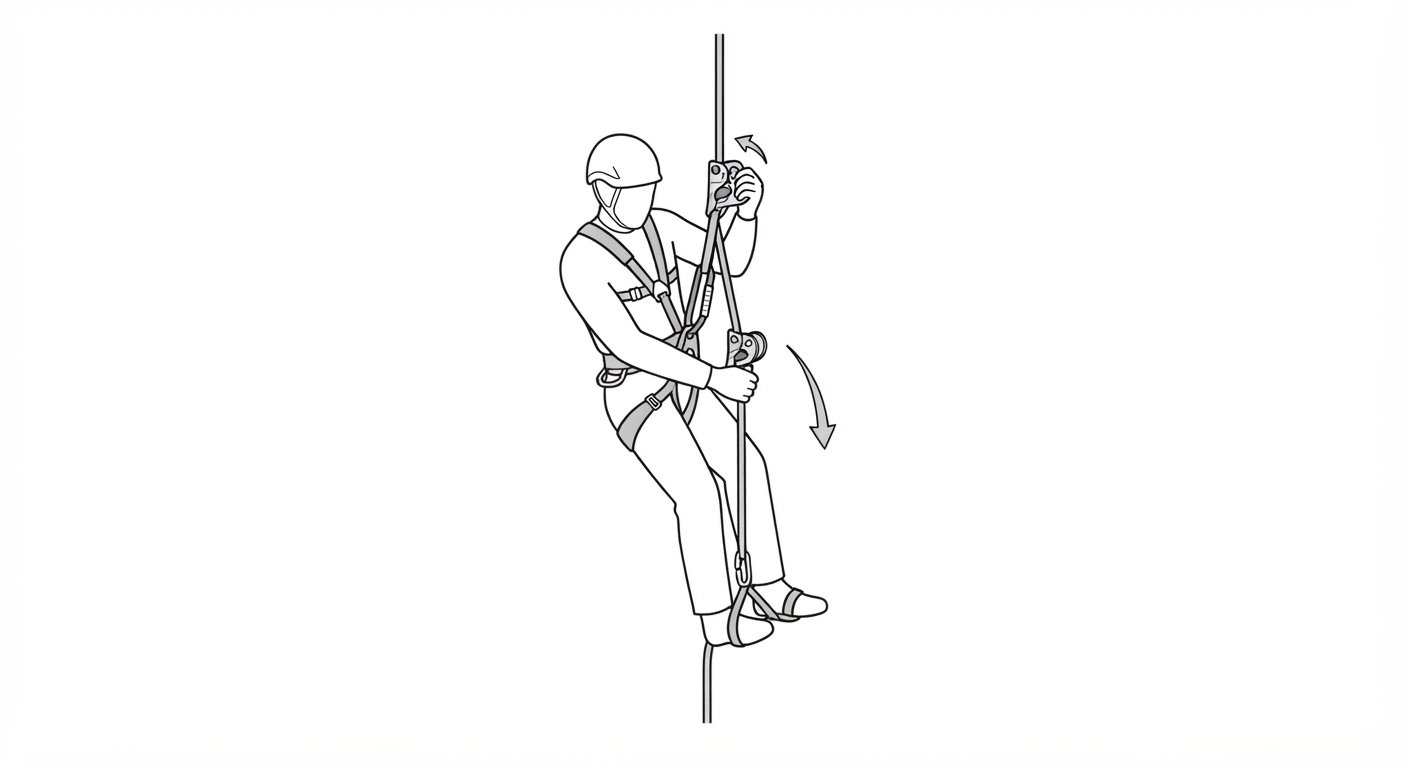 Short down-climb on ascenders
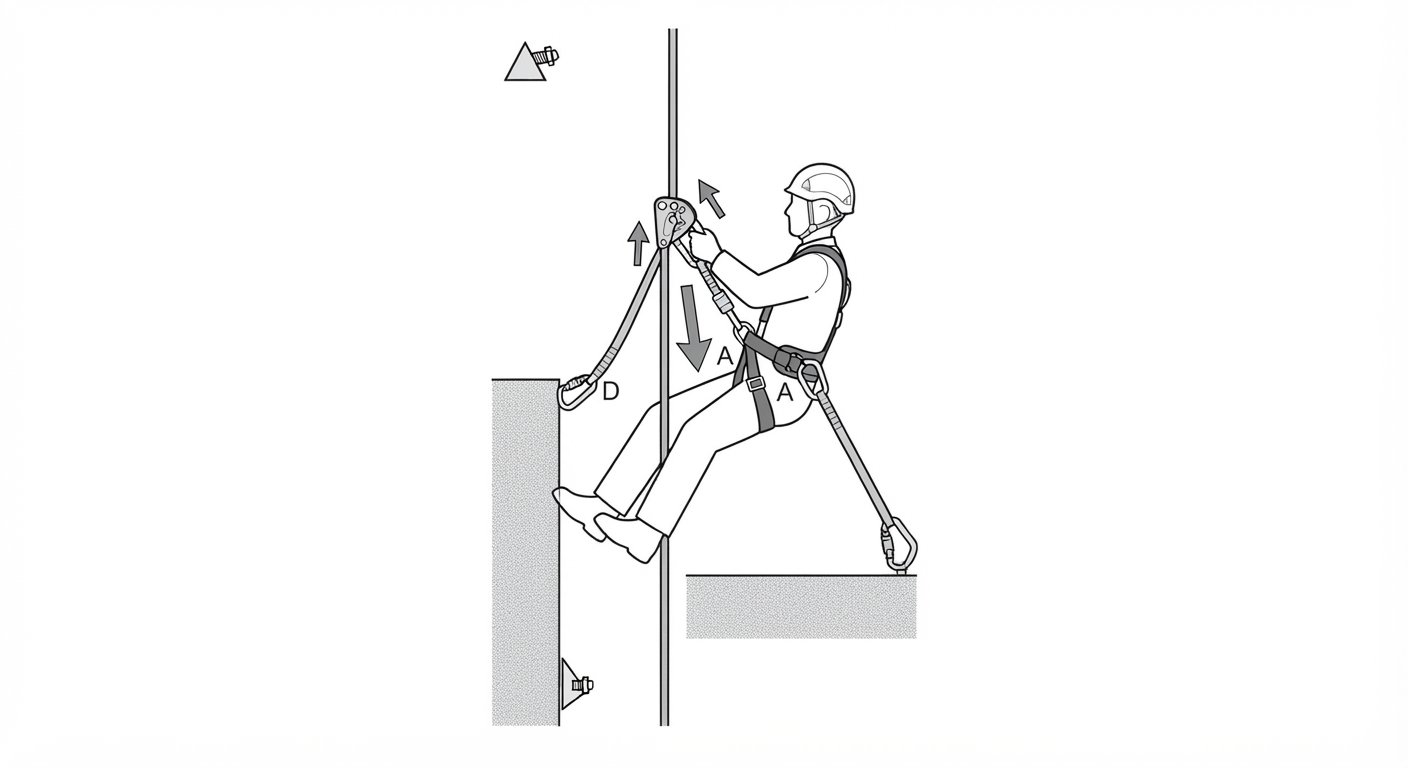 Work positioning with a rope grab
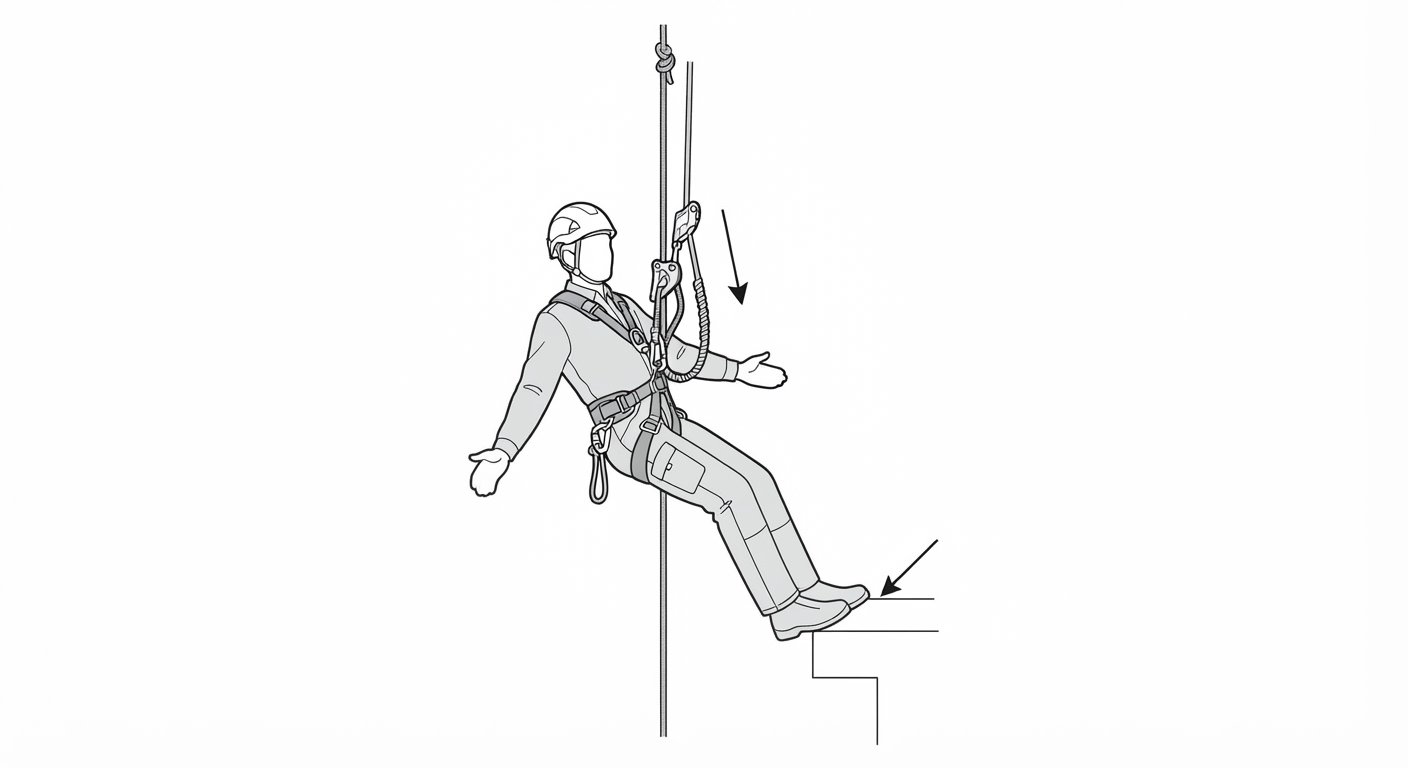 Work positioning, hands-free position new
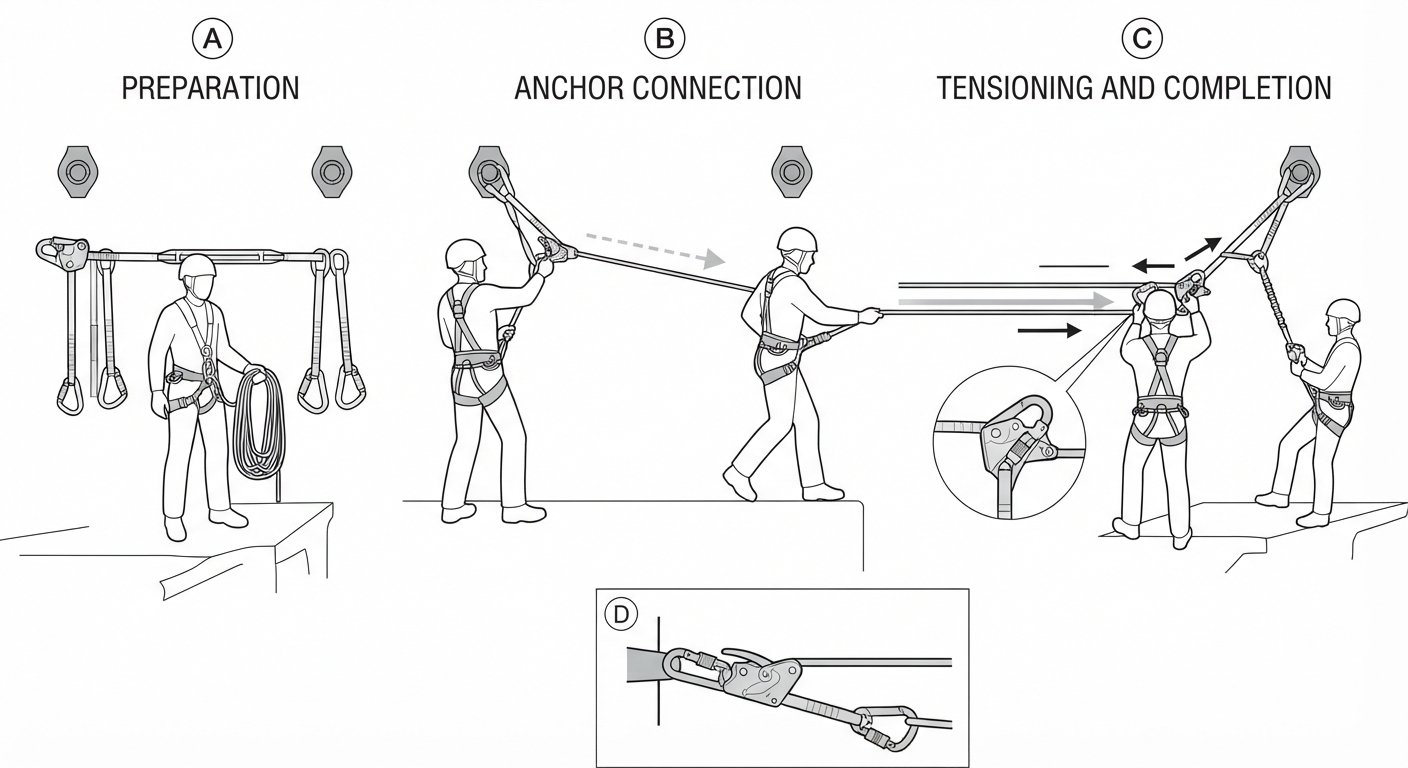 Installing a horizontal life-line
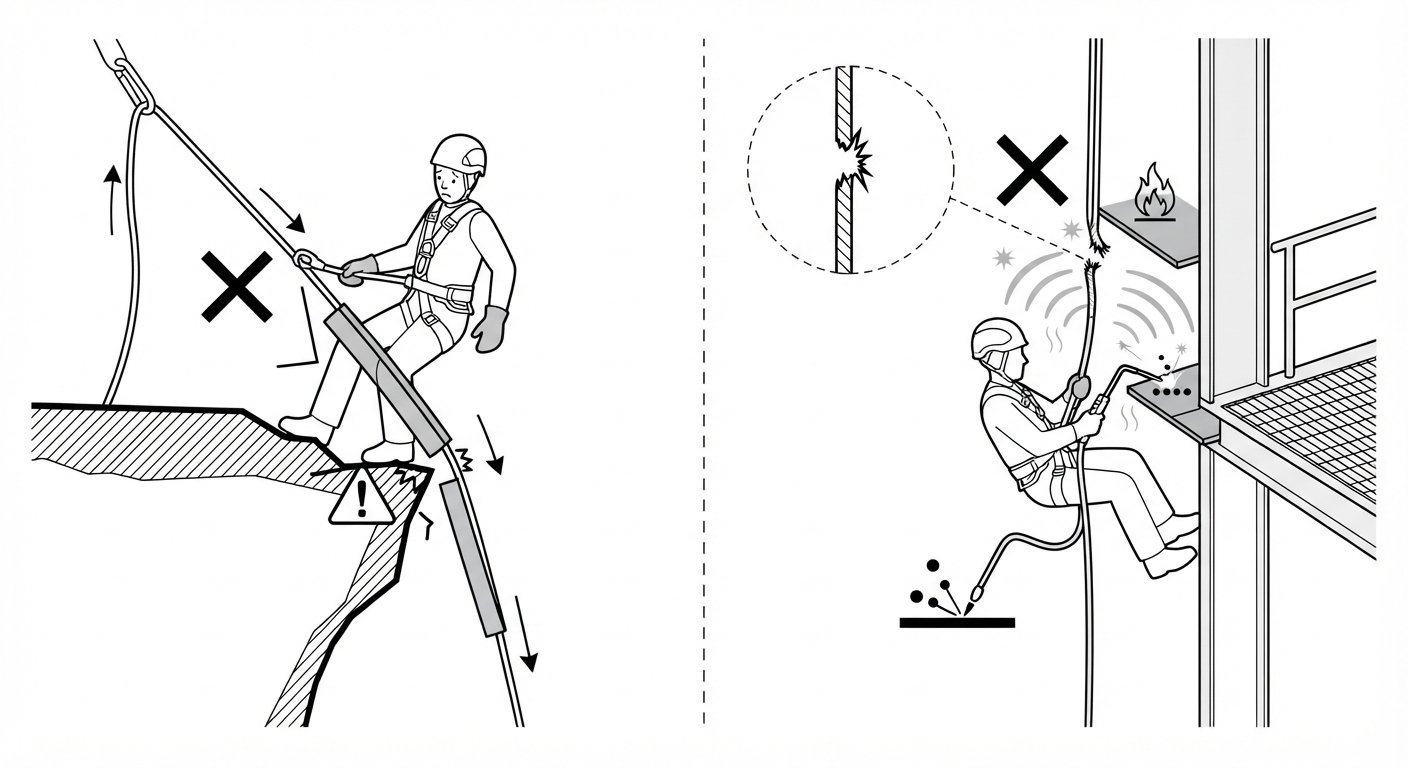 Working near sharp edges and hot work
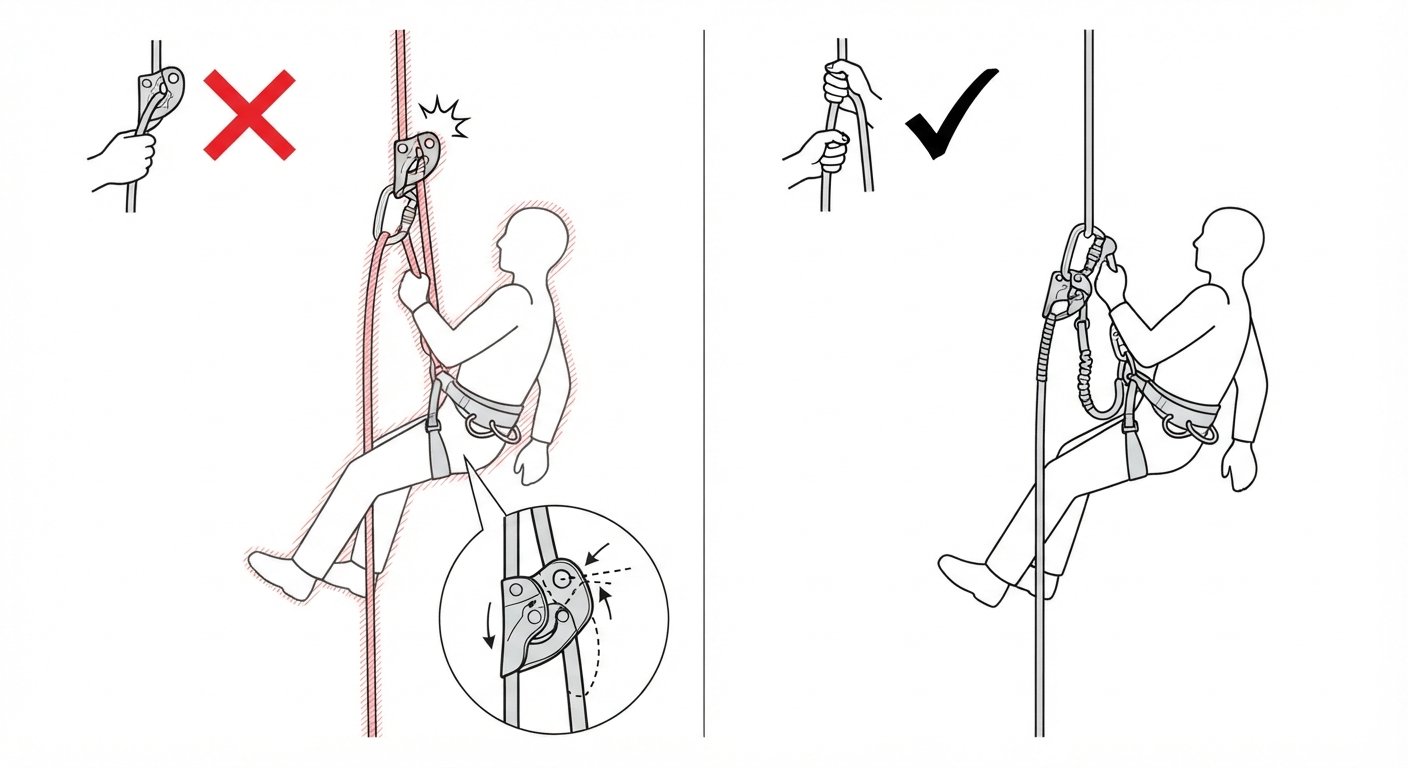 Using a single rope clamp: why not?
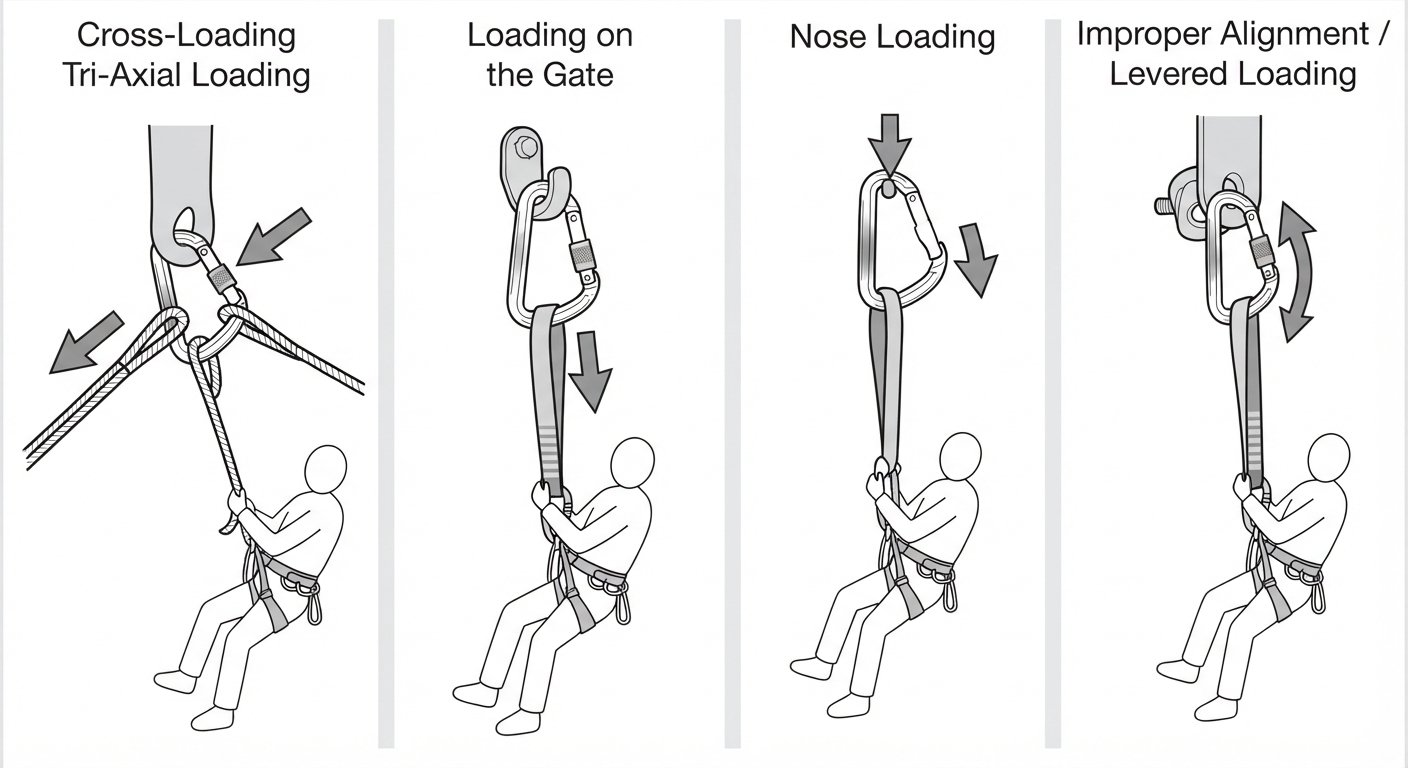 Examples of dangerous connector loading
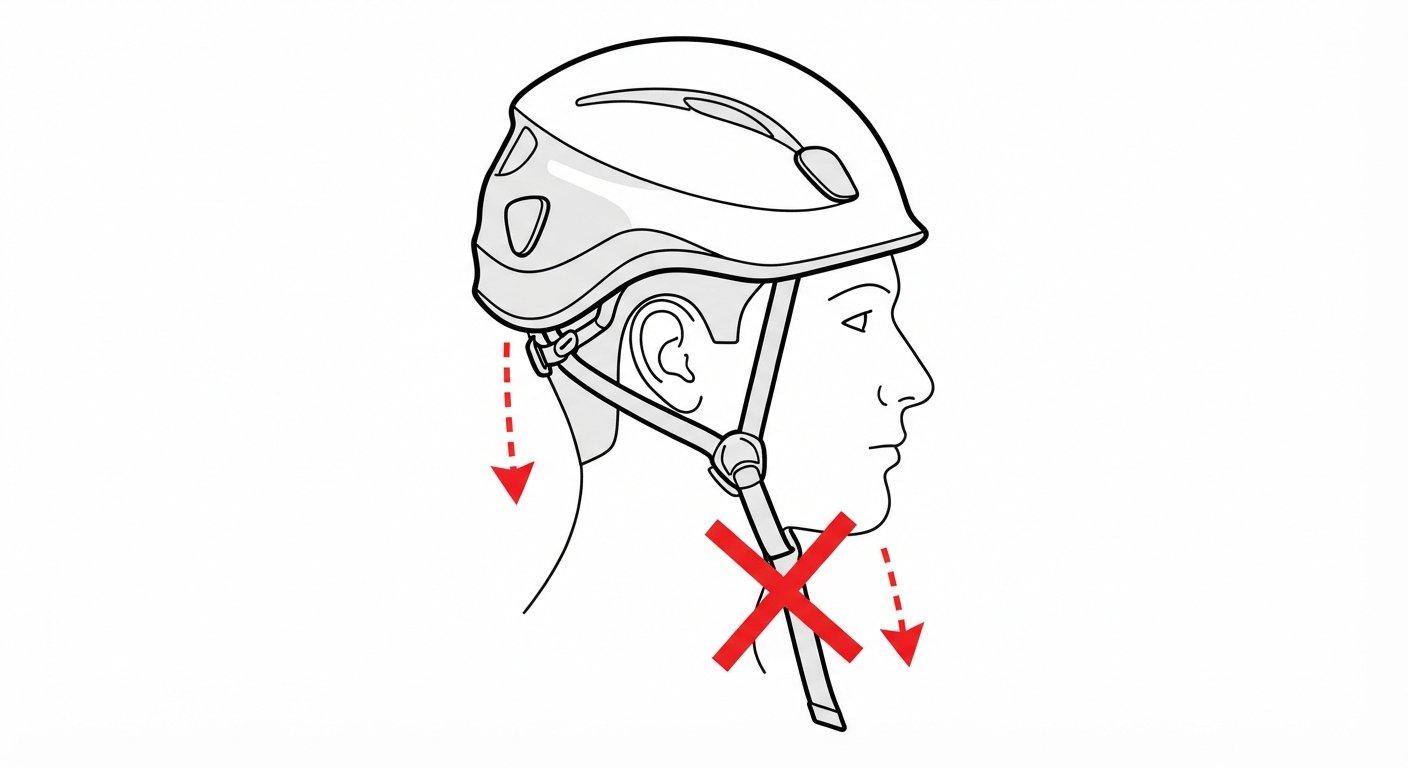 Wearing a helmet without the chinstrap
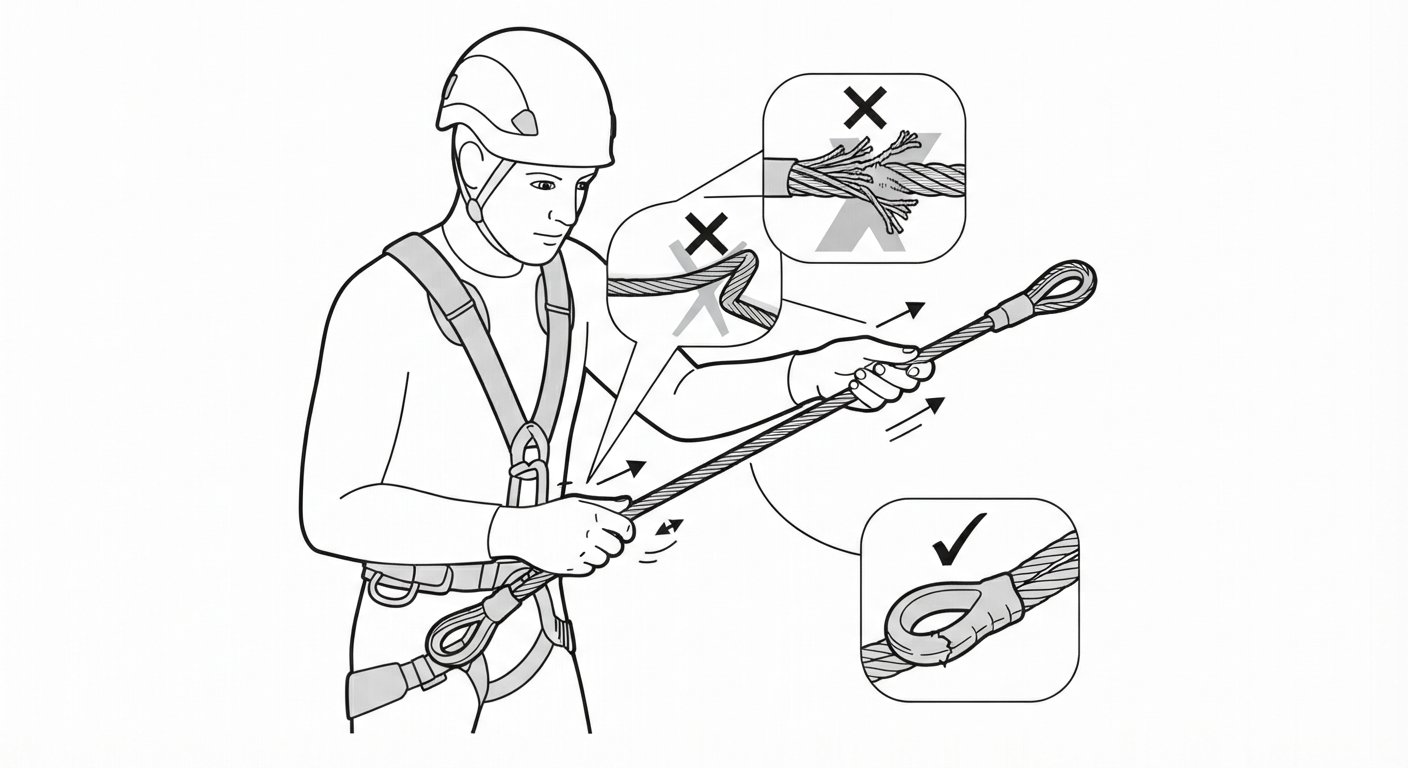 Video: inspecting a wire strop before use
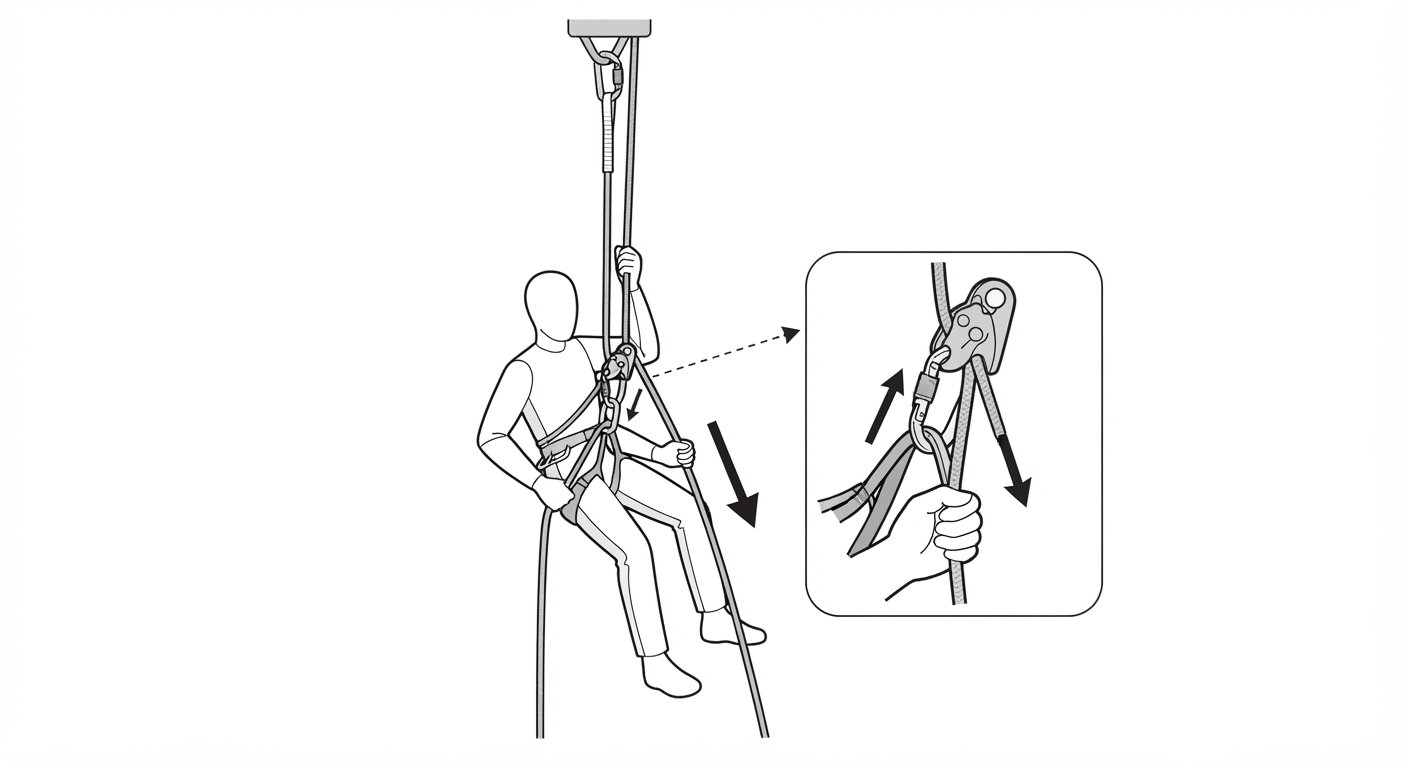 Descending with additional braking
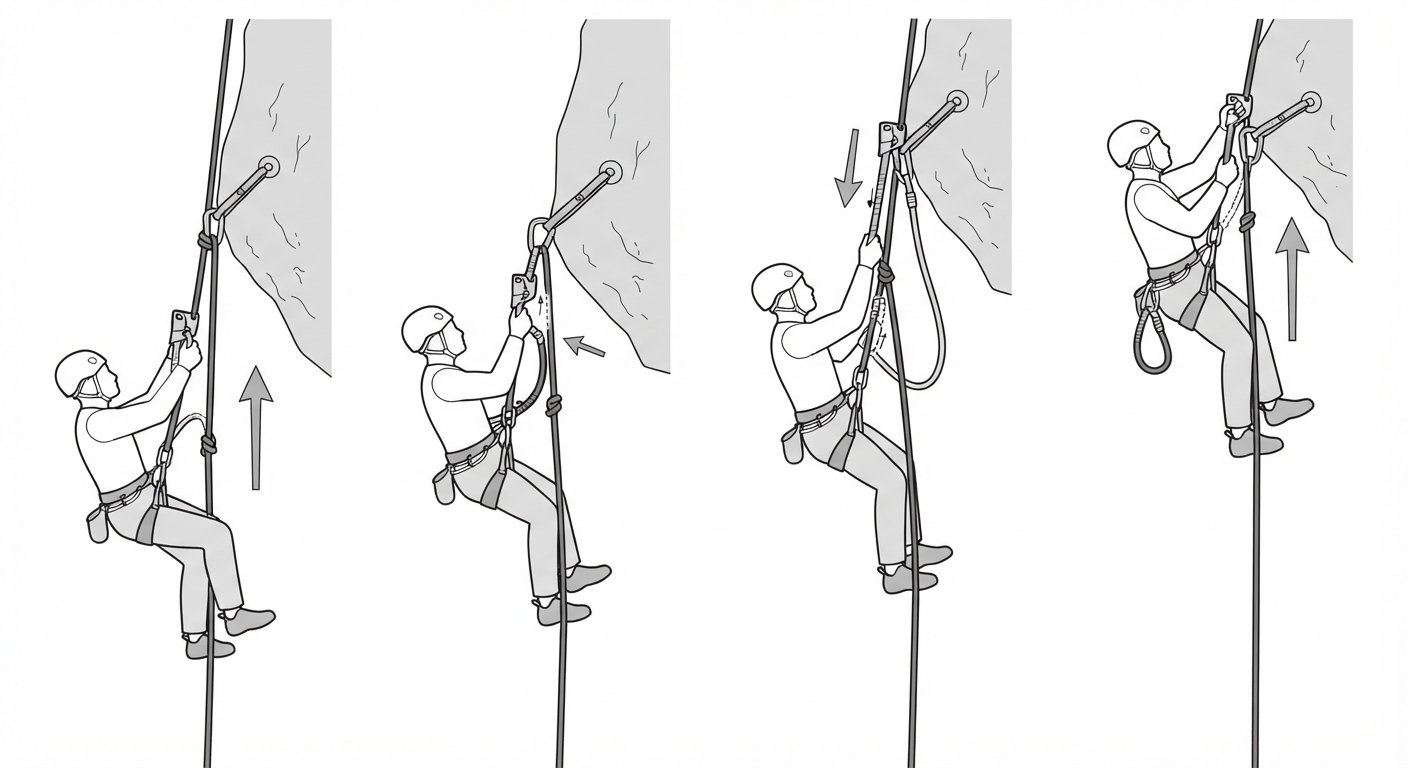 Passing a re-belay on ascent
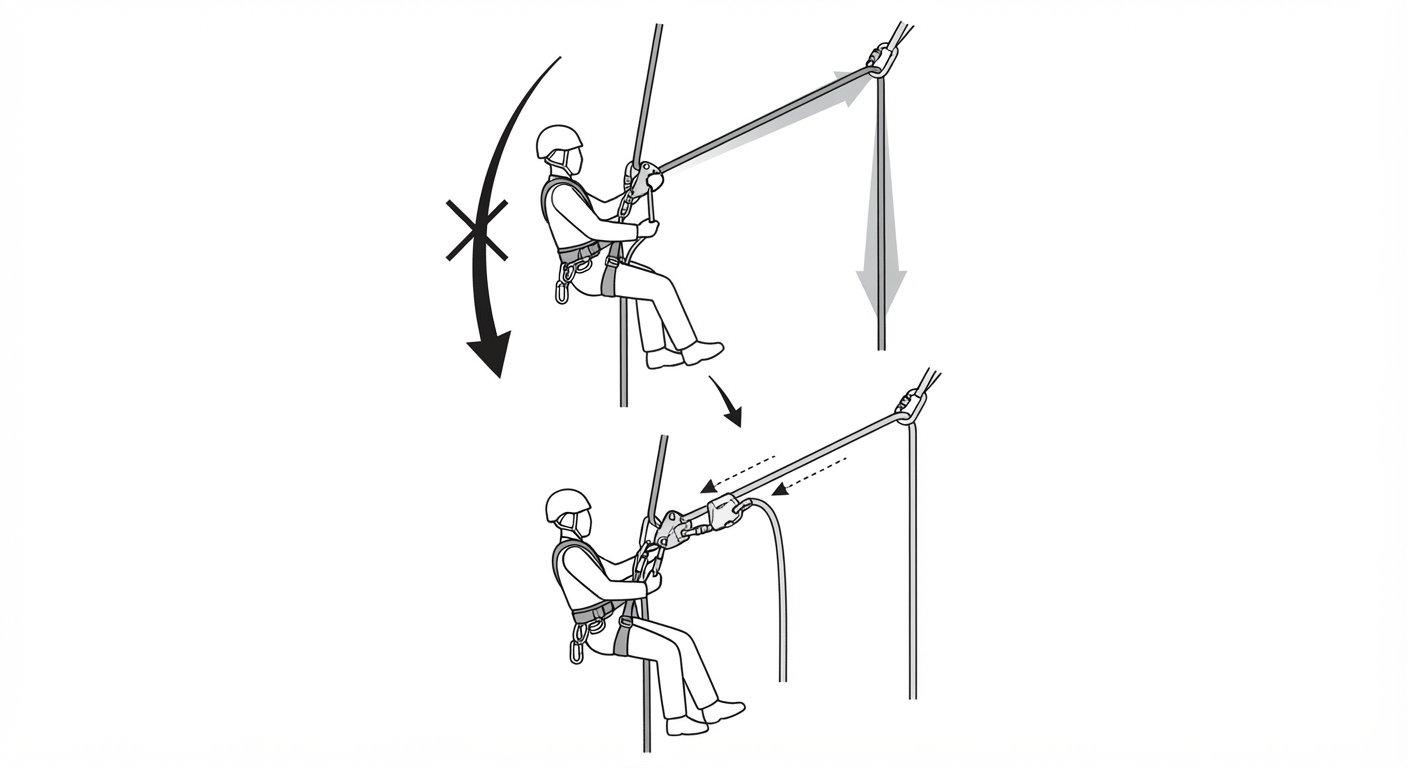 Limiting rope stretch with two descenders
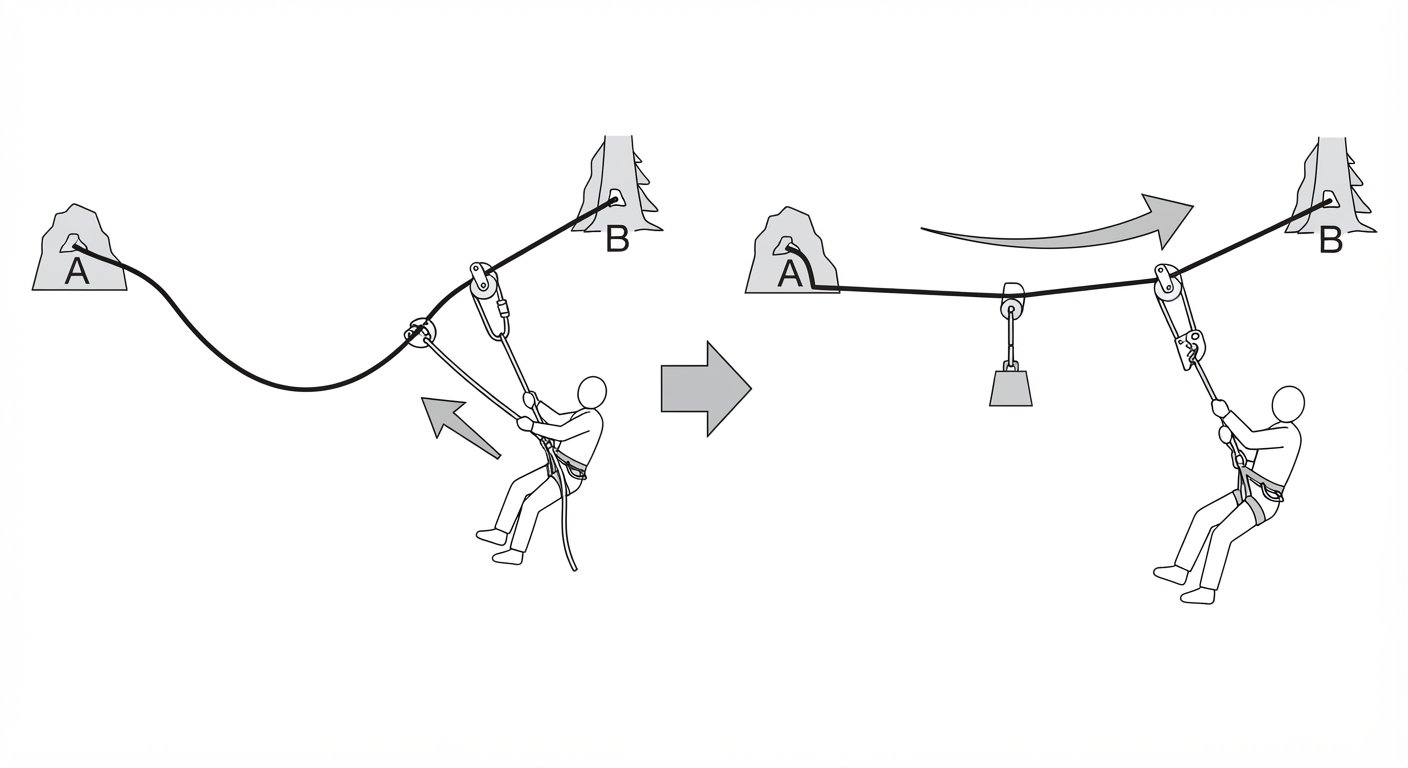 Tensioning a tyrolean
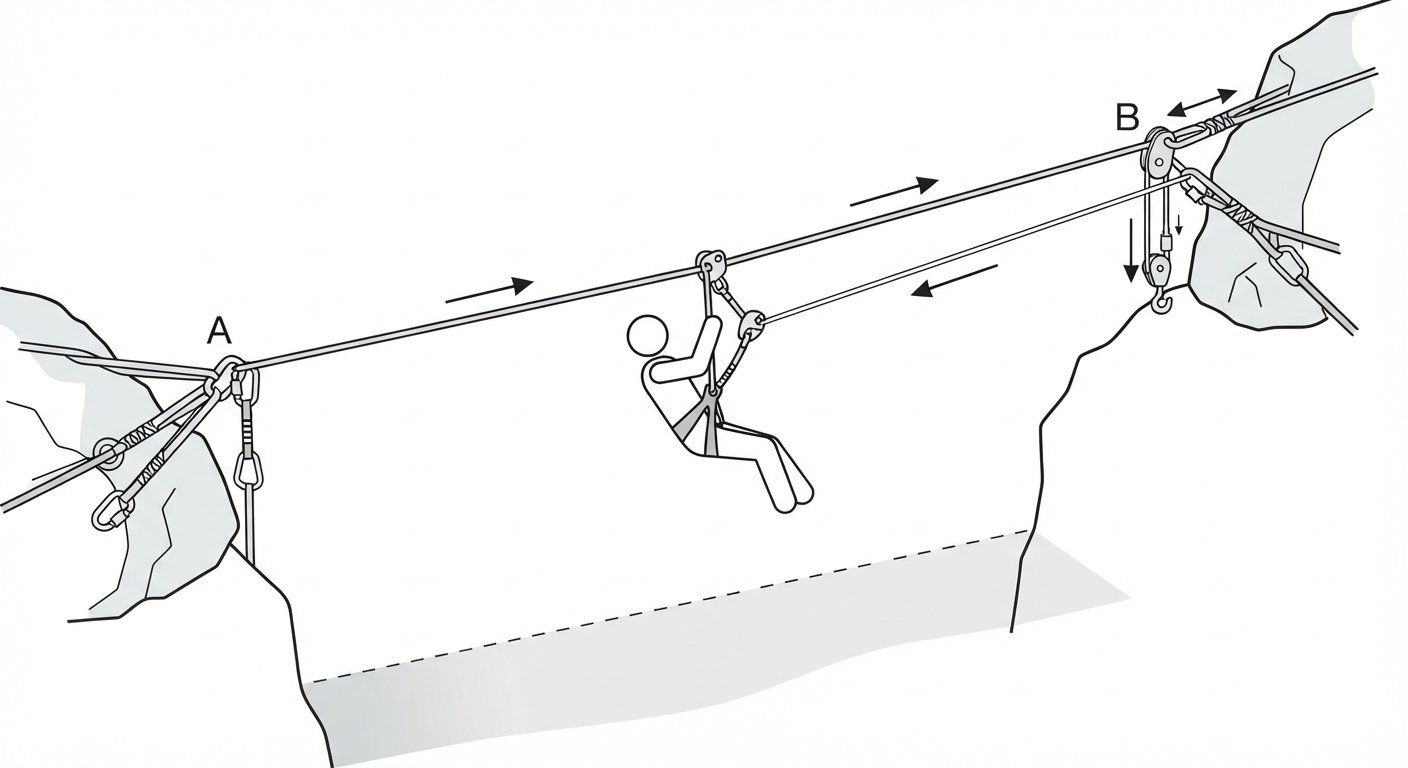 Tyrolean traverse on rope
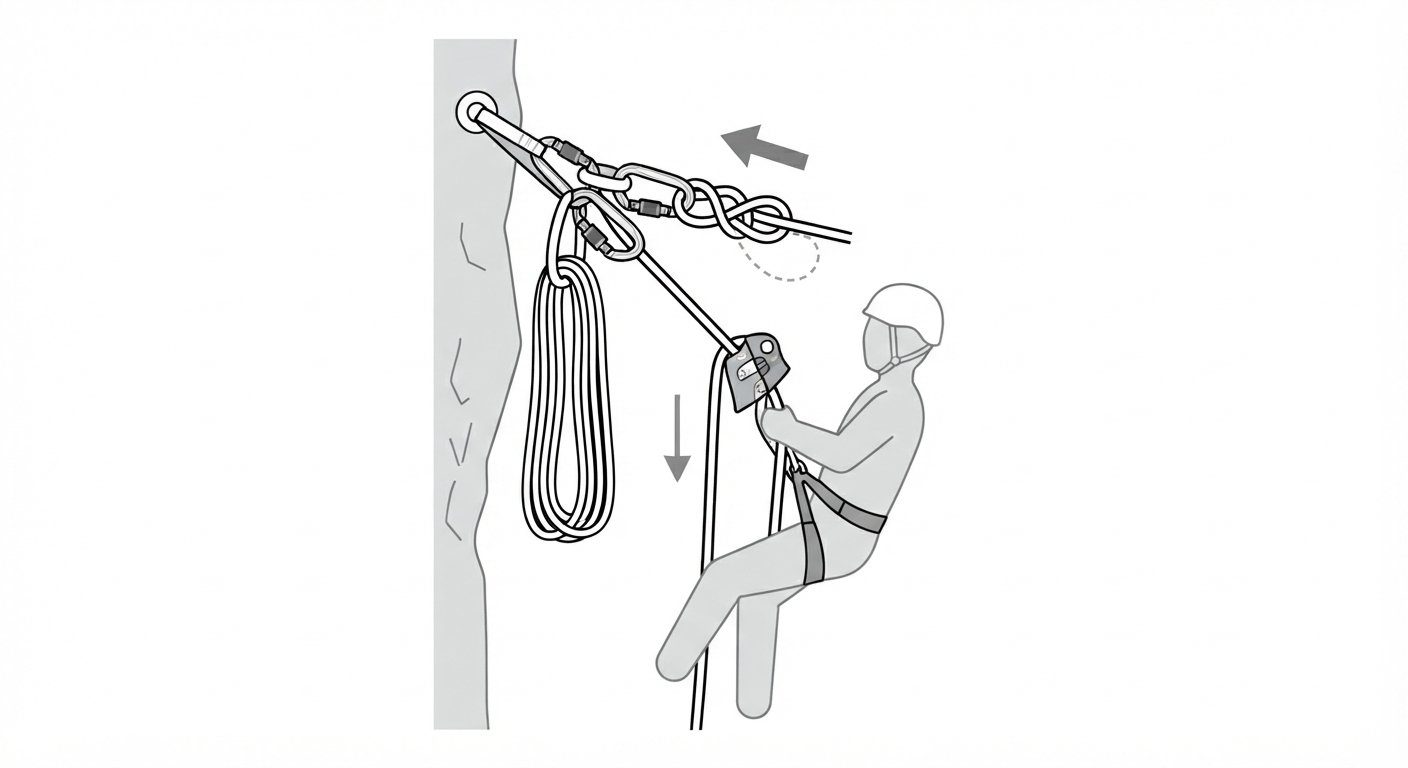 Releasable anchor with a descender
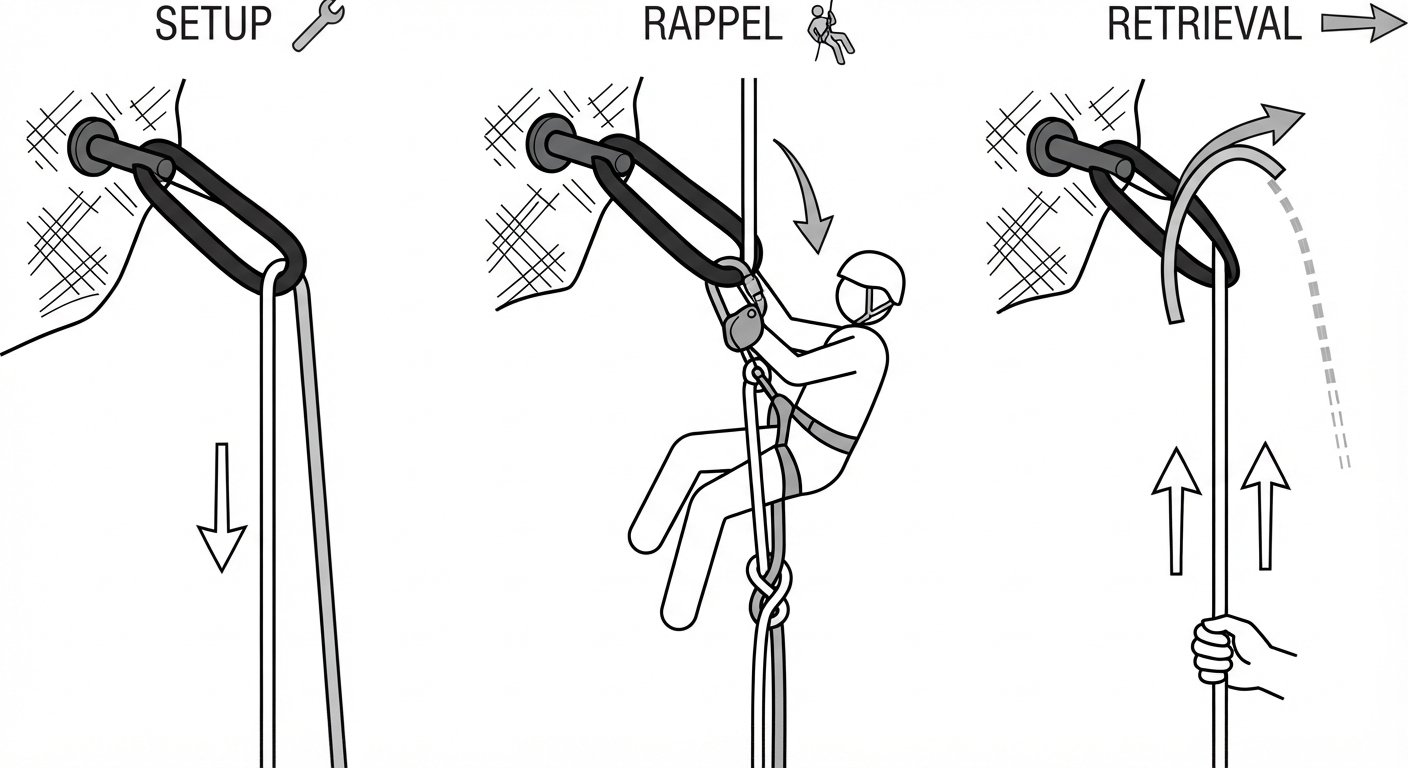 Rigging a retrievable rope
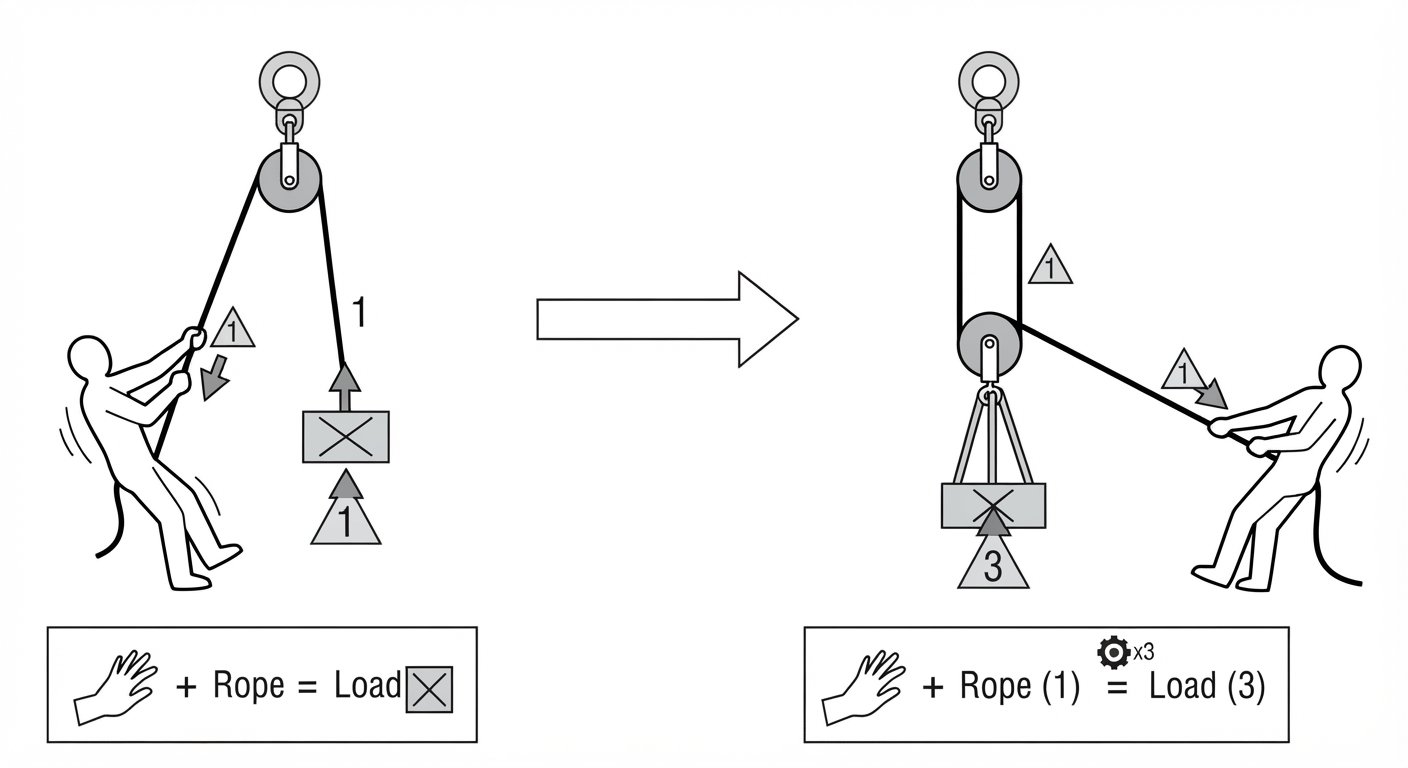 How to calculate mechanical advantage
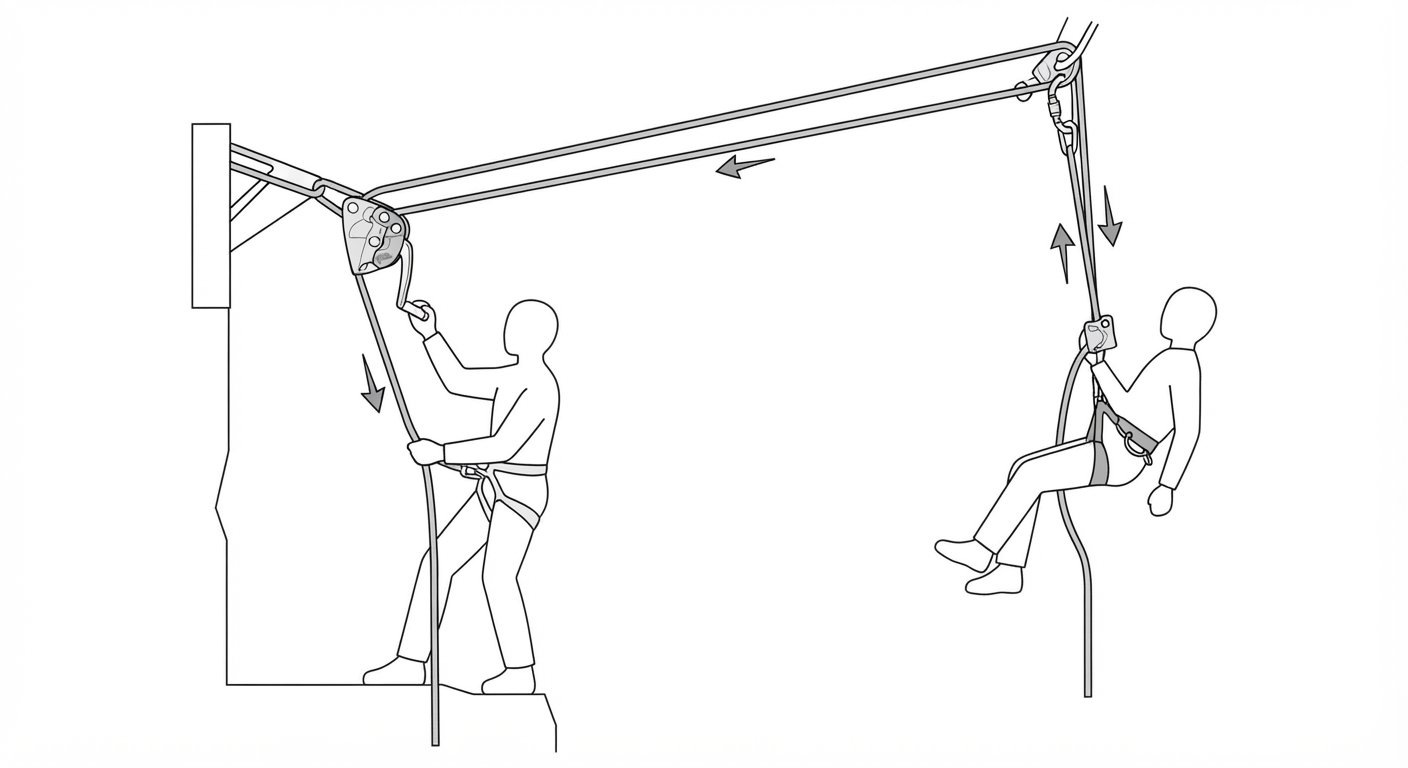 Belaying with a winch-descender
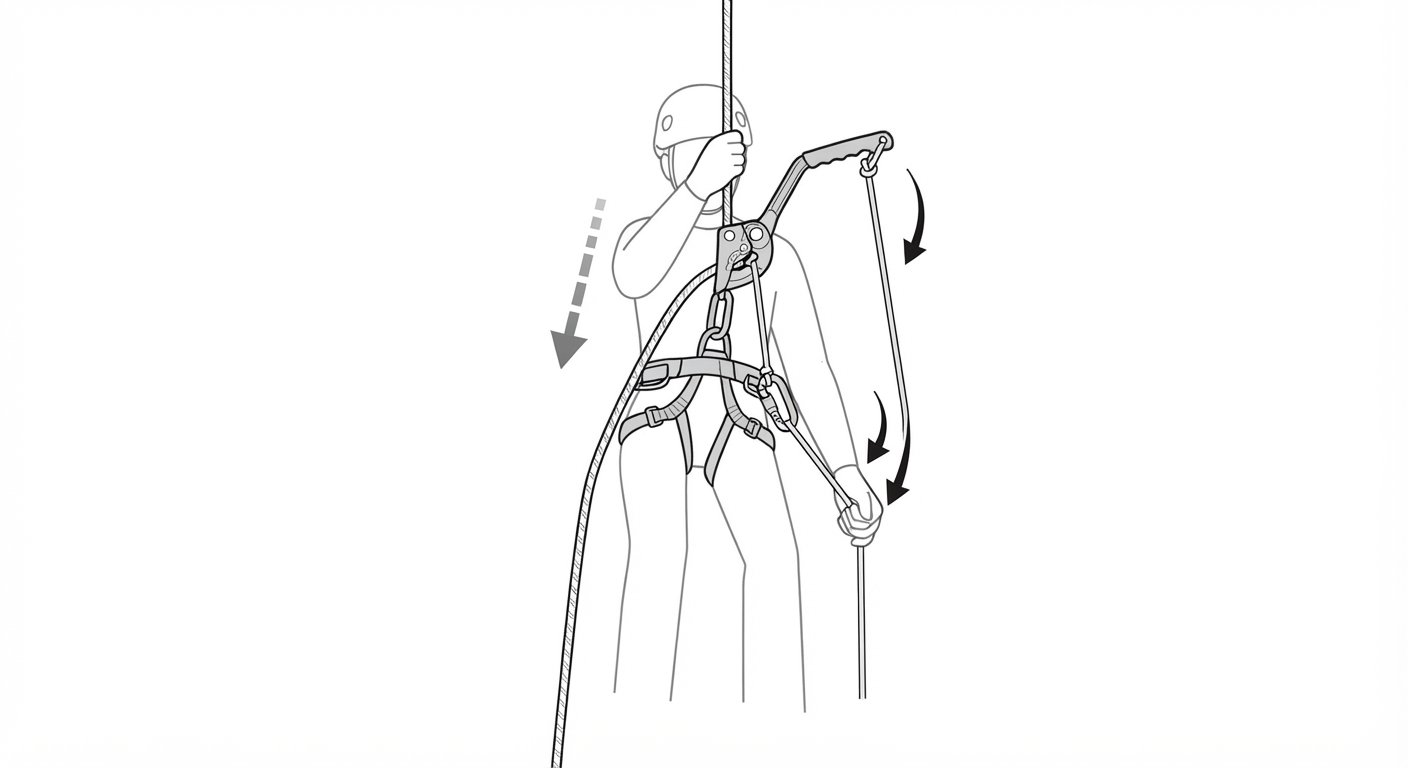 Remote control of a descender handle with a cord
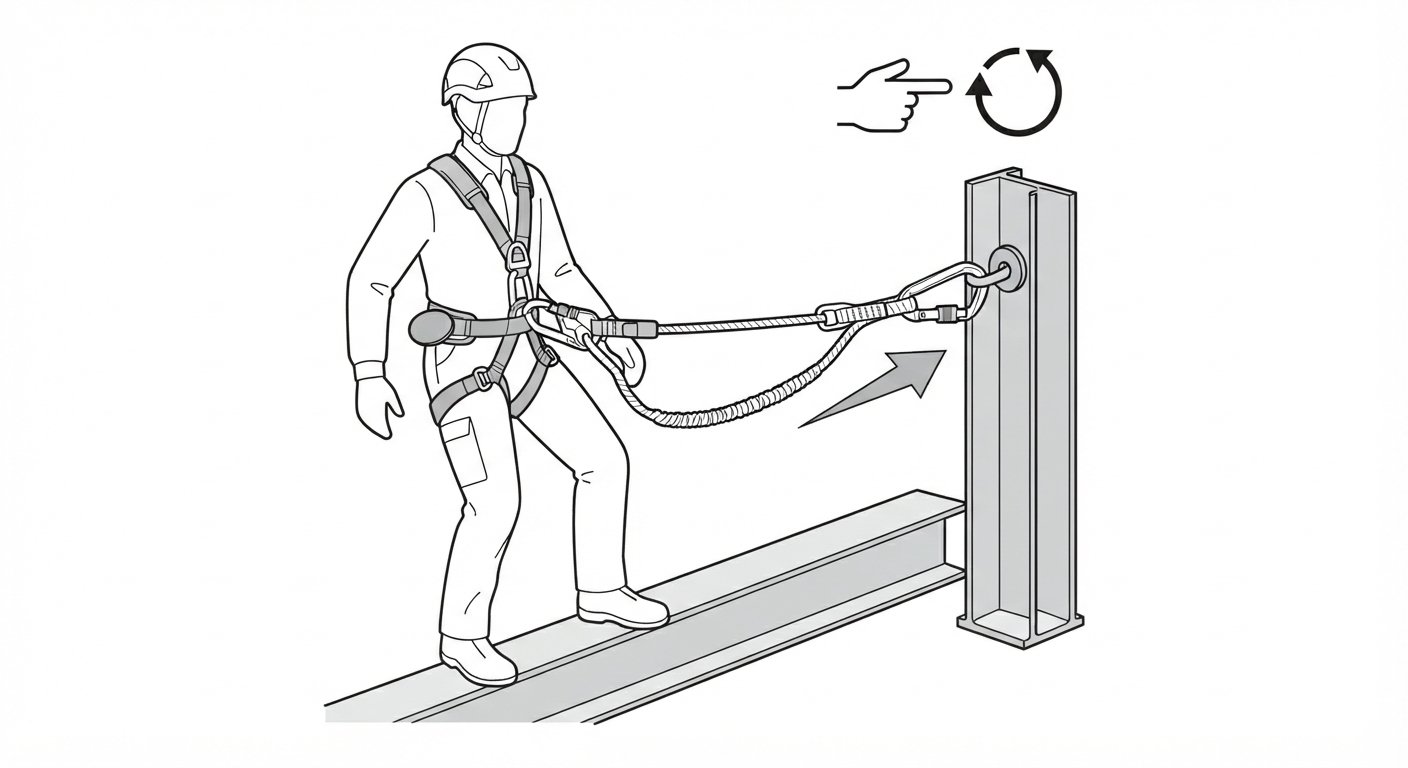 Using a lanyard as a temporary anchor
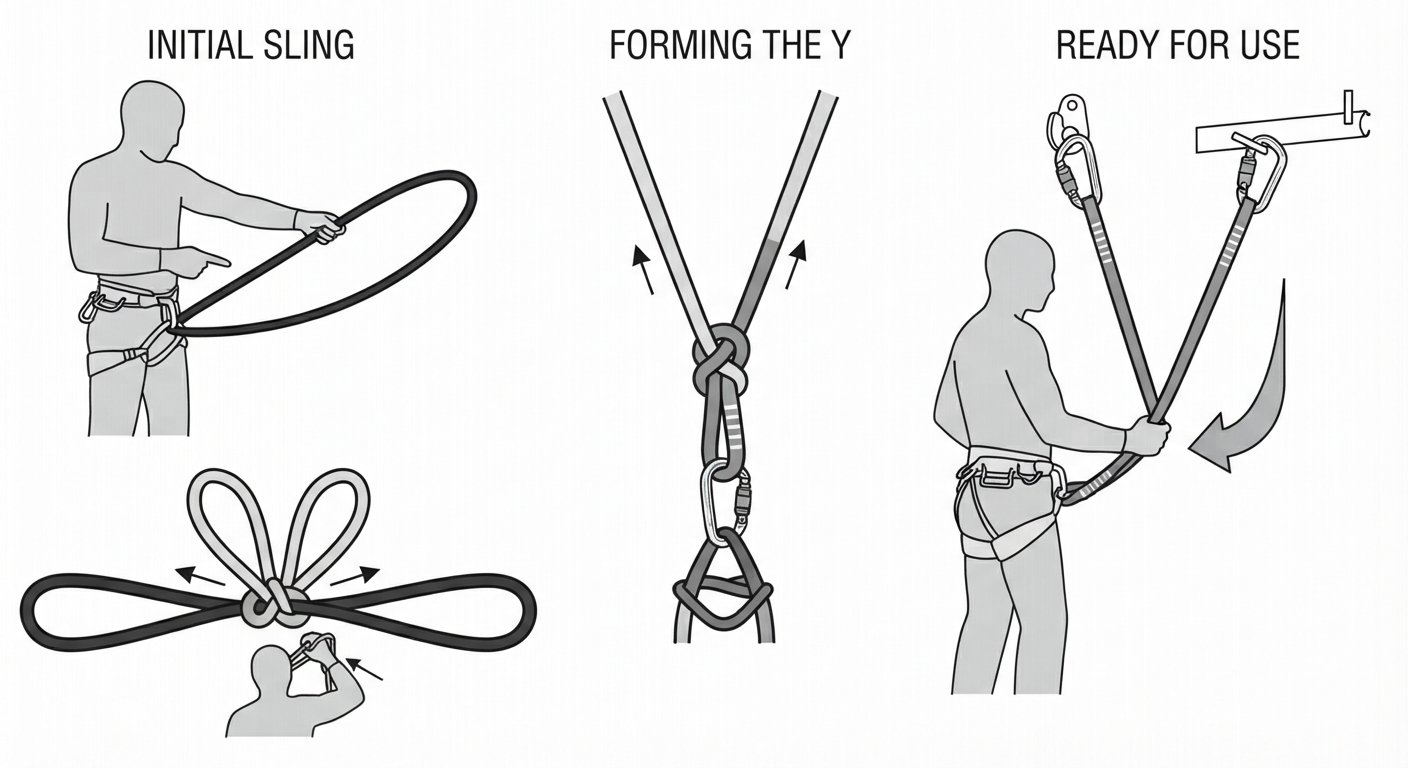 Making a Y-lanyard from a knotted sling
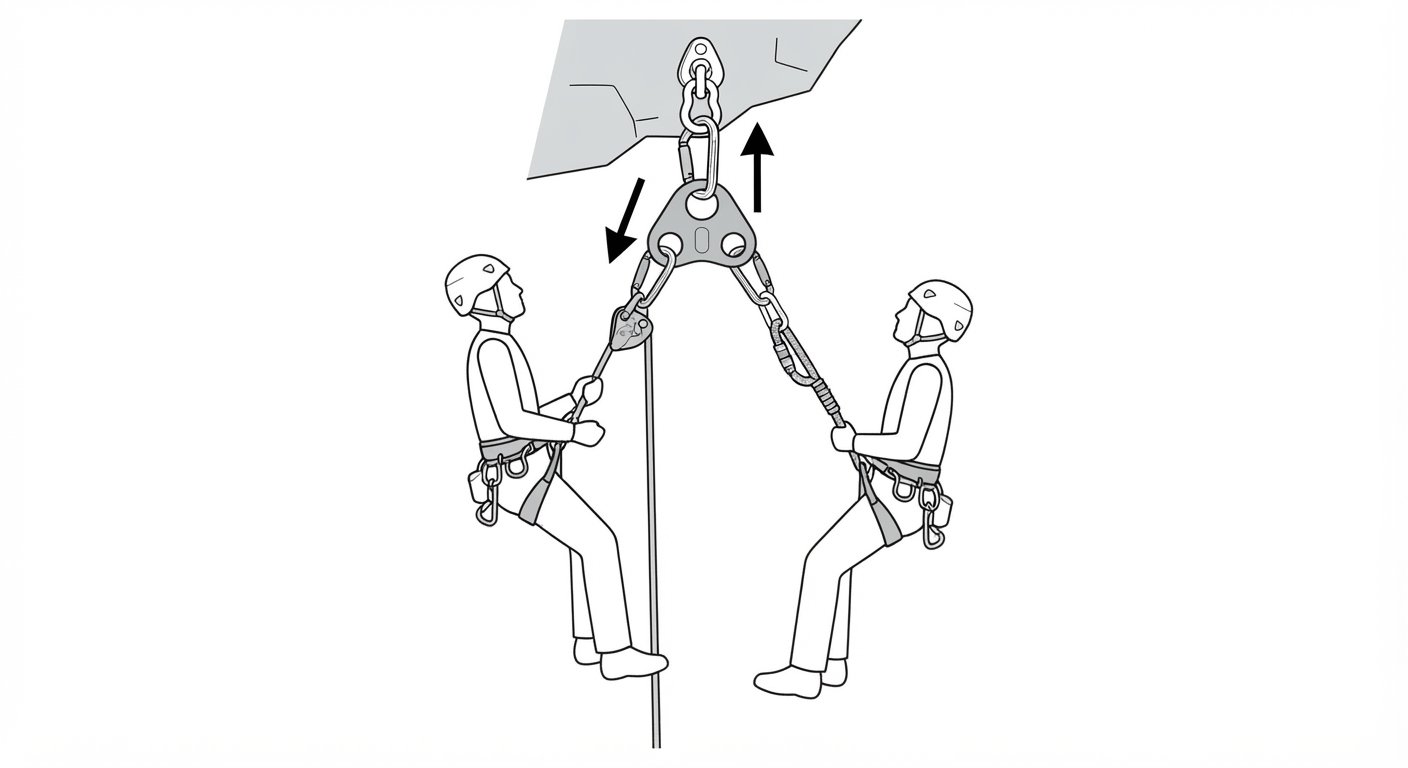 Anchoring two people to one point
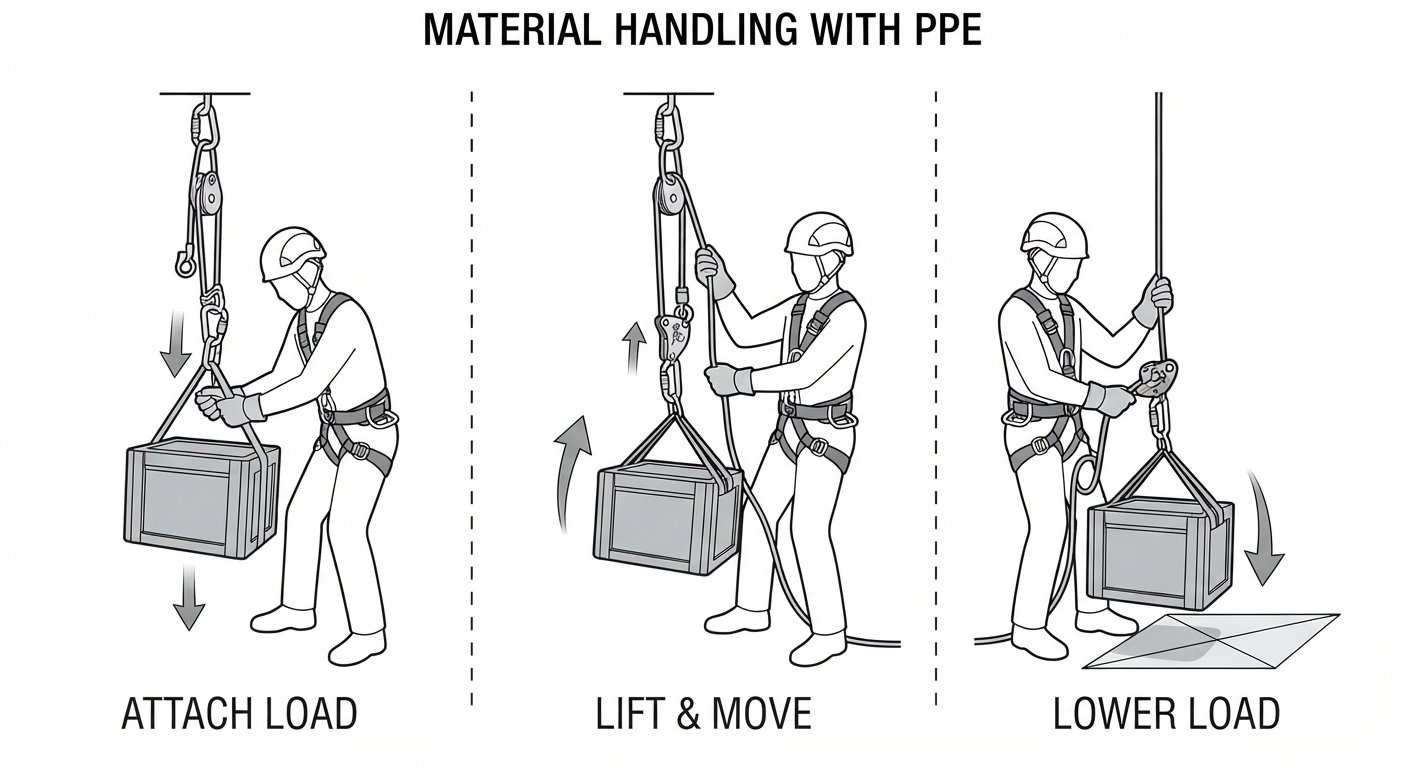 Using PPE for material handling
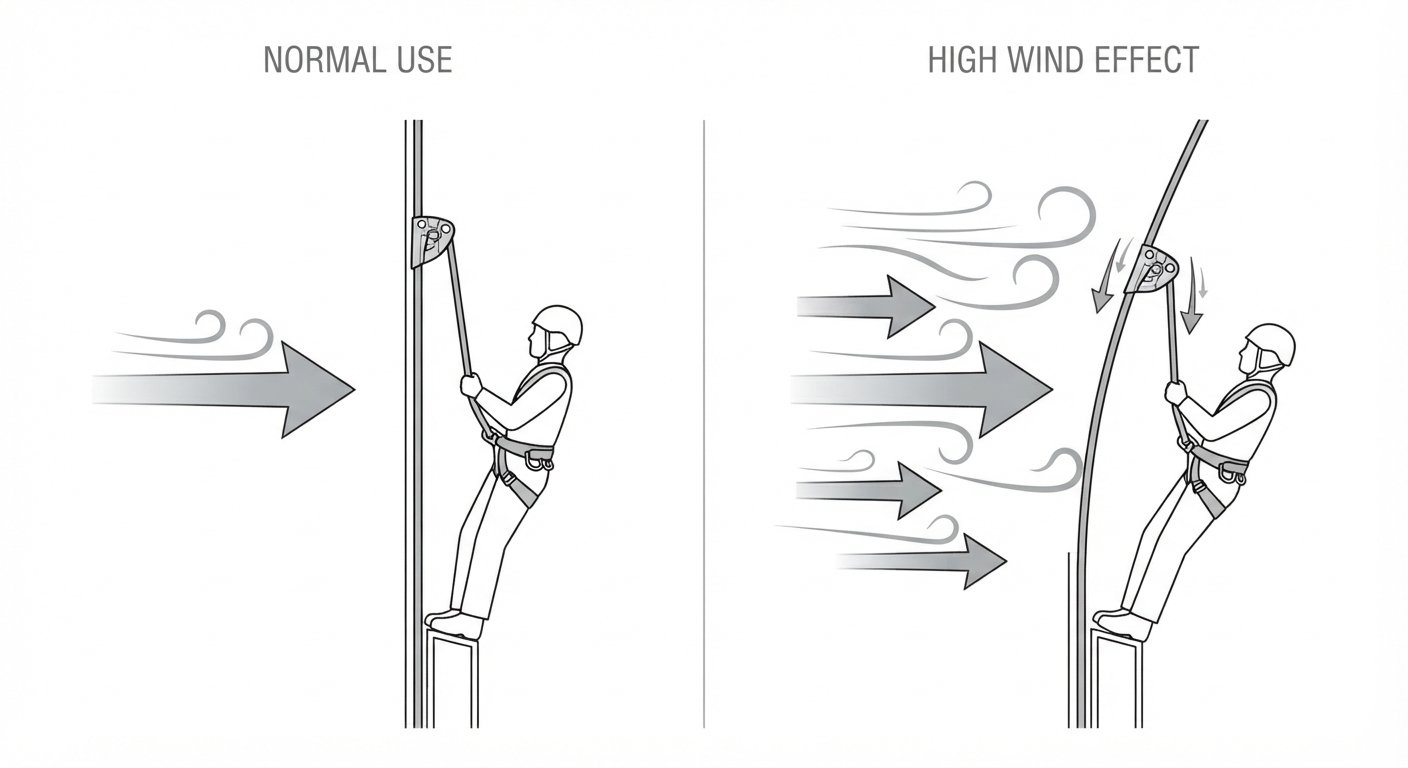 Rope grab behaviour in high winds
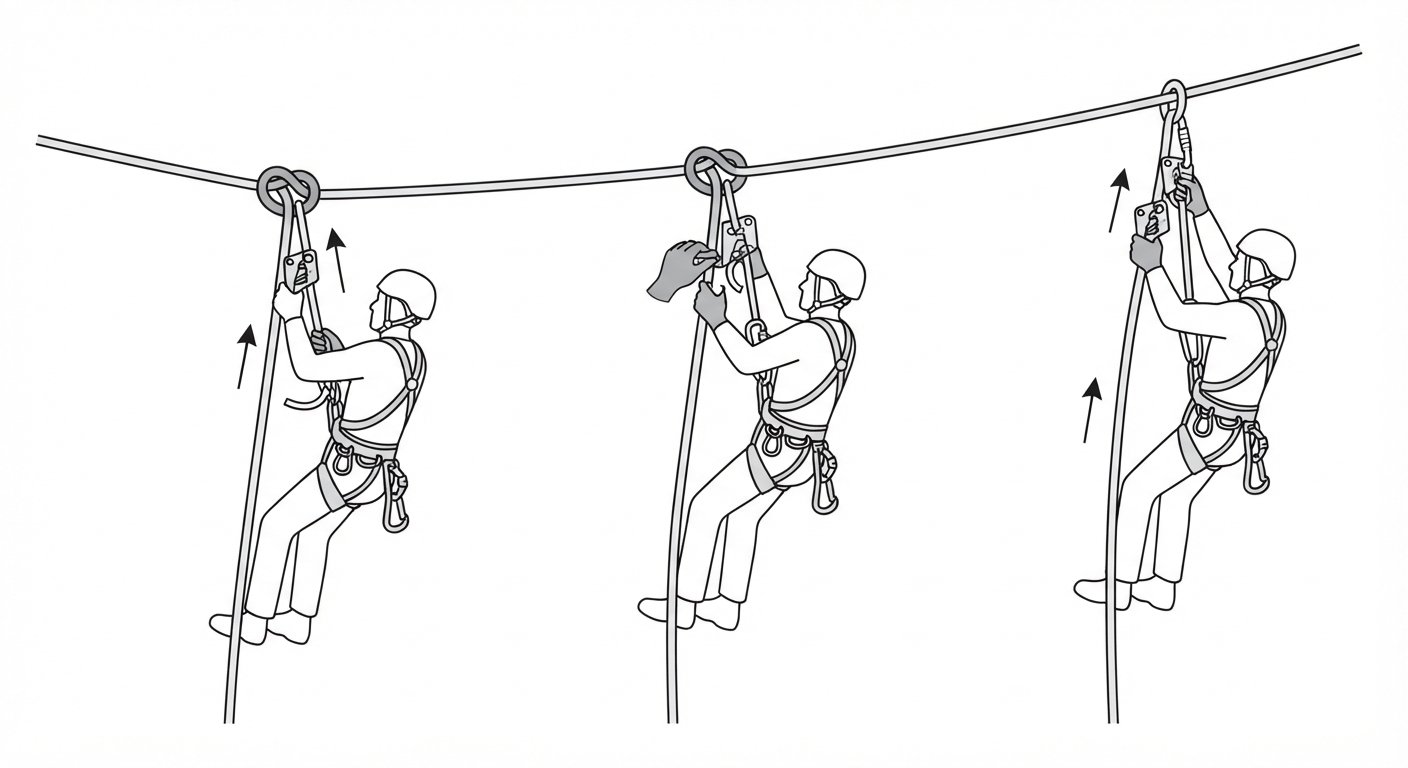 Approaching an obstacle with a rope grab
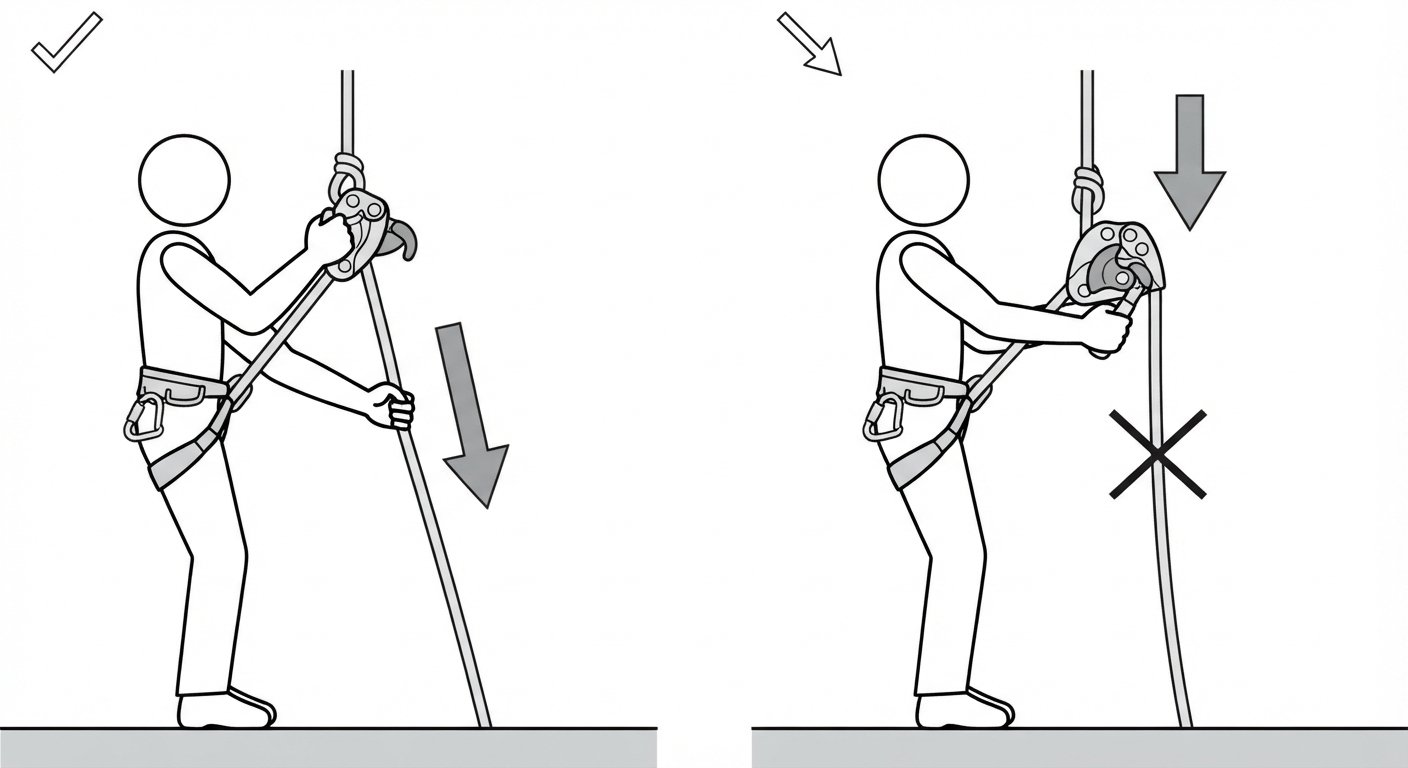 Function test each time a rope grab is installed
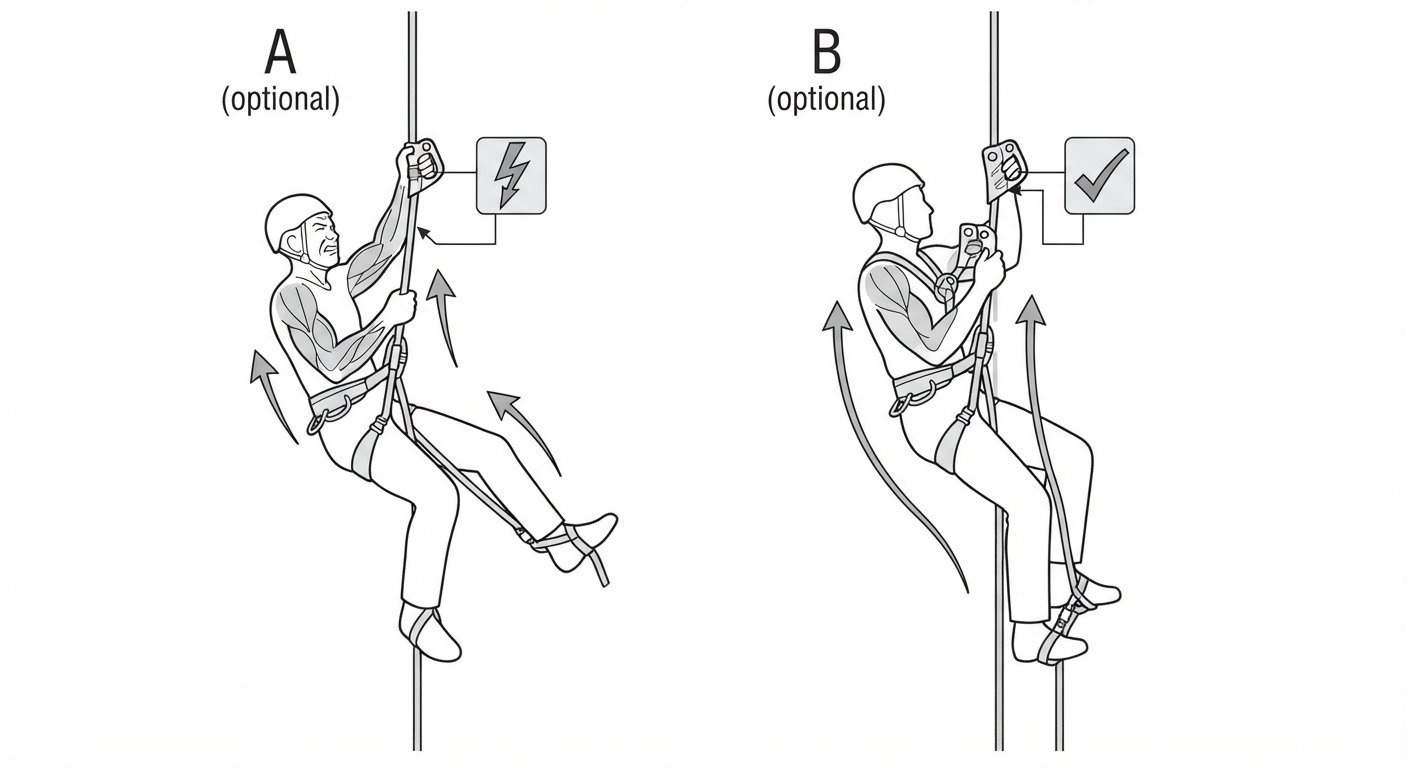 Greater efficiency on rope ascents
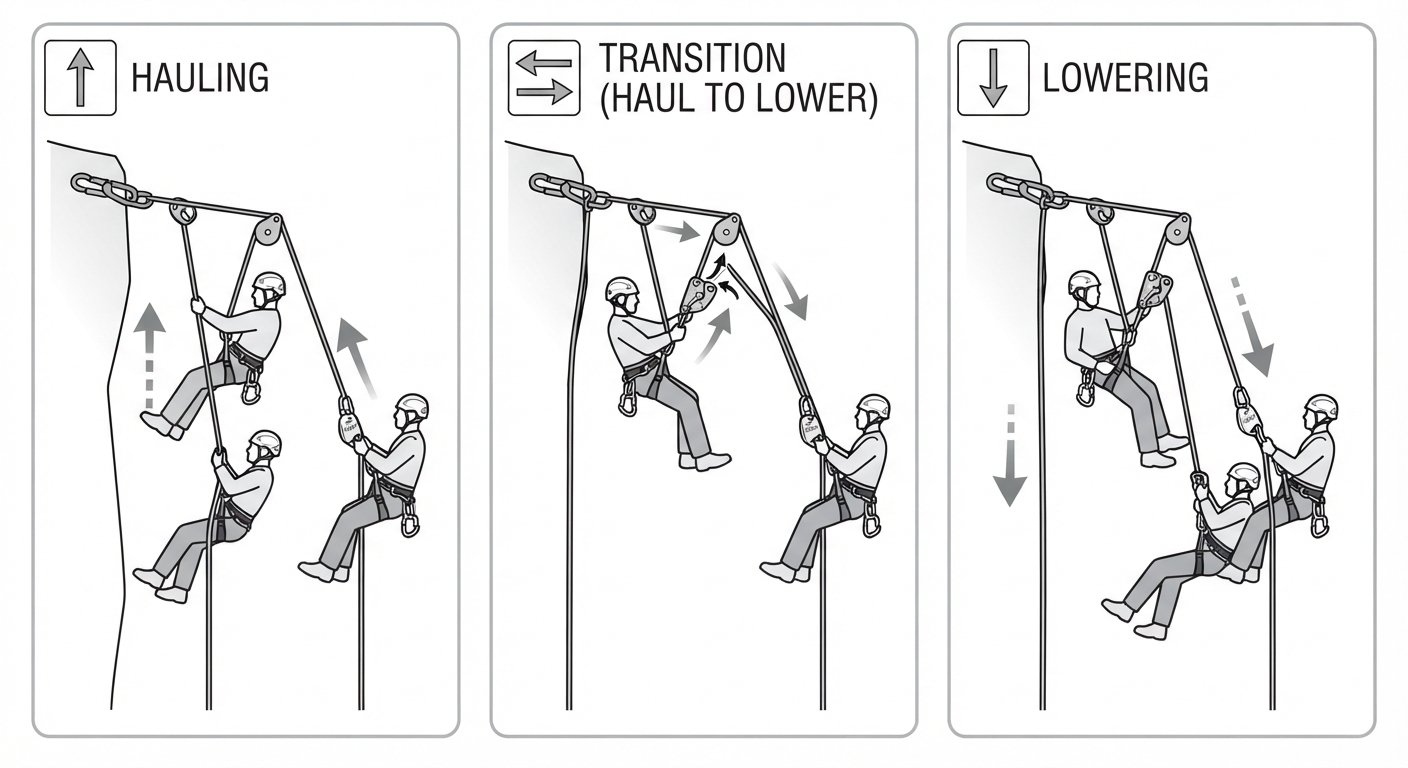 Team rescue techniques for hauling and lowering new
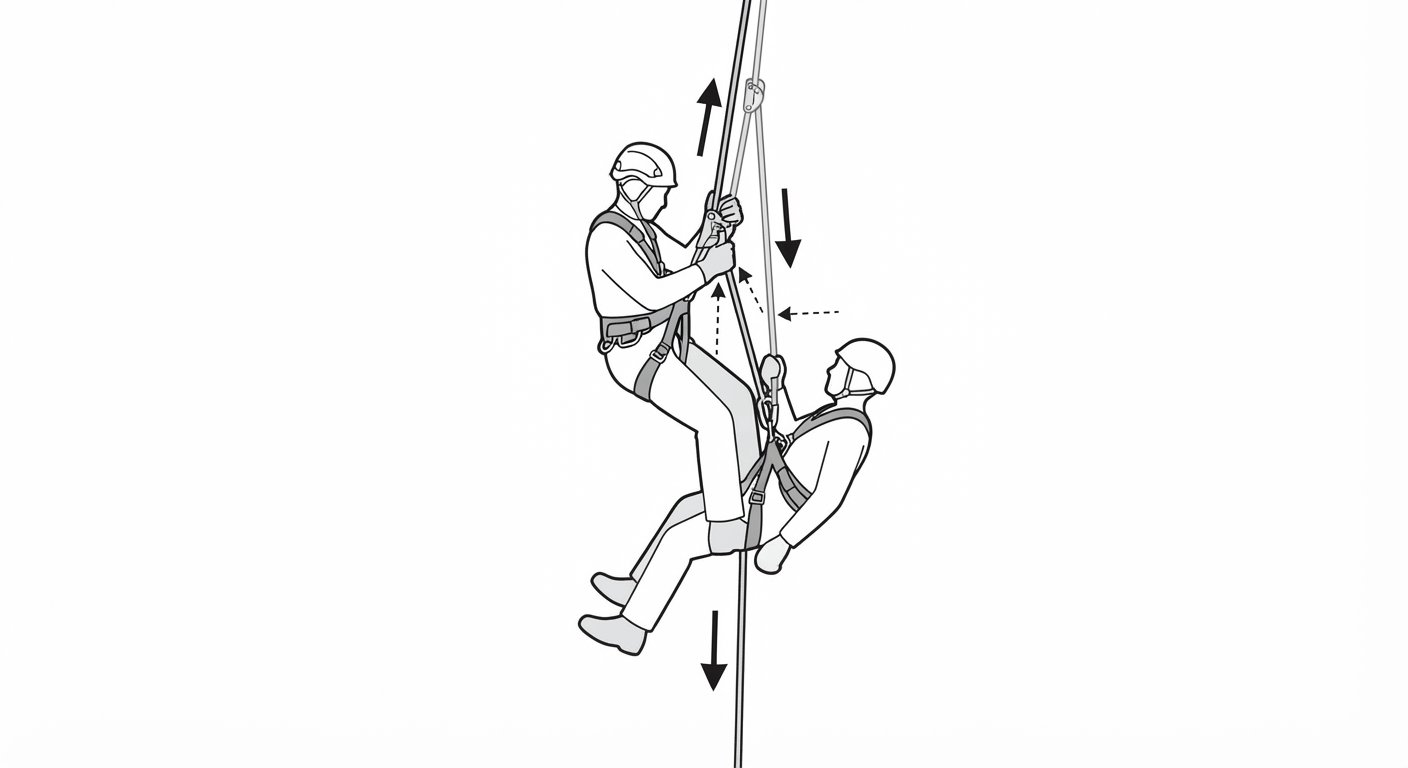 Accompanied descent rescue
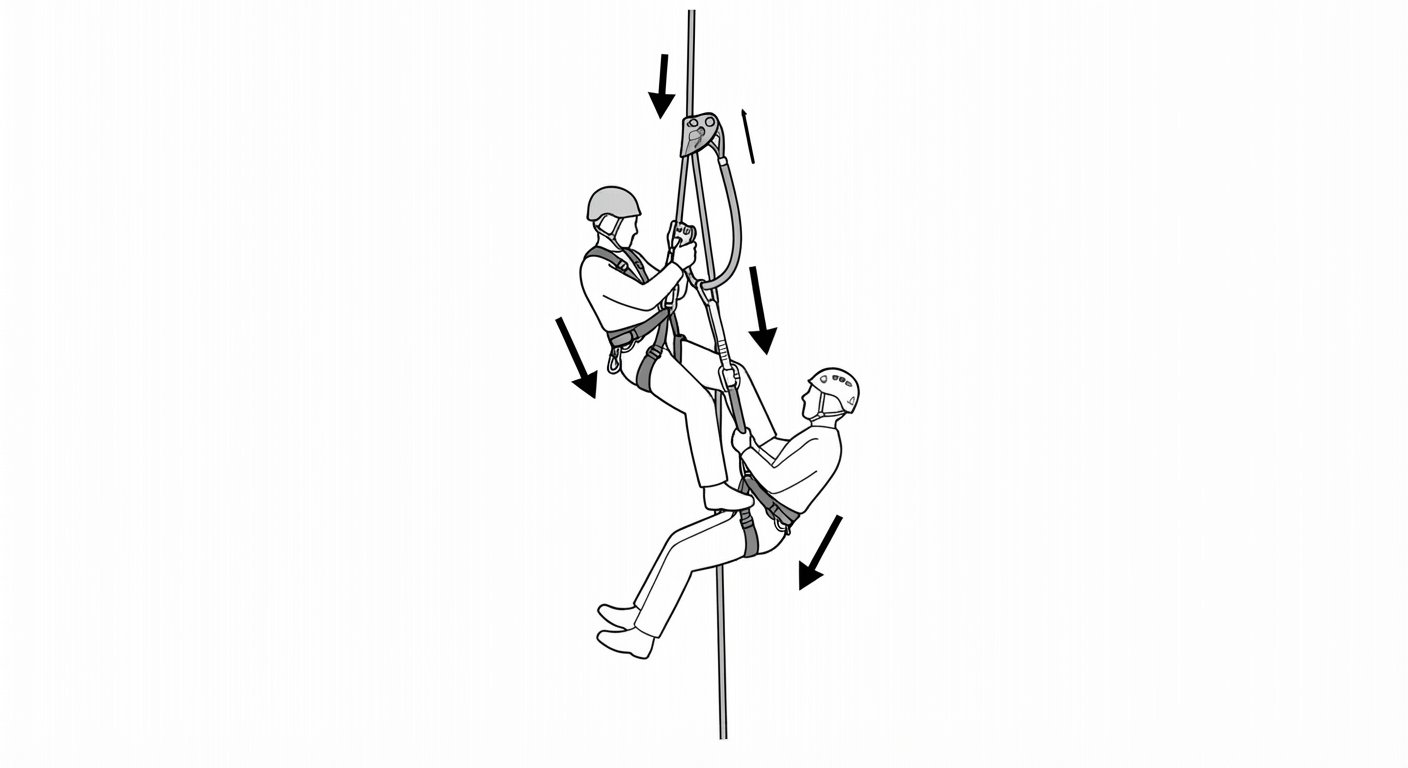 Accompanied descent with a rope grab
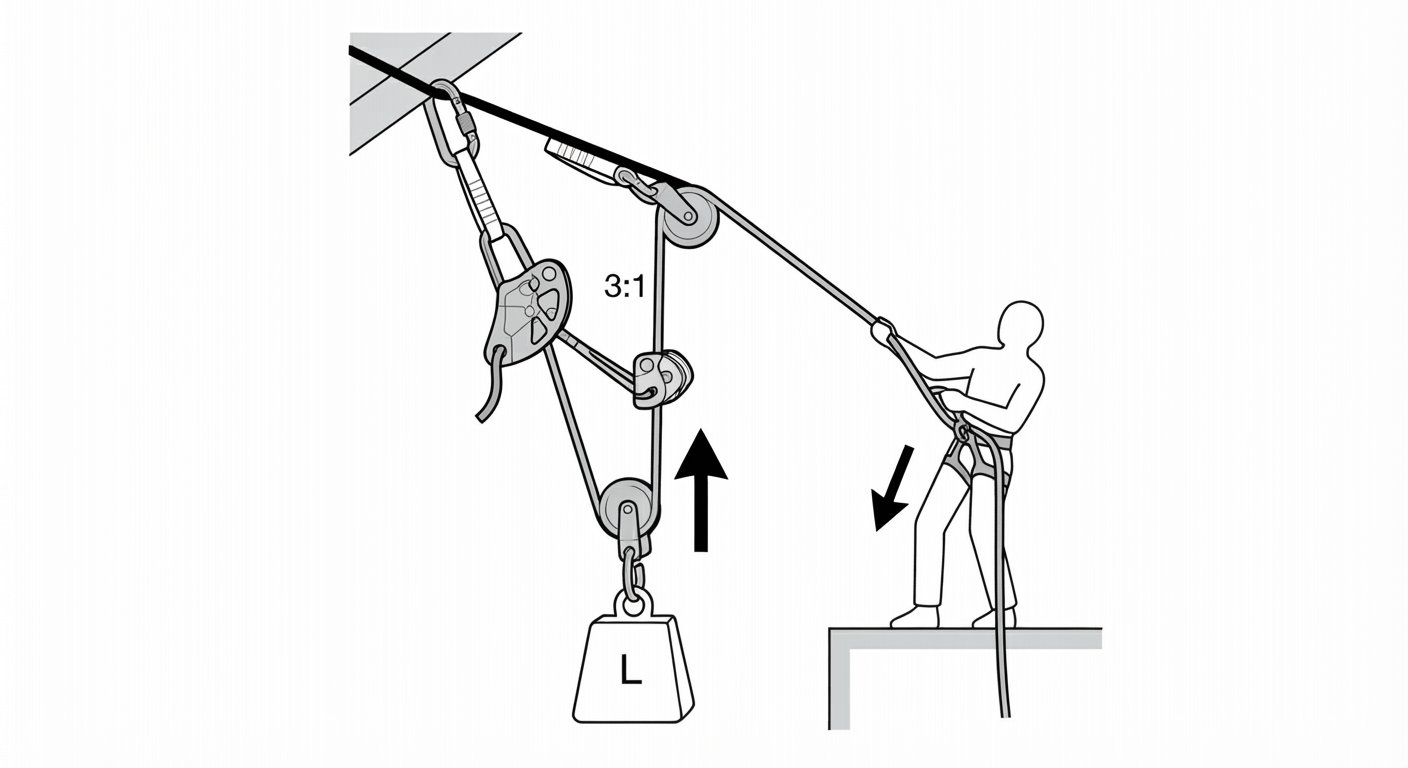 Haul system with a descender
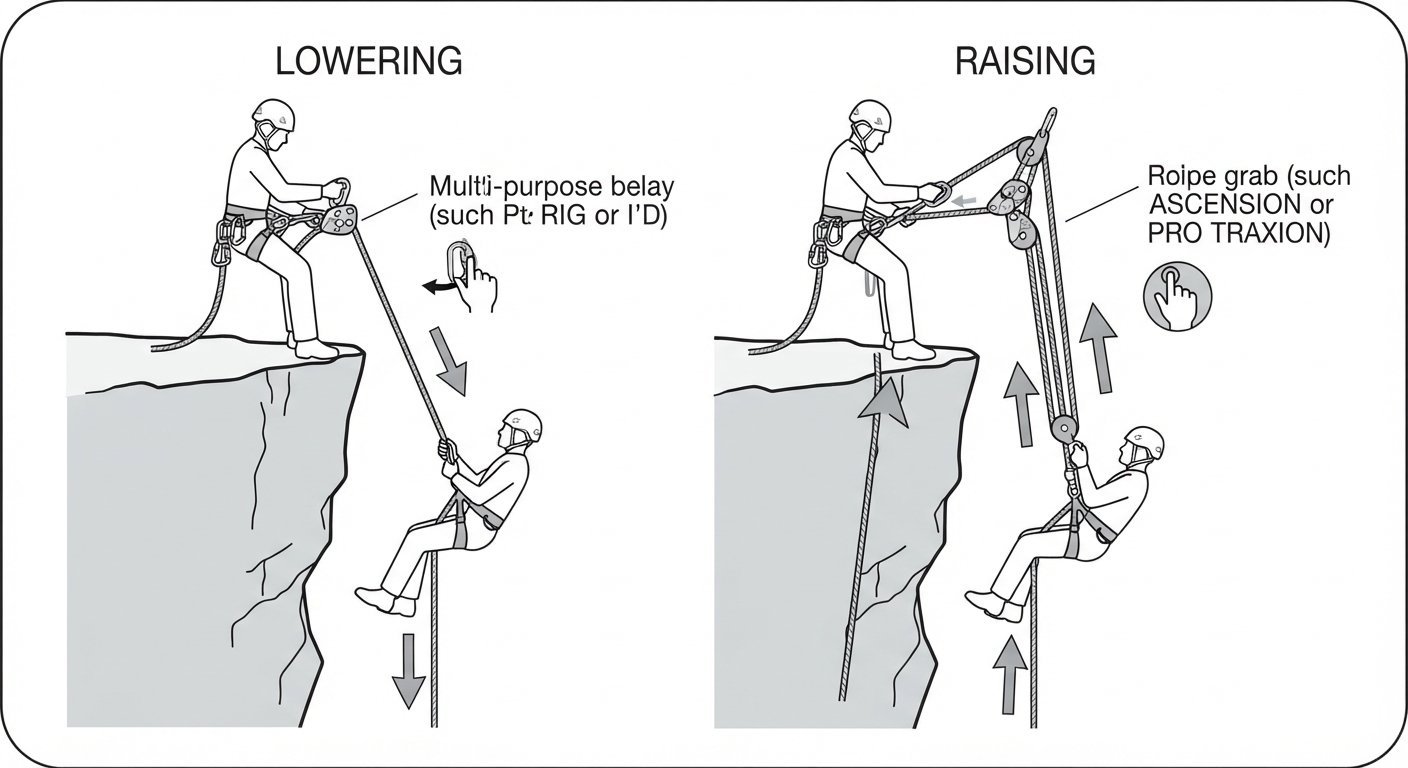 Hauling: combined lowering and raising system
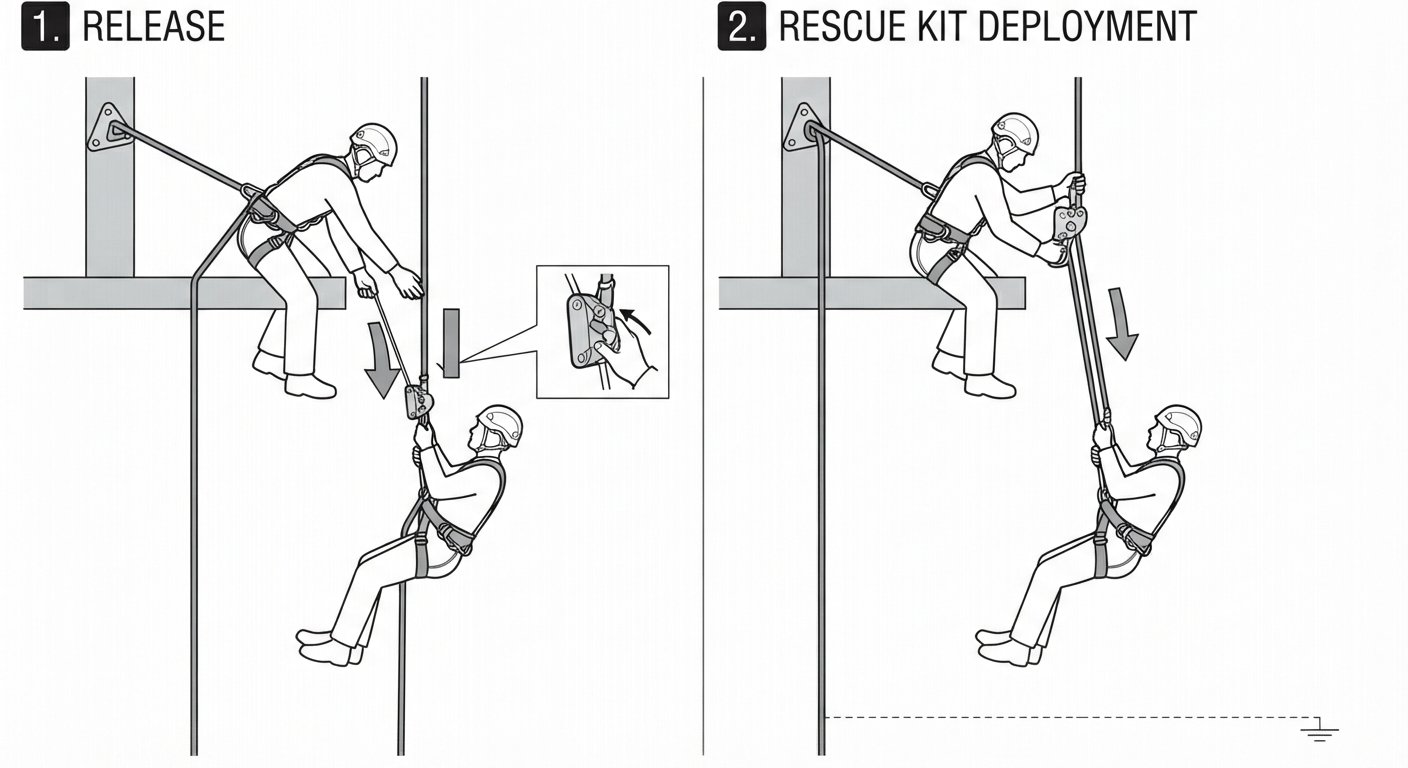 Release and rescue of a co-worker using a rescue kit
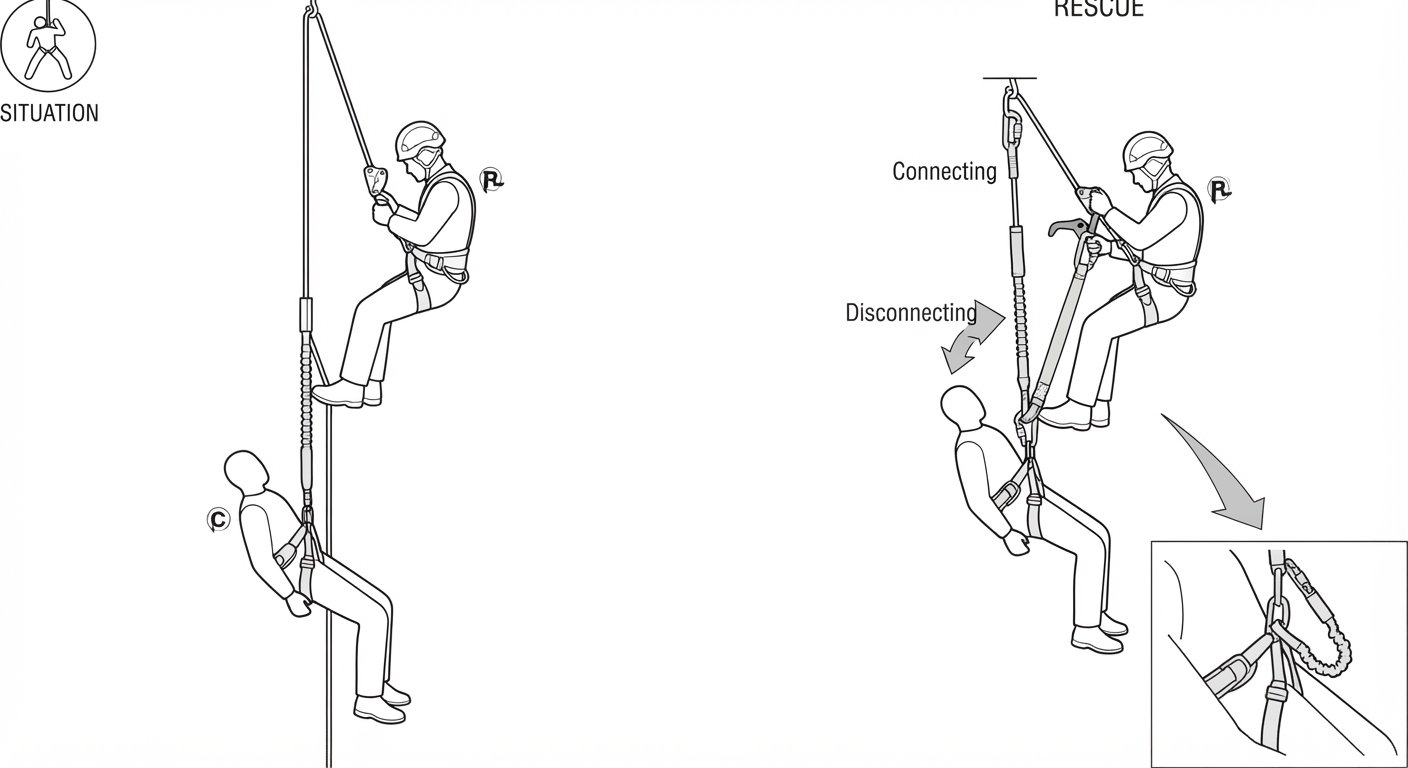 Rescuing a person hanging on an absorber
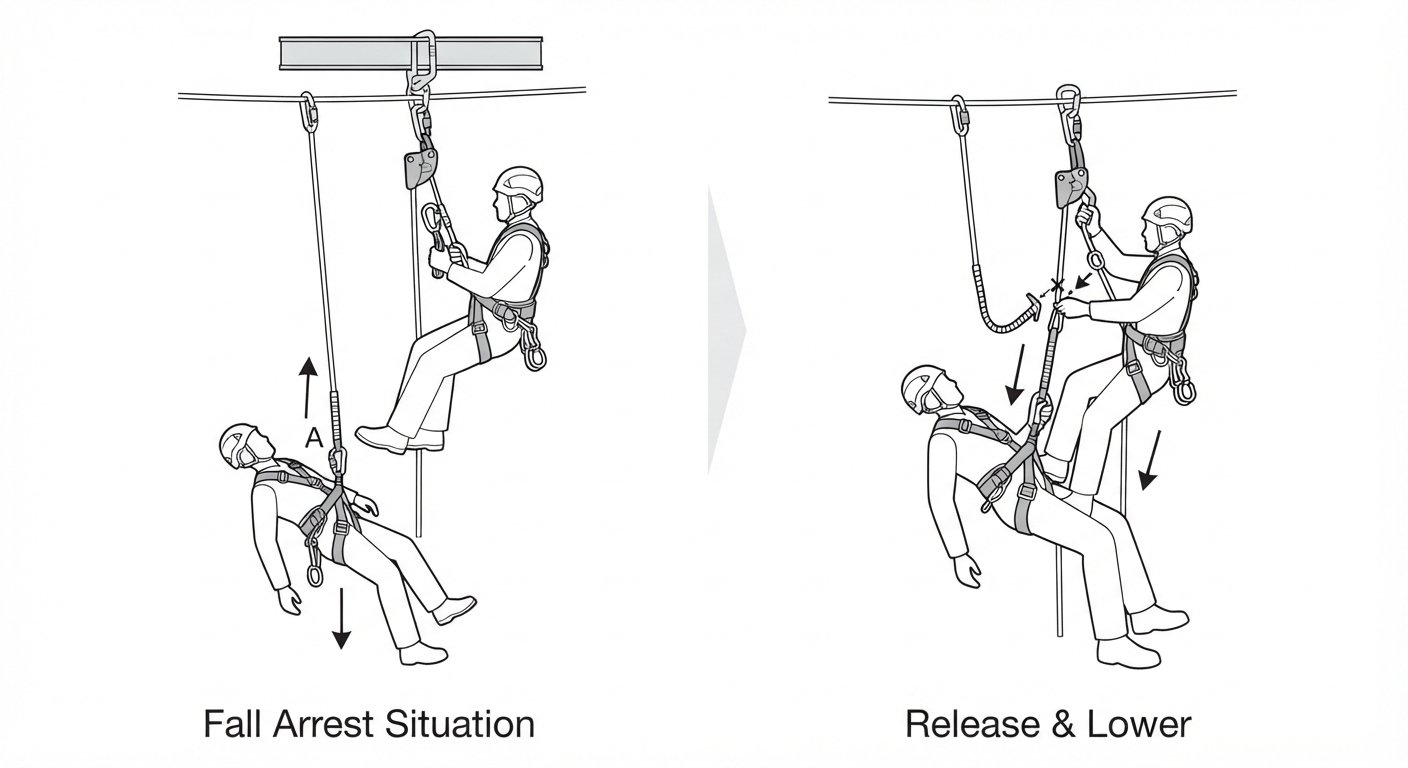 Release and rescue from a fall-arrest system
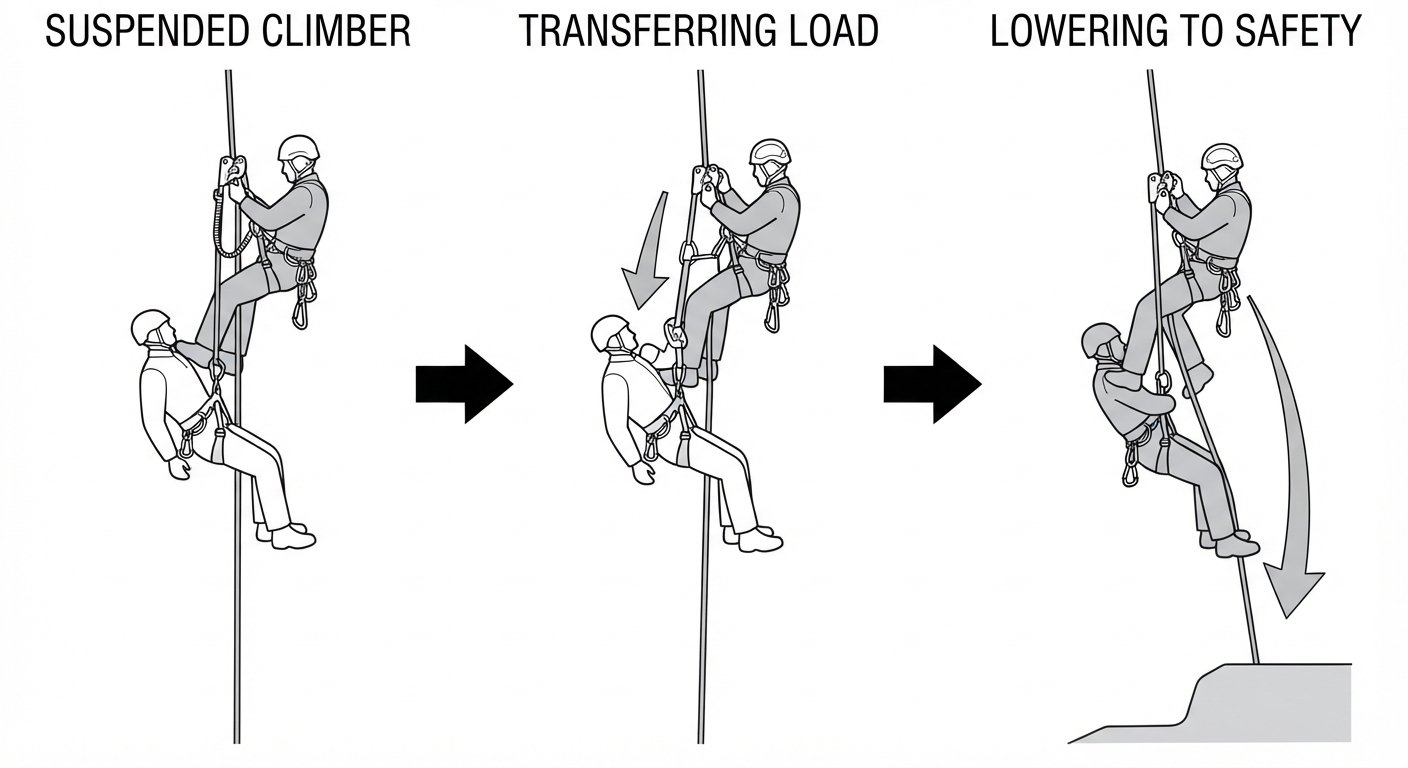 Release and rescue from a long rope
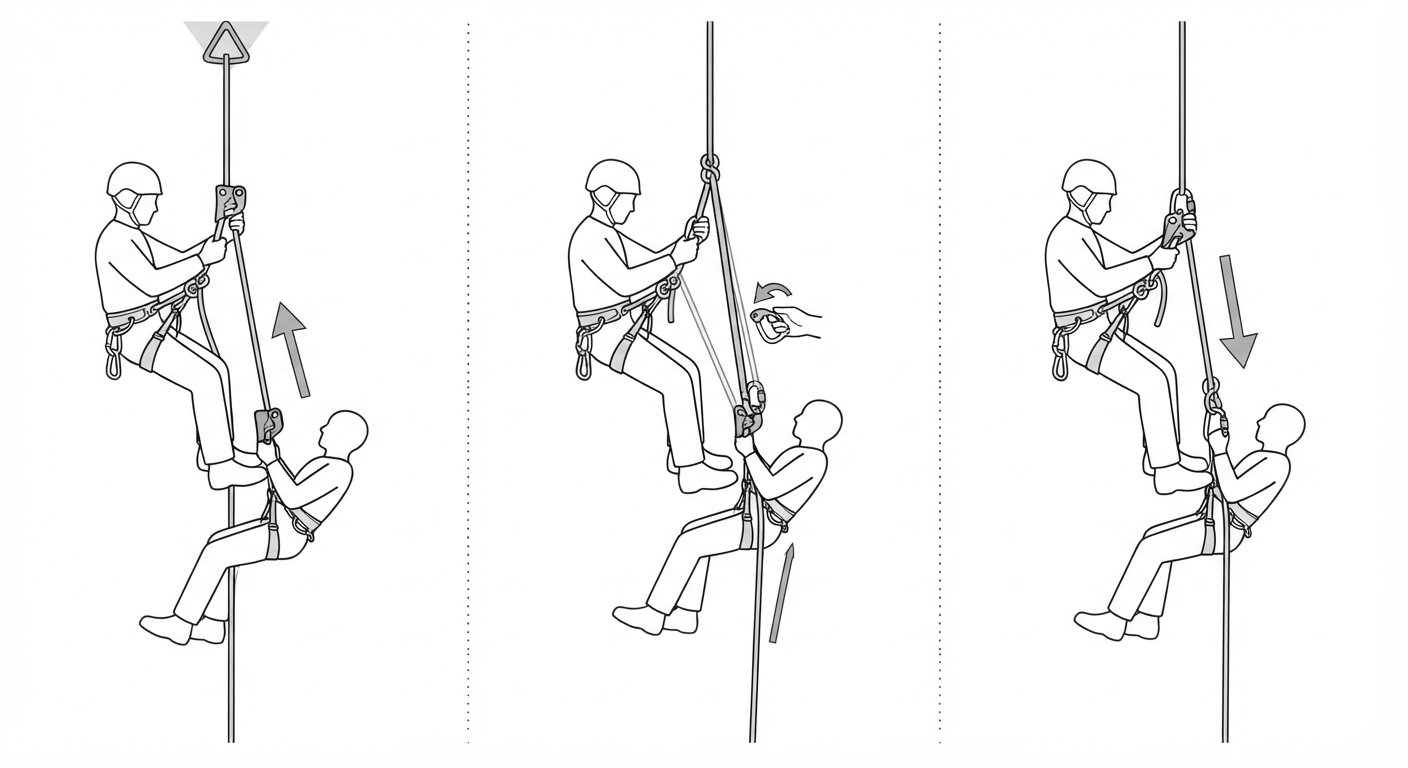 Release and rescue from a static rope
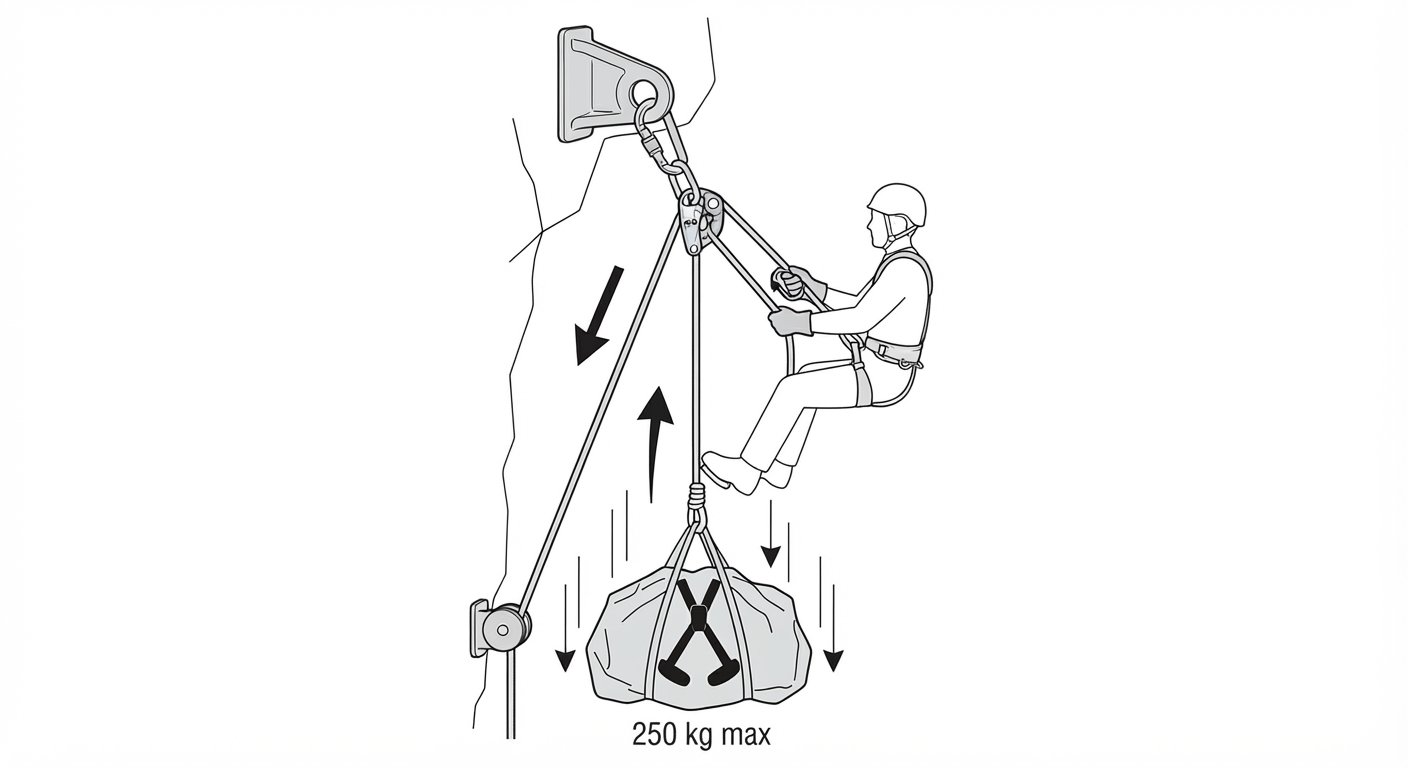 Lowering 150 kg to 250 kg from the anchor
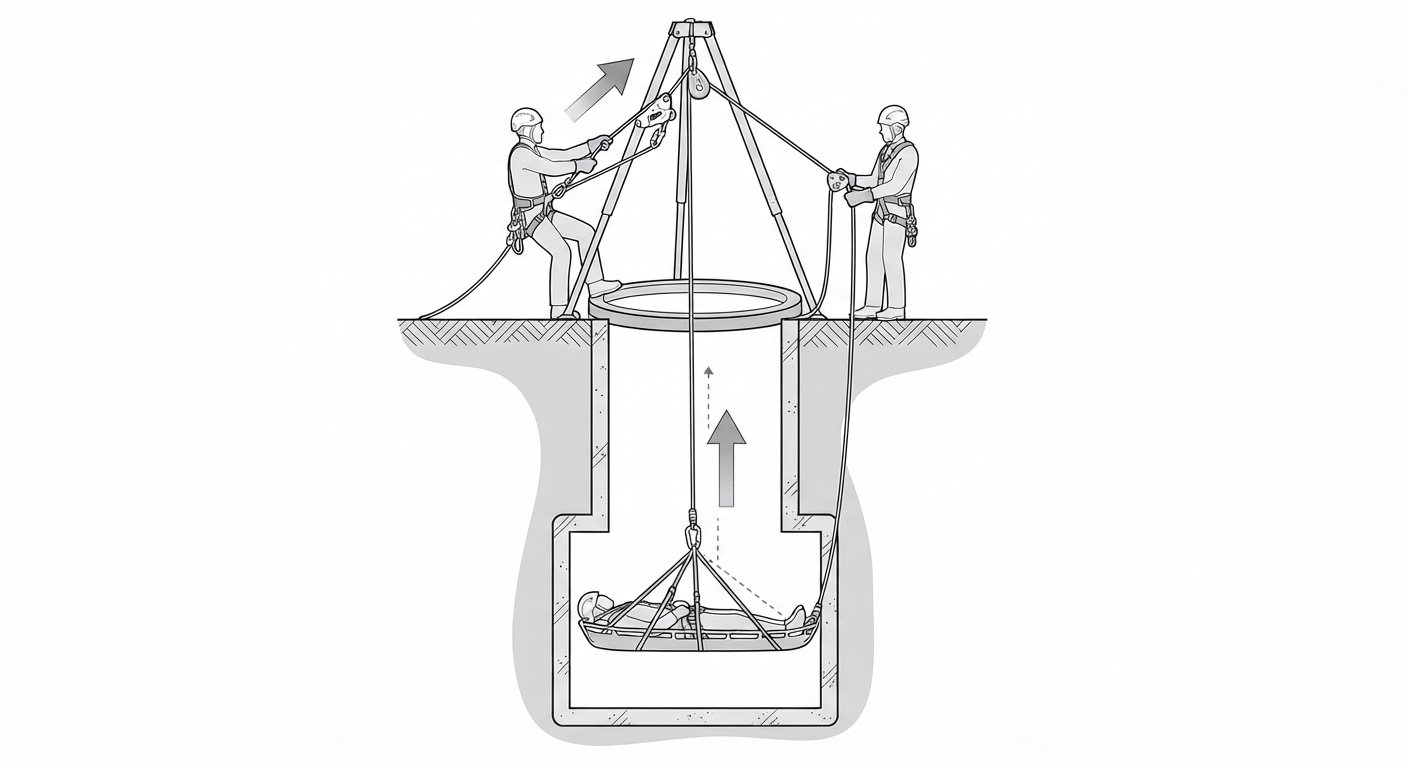 Vertical extraction from a confined space
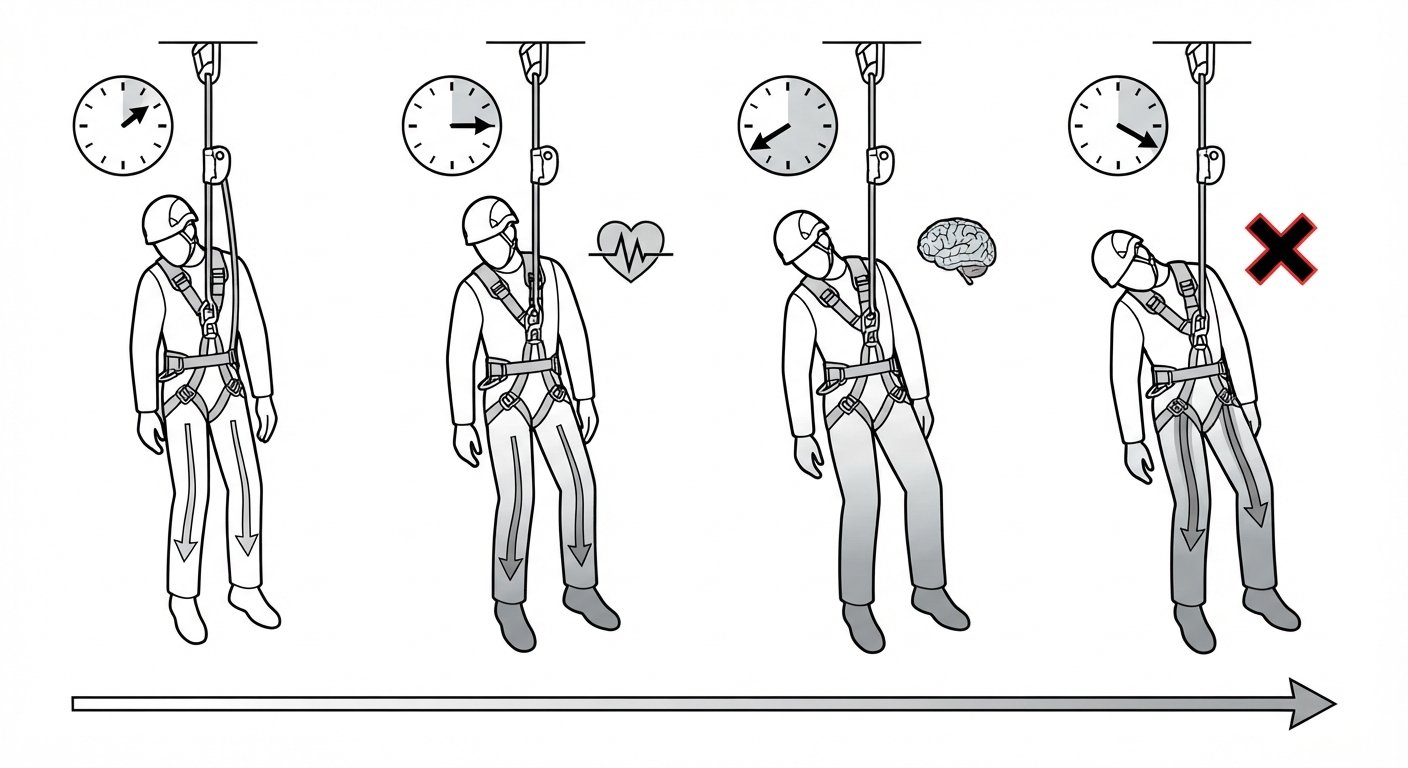 Suspension trauma: why minutes matter
Rope access and confined space work is inherently hazardous. These notes are a starting point for competent, trained operatives; they do not replace task-specific risk assessment, a rescue plan, or the manufacturer instructions supplied with your equipment.