Safety / Tips and Tricks / Warehouse and logistics
Activity 07
Warehouse and Logistics
Hi-vis and PPE selection, manual handling, forklift traffic management, racking and storage safety — the technique notes that keep warehouse work planned rather than improvised.
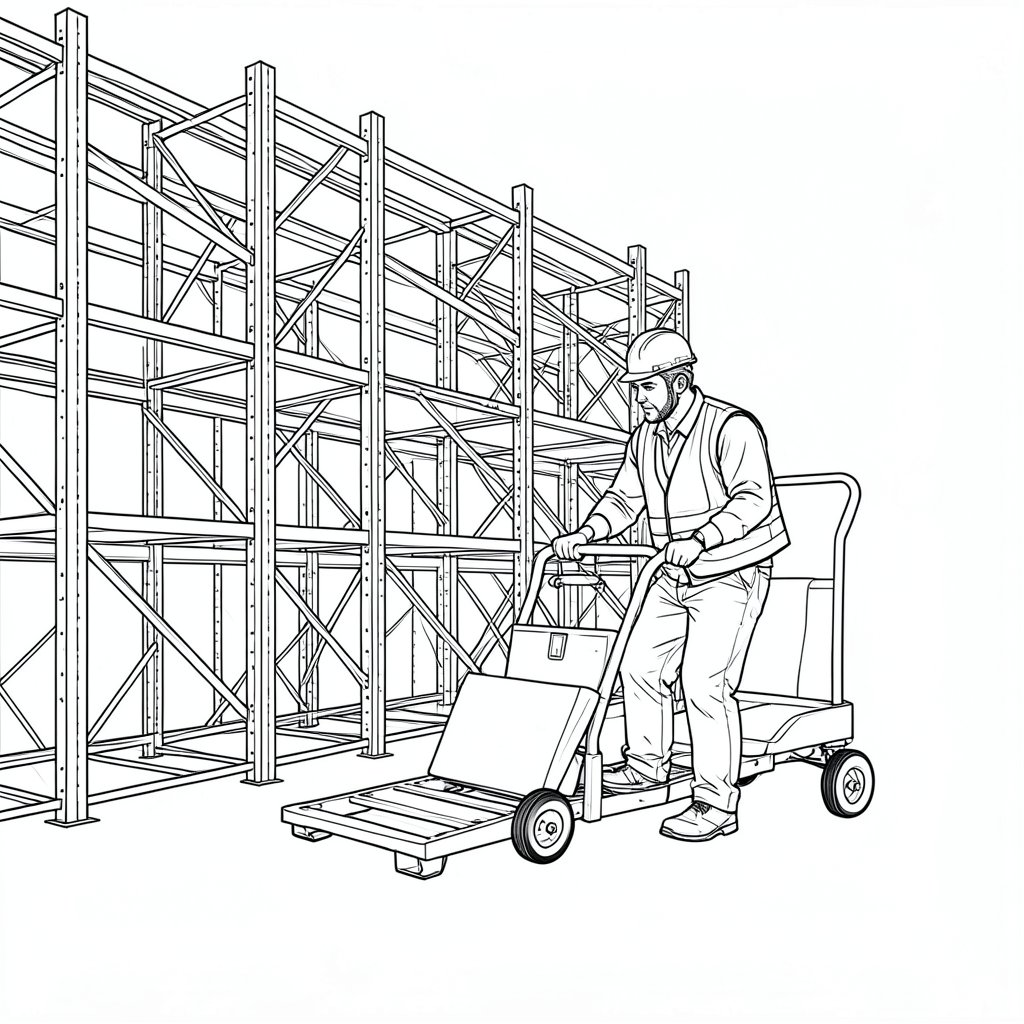
16 technique notes
Warehouse and logistics work carries real injury risk from vehicles, falling loads and manual handling. These notes are a starting point for competent, trained personnel; they do not replace a site’s own risk assessment, equipment-specific operator training, or manufacturer instructions.
Frequently asked questions
What does this Warehouse and Logistics activity page cover?
A library of technique notes covering PPE selection for warehouse roles, manual handling and lifting, forklift and pedestrian traffic management, racking and storage safety, loading dock operations, and automated equipment safety.
What do the category filters mean?
They group the technique notes by purpose: choosing the right equipment, product information and specifications, basic techniques, expert techniques for more advanced situations, and a dedicated rescue category.
Are these technique notes a substitute for site-specific training?
No, they are a starting point for competent, trained personnel and do not replace a site's own risk assessment, equipment-specific operator training, or manufacturer instructions.
Does this activity cover both manual and automated warehouse operations?
Yes, the technique notes span manual handling and pallet truck work through to conveyor systems, sortation equipment, and order picker trucks.
How does this activity page relate to the rest of SafetyOrbit?
It is one activity within the wider Tips and Tricks guidance structure, sitting alongside the EN standards library referenced throughout the individual technique notes.