Safety / Tips and Tricks / Warehouse and Logistics
Activity 07 · Warehouse
Bump Caps versus Safety Helmets: EN 812
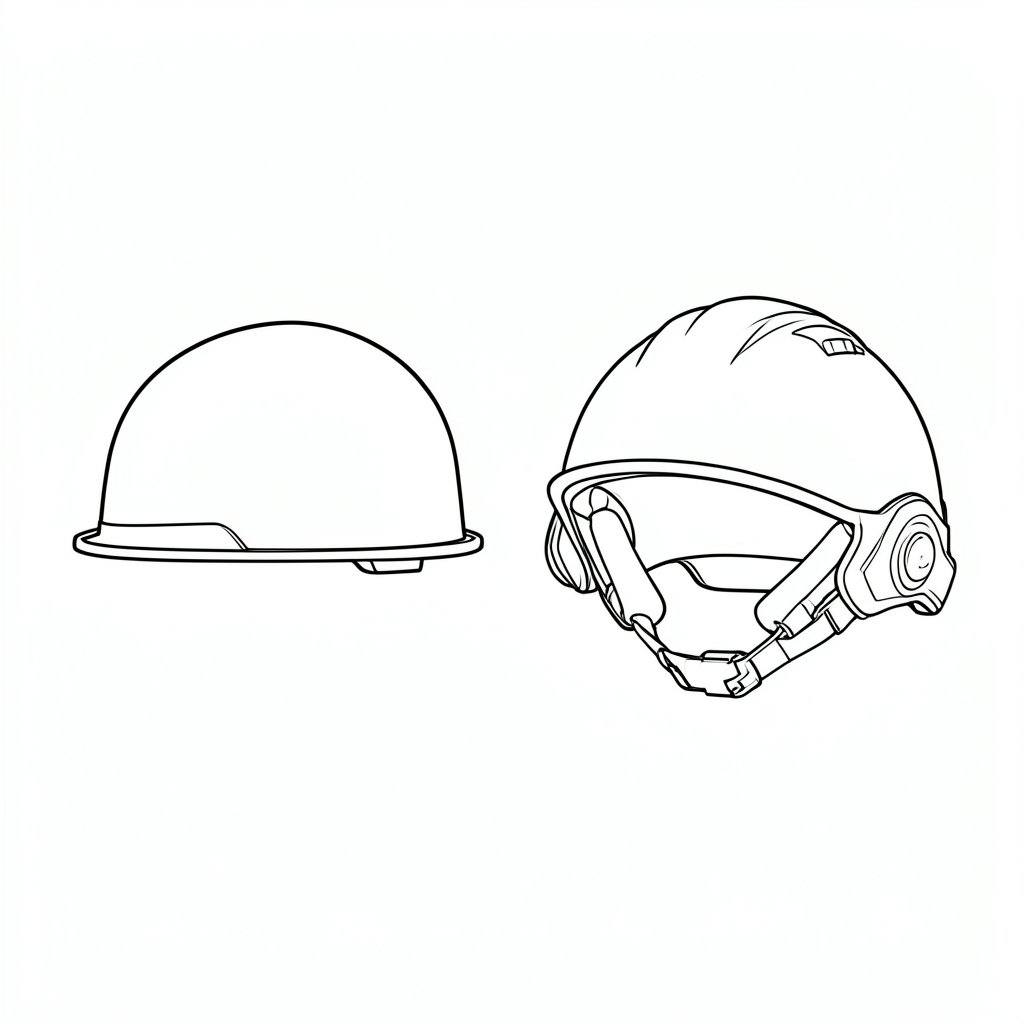
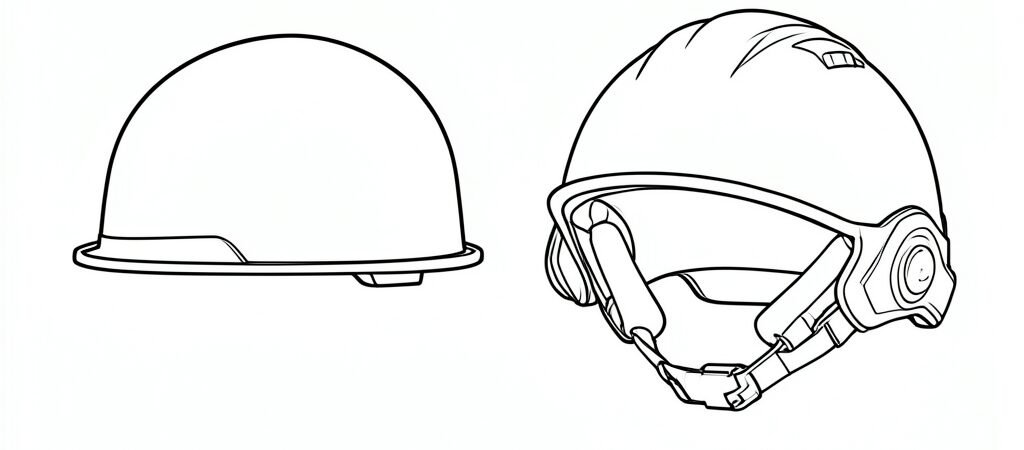
A bump cap and a safety helmet look similar enough at a glance that they are sometimes treated as interchangeable, but they are tested against completely different hazards, and using one where the task actually calls for the other leaves a real protection gap that is not obvious just from looking at the two side by side.
What EN 812 bump caps actually protect against
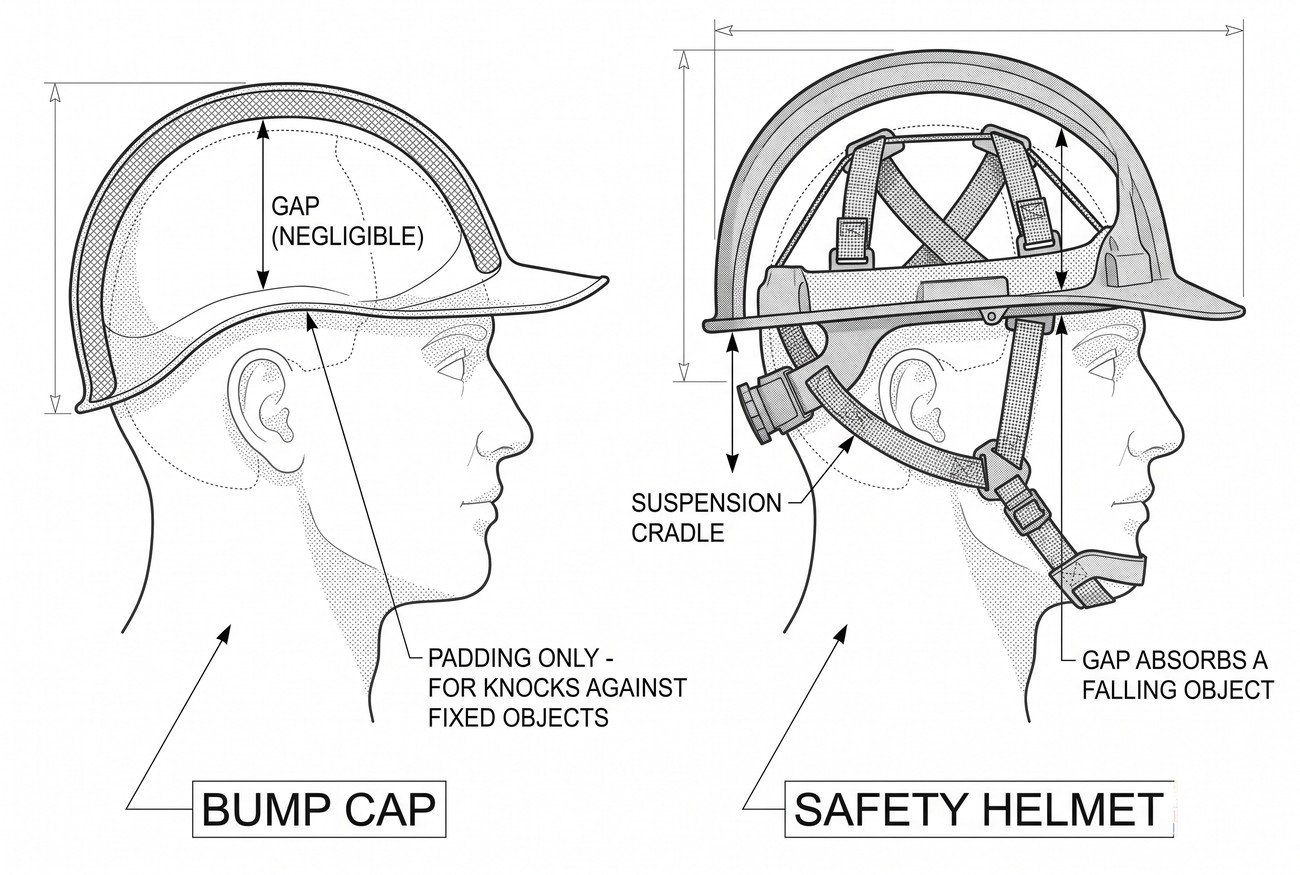
EN 812 covers industrial bump caps, designed to protect against minor bumps and scrapes from static obstacles — low beams, shelving edges, pipework — encountered by the wearer moving through a space, not against a falling or dropped object striking the head from above. A bump cap’s shell and liner are built to absorb the relatively low energy of the wearer’s own head moving into a fixed obstacle, which is a fundamentally different and lower energy level than what a genuine falling-object impact would deliver.
What EN 397 safety helmets protect against
EN 397 safety helmets are tested against a genuine falling-object impact, a materially higher energy event than the bump cap scenario, and are the appropriate choice anywhere overhead falling-object risk exists — near racking where stock could fall, beneath overhead crane or conveyor operations, or anywhere work is happening above the area. Wearing a bump cap in an environment with genuine overhead falling-object risk provides a false sense of head protection without the actual impact performance the situation requires.
Assessing which hazard is actually present
The correct choice depends entirely on assessing which hazard actually exists in a specific area, not on a general assumption that head protection is head protection regardless of type. A warehouse aisle with low overhead pipework but no overhead storage or crane activity above it is a genuine bump cap scenario, while the same warehouse’s racking aisles, where stock is stored above head height and could potentially fall, calls for a full safety helmet instead. Treating the whole facility under one uniform head protection policy, without this distinction, either under-protects some areas or adds unnecessary bulk and cost in others.
Comfort and compliance
Bump caps are lighter and more comfortable for extended wear in low-risk areas, and this comfort difference is a genuine factor in whether workers actually wear head protection consistently in areas where a full safety helmet would be excessive for the actual hazard present. This is a legitimate reason to use a bump cap where the hazard assessment supports it, not a justification for using one in an area where a safety helmet is actually required.
For racking-specific hazards that often determine which head protection an area needs, see racking inspection and load limits.
Related standards
The standards below set the test methods and performance levels behind the equipment referenced in this note.
- EN 812 — Industrial bump caps
- EN 397 — Industrial safety helmets
- EN 14052 — High-performance industrial helmets
Common errors
1Using a bump cap in an area with genuine overhead falling-object risk that requires a full EN 397 safety helmet.
2Applying one uniform head protection policy across a whole facility without assessing which specific hazard exists in each area.
3Assuming any head protection provides equivalent performance regardless of the specific hazard it was designed and tested against.
4Choosing helmet type based on cost or comfort alone without first identifying the actual overhead hazard present.
Frequently asked questions
What hazard does an EN 812 bump cap actually protect against?
Minor bumps and scrapes from static obstacles like low beams or shelving edges encountered while moving through a space, not a falling or dropped object striking the head from above.
How does an EN 397 safety helmet differ from a bump cap?
It is tested against a genuine falling-object impact, a materially higher energy event than the bump-against-fixed-obstacle scenario a bump cap addresses.
What happens if a bump cap is worn in an area with genuine overhead falling-object risk?
It provides a false sense of head protection without the actual impact performance the situation requires, since it was never designed or tested for that hazard level.
How should the choice between a bump cap and a safety helmet be made?
By assessing which specific hazard actually exists in a given area, not by applying one uniform head protection policy across an entire facility.
Is comfort a legitimate reason to choose a bump cap over a safety helmet?
Yes, but only in areas where the hazard assessment actually supports a bump cap; it is not a justification for using one where a safety helmet is genuinely required.
Need this as a document you can issue? The template library gives you the risk assessments, permits and inspection logs in editable form — and employer plans cover a whole team with completion records.