Safety / Tips and Tricks / Warehouse and Logistics
Activity 07 · Warehouse
Cold Store and Freezer Warehouse PPE
Cold storage work adds a hazard that ordinary warehouse PPE is not designed for, and the specific danger is not just discomfort — sustained cold exposure impairs grip, dexterity and judgment in ways that increase the likelihood of other, more immediate warehouse hazards happening at the same time.
Cold-rated gloves and dexterity trade-offs
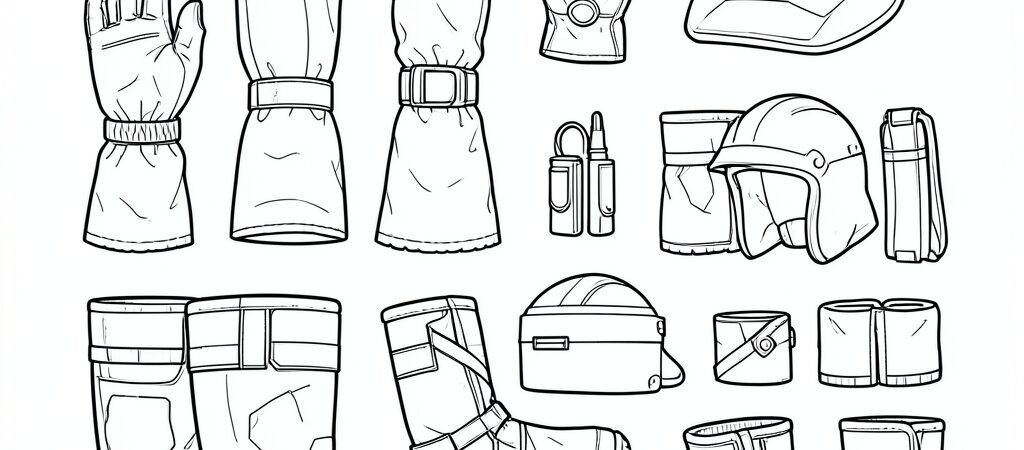
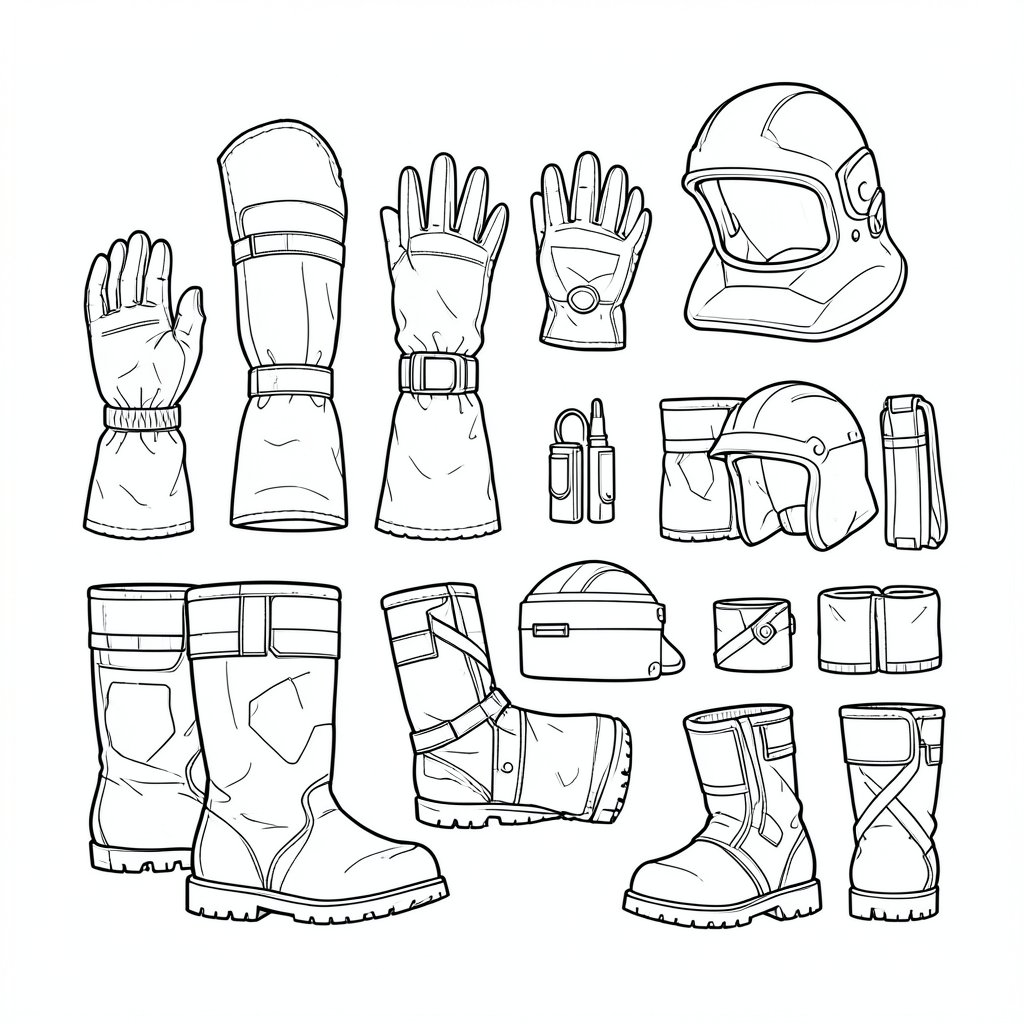
EN 511 covers protective gloves against convective, contact and conductive cold, rated across these categories much like thermal gloves for heat, and cold stores need gloves rated specifically for the actual sustained temperature of the space, not general-purpose winter gloves that may look similar but are not tested to the same standard. Thicker cold-rated gloves reduce dexterity, and this trade-off matters directly in a warehouse context where picking, handling boxes, and operating equipment all depend on reasonably functional hand movement, making glove selection a genuine balance between cold protection and task performance, not simply a matter of choosing the warmest available option.
Layered clothing for sustained cold exposure
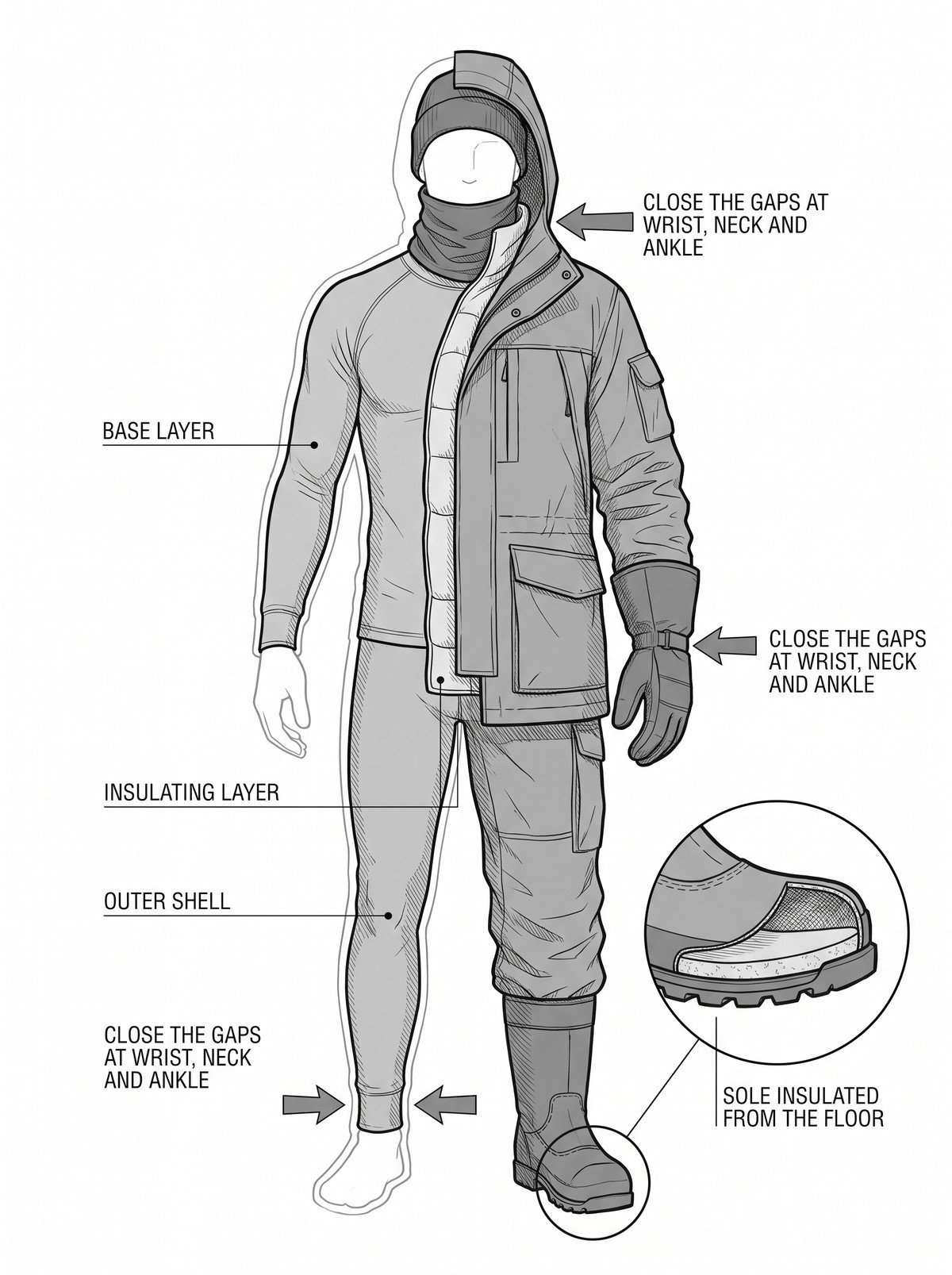
Layered clothing, allowing air to insulate between layers, performs better for sustained cold exposure than a single heavy garment, and layers should be genuinely removable in stages as workers move between cold storage areas and warmer parts of the facility, since remaining in full cold-store clothing in a warmer area causes overheating and sweating that then makes the next cold exposure feel considerably worse.
Time limits and warm-up breaks
Sustained cold exposure impairs manual dexterity and cognitive alertness progressively over time, well before it reaches a level most people would describe as dangerous cold, and time limits on continuous cold-store work, with scheduled warm-up breaks in a heated area, address this gradual impairment before it becomes a contributing factor to a different kind of incident, such as a dropped load or a slip. Treating cold exposure limits as a productivity constraint to minimize, rather than a genuine safety control, misses why the limits exist in the first place.
Footwear and slip risk in cold environments
Cold store floors can develop condensation-frost or ice buildup, particularly near doorways and temperature transition points, adding a slip risk on top of the general warehouse floor hazards covered elsewhere, and footwear slip resistance rated for these specific conditions, not just general warehouse floor conditions, should be checked for roles spending significant time in cold storage.
Recognizing early signs of cold-related impairment
Reduced dexterity, difficulty gripping objects securely, and slower reaction time are all early, gradual signs of cold impairment that appear well before the more commonly recognized signs of serious cold injury, and workers and supervisors both benefit from recognizing these earlier signs as a cue to take a warm-up break, rather than waiting for more obvious symptoms before treating cold exposure as a genuine concern.
For general manual handling gloves used elsewhere in the facility, see manual handling gloves and cut protection.
Related standards
The standards below set the test methods and performance levels behind the equipment referenced in this note.
- EN 511 — Cold protection gloves
- EN ISO 20345 — Safety footwear
- EN ISO 13688 — General requirements for protective clothing
Common errors
1Using general-purpose winter gloves instead of EN 511-rated cold gloves for sustained cold-store work.
2Remaining in full cold-store clothing while working in warmer areas of the facility, causing overheating between exposures.
3Treating cold exposure time limits as a productivity constraint rather than a genuine safety control.
4Overlooking condensation-frost or ice buildup near cold store doorways as a distinct slip hazard from general warehouse floors.
Frequently asked questions
Why do cold stores need EN 511-rated gloves rather than general winter gloves?
General winter gloves may look similar but are not tested to the same standard, while EN 511 rates gloves specifically against convective, contact and conductive cold for the sustained temperatures a cold store involves.
Why does glove thickness involve a genuine trade-off in cold storage work?
Thicker cold-rated gloves reduce dexterity, which matters directly for picking, handling boxes and operating equipment, so selection is a balance between cold protection and task performance.
Why should cold-store clothing layers be removable in stages?
Remaining in full cold-store clothing in a warmer area causes overheating and sweating, which then makes the next cold exposure feel considerably worse.
Why do cold exposure time limits matter even before serious cold injury symptoms appear?
Sustained cold exposure impairs dexterity and alertness progressively, well before dangerous cold levels, and this gradual impairment can contribute to other incidents like a dropped load or a slip.
What early signs indicate cold-related impairment is starting to affect a worker?
Reduced dexterity, difficulty gripping objects securely, and slower reaction time, all of which appear before more commonly recognized signs of serious cold injury.
Need this as a document you can issue? The template library gives you the risk assessments, permits and inspection logs in editable form — and employer plans cover a whole team with completion records.