Safety / Tips and Tricks / Warehouse and Logistics
Activity 07 · Warehouse
Shrink Wrap and Strapping Machine Safety
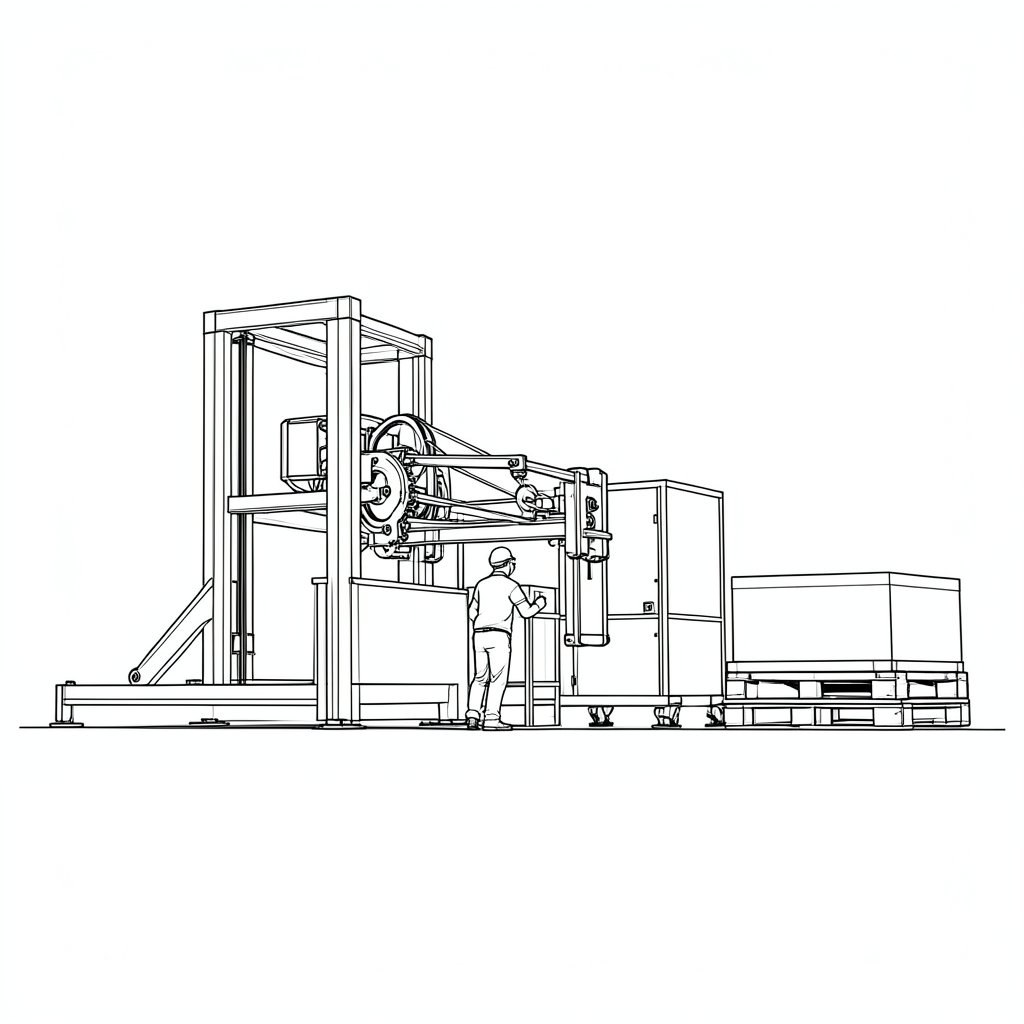
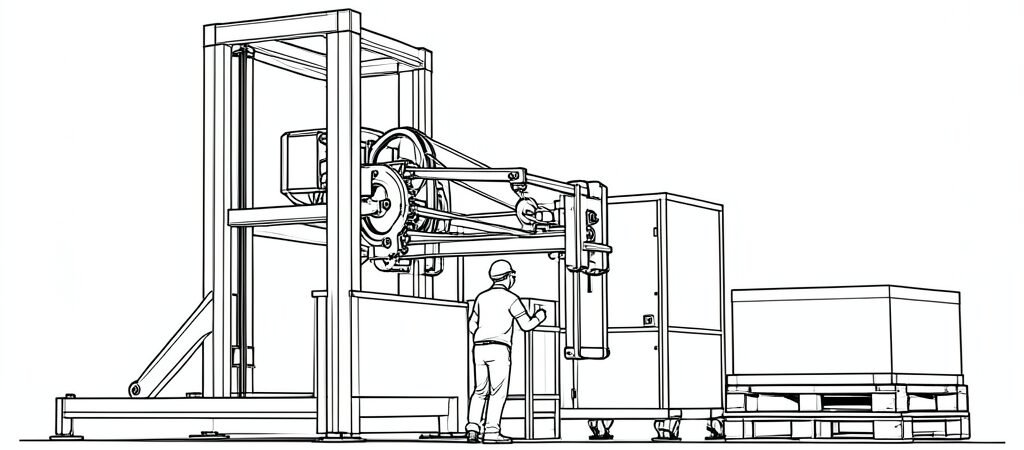
Automated shrink wrap and strapping machines move fast, apply real tension, and are often positioned right at the point where pallets are being handled by people, which puts machine guarding and correct operating procedure directly at the intersection of automated equipment and routine manual work.
Guarding around moving machine parts
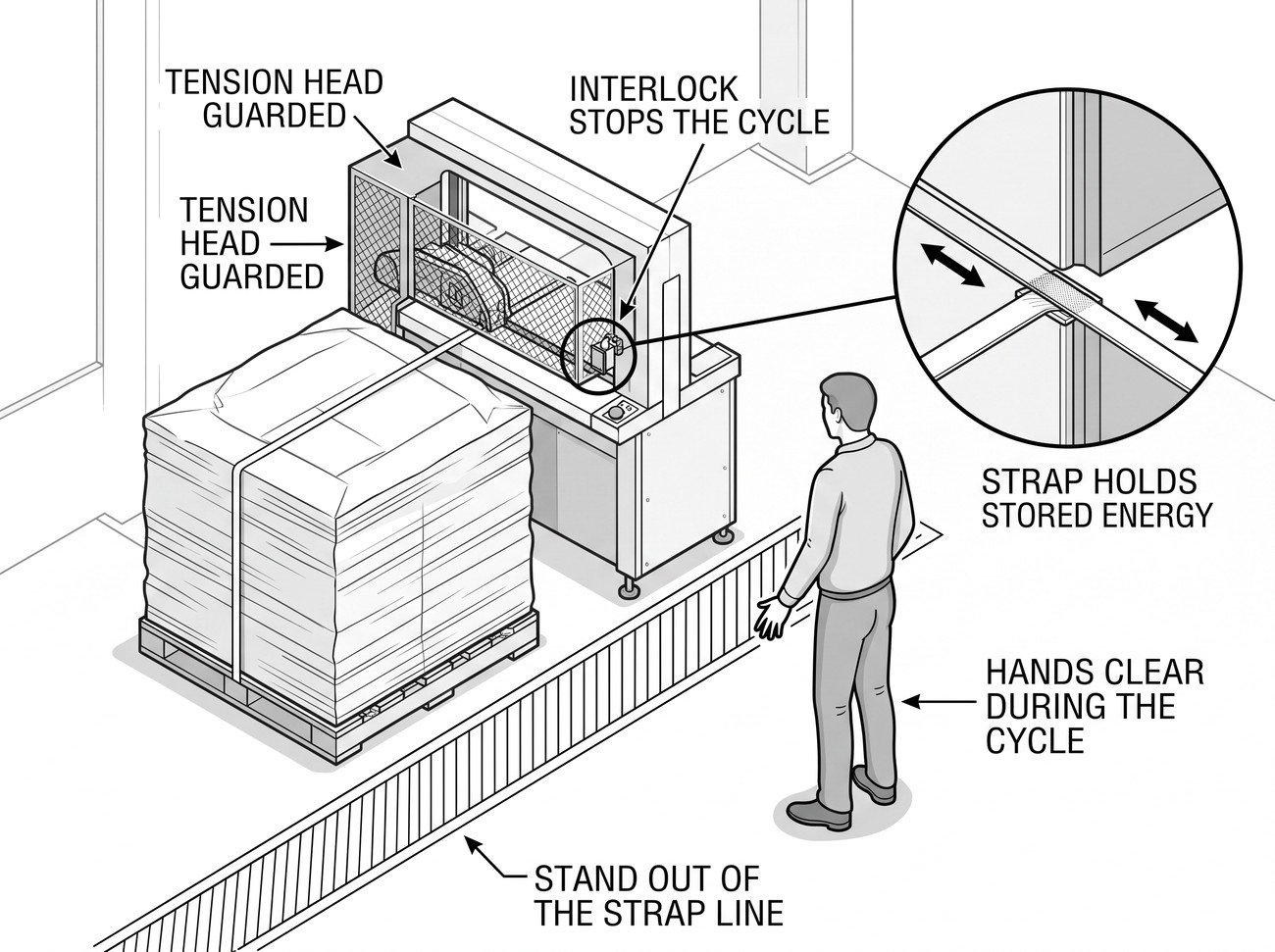
Following the same machine-guarding principles set out in ISO 12100, the rotating turntable of a shrink wrap machine and the tensioning and cutting mechanisms of a strapping machine both need effective guarding positioned to prevent contact during normal operation, and guards removed for troubleshooting or cleaning need to be replaced and confirmed secure before the machine returns to normal operation, not left off because the machine still runs without them.
Strapping tension and release hazards
Strapping under tension stores real energy, and a strap that snaps or is cut incorrectly can whip back with enough force to cause a serious cut or eye injury, which is why cutting strapping should always be done with the correct tool, held and positioned so the released end moves away from the body and face rather than toward them. Removing strapping from an unstable or already-shifted load carries additional risk, since the strap may be under uneven tension in a way that is not obvious before it is cut.
Emergency stops and lockout for maintenance
Emergency stop controls need to be genuinely accessible from the normal operating position, not obstructed by the pallet or equipment being processed, and any maintenance, clearing of a jam, or adjustment inside the machine’s guarded area requires the machine to be isolated and locked out first, not simply switched off at the control panel, since a control-panel stop does not prevent the machine restarting unexpectedly during the work.
Turntable and rotating hazards specifically
The rotating turntable on a shrink wrap machine creates a specific entanglement and crush hazard at its perimeter, particularly for loose clothing, hair, or anything that could be caught as the load rotates past a fixed point, and this hazard exists throughout the wrapping cycle, not just at the start, since the rotation continues for the full duration of the wrap.
Load stability during and after wrapping
A pallet that is already unstable before wrapping begins does not become safe simply because it has been wrapped, and wrapping should not be treated as a substitute for correct stacking practice covered elsewhere; wrap adds a securing layer to an already well-built stack, it does not correct a poorly built one.
For the underlying stacking practice this equipment secures rather than substitutes for, see safe stacking and load securing for storage.
Related standards
The standards below set the test methods and performance levels behind the equipment referenced in this note.
Common errors
1Operating a shrink wrap or strapping machine with guards removed or not confirmed secure after maintenance.
2Cutting tensioned strapping without positioning the released end away from the body and face.
3Switching a machine off at the control panel for maintenance rather than fully isolating and locking it out.
4Treating shrink wrapping as a fix for an already unstable stack rather than a securing layer for a correctly built one.
Frequently asked questions
What machine-guarding principle applies to shrink wrap and strapping machines?
The same principles set out in ISO 12100 apply, requiring guarding around the rotating turntable and tensioning and cutting mechanisms, replaced and confirmed secure after any maintenance or cleaning.
Why is cutting tensioned strapping considered a specific hazard?
Strapping under tension stores real energy, and a strap that snaps or is cut incorrectly can whip back with enough force to cause a serious cut or eye injury, so the released end should always move away from the body.
Why is a control-panel stop not sufficient for maintenance on these machines?
It does not prevent the machine restarting unexpectedly during the work, so any maintenance or jam clearing inside the guarded area requires full isolation and lockout instead.
What specific hazard does a shrink wrap machine's rotating turntable create?
An entanglement and crush hazard at its perimeter, particularly for loose clothing or hair, that exists throughout the entire wrapping cycle, not just at the start.
Does shrink wrapping fix an unstable pallet stack?
No, wrapping adds a securing layer to an already well-built stack; it does not correct a poorly built one, so correct stacking practice still needs to happen first.
Need this as a document you can issue? The template library gives you the risk assessments, permits and inspection logs in editable form — and employer plans cover a whole team with completion records.