Safety / Tips and Tricks / Warehouse and Logistics
Activity 07 · Warehouse
Hi-Vis Clothing Classes: EN ISO 20471 Explained
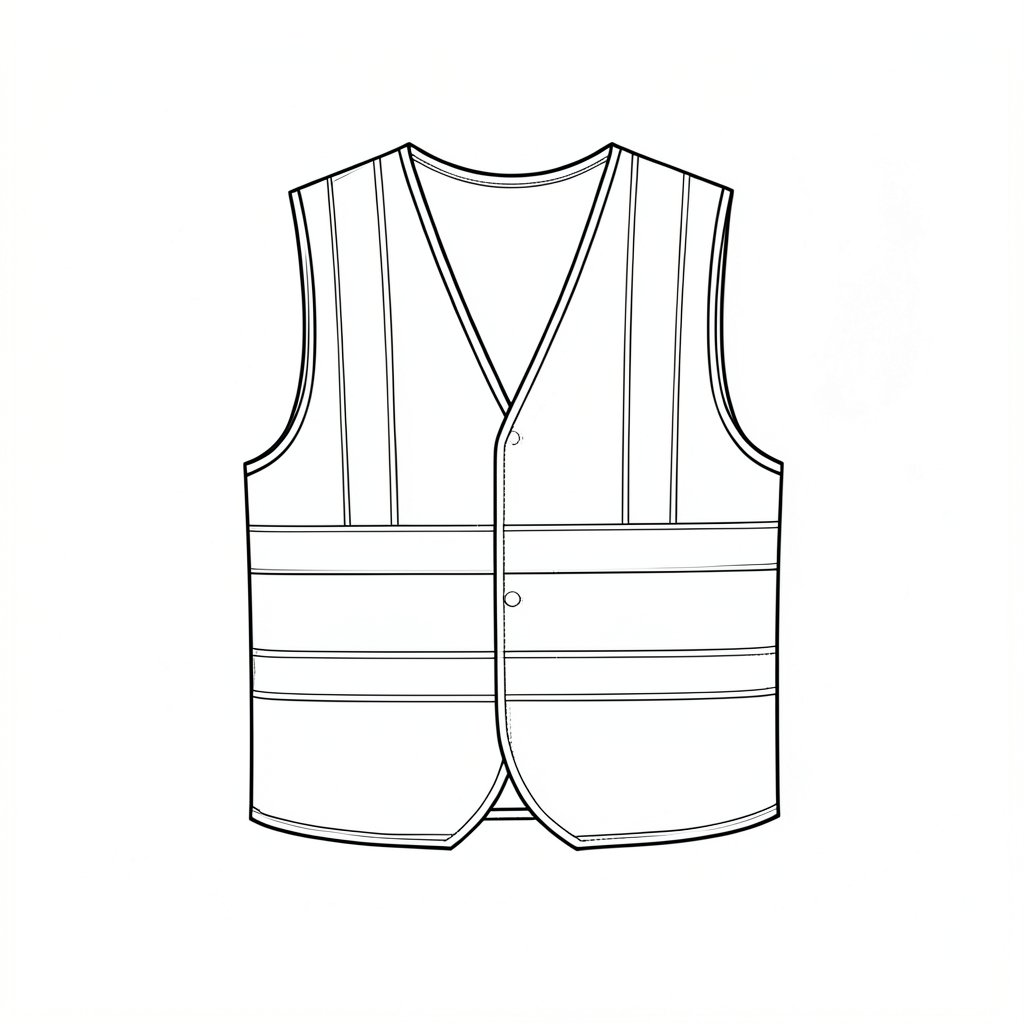
Not every hi-vis vest offers the same level of visibility, and the difference between classes is not a matter of brand quality — it is a specific, measured amount of fluorescent background material and reflective tape area, matched to how much risk the wearer faces from vehicle traffic in their actual working environment.
The three classes explained
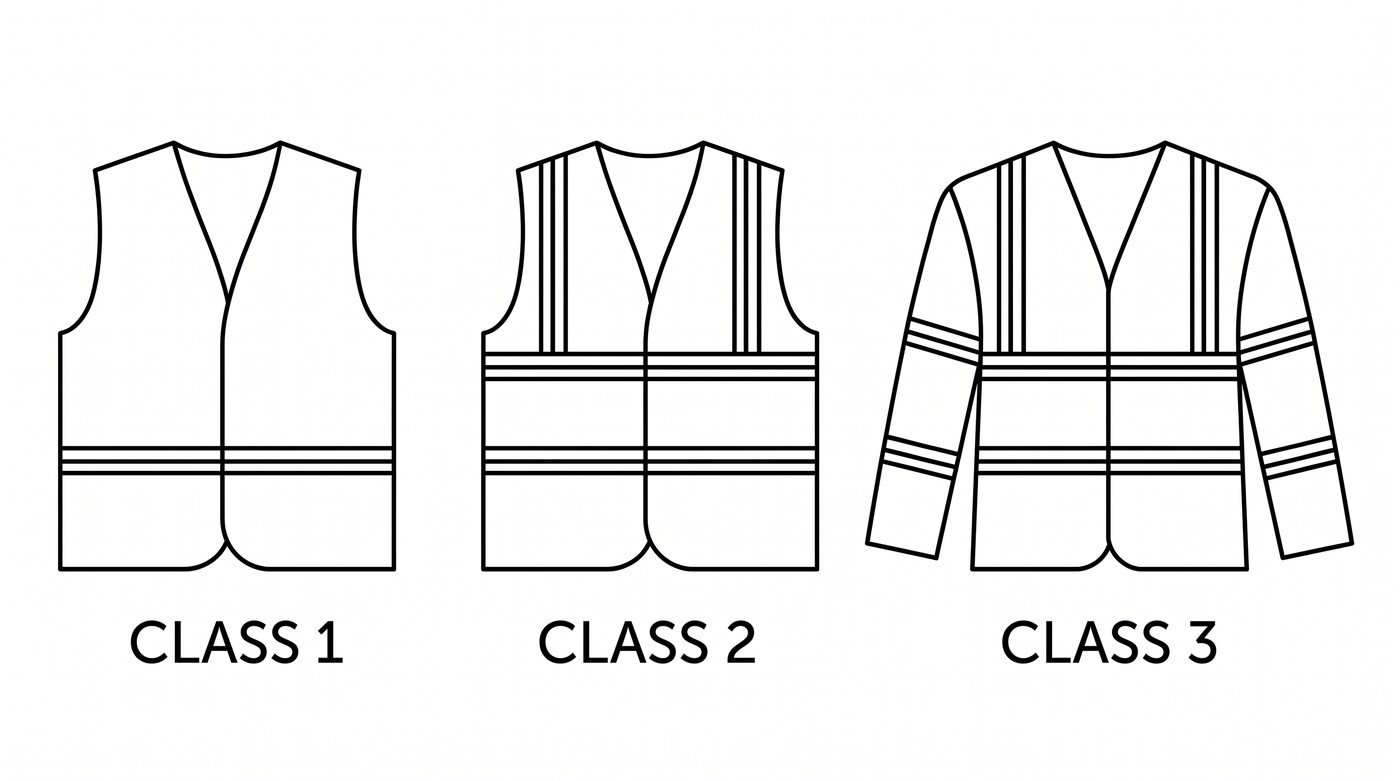
EN ISO 20471 defines three classes of high-visibility clothing based on the area of fluorescent and retroreflective material the garment provides, with Class 3 offering the greatest coverage, Class 2 a moderate level, and Class 1 the minimum, typically found on accessories like a simple vest rather than full garments. Class 3 requires coverage of the torso and full sleeves or separate garments combining to reach the equivalent area, which is why a genuine Class 3 vest alone, without sleeves, typically cannot meet the requirement on its own.
Matching class to actual traffic exposure
Selecting a hi-vis class should reflect the vehicle speed, traffic density, and available separation distance in the actual work area, not simply defaulting to whatever class is already stocked. Warehouse floor workers moving between racking aisles with regular forklift traffic at low speed and short sightlines have a different exposure profile than dock workers directing vehicles in an open yard with vehicles moving at higher speed and less predictable paths, and the appropriate class can genuinely differ between these two roles within the same site.
Fluorescent background versus retroreflective tape
The fluorescent background material works in daylight and low-light conditions by standing out against typical backgrounds, while the retroreflective tape works specifically by reflecting vehicle headlights directly back toward the driver in darkness, and a garment needs both elements in the correct proportion to achieve its rated class, not simply an abundance of one at the expense of the other. A garment with extensive fluorescent fabric but minimal or degraded reflective tape underperforms in low-light and nighttime conditions regardless of how visible it appears under normal daylight.
Condition and laundering
Fluorescent fabric loses brightness with repeated washing and UV exposure over time, and reflective tape can crack, peel, or lose its reflective properties well before the garment itself looks obviously worn out. A hi-vis garment that has faded or has visibly degraded tape no longer performs to its original rated class even though it may still be structurally intact, and garments should be inspected against this specific degradation, not just general wear and tear.
Layering with other PPE
Hi-vis outer layers worn over other required PPE, such as a hard hat or a warm jacket in a cold store, need to maintain the garment’s rated coverage area even once layered, since a hi-vis vest that becomes partially obscured by a bulky jacket underneath or a harness worn over it can lose enough visible area to drop below its intended class in practice, even though the garment itself is unchanged.
For traffic management controls that work alongside hi-vis clothing, see forklift-pedestrian segregation and warehouse traffic management.
Related standards
The standards below set the test methods and performance levels behind the equipment referenced in this note.
- EN ISO 20471 — High-visibility clothing
- EN ISO 13688 — General requirements for protective clothing
- EN ISO 20345 — Safety footwear
Common errors
1Using a Class 2 vest for a role with genuine higher-speed vehicle traffic exposure that warrants Class 3.
2Assuming a garment with extensive fluorescent fabric but degraded reflective tape still performs adequately in low light.
3Continuing to use faded hi-vis garments or those with visibly degraded reflective tape.
4Layering other PPE over hi-vis clothing in a way that obscures enough area to drop below its intended class.
Frequently asked questions
What determines a garment's hi-vis class under EN ISO 20471?
The area of fluorescent background material and retroreflective tape the garment provides, with Class 3 offering the greatest coverage and Class 1 the minimum.
Can a vest alone meet Class 3 requirements?
Typically not on its own; Class 3 requires coverage of the torso and full sleeves, or separate garments combining to reach the equivalent area.
Why does a hi-vis garment need both fluorescent fabric and reflective tape?
Fluorescent fabric works in daylight and low light by standing out against backgrounds, while reflective tape works specifically by reflecting vehicle headlights back toward the driver in darkness; both are needed in correct proportion.
Does a hi-vis garment stop performing to its rated class before it looks visibly worn out?
Yes, fluorescent fabric loses brightness with washing and UV exposure, and reflective tape can crack or peel, both reducing performance well before the garment looks obviously worn.
Why should hi-vis class selection differ between roles on the same site?
Vehicle speed, traffic density and available separation distance vary by role, so a warehouse floor worker and a yard-based dock worker can have genuinely different appropriate classes.
Need this as a document you can issue? The template library gives you the risk assessments, permits and inspection logs in editable form — and employer plans cover a whole team with completion records.