Safety / Tips and Tricks / Explosive atmosphere
Activity 08
Explosive Atmosphere
ATEX zone classification, antistatic PPE, equipment certification and ignition source control — the technique notes that keep work in hazardous areas planned rather than improvised.
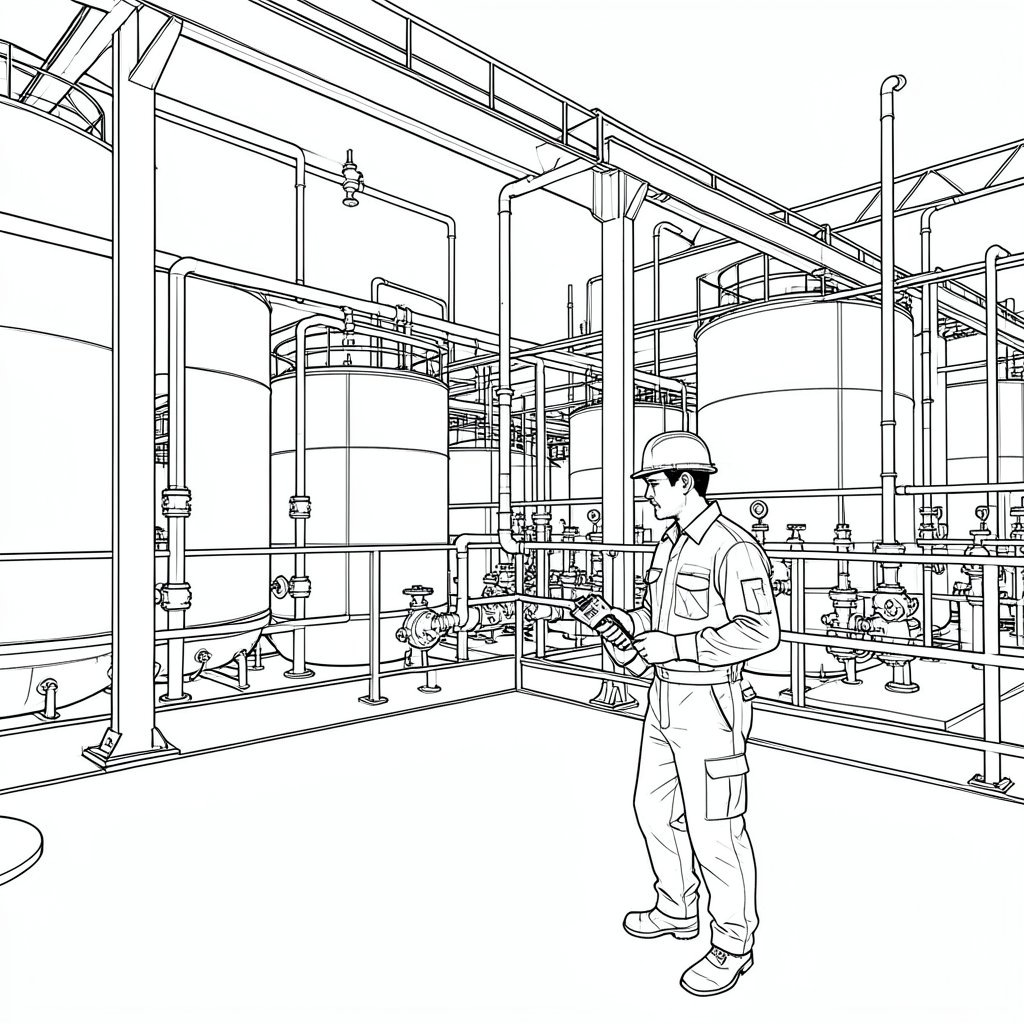
16 technique notes
Work in explosive atmospheres carries the risk of fire and explosion. These notes are a starting point for competent, trained personnel; they do not replace a site’s own hazardous area classification study, explosion protection document, permit-to-work system, or equipment certification records.
Frequently asked questions
What does this Explosive Atmosphere activity page cover?
A library of technique notes covering ATEX zone classification, antistatic PPE, equipment certification, ignition source control, gas detection, permit work, and emergency response for areas where flammable gas, vapour or combustible dust may be present.
What do the category filters mean?
They group the technique notes by purpose: choosing the right equipment, product information and specifications, basic techniques, expert techniques for more advanced situations, and a dedicated rescue category.
Are these technique notes a substitute for a site's own hazardous area classification?
No, they are a starting point for competent, trained personnel and do not replace a site's own zone classification study, explosion protection document, permit-to-work system, or equipment certification records.
Does this activity cover combustible dust as well as flammable gas?
Yes, the technique notes cover both gas and vapour zones and combustible dust zones, including the secondary explosion risk that settled dust accumulation creates.
How does this activity page relate to the rest of SafetyOrbit?
It is one activity within the wider Tips and Tricks guidance structure, sitting alongside the EN standards library and the welding, chemical handling and confined space activities referenced throughout the individual technique notes.