Safety / Tips and Tricks / Explosive Atmosphere
Activity 08 · Explosive Atmosphere
Gas Detection and Atmospheric Monitoring for Explosive Atmospheres
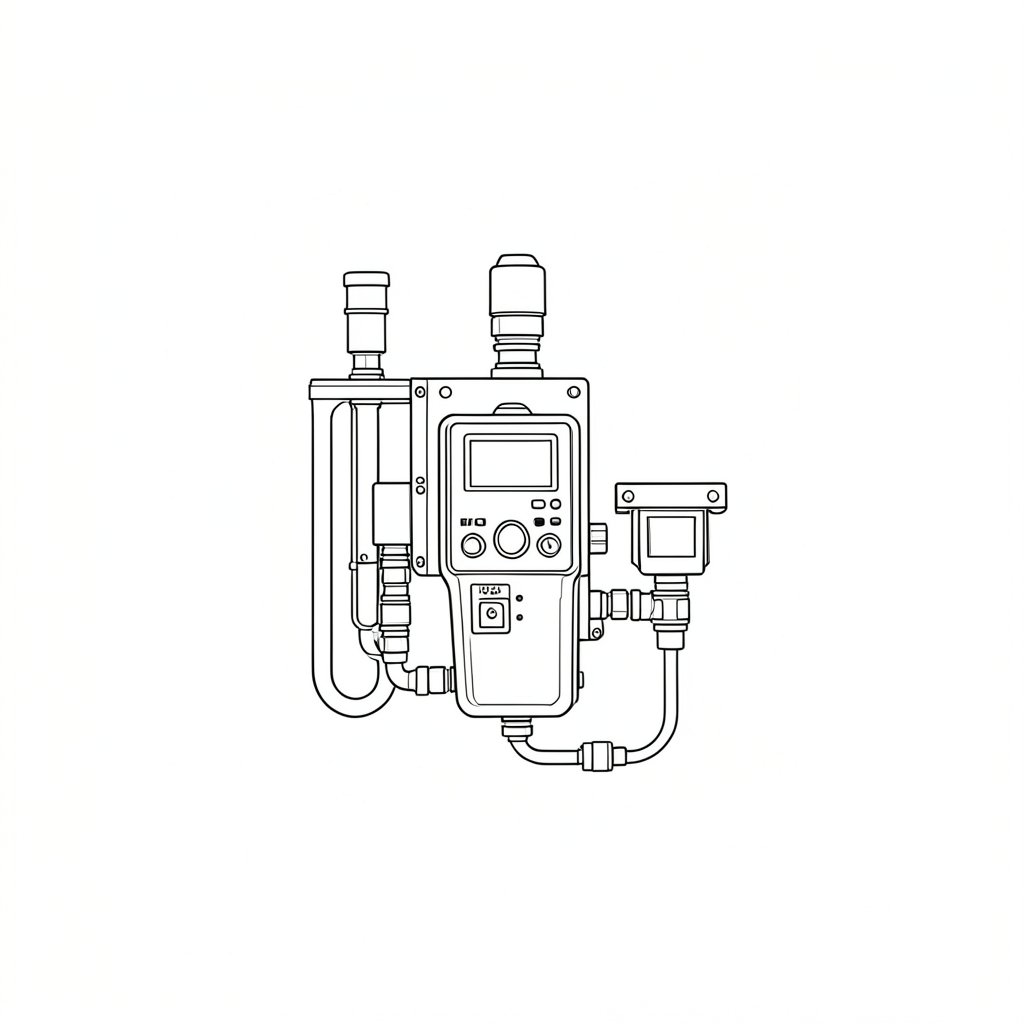
A gas detector answers a very specific question — how much of a particular gas is present, at this exact point, right now — and most gas detection failures come not from the instrument malfunctioning but from that specific answer being applied to a broader question it was never capable of answering.
Lower explosive limit and what percentage readings mean
Combustible gas detectors typically read as a percentage of the lower explosive limit rather than as an absolute concentration, meaning a reading of ten percent LEL indicates the atmosphere has reached a tenth of the concentration needed to become explosive, not that it is ten percent gas. Alarm thresholds are usually set well below the LEL specifically to provide warning margin, and treating a low but non-zero LEL reading as acceptable simply because it is far from one hundred percent misunderstands both the margin the threshold provides and how quickly conditions can change.
Fixed versus portable detection
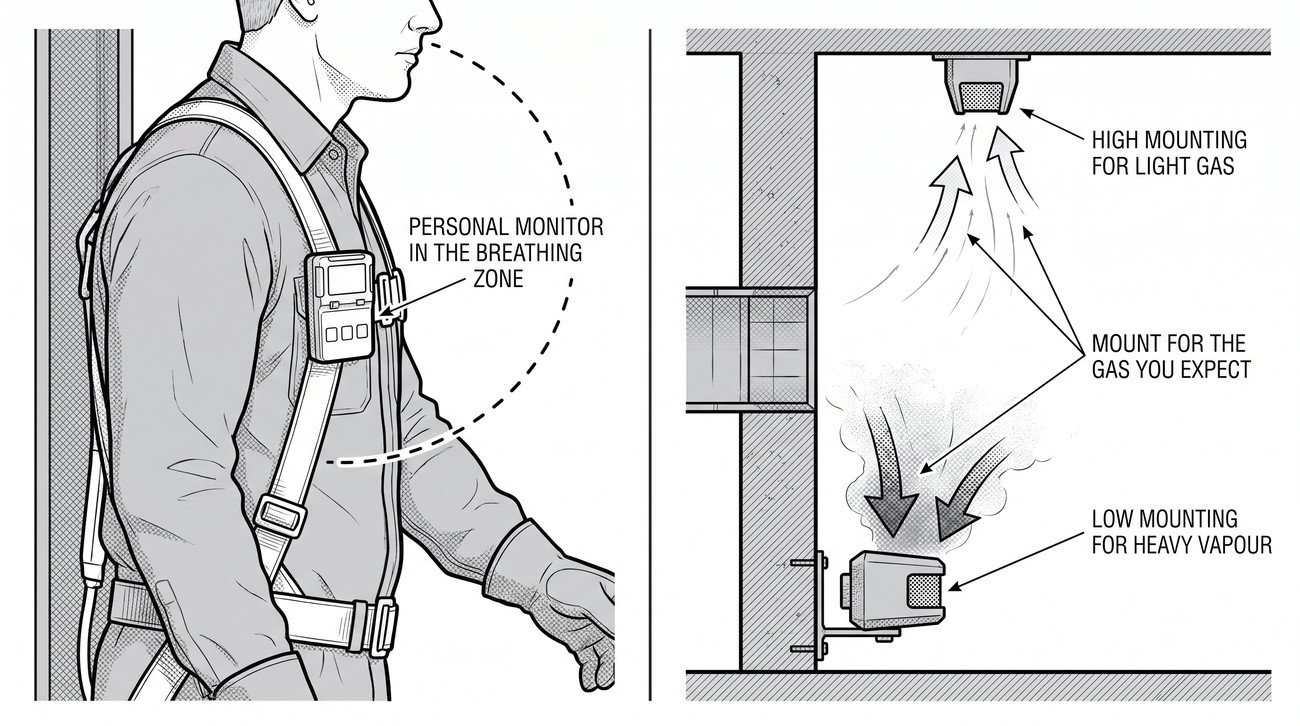
Fixed detection systems monitor a specific location continuously and can trigger automated responses such as ventilation or shutdown, while portable detectors travel with a worker and answer what the atmosphere is where that person actually is, which can differ substantially from what a fixed detector some distance away is reading. Neither substitutes for the other — a fixed system does not protect a worker who has moved away from its sampling point, and a portable detector does not provide the continuous area coverage or automated response a fixed system does.
Sensor types and cross-sensitivity
Different sensor technologies respond to different gases with different sensitivity, and some sensors respond to gases other than the one they are calibrated for, producing readings that appear to indicate one gas when another is actually present. Understanding what a specific detector is calibrated for, and what else might trigger a response on that sensor, prevents both false confidence when a sensor cannot detect the gas actually present and misinterpretation when it responds to something unexpected.
Calibration and bump testing
Bump testing — briefly exposing a detector to a known test gas to confirm it responds and alarms — verifies the instrument is functional, while full calibration adjusts its accuracy against a known concentration, and these are two different checks serving different purposes. A detector that has not been bump tested before use can fail silently, reading zero not because the atmosphere is clear but because the sensor is no longer responding at all, which is the most dangerous possible failure mode for the instrument.
Oxygen readings alongside combustible gas
Combustible gas sensors of certain types require oxygen to function correctly, and an oxygen-deficient atmosphere can cause them to under-read the actual combustible gas concentration present, which is why multi-gas instruments monitoring oxygen alongside combustible gas provide a genuinely more reliable picture than a combustible-only reading in an atmosphere where oxygen level is uncertain.
For applying this monitoring during permitted work, see hot work permits in explosive atmospheres.
Related standards
The standards below set the test methods and performance levels behind the equipment referenced in this note.
- EN 136 — Full face masks
- EN 140 — Half masks and quarter masks
- EN 1149 — Electrostatic properties of protective clothing
Common errors
1Treating a low but non-zero LEL reading as acceptable without recognizing how quickly conditions can change.
2Relying on a fixed detection system to protect a worker who has moved away from its sampling point.
3Using a detector without bump testing, risking a silent sensor failure that reads zero regardless of the actual atmosphere.
4Interpreting a combustible gas reading without accounting for oxygen level where certain sensor types can under-read in oxygen-deficient conditions.
Frequently asked questions
What does a percentage LEL reading actually mean?
It indicates what fraction of the lower explosive limit concentration has been reached, so ten percent LEL means a tenth of the concentration needed to become explosive, not ten percent gas.
Can a fixed gas detection system replace a portable detector?
No, a fixed system does not protect a worker who has moved away from its sampling point, while a portable detector does not provide continuous area coverage or automated response.
What is sensor cross-sensitivity and why does it matter?
Some sensors respond to gases other than the one they are calibrated for, producing readings that appear to indicate one gas when another is present, which can cause both false confidence and misinterpretation.
What is the difference between bump testing and calibration?
Bump testing briefly exposes the detector to test gas to confirm it responds and alarms, while calibration adjusts its accuracy against a known concentration; both serve different purposes.
Why does oxygen level affect combustible gas readings?
Certain combustible gas sensor types require oxygen to function correctly, so an oxygen-deficient atmosphere can cause them to under-read the actual combustible gas concentration present.
Need this as a document you can issue? The template library gives you the risk assessments, permits and inspection logs in editable form — and employer plans cover a whole team with completion records.