Safety / Tips and Tricks / Energy and networks
Activity 03 · Energy
Insulating Gloves for Electrical Work: EN 60903 Classes and Voltage Ratings
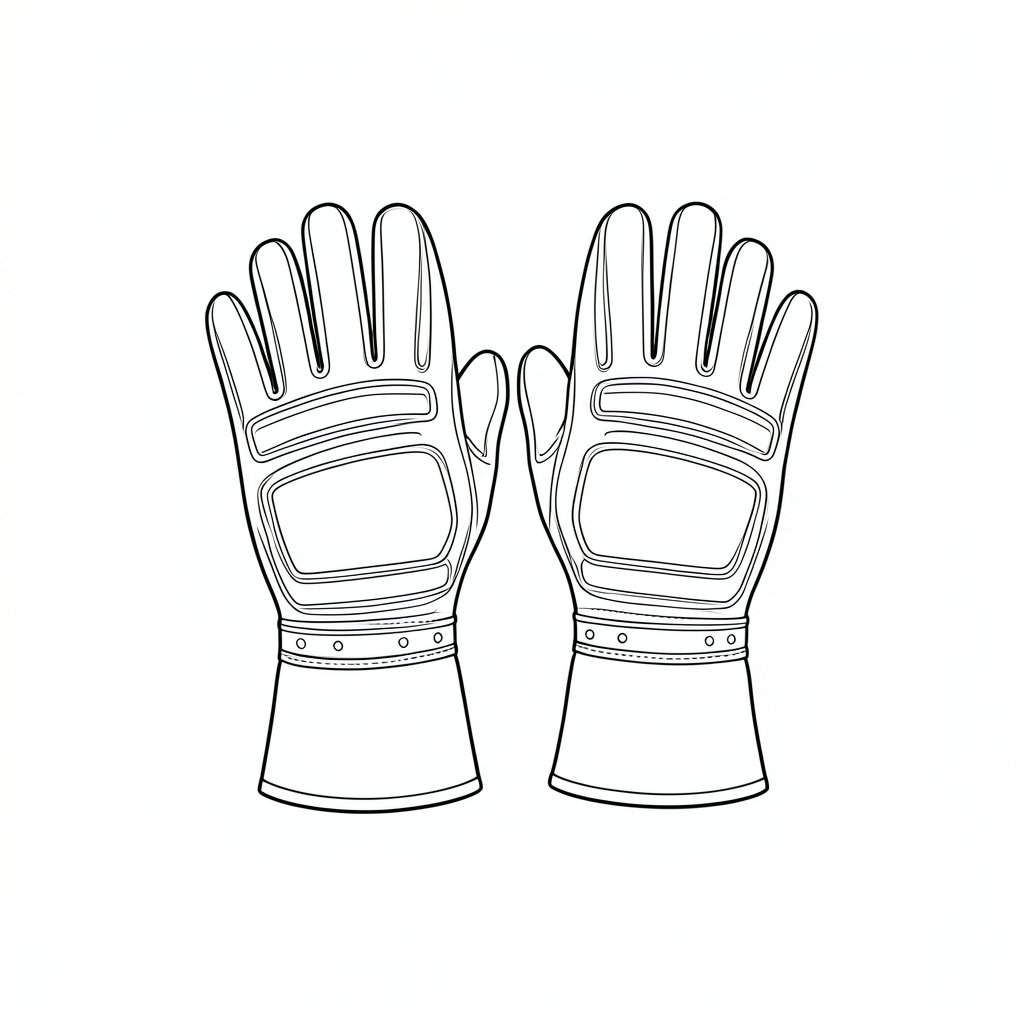
Insulating gloves are rated by class for a specific maximum working voltage, and using the wrong class — or an untested glove entirely — removes the one barrier standing between a worker's hands and a live conductor.
What EN 60903 covers
EN 60903 specifies requirements for gloves and mitts made of insulating material, used for protection against electric shock, covering the classes rated by maximum working voltage, physical property requirements, and marking. Gloves are classified from Class 00 through Class 4, each rated for a specific maximum AC working voltage, with higher classes rated for progressively higher voltages and generally made from thicker, less dexterous material.
Choosing the class for the voltage present
The glove class needs to be selected for the actual system voltage the work will expose the worker to, with an appropriate margin, not the minimum class that technically covers the nominal voltage. Where the exact voltage is uncertain or variable, selecting for the higher plausible figure is the safer default. A glove rated for a voltage below what is actually present provides a false sense of protection that is worse than no glove at all, since it invites contact that would otherwise be avoided.
Leather protectors and mechanical damage
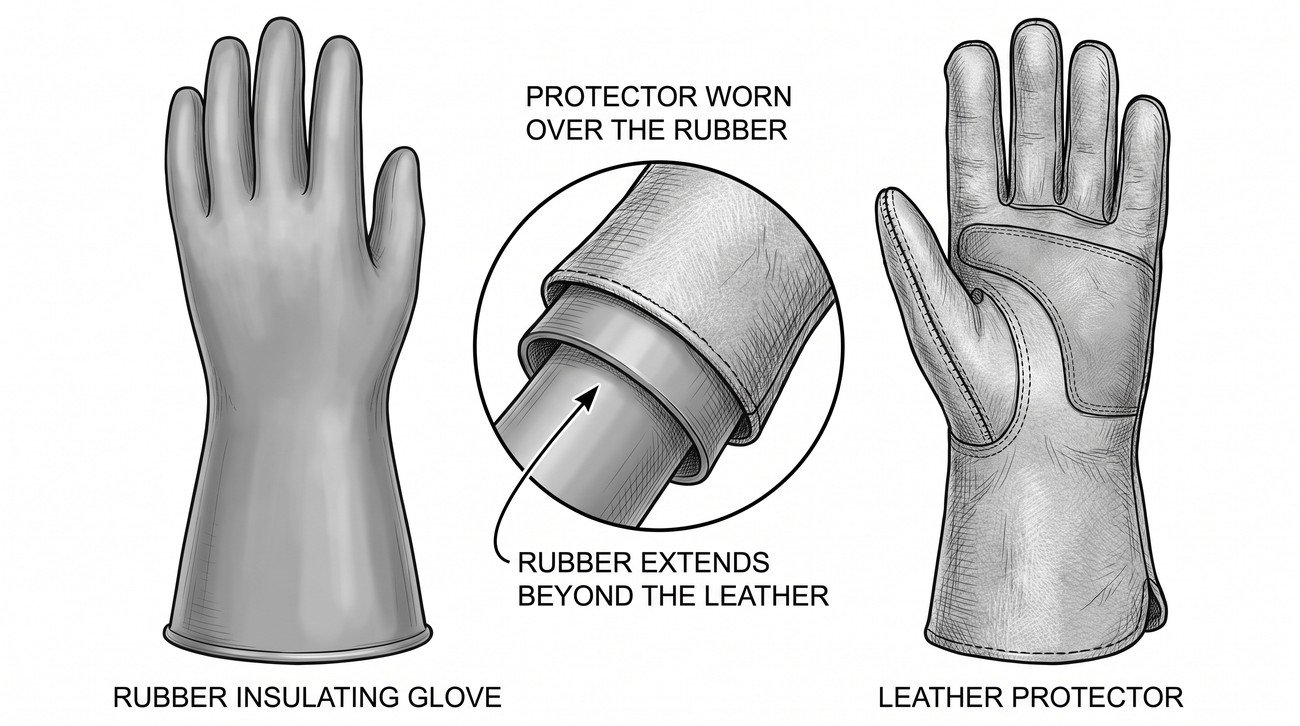
The insulating glove’s rubber or synthetic material is vulnerable to cuts, punctures and abrasion that can compromise its insulating performance without being visible at a glance. A separate leather protector glove worn over the insulating glove guards against this mechanical damage during the task; working with insulating gloves alone, without protectors, on tasks involving sharp edges or abrasive surfaces increases the chance of an undetected breach.
Inspection and air testing
Insulating gloves need visual inspection before every use, checking for cuts, punctures, embedded material, swelling or other surface damage, and should be air-tested — inflated and checked for leaks — as part of that routine, since a pinhole leak is not always visible without inflating the glove. Beyond the pre-use check, gloves need periodic electrical testing at a set interval to confirm they still meet their rated insulation performance, since insulating material can degrade in ways that are not visible or detectable by inflation testing alone.
For the broader PPE system these gloves are part of, see arc flash risk assessment, and for confirming a circuit is actually dead before gloves are removed, see testing for absence of voltage.
Common errors
1Selecting a glove class based on the nominal voltage without an adequate margin, or when the actual voltage present is uncertain.
2Working with insulating gloves alone on tasks with sharp edges or abrasive surfaces, without a leather protector glove.
3Skipping the pre-use air test because the glove looks undamaged.
4Continuing to use gloves past their periodic electrical retest interval.
Frequently asked questions
What does EN 60903 classify insulating gloves by?
Class, from 00 through 4, each rated for a specific maximum AC working voltage, along with physical property requirements and marking for gloves and mitts made of insulating material.
How should the glove class be chosen for a task?
For the actual system voltage the work will expose the worker to, with an appropriate margin, not the minimum class that technically covers the nominal voltage – when the voltage is uncertain, selecting for the higher plausible figure is safer.
Why are leather protector gloves worn over insulating gloves?
The insulating material is vulnerable to cuts, punctures and abrasion that can compromise its insulating performance without being visible, and the leather protector guards against this mechanical damage during the task.
Why do insulating gloves need air testing, not just a visual check?
A pinhole leak is not always visible without inflating the glove and checking for leaks, so air testing catches damage a purely visual inspection can miss.
Why do insulating gloves need periodic electrical retesting beyond the daily pre-use check?
Insulating material can degrade over time in ways that are not visible or detectable by inflation testing alone, so periodic electrical testing confirms the glove still meets its rated insulation performance.
Need this as a document you can issue? The template library gives you the risk assessments, permits and inspection logs in editable form — and employer plans cover a whole team with completion records.