Safety / Tips and Tricks / Energy and networks
Activity 03 · Energy
Selecting Arc-Rated Clothing: EN 61482 Explained
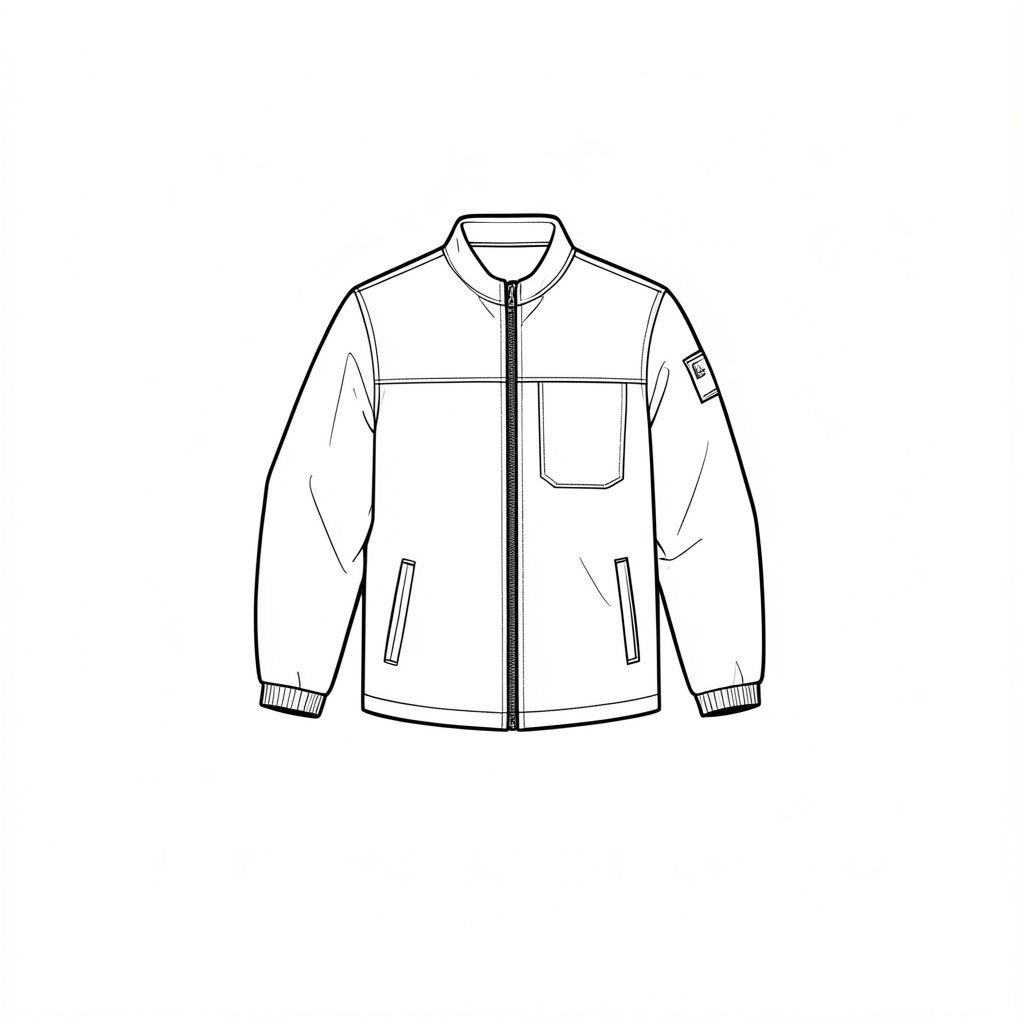
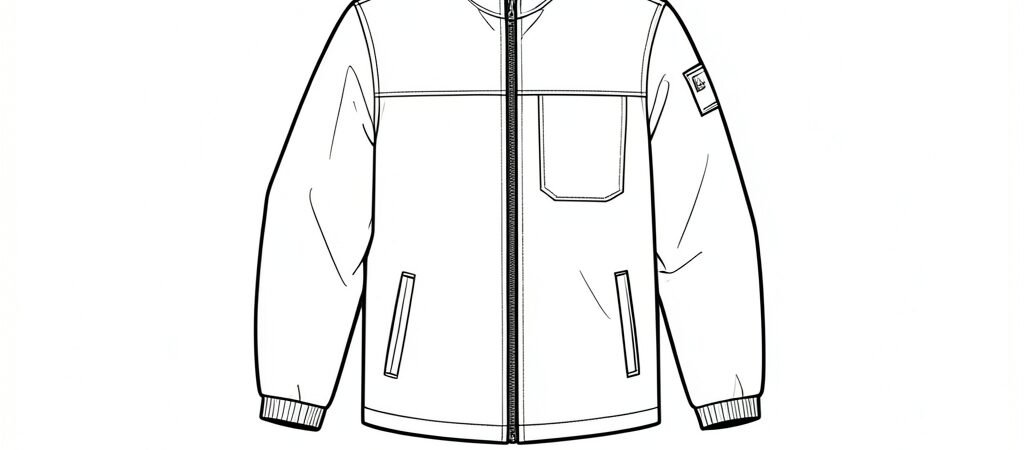
Arc-rated clothing is tested and rated specifically against the thermal energy of an electric arc, which is a different hazard from general flame exposure, and treating the two as interchangeable is a common and consequential mistake.
What EN 61482 actually tests
EN 61482 covers protective clothing against the thermal hazards of an electric arc, with two main test methods: EN 61482-1-1 determines an arc thermal performance value from an open arc exposure, while EN 61482-1-2 uses a box test to classify garments into Class 1 or Class 2 based on the arc exposure they withstand without transmitting a burn injury. A garment’s specific arc rating — whichever method produced it — needs matching against the incident energy figure the task’s risk assessment produced, not selected by general reputation or price point.
Why arc-rated is not the same as flame-resistant
A flame-resistant garment is designed to resist ignition and self-extinguish, which is valuable but does not by itself indicate how much arc thermal energy the fabric will transmit to the wearer during an arc event. A garment can be flame-resistant without carrying any tested arc rating at all. For work where arc flash is the identified hazard, the garment needs a specific, documented arc rating from testing to EN 61482, not just a flame-resistant label.
Layering and the total system rating
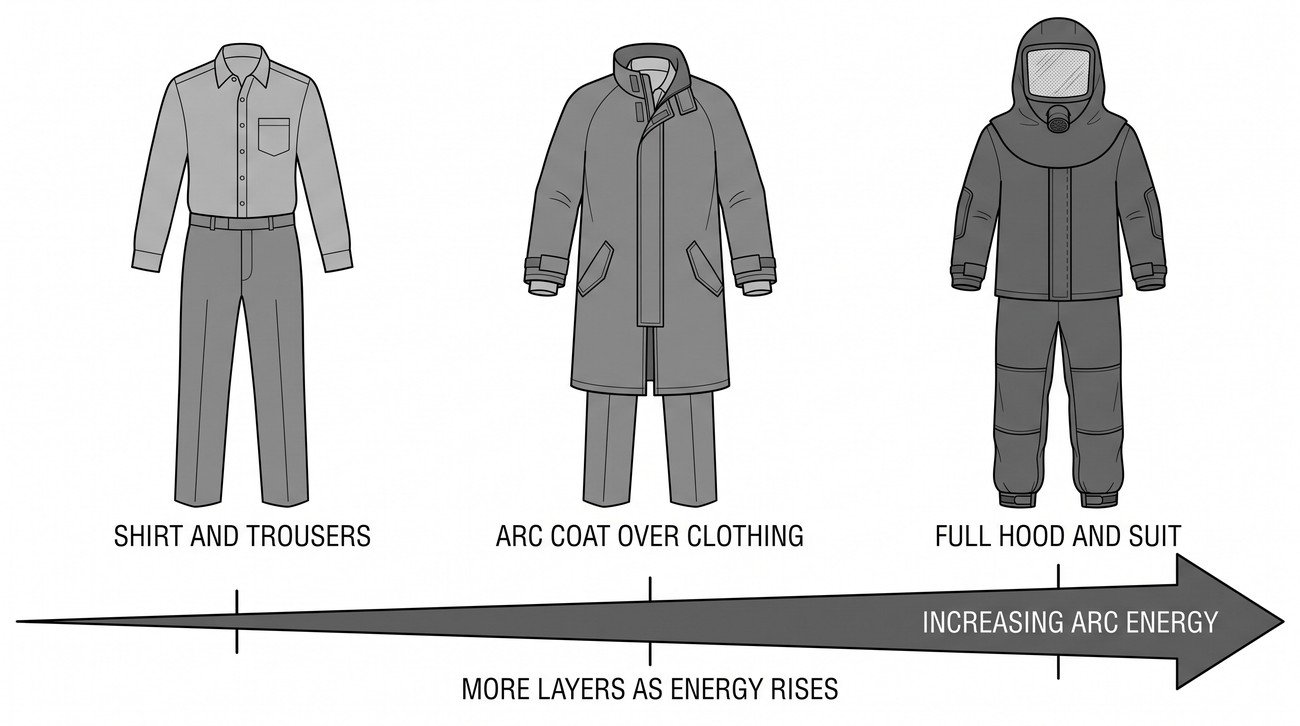
Where multiple garment layers are worn together, the combined system’s arc rating is not simply the sum of each garment’s individual rating. Manufacturers test specific layering combinations and publish the arc rating for that combination; substituting an untested base layer, especially a non-arc-rated synthetic that can melt into the skin under heat, can undermine the protection the outer garment alone would otherwise provide.
Fit, coverage and condition
An arc-rated garment protects only the area it actually covers, and gaps at the wrists, neck or waist where skin or ordinary clothing is exposed defeat the purpose of the rated layer. Garments also need to be worn in serviceable condition: contamination with flammable substances, significant wear, or unauthorized alterations such as added non-rated patches can all reduce the protection below its tested rating.
For how the required rating is determined, see arc flash risk assessment, and for head and face protection in the same system, see selecting a helmet and face shield for arc flash work.
Common errors
1Treating a flame-resistant garment as equivalent to an arc-rated one without a documented arc rating.
2Wearing a non-arc-rated synthetic base layer underneath a rated outer garment.
3Selecting a garment's arc rating without reference to the task's actual calculated incident energy.
4Leaving gaps at the wrists, neck or waist where the rated garment does not fully cover exposed skin.
Frequently asked questions
What does EN 61482 actually certify?
Protective clothing against the thermal hazards of an electric arc, using either an open arc exposure test that produces an arc thermal performance value, or a box test that classifies garments into Class 1 or Class 2.
Is flame-resistant clothing the same as arc-rated clothing?
No. Flame resistance means a fabric resists ignition and self-extinguishes, but it does not by itself indicate how much arc thermal energy is transmitted through to the wearer – arc-rated clothing carries a specific rating from testing to EN 61482.
Can garment arc ratings simply be added together when layering?
No, manufacturers test specific layering combinations and publish a rating for that combination – substituting an untested layer, especially a non-arc-rated synthetic, can undermine the protection even if the outer garment alone is highly rated.
Why does fit matter as much as the garment's rating?
An arc-rated garment only protects the area it actually covers, so gaps at the wrists, neck or waist expose skin or ordinary clothing regardless of how high the garment's own rating is.
What can reduce an arc-rated garment's protection below its tested rating?
Contamination with flammable substances, significant wear, or unauthorized alterations such as added non-rated patches can all reduce the protection the garment actually provides in service.
Need this as a document you can issue? The template library gives you the risk assessments, permits and inspection logs in editable form — and employer plans cover a whole team with completion records.