Safety / Tips and Tricks / Chemical Handling
Activity 06 · Chemical Handling
Spill Response and Containment
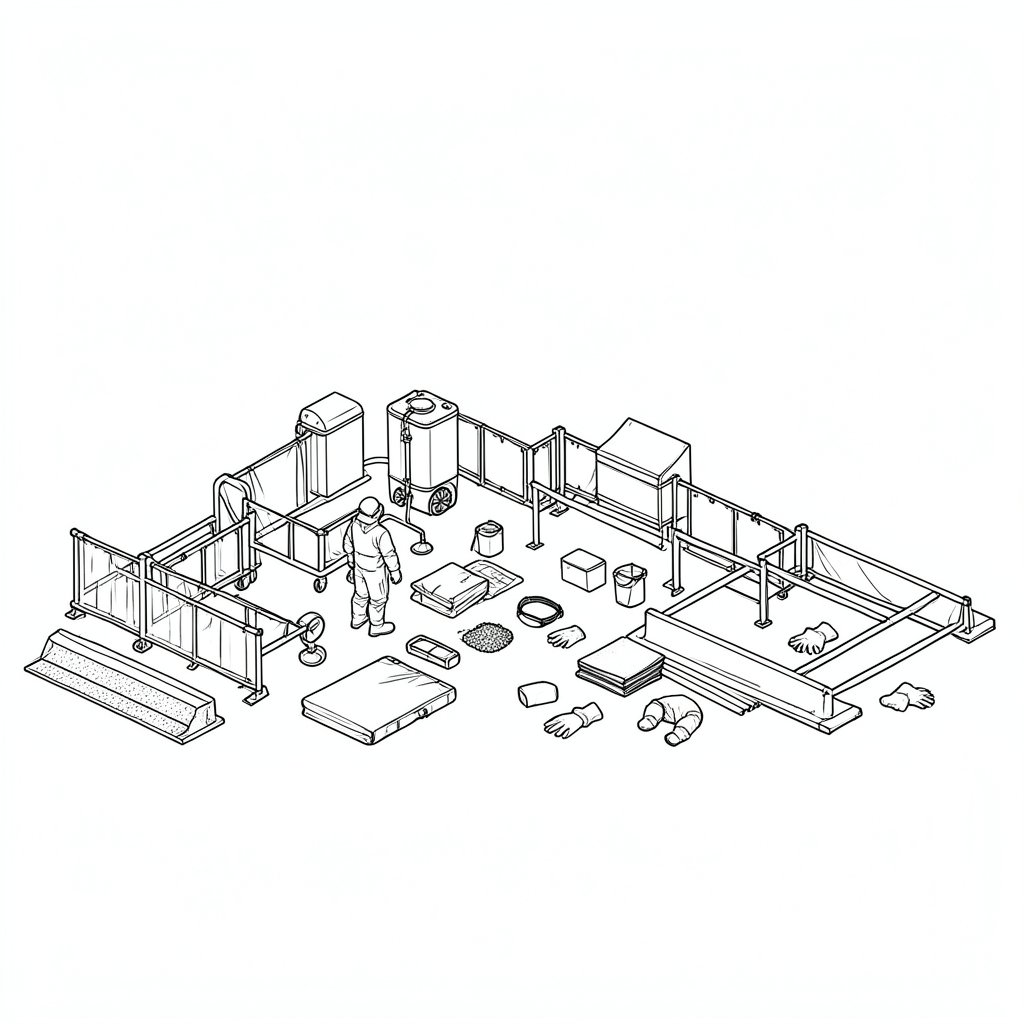
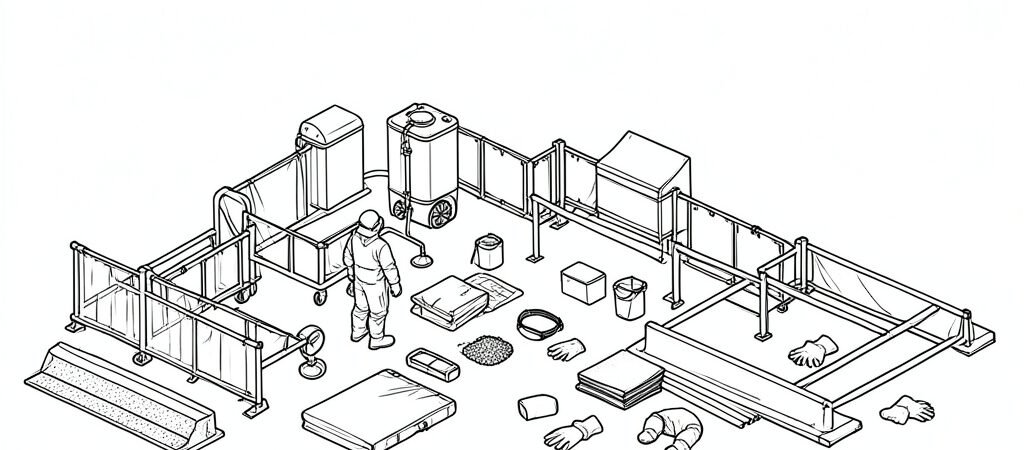
The first minute after a chemical spill determines far more about the eventual outcome than anything done in the following hour, and a response plan that has been thought through in advance — what to do, what not to do, and when to stop and call for help — consistently outperforms good intentions improvised in the moment.
The first decision: contain versus evacuate
The very first judgment on discovering a spill is whether it is within the capability of the people present to safely contain, or whether it exceeds that capability and calls for evacuation and specialist response instead, and this decision should be based on the chemical’s hazard class, the spill’s size, and the responder’s own training and equipment, not on a general instinct to intervene. A spill of a highly toxic, corrosive, or flammable chemical beyond a small quantity, or any spill where the responder is not confident in the correct response, calls for evacuation and a specialist response rather than an improvised containment attempt.
Containing rather than diluting
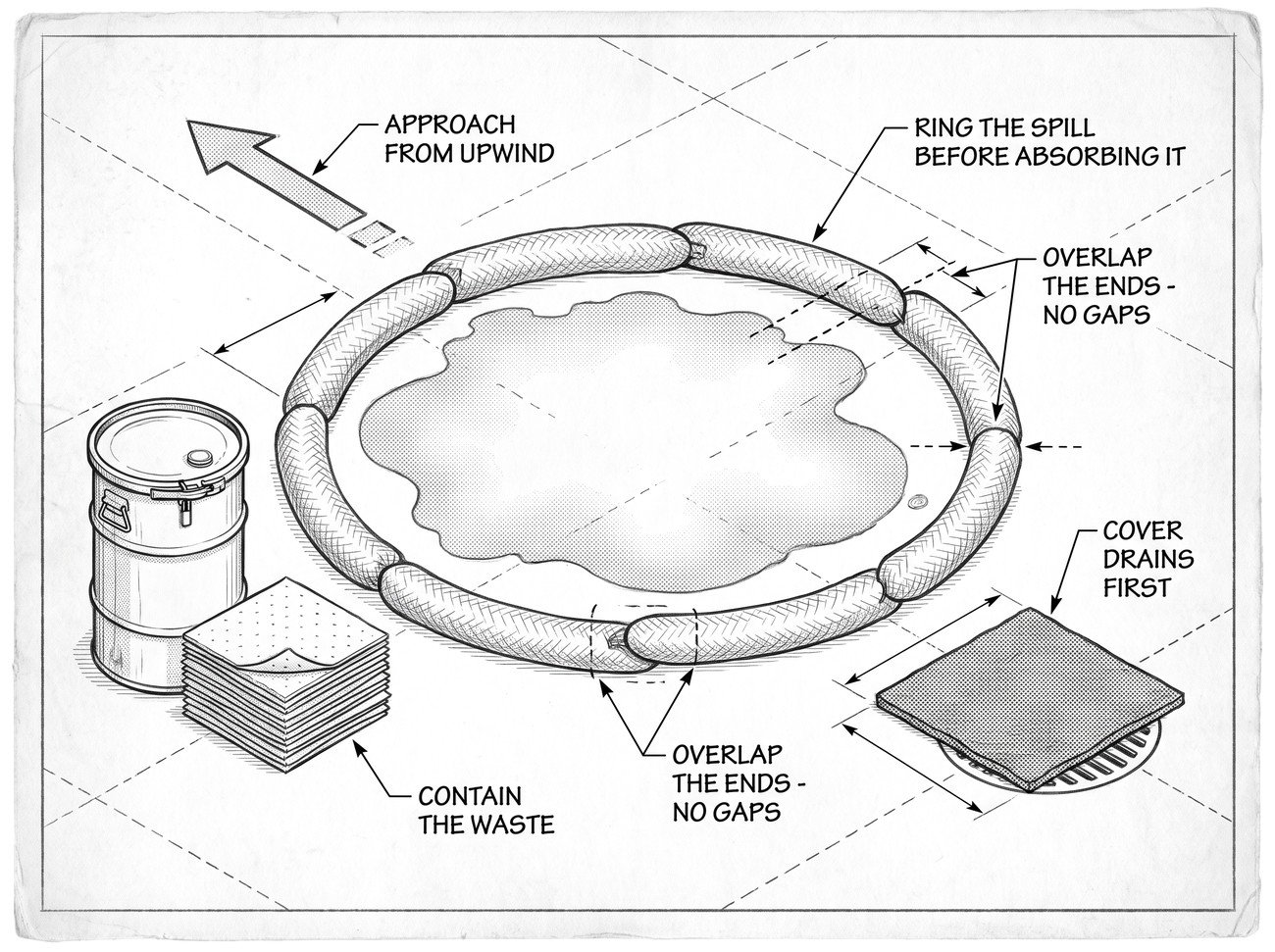
Containing a spill — using absorbent material or spill booms to stop it spreading further, rather than attempting to dilute or wash it away with water — keeps the volume and area of contamination smaller and avoids the frequent mistake of turning a contained spill into a larger, harder-to-manage liquid volume. Water is the wrong response for many chemical spills specifically, since it can react with certain chemicals, spread others further, or simply increase the total volume that then needs to be collected and disposed of.
Matching absorbent material to the chemical
General-purpose absorbents work for many spills, but some chemicals require a specific absorbent type — an acid-neutralizing absorbent for acid spills, for instance, rather than a generic absorbent that only soaks up the liquid without addressing its hazard — and the correct absorbent for chemicals regularly handled on site should be identified and stocked in advance, not sourced for the first time during an active spill response.
Direction of work and ventilation
Working from the outside edge of a spill toward the center, rather than moving directly into it, limits the responder’s own contamination and tracking of the chemical to a wider area, and ensuring adequate ventilation during response, particularly for volatile or toxic chemicals, prevents vapour concentration building in the response area itself. Both of these are simple procedural points that are easy to overlook when attention is focused on the spill itself rather than on the mechanics of a safe response.
Disposal and reporting
Contaminated absorbent material and any recovered chemical need to be disposed of according to the chemical’s own waste classification, not treated as general waste regardless of what it contains, and spills above a threshold quantity, or any spill involving a reportable chemical, typically require documentation and, depending on the substance and quantity, external reporting. Confirming these requirements in advance for the chemicals actually in use avoids scrambling to determine them during or immediately after an active response.
For the personal decontamination that follows a spill response, see decontamination: emergency showers and eyewash.
Related standards
The standards below set the test methods and performance levels behind the equipment referenced in this note.
- EN 374 — Chemical resistant gloves
- EN 14605 — Chemical protective clothing (liquid-tight)
- EN 136 — Full face masks
- EN 166 — Eye protection
Common errors
1Attempting to contain a spill that exceeds the responder's training, equipment, or the chemical's hazard class.
2Using water to dilute a chemical spill that reacts with water or is spread further by it.
3Using a generic absorbent for a chemical that requires a specific neutralizing or reactive absorbent type.
4Disposing of contaminated spill material as general waste without checking the chemical's actual waste classification.
Frequently asked questions
What is the first decision to make when a chemical spill is discovered?
Whether it is within the capability of the people present to safely contain, or whether it exceeds that capability and calls for evacuation and specialist response instead, based on hazard class, spill size, and the responder's own training and equipment.
Why is water often the wrong response to a chemical spill?
It can react with certain chemicals, spread others further, or simply increase the total volume that then needs to be collected and disposed of, so containing with absorbent material is generally preferred over dilution.
Why does the type of absorbent material matter?
Some chemicals require a specific absorbent, such as an acid-neutralizing absorbent for acid spills, rather than a generic absorbent that only soaks up the liquid without addressing its hazard.
Which direction should a responder work when containing a spill?
From the outside edge toward the center, rather than moving directly into the spill, which limits the responder's own contamination and tracking of the chemical to a wider area.
Does contaminated spill material get disposed of as general waste?
No, it needs to be disposed of according to the chemical's own waste classification, and spills above a threshold quantity or involving a reportable chemical typically require documentation and possible external reporting.
Need this as a document you can issue? The template library gives you the risk assessments, permits and inspection logs in editable form — and employer plans cover a whole team with completion records.