Safety / Tips and Tricks / Chemical Handling
Activity 06 · Chemical Handling
Chemical Transfer and Pump Safety
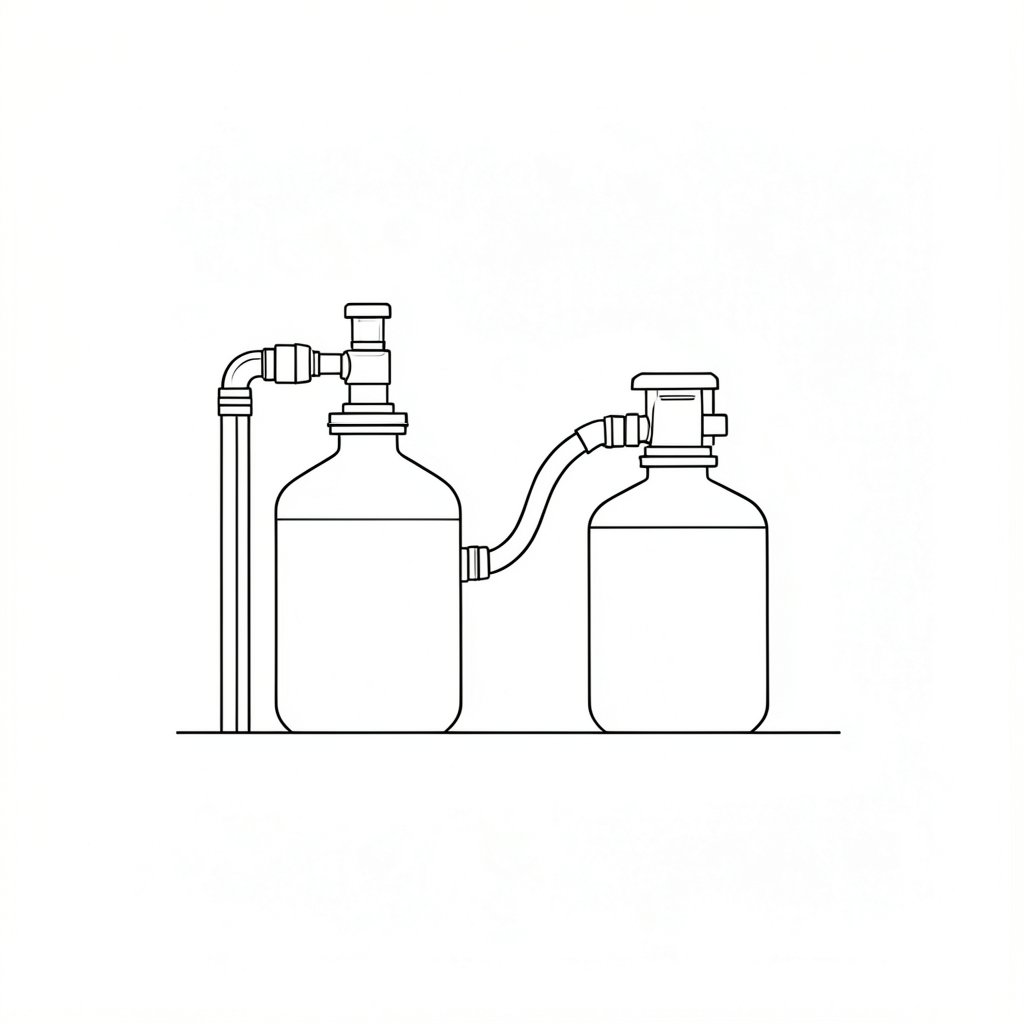
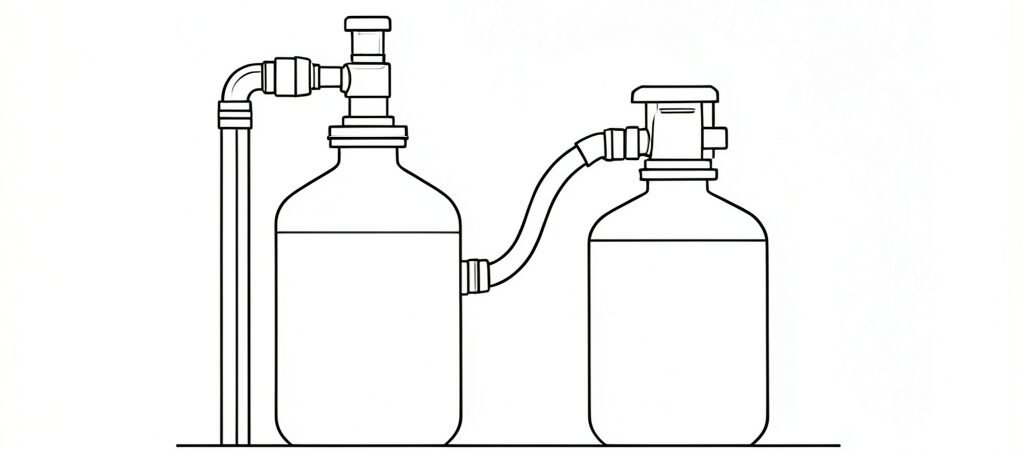
Most chemical exposure incidents during transfer happen not because a container failed, but because of the connections and moving parts between two containers — a hose, a coupling, a pump seal — each a specific point where the transfer can go wrong even when both the source and destination containers are entirely sound.
Hose and coupling compatibility
A hose or coupling rated for one chemical can degrade rapidly when used for a different one, in exactly the same way a glove or boot material can, and using general-purpose transfer equipment across multiple different chemicals without checking material compatibility for each one risks a failure at the connection rather than within either container. Camlock and other quick-connect couplings should be matched by type across the hose and both connection points, since a mismatched or force-fitted coupling is a common source of leaks during transfer that has nothing to do with the chemical’s own hazard properties.
Pump seal integrity
Pump seals wear over time and with exposure to specific chemicals, and a seal beginning to fail often shows early signs — a slow weep, a change in pump sound, reduced flow — before a full failure occurs, which makes routine visual and functional inspection before each transfer a genuinely effective control rather than a formality. Continuing to use a pump with a known early-stage seal issue, planning to address it after the current transfer, risks that issue developing into a full failure during the very transfer the operator is trying to complete.
Static bonding during transfer
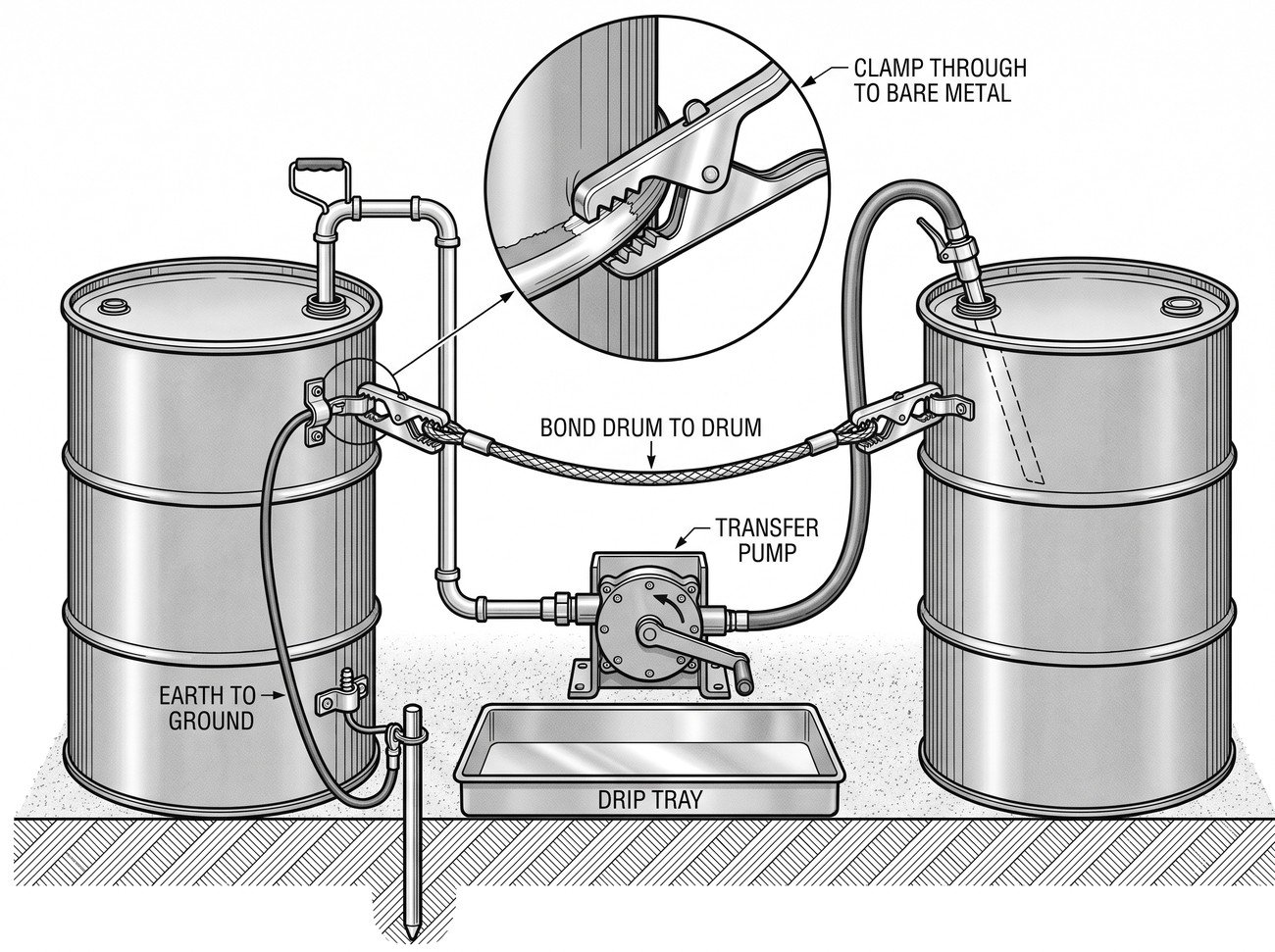
Transferring certain chemicals, particularly flammable liquids, generates static charge as the liquid moves through hose and equipment, and bonding — connecting the source and destination containers with a conductive cable so they share the same electrical potential — prevents that static charge from discharging as a spark at the point of transfer. This is covered in more detail alongside the wider static control picture in flammable liquid handling and static control, but bonding specifically at the transfer connection point is a control that applies to the equipment itself, not just the storage area.
Preventing cross-contamination between chemicals
Equipment used for more than one chemical over time can carry residue from a previous transfer into a new one, and where the two chemicals are incompatible, this residual cross-contamination can trigger exactly the kind of reaction that segregated storage is designed to prevent, except now occurring inside the transfer equipment itself. Dedicated equipment for incompatible chemical groups, or a validated cleaning and purging procedure between uses on different chemicals, closes this specific gap.
Positioning and splash-back control
The person operating a transfer should be positioned to avoid splash-back at the connection and disconnection points specifically, since these are the moments most likely to release a small amount of chemical even during an otherwise uneventful transfer, and lines should be depressurized and, where relevant, purged of residual chemical before disconnection rather than disconnected under pressure.
For static control during flammable liquid transfer specifically, see flammable liquid handling and static control.
Related standards
The standards below set the test methods and performance levels behind the equipment referenced in this note.
- ISO 12100 — Safety of machinery
- EN 374 — Chemical resistant gloves
- EN 1149 — Electrostatic properties of protective clothing
Common errors
1Using general-purpose transfer hose and couplings across multiple chemicals without checking material compatibility for each.
2Continuing to use a pump showing early signs of seal wear, planning to address it after the current transfer.
3Reusing transfer equipment across incompatible chemicals without a validated cleaning or purging procedure between uses.
4Disconnecting transfer lines under pressure rather than depressurizing and purging first.
Frequently asked questions
Why can a hose rated for one chemical fail when used for a different one?
Hose and coupling materials degrade differently against different chemicals, the same way glove and boot materials do, so material compatibility needs to be checked for each specific chemical transferred.
Why is routine pump seal inspection worth doing before every transfer?
A seal beginning to fail often shows early signs like a slow weep, a change in pump sound, or reduced flow before a full failure occurs, making inspection a genuinely effective control rather than a formality.
Why does bonding matter during chemical transfer?
Transferring certain chemicals, particularly flammable liquids, generates static charge, and bonding the source and destination containers with a conductive cable prevents that charge from discharging as a spark at the transfer point.
Can transfer equipment used for multiple chemicals cause a hazard even if each chemical is handled safely on its own?
Yes, residue carried over from a previous transfer can cross-contaminate a new one, and if the two chemicals are incompatible, this can trigger a reaction inside the transfer equipment itself.
Why should transfer lines be depressurized before disconnection?
Disconnecting under pressure risks releasing chemical at exactly the connection point, so lines should be depressurized and purged of residual chemical first.
Need this as a document you can issue? The template library gives you the risk assessments, permits and inspection logs in editable form — and employer plans cover a whole team with completion records.