Safety / Tips and Tricks / Tree care and grounds
Activity 04 · Tree care
Selecting Gloves for Grounds and Tree Care Work
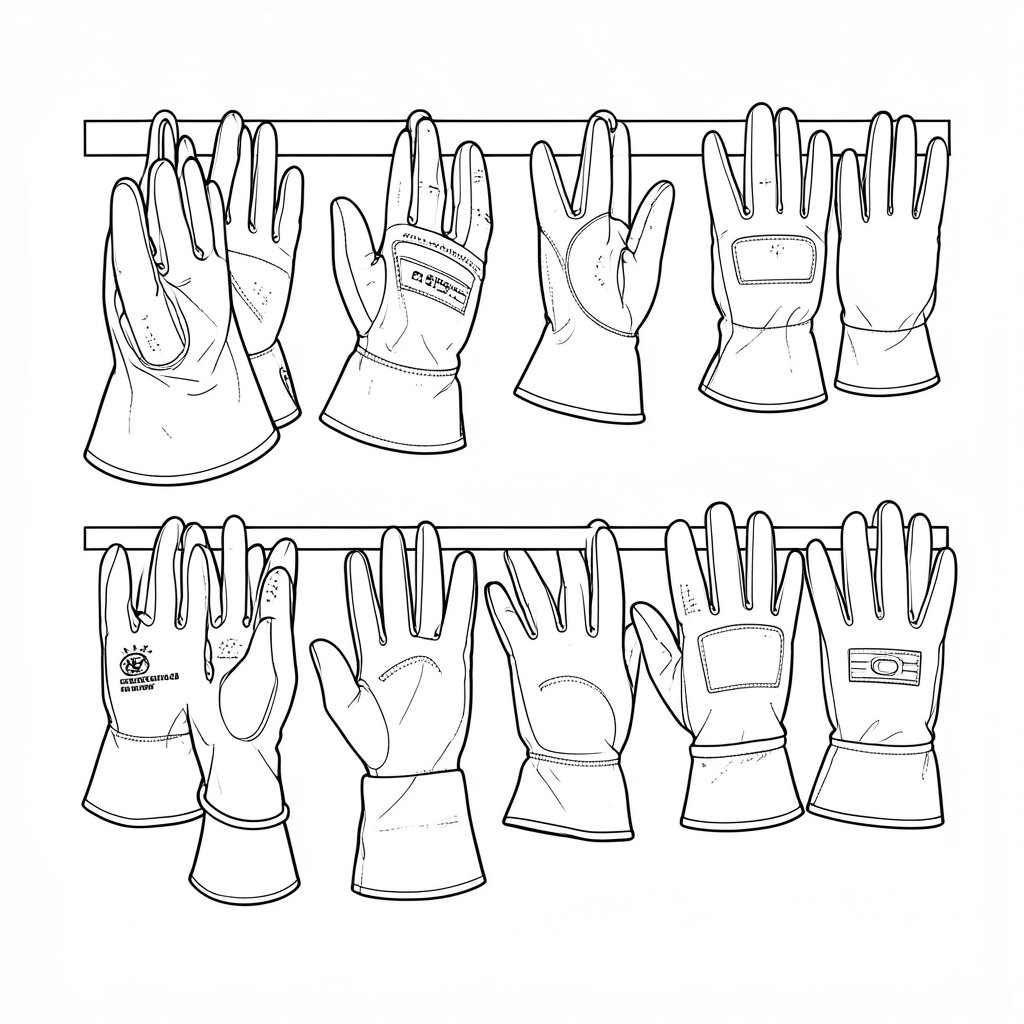
Grounds and tree care work moves between genuinely different hand hazards over the course of a single day, and no single glove is the right choice for all of them — matching the glove to the specific task at hand matters more than defaulting to one pair for everything.
Mechanical protection for general handling
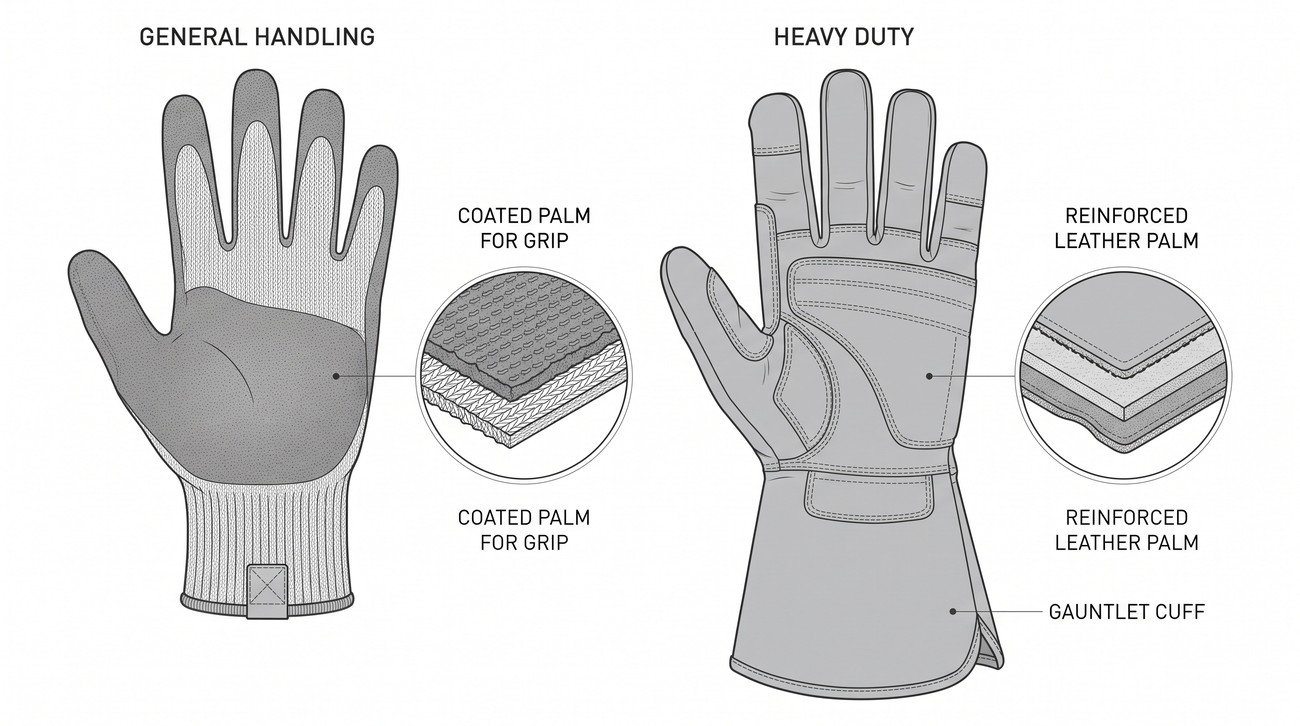
General grounds handling — brash, tools, rough timber — calls for gloves rated against abrasion, cut and puncture risk under EN 388, chosen for the specific mix of those hazards the task presents rather than the highest rating available regardless of dexterity cost. Heavier mechanical protection typically trades away some dexterity and tactile feedback, which matters when the next task requires fine control, such as operating a chainsaw’s controls precisely.
Chainsaw-specific hand protection
Chainsaw operation calls for its own category of protection under EN 381, designed to jam a moving chain rather than simply resist a cut, and this is not interchangeable with general EN 388 mechanical gloves — a highly cut-resistant mechanical glove still does nothing to stop a chain the way EN 381 layered material does. Switching to the correct glove category when moving from general handling to actual cutting, rather than continuing in whatever gloves were already on, closes a real and common gap.
Grip in wet and cold conditions
Grounds and tree work happens in weather that ordinary gloves do not always handle well — wet bark, wet rope, and cold-numbed hands all reduce grip and dexterity, which matters directly for both handling safety and rope work security. Gloves selected for genuine wet-grip performance, and cold-weather gloves that maintain enough dexterity for the specific task rather than prioritising warmth alone, address a hazard that is easy to underweight against more dramatic mechanical risks.
Aerial and rope work considerations
Gloves used during climbing and rope work need enough tactile feedback and grip for rope handling and knot tying, which can conflict with the thicker, more protective gloves suited to ground-level cutting or handling tasks. Many arborists use different gloves for the aerial climbing portion of a task than for ground-level preparation, rather than compromising on a single pair that does neither job particularly well.
Fit and its effect on safety, not just comfort
A glove that is too loose can itself become a snagging or entanglement hazard around moving equipment, particularly near a chipper’s feed zone, while a glove that is too tight reduces dexterity and can cause fatigue over a full shift. Fit should be checked against the actual task’s demands, not assumed adequate because the general size is correct.
For the specific chain-jamming protection chainsaw gloves provide, see chainsaw protective clothing.
Related standards
The standards below set the test methods and performance levels behind the equipment referenced in this note.
- EN 388 — Gloves against mechanical risks
- EN 381 — Chainsaw protective clothing
- EN 511 — Cold protection gloves
Common errors
1Treating general mechanical-protection gloves as equivalent to chainsaw-rated protection.
2Continuing to wear ground-handling gloves for aerial rope work where tactile feedback and grip matter more.
3Underweighting wet and cold grip performance against more dramatic mechanical hazards.
4Wearing gloves loose enough to present their own entanglement risk near a chipper or other machinery.
Frequently asked questions
Why isn't one glove type suitable for all grounds and tree care tasks?
The work moves between genuinely different hand hazards over a single day – general handling, chainsaw cutting, wet or cold conditions, and rope work each call for different glove properties.
Can a highly cut-resistant EN 388 glove substitute for EN 381 chainsaw protection?
No, EN 381 gloves are designed to jam a moving chain, a different protective mechanism from cut resistance, so a cut-resistant mechanical glove does nothing to stop a chain the way EN 381 layered material does.
Why does grip performance in wet and cold conditions matter as much as mechanical protection?
Wet bark, wet rope and cold-numbed hands reduce grip and dexterity, affecting both handling safety and rope work security, a hazard that is easy to underweight against more dramatic mechanical risks.
Why might arborists use different gloves for climbing than for ground work?
Climbing and rope work need tactile feedback and grip for handling rope and tying knots, which can conflict with the thicker protection suited to ground-level cutting or handling tasks.
How can an incorrectly fitted glove itself become a hazard?
A glove that is too loose can become a snagging or entanglement risk around moving equipment such as a chipper's feed zone, while one that is too tight reduces dexterity and causes fatigue.
Need this as a document you can issue? The template library gives you the risk assessments, permits and inspection logs in editable form — and employer plans cover a whole team with completion records.