Safety / Tips and Tricks / Tree care and grounds
Activity 04 · Tree care
Chainsaw Protective Clothing: Selecting Chaps, Boots and Gloves to EN 381
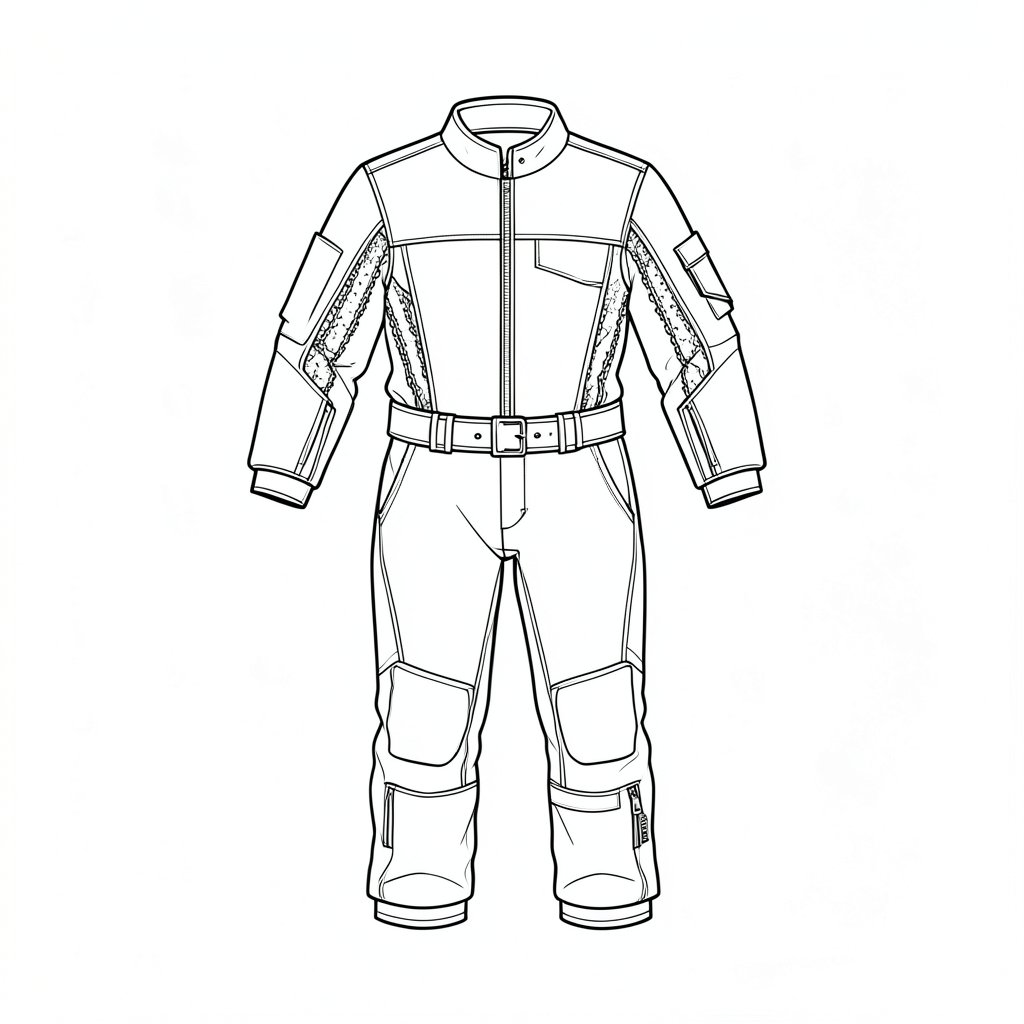
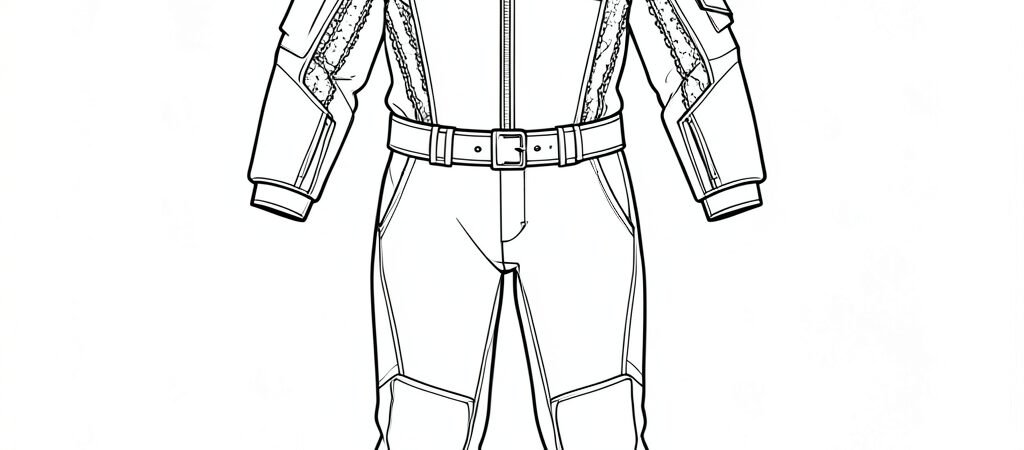
Chainsaw protective clothing is designed around one specific failure mode: a moving chain contacting the body, and the layered fabric inside these garments is built to jam the chain within a fraction of a second rather than simply resist a cut the way general work clothing does.
How chainsaw protective fabric actually works
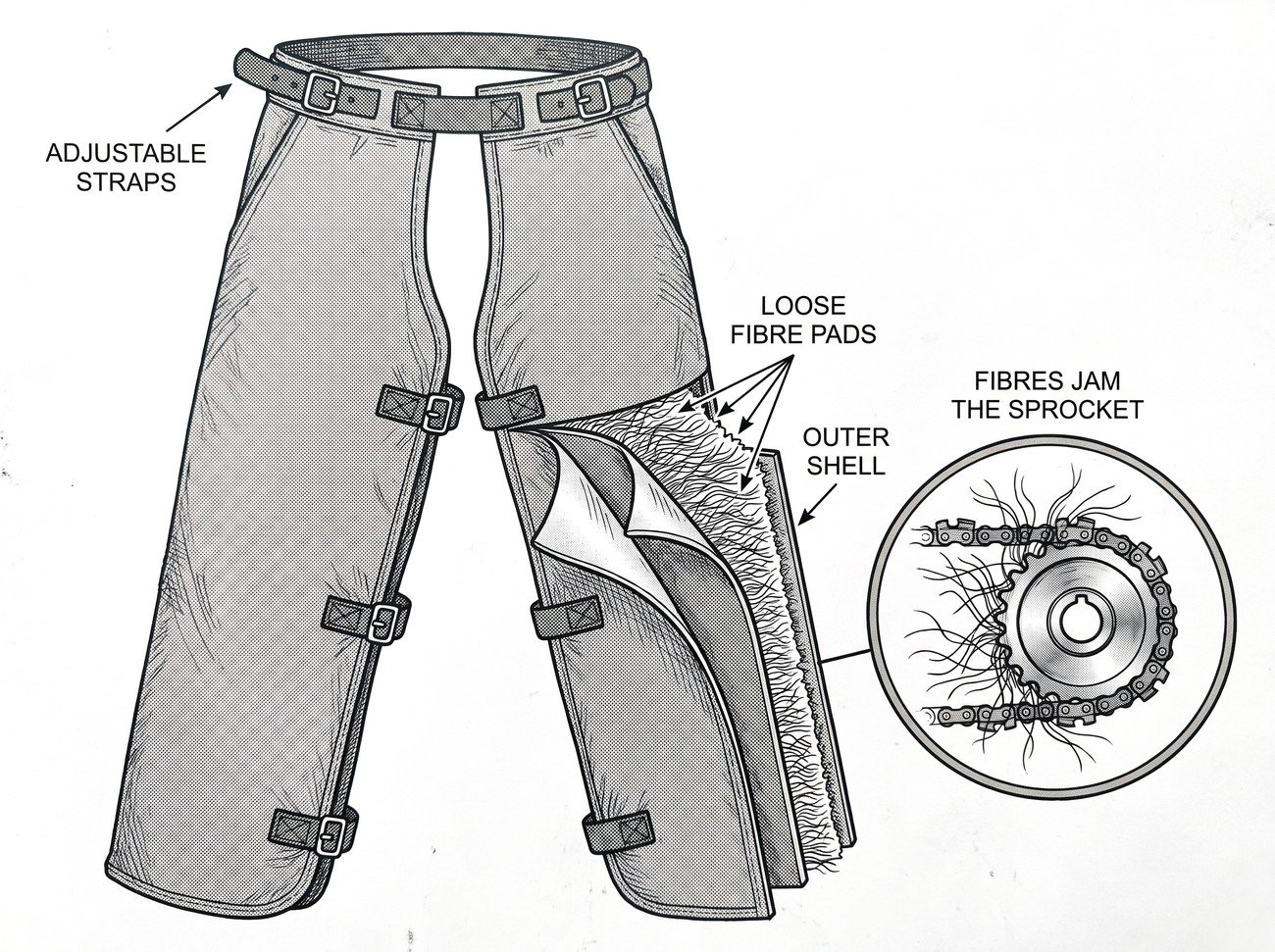
EN 381 covers protective clothing for users of hand-held chainsaws, and the layered fabric inside certified leg, boot and glove protection is designed to be pulled out by the moving chain, jamming the drive sprocket and stopping the chain almost instantly. This is a fundamentally different mechanism from a cut-resistant work glove, which resists being cut through but does nothing to stop the chain itself — wearing ordinary cut-resistant gloves or trousers on a chainsaw task is not an equivalent substitute for EN 381 certified protection.
Leg protection: chaps versus full trousers
Leg protection is available as a chap-style wrap covering the front and sides of the legs, or as full protective trousers with protection extending further around the leg. The choice affects both coverage and how the garment performs when the operator is working from an unusual position — on a slope, kneeling, or reaching — where a chap’s more limited coverage can leave a gap that full trousers close. Task-specific risk, not just cost or comfort, should drive this choice.
Boots and gloves
Chainsaw-rated boots extend the same layered-fabric principle to the front of the foot and lower leg, an area with a real strike risk during felling and bucking work, and should be selected alongside general safety footwear requirements such as EN ISO 20345 for the toecap, slip resistance and general durability the task also demands. Chainsaw gloves typically provide this layered protection on the back of the non-trigger hand specifically, since that is the statistically more exposed hand in typical operating position, though full coverage options exist for higher-risk tasks.
Matching the protection class to the actual saw
EN 381 garments are rated by class, reflecting the chain speed the garment is tested to stop safely, and the correct class depends on the chainsaw’s bar length and chain speed — a garment rated for a smaller domestic saw does not necessarily provide adequate protection against a larger professional machine’s higher chain speed. Checking the garment’s class against the specific saw in use, not assuming any EN 381 marking is automatically sufficient, matters for this reason.
Condition and replacement
Protective fabric that has already been contacted by a chain, even briefly, needs replacing rather than continuing in service, since the layered material’s ability to jam a chain a second time is not something that can be reliably assessed by inspection alone. General wear, contamination with fuel or oil, and UV degradation over time also reduce the fabric’s performance below its original rating.
For head protection worn alongside this clothing, see choosing a helmet system for chainsaw and grounds work.
Related standards
The standards below set the test methods and performance levels behind the equipment referenced in this note.
- EN 381 — Chainsaw protective clothing
- EN ISO 20345 — Safety footwear
- EN 388 — Gloves against mechanical risks
Common errors
1Substituting ordinary cut-resistant gloves or trousers for EN 381 certified protection.
2Selecting a garment class without checking it against the specific saw's bar length and chain speed.
3Continuing to use protective fabric that has already been contacted by a chain.
4Choosing chap-style leg protection for tasks that involve awkward positions where full trousers would give better coverage.
Frequently asked questions
How does chainsaw protective fabric actually stop a chain?
The layered fabric is designed to be pulled out by the moving chain, jamming the drive sprocket and stopping the chain almost instantly, a fundamentally different mechanism from a cut-resistant fabric that just resists being cut through.
Can ordinary cut-resistant gloves substitute for EN 381 certified chainsaw protection?
No, cut-resistant gloves resist being cut but do nothing to jam or stop the chain itself, so they are not an equivalent substitute for certified chainsaw protection.
What is the difference between chap-style and full trouser leg protection?
Chaps cover the front and sides of the legs, while full trousers extend protection further around the leg, which matters for unusual working positions such as kneeling, on a slope, or reaching, where a chap can leave a gap.
Why does the EN 381 protection class need to match the specific saw being used?
The class reflects the chain speed the garment is tested to stop safely, and a garment rated for a smaller saw does not necessarily protect against a larger professional machine's higher chain speed.
Should protective fabric that has already been contacted by a chain be reused?
No, it should be replaced, since its ability to reliably jam a chain a second time cannot be confidently assessed by inspection alone.
Need this as a document you can issue? The template library gives you the risk assessments, permits and inspection logs in editable form — and employer plans cover a whole team with completion records.