Safety / Tips and Tricks / Agriculture and livestock
Activity 13 · Agriculture
Bulls, Cows With Calves and the Animals That Attack
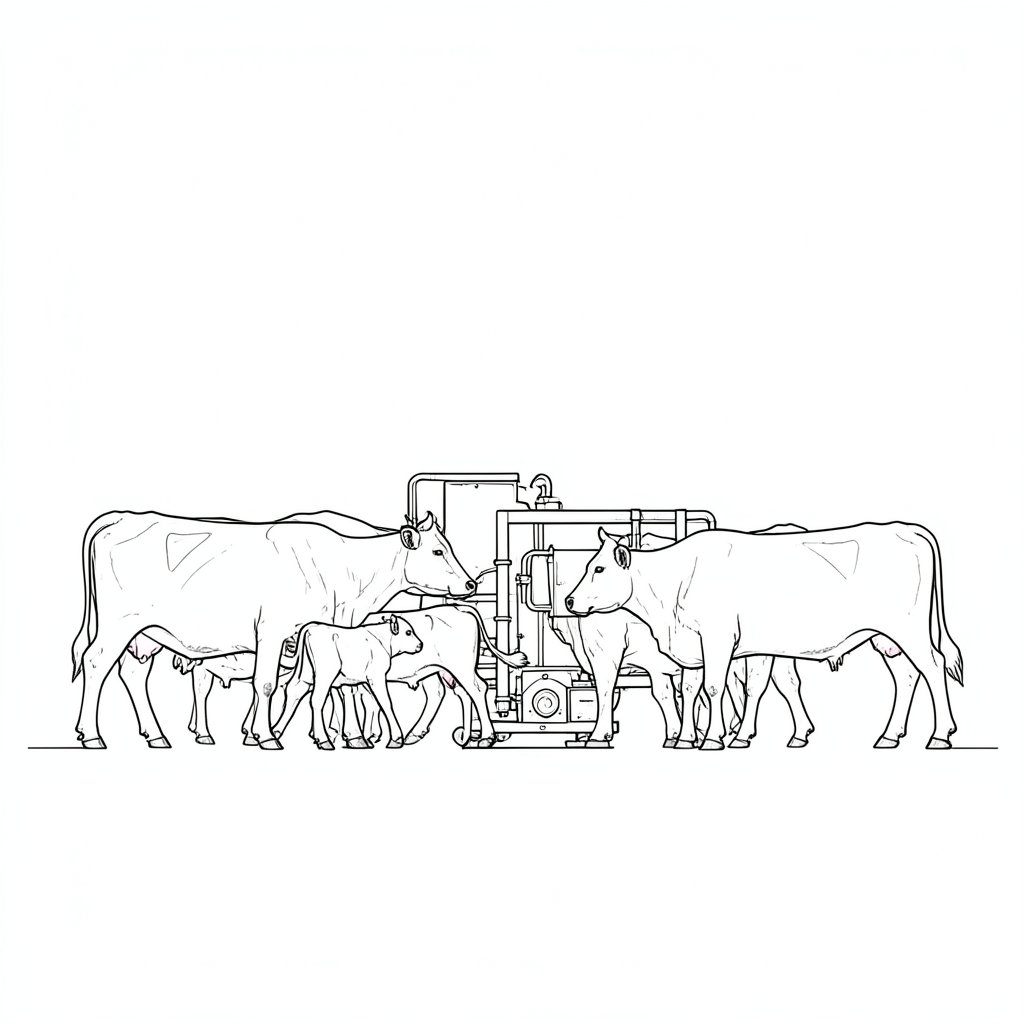
Most cattle move away from people. A small number come towards them, and the difference is not temperament but circumstance — which is why the animals that kill are often ones that had never shown a problem before.
A cow with a calf is a different animal
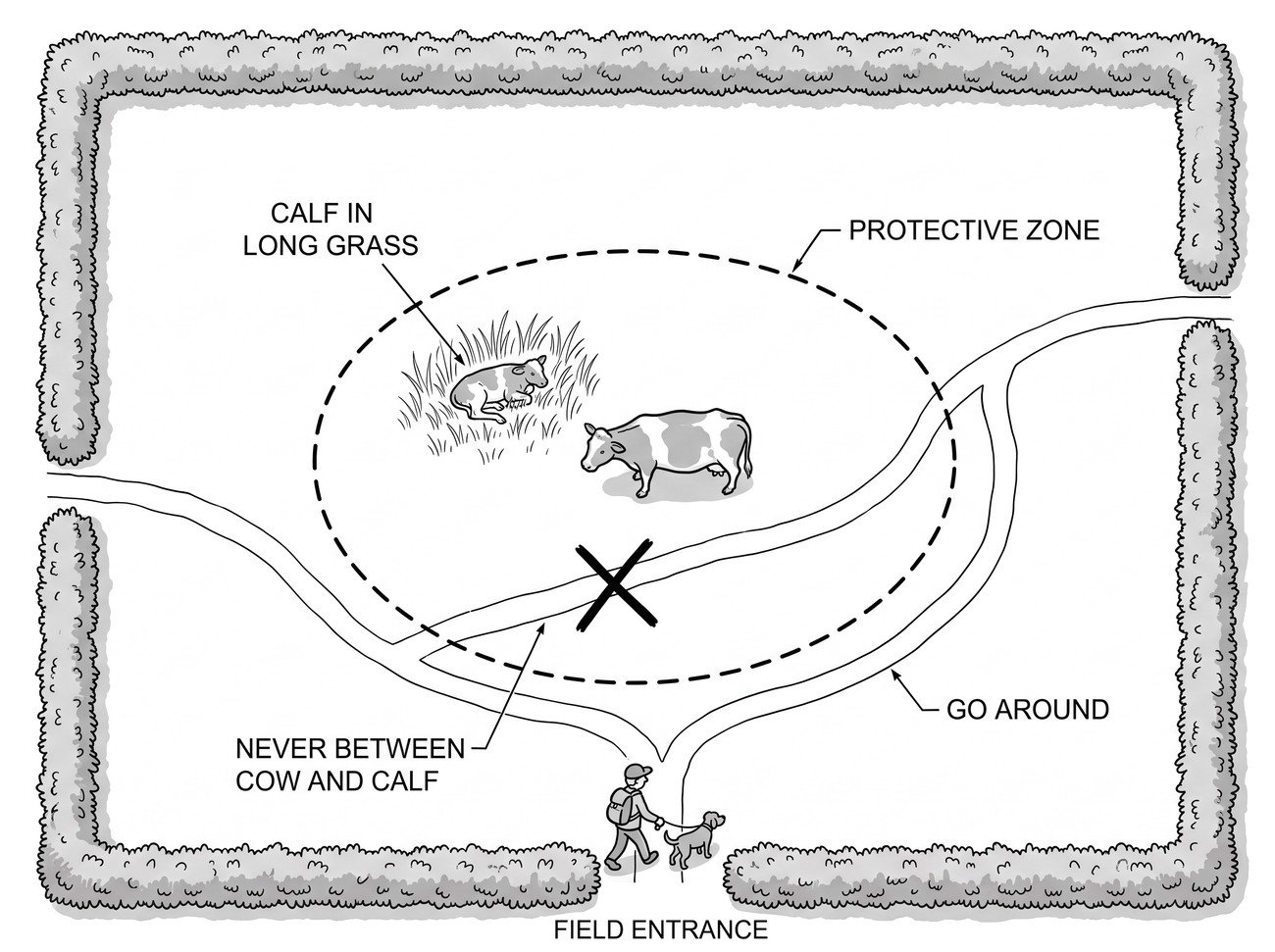
Maternal protection changes behaviour completely and temporarily. A cow that has been handled without incident for years will place herself between her calf and anything she perceives as a threat, and will charge, butt and trample to remove it. The trigger is proximity to the calf rather than to her, so walking between a cow and her calf — often without realising the calf is there in long grass or behind a hedge — is the specific action behind a large share of these incidents.
Bulls
A bull is capable of killing a person without difficulty, and the dangerous ones are not always the obviously aggressive ones. A bull that has been hand-reared and is comfortable around people has no fear of them and no flight zone to work with, which removes the mechanism that keeps a handler safe with other cattle. Dairy bulls are widely regarded as the most dangerous, and age increases risk in all breeds. Never being alone with a bull, always having an escape route, and never turning your back are the working rules.
Dogs turn a field crossing into an incident
Cattle react to dogs as predators, and a dog on a lead brings the animals towards the person holding it. The counter-intuitive advice is the correct one: where cattle approach, let the dog off the lead so it can escape and the cattle follow it rather than you. This applies as much to the farm’s own dogs as to those of a walker on a right of way, and it is worth telling visitors before they enter a field rather than after.
Escape routes before you enter
Every entry into a field or a pen with cattle in it begins with knowing how you get out: which gate, which fence you can get over, which wall or gap you can reach in the direction you will actually be facing. This is the difference between an animal that turns and a serious injury, and it takes seconds to establish on the way in and cannot be worked out once something is coming towards you.
Report and cull behaviour rather than tolerating it
An animal that has behaved aggressively will do so again, and a farm that works around a particular cow or bull is carrying a known hazard that everyone has adapted to except the next person who meets it. Recording the behaviour, telling everyone who works with the animals, and removing persistent offenders from the herd is a management control rather than a personal preference.
For normal handling behaviour, see flight zone and handling systems. For visitors on rights of way, see children and visitors.
Related standards
The standards below set the safety requirements, classification and test methods behind the machinery and equipment referenced in this note.
Common errors
1Walking between a cow and a calf that was not visible in long grass or behind a hedge.
2Working alone with a bull, or turning your back on one.
3Assuming a hand-reared bull is safer, when it has no fear of people at all.
4Keeping a dog on the lead when cattle approach, which brings them to you.
5Working around a known aggressive animal instead of recording and removing it.
Frequently asked questions
Why is a cow with a calf so dangerous?
Maternal protection changes her behaviour completely and temporarily. The trigger is proximity to the calf rather than to her, so walking between them, often without seeing the calf, is what causes most incidents.
Are hand-reared bulls safer?
No, they are more dangerous. A bull comfortable around people has no fear and no flight zone to work with, which removes the mechanism that keeps a handler safe with other cattle.
What should you do with a dog if cattle approach?
Let it off the lead. Cattle react to dogs as predators, and a dog on a lead brings them towards the person holding it. Released, the dog escapes and the cattle follow it rather than you.
What should you establish before entering a field with cattle?
How you get out: which gate, which fence you can cross, which gap you can reach in the direction you will be facing. It takes seconds on the way in and cannot be worked out later.
What should be done about an aggressive animal?
Record the behaviour, tell everyone who works with the animals, and remove persistent offenders. A farm that works around a known aggressive animal is carrying a hazard the next person will not know about.
Need this as a document you can issue? The template library gives you the risk assessments, permits and inspection logs in editable form — and employer plans cover a whole team with completion records.