
Latest posts
-
Selecting a Rescue Kit for the Task
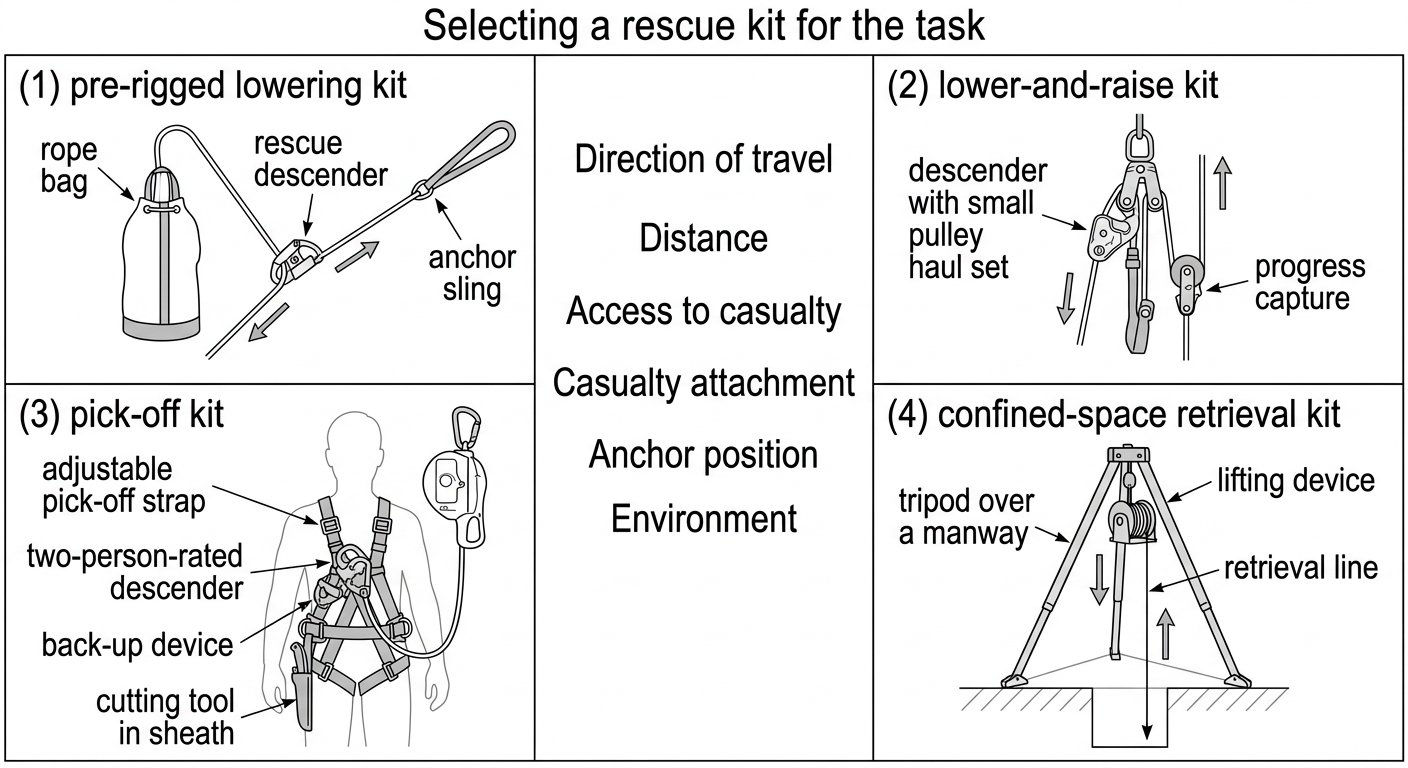
A rescue kit is only useful if it matches the rescue you have actually planned for. The most common failure is not equipment failure – it is a kit that can lower but not raise, a rope that is shorter than the drop, or a retrieval winch bolted to a tripod over a shaft that…
-
Choosing a Low-Stretch Rope Diameter: Matching Rope to Devices, Loads and Wear
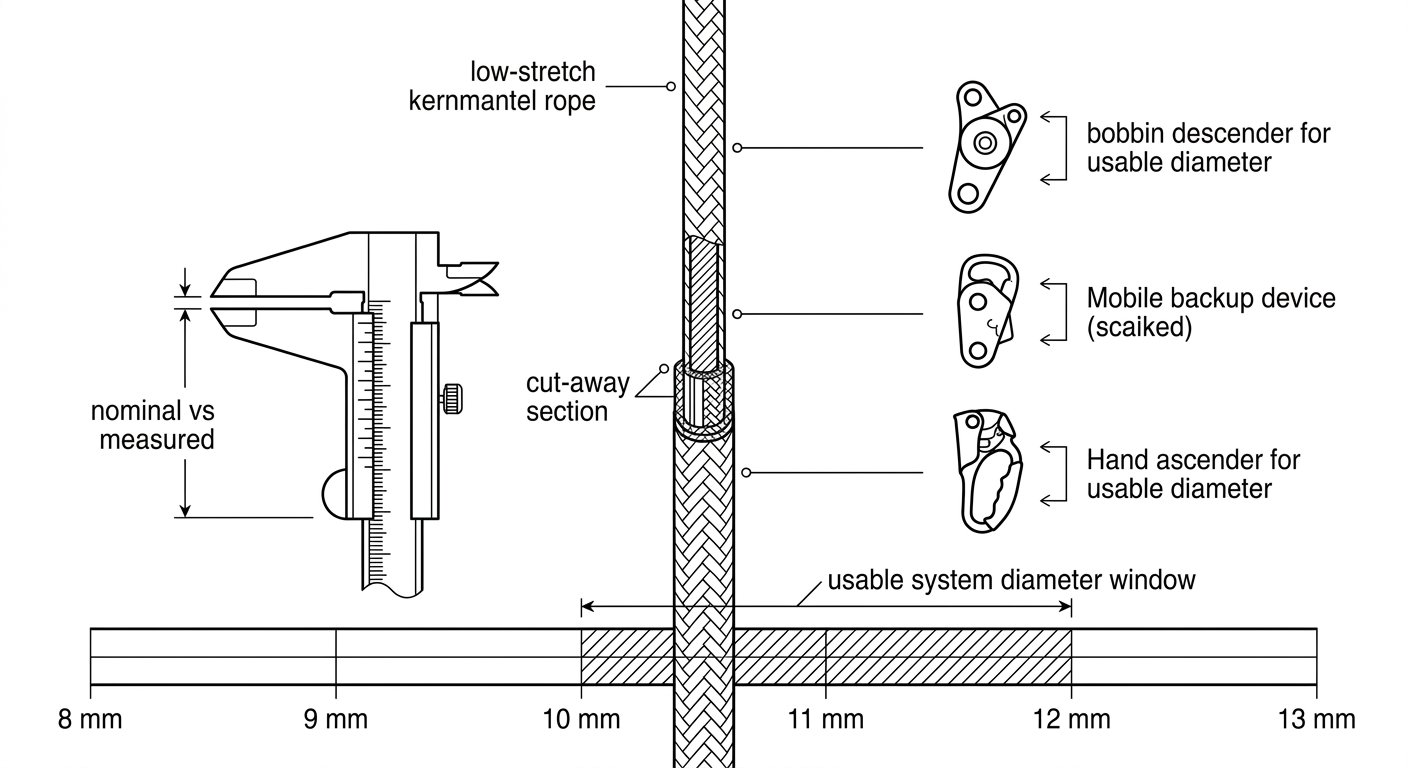
Rope diameter is a system compatibility decision before it is a strength decision. A low-stretch kernmantel rope that is half a millimetre outside the marked range of the descender or the backup device on the harness is the wrong rope for that system, regardless of how strong it is. Diameter also decides how the rope…
-
Selecting a Helmet for Confined Space Work: Retention, Profile and Compatibility
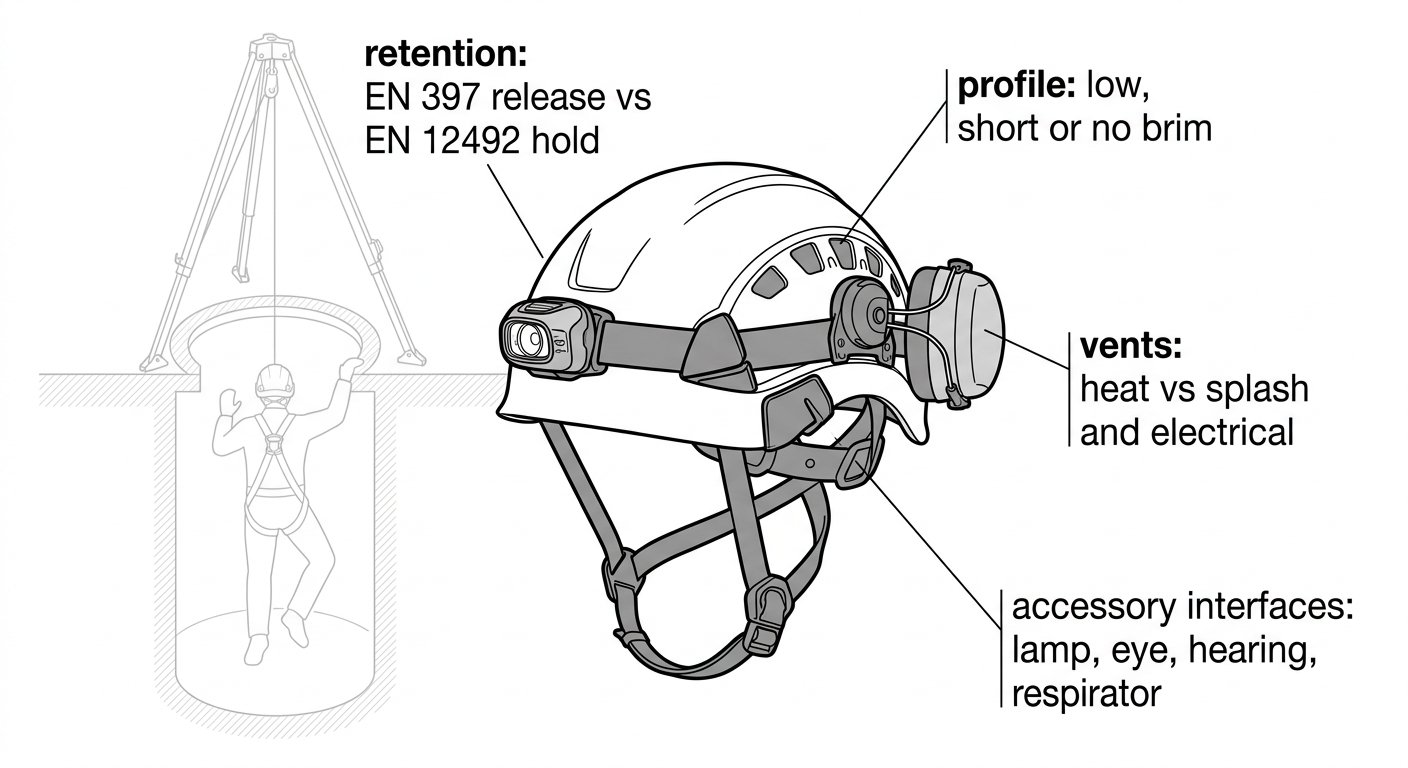
In a confined space, the head is exposed in ways it is not on an open work platform. The hazards are close and constant: fixed structure at head height, valve stems and flanges, a shaft above the worker down which tools and debris can fall, and — during vertical entry or work on rope —…
-
Which Attachment Points to Use for Restraint
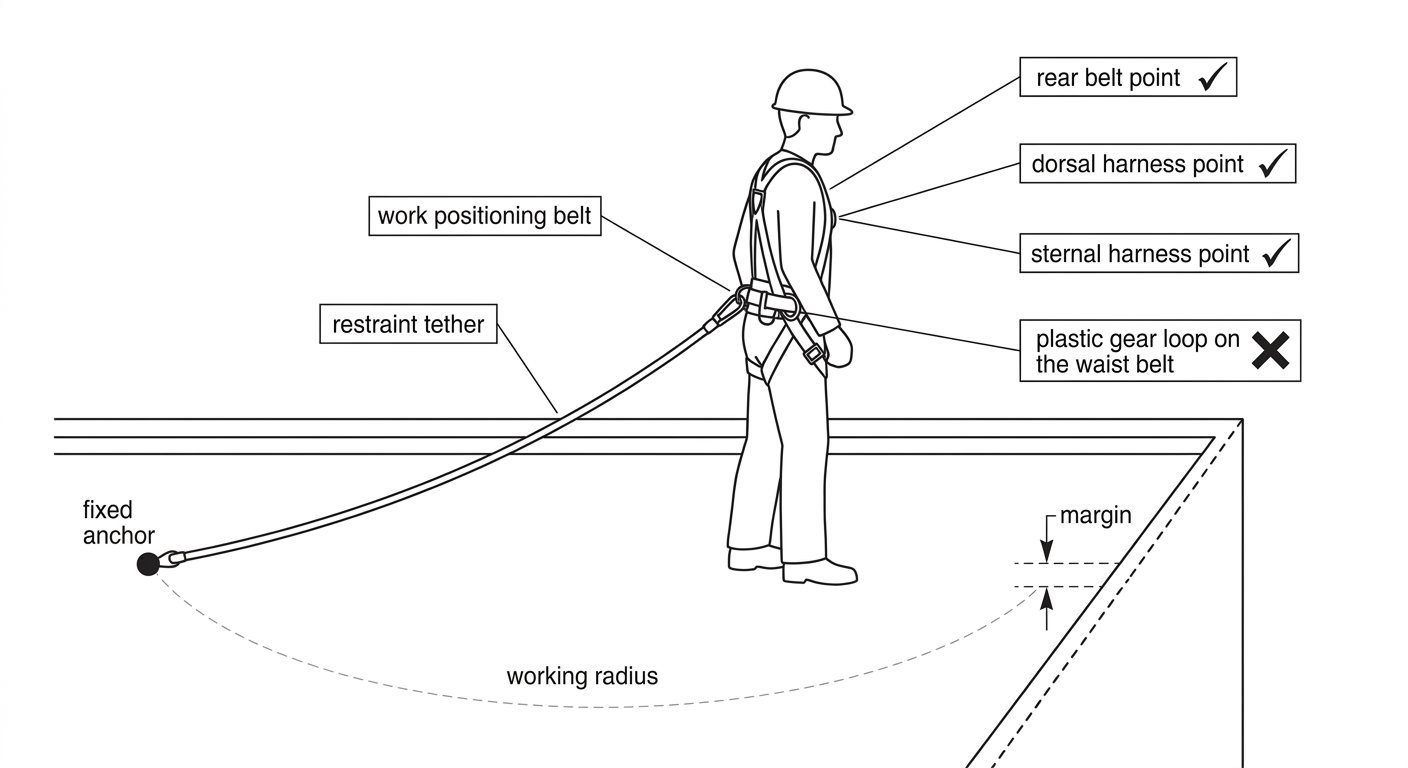
Restraint work looks simple on paper: connect to an anchor with a tether short enough that the worker cannot physically reach the fall hazard. Because a fall is designed out of the system rather than arrested, the attachment point on the body does not have to absorb a fall load — which is exactly why…
-
Harness Attachment Point for a Rope Grab: Sternal, Dorsal and What Not to Clip Into
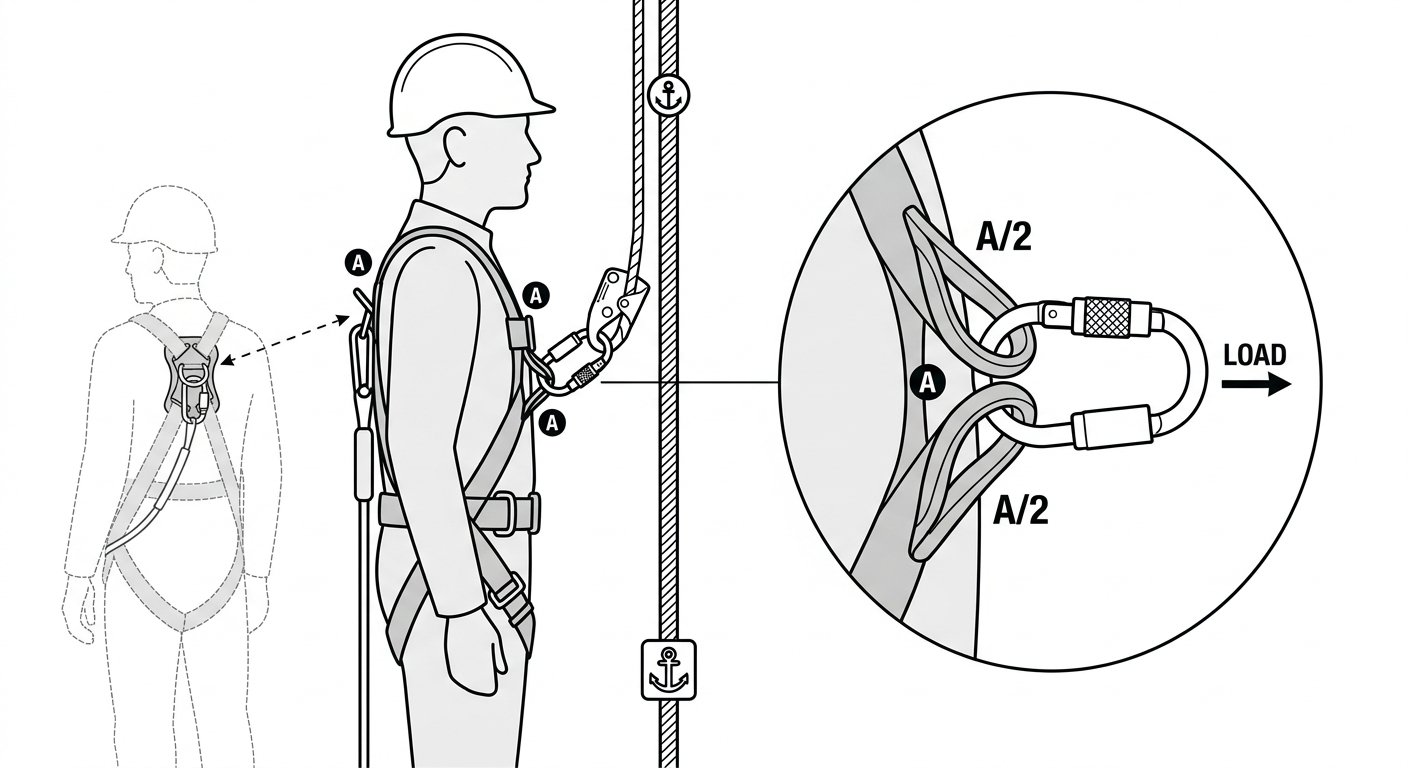
A rope grab — a guided-type fall arrester running on a vertical rope or a mobile back-up device on a safety line — only performs as tested if it is connected to the right point on the harness, by the right connector, with nothing added in between. Clip it to the wrong ring and the…
-
Which Harness for Which Use? A Selection Note for Fall Arrest, Positioning, Rope Access and Confined Space
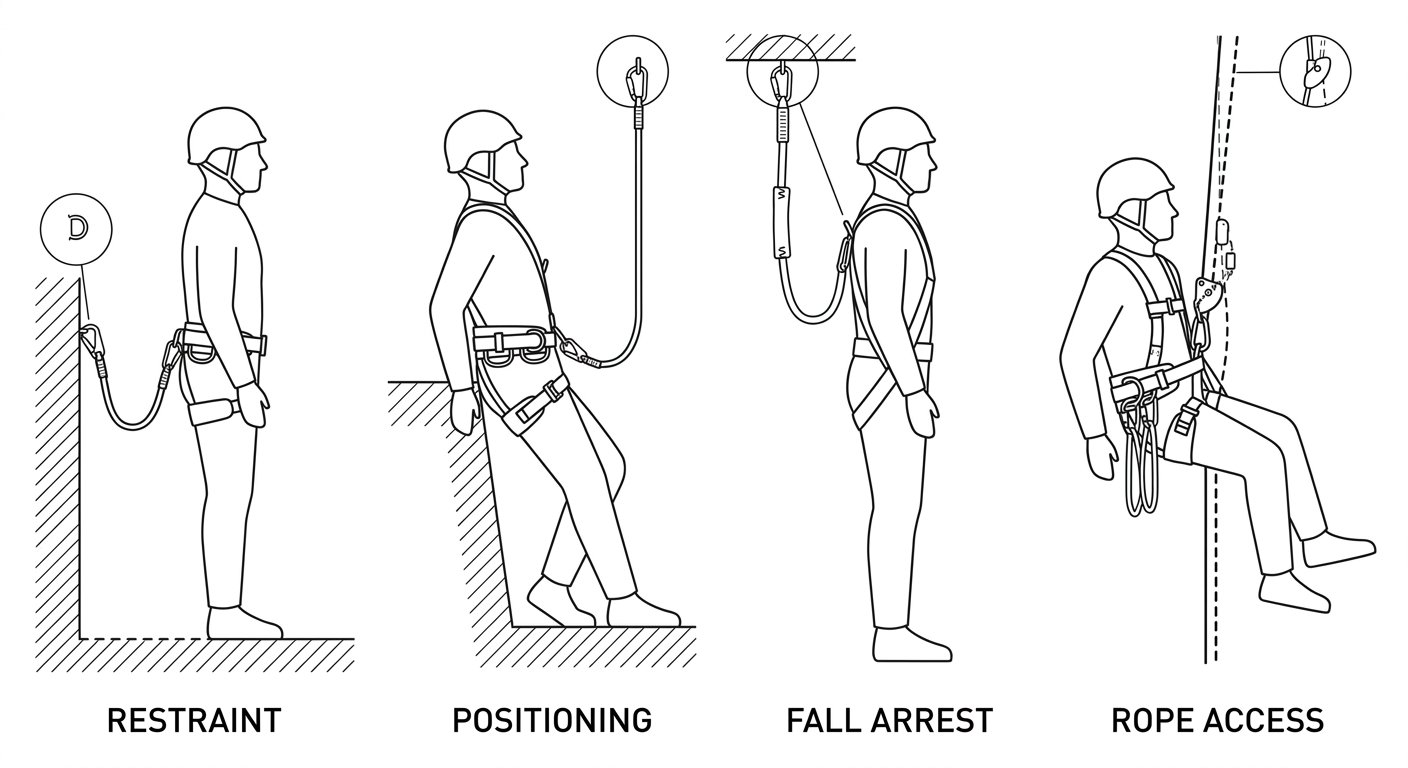
Picking a harness is not a comfort decision made in the stores cupboard — it decides what work the wearer can legally and safely do once they are on site. A harness that is correct for restraint at a roof edge may be useless for a tripod extraction from a manhole; a rope access sit…
-
Choosing Connectors for Hauling and Pulleys
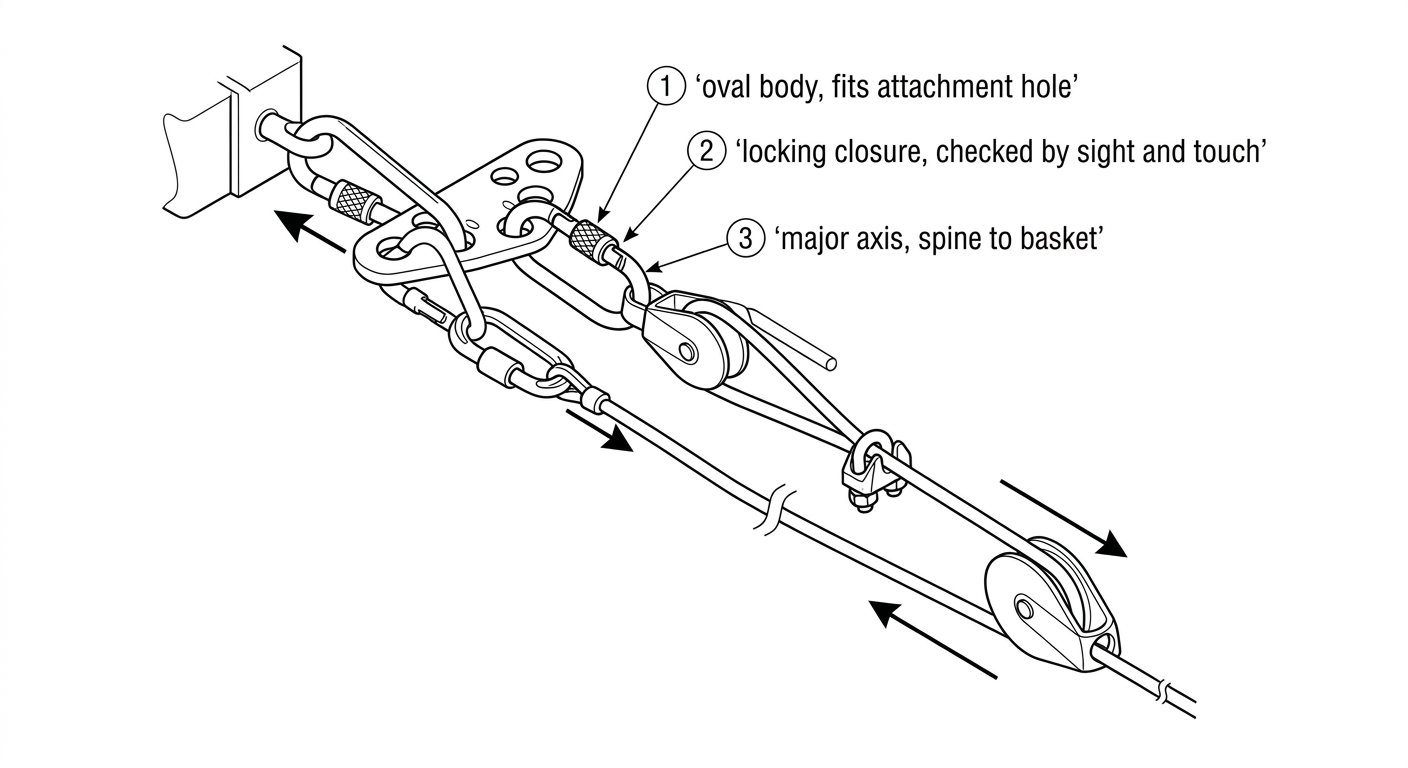
In a hauling system, the connector between the pulley and the anchor is one of the most heavily loaded components on the site. Mechanical advantage multiplies the force the haul team applies, redirects add vector loads on top of that, and every one of those forces passes through a single piece of hardware whose shape…
-
Choosing Connectors for Anchor Rigging: Shape, Closure and Correct Loading
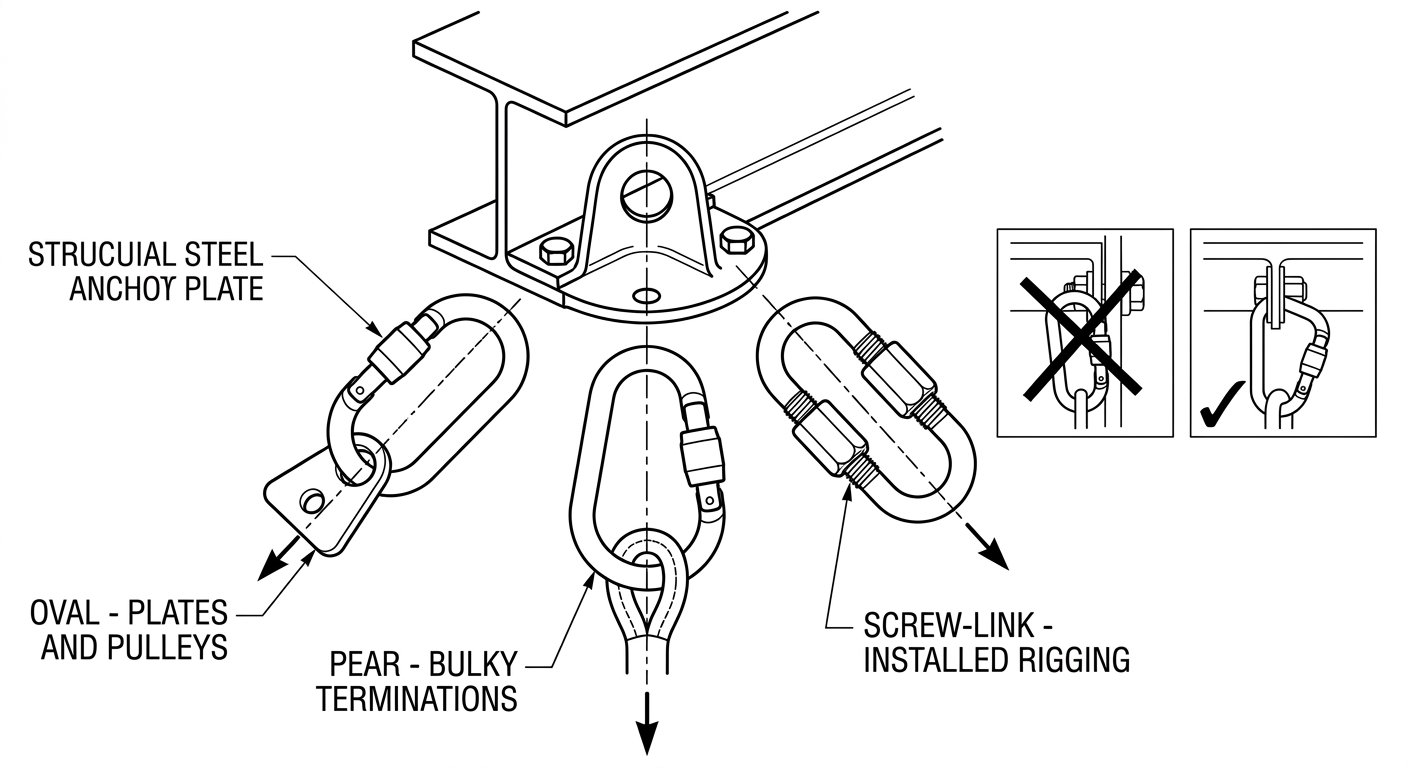
The connector at the anchor end of a system is the one most often chosen by whatever is left on the harness rack, and the one most exposed to being loaded in a way it was never designed for. Anchors are rarely as tidy as the pictures: a connector may end up on a wide…
-
Connecting a Fall-Arrest Lanyard to the Harness
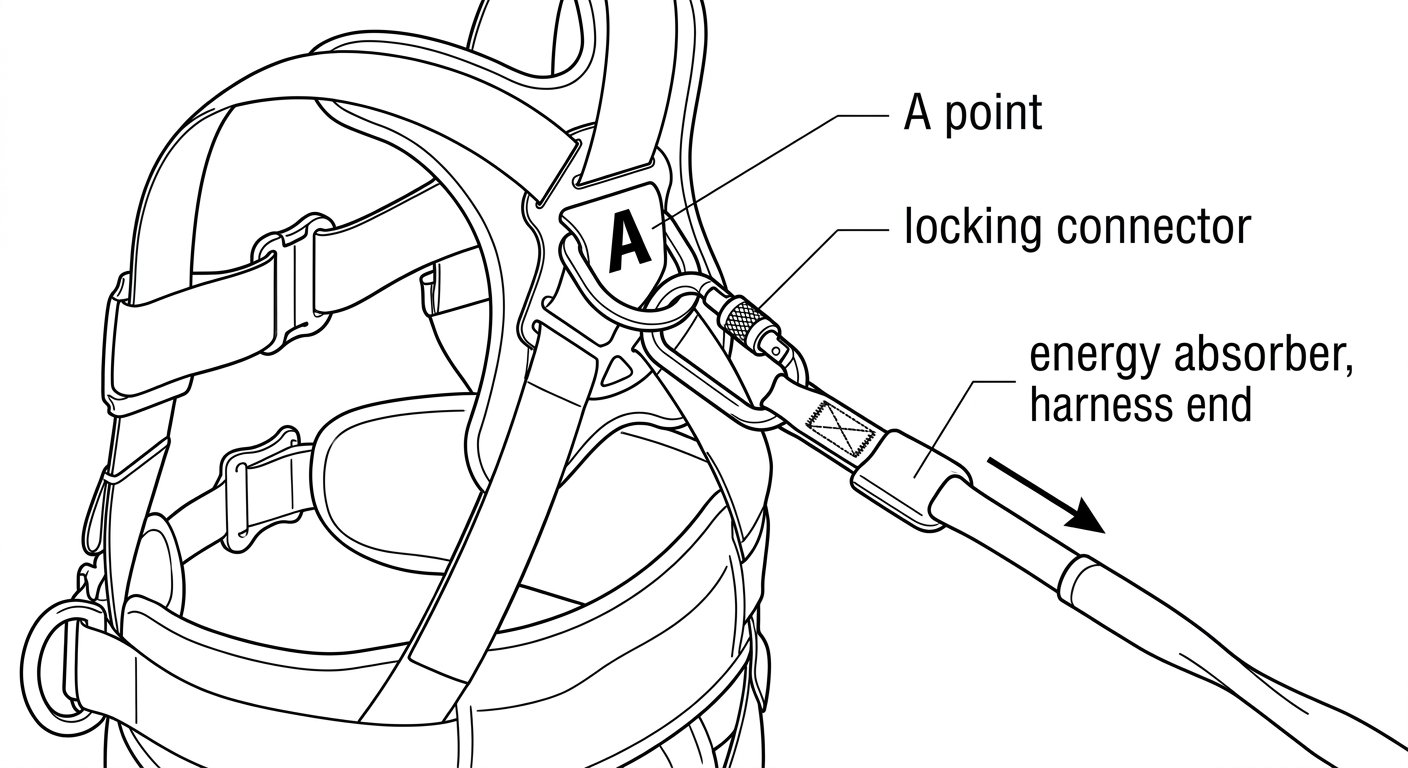
The connection between a lanyard and a harness is the one link in a fall-arrest system that the user makes and unmakes by hand, several times a shift, often in awkward positions and poor light. It is also the link most likely to fail silently: the system looks connected, the worker feels connected, but the…
-
Lanyard-End Connector for Fall Arrest: Gate Opening, Roll-Out and Correct Loading
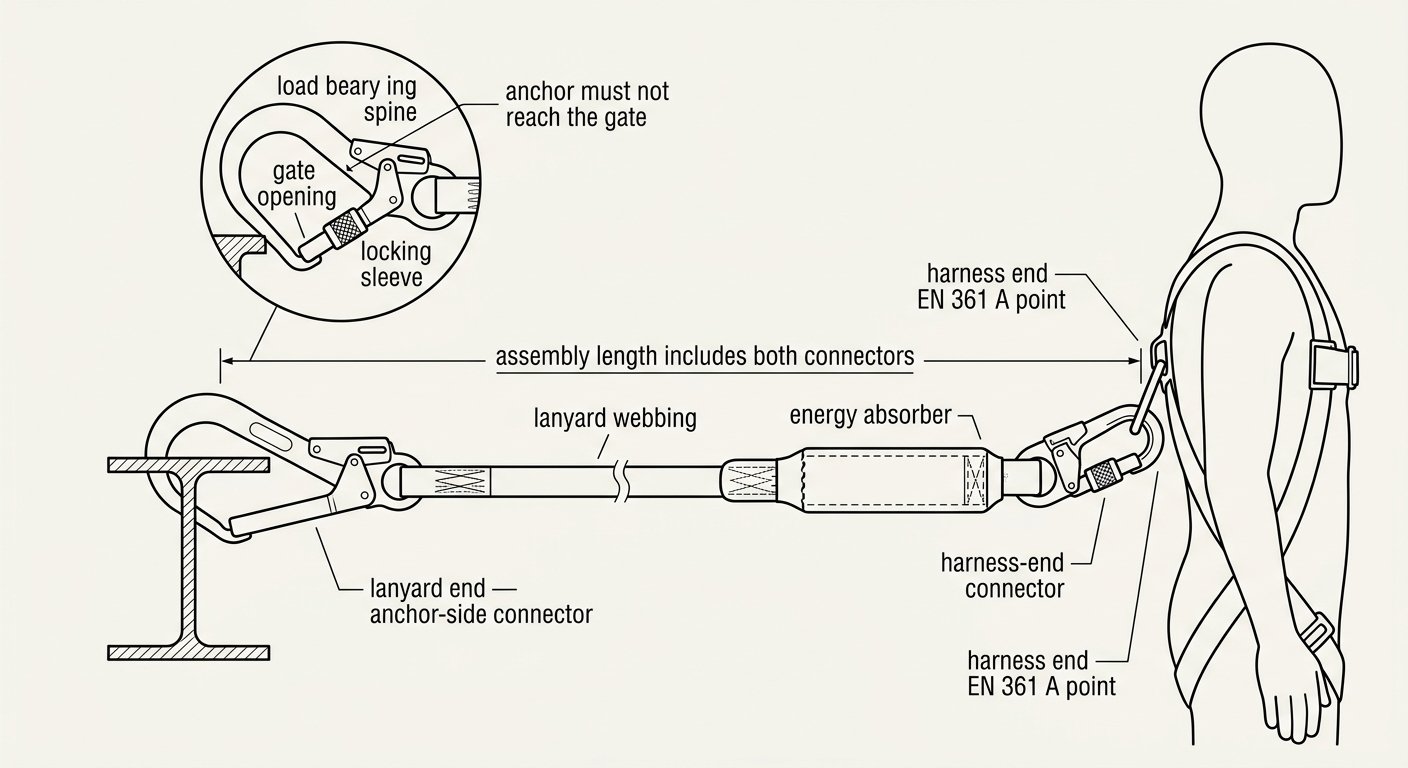
On a fall-arrest lanyard, the connector at the anchor end does more work than any other component in the assembly. It is the part that gets clipped and unclipped dozens of times a shift, the part that has to fit whatever structural member is actually available on site, and the part most likely to be…