
Latest posts
-
Lanyard-End Connector for Work Positioning: Choosing and Loading the Anchor-Side Hook
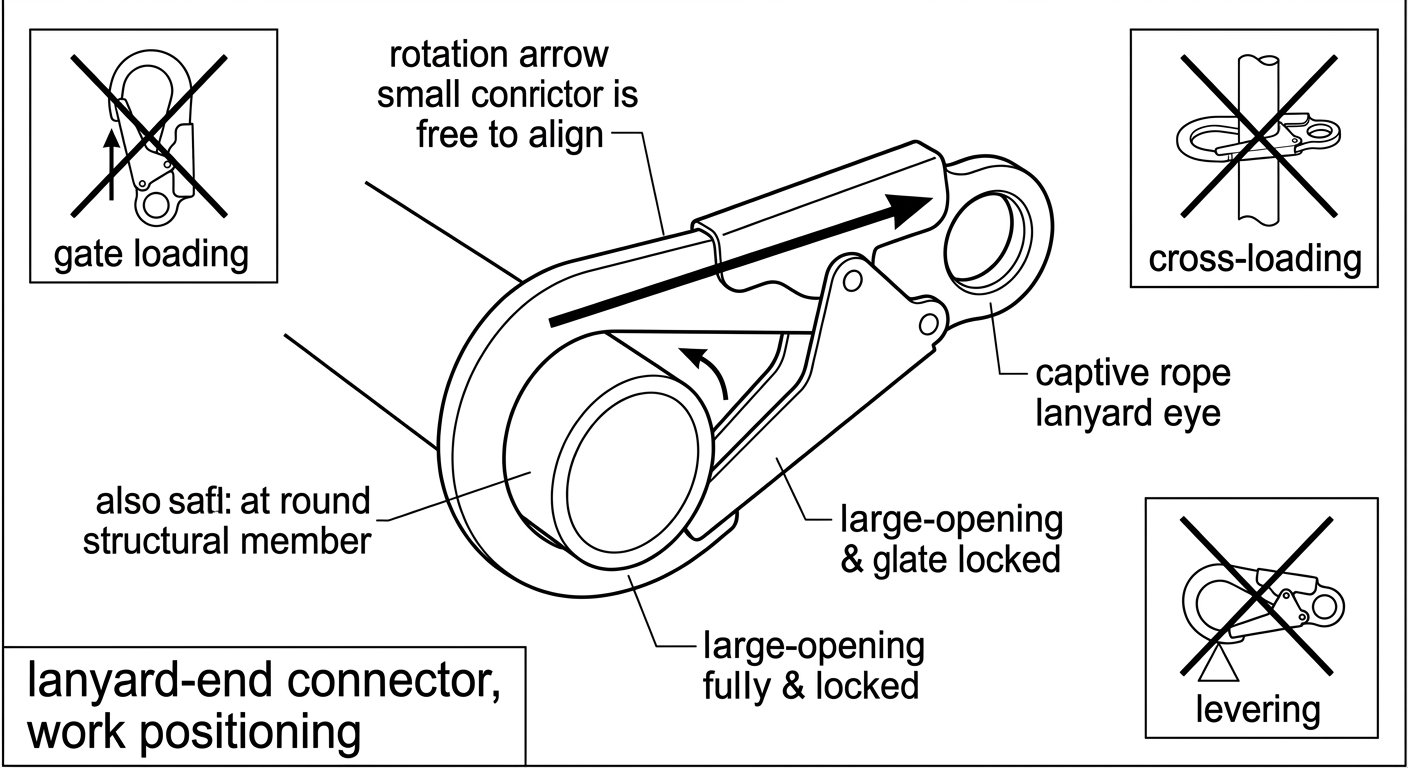
On an adjustable work positioning lanyard, the connector at the far end — the one that goes around the column, rung, pipe or scaffold tube — is the part of the system handled most and inspected least. It is opened and closed dozens of times a shift, frequently one-handed, frequently at arm’s length and out…
-
Connector Basics: Gates, Axes and Loading
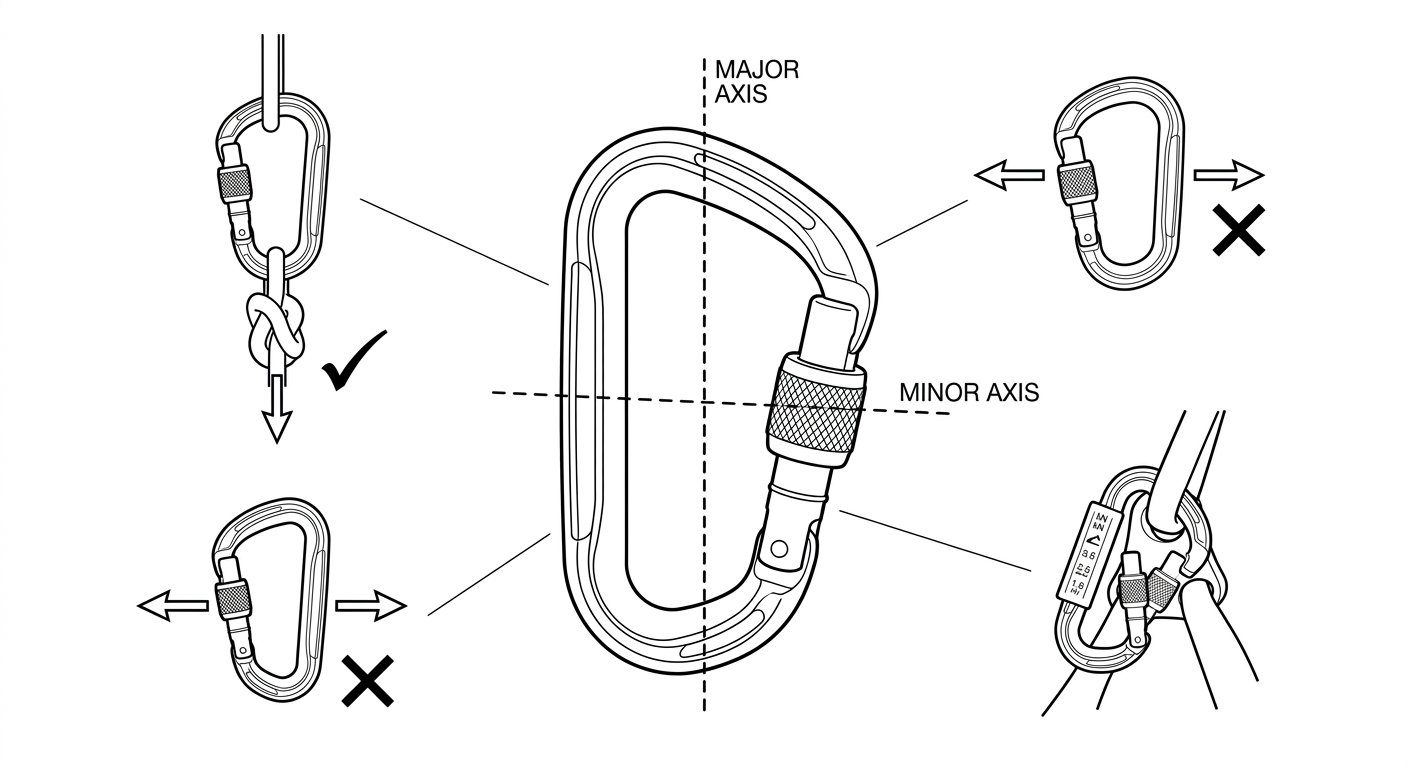
A connector is the smallest component in most rope-access and confined-space systems and the one most often loaded in a way it was never designed for. Every anchor, every lanyard, every descender and back-up device is attached through one, and the difference between a connector working at its rated strength and failing well below it…
-
Checking Connector Compatibility: A Field Method Before You Clip In
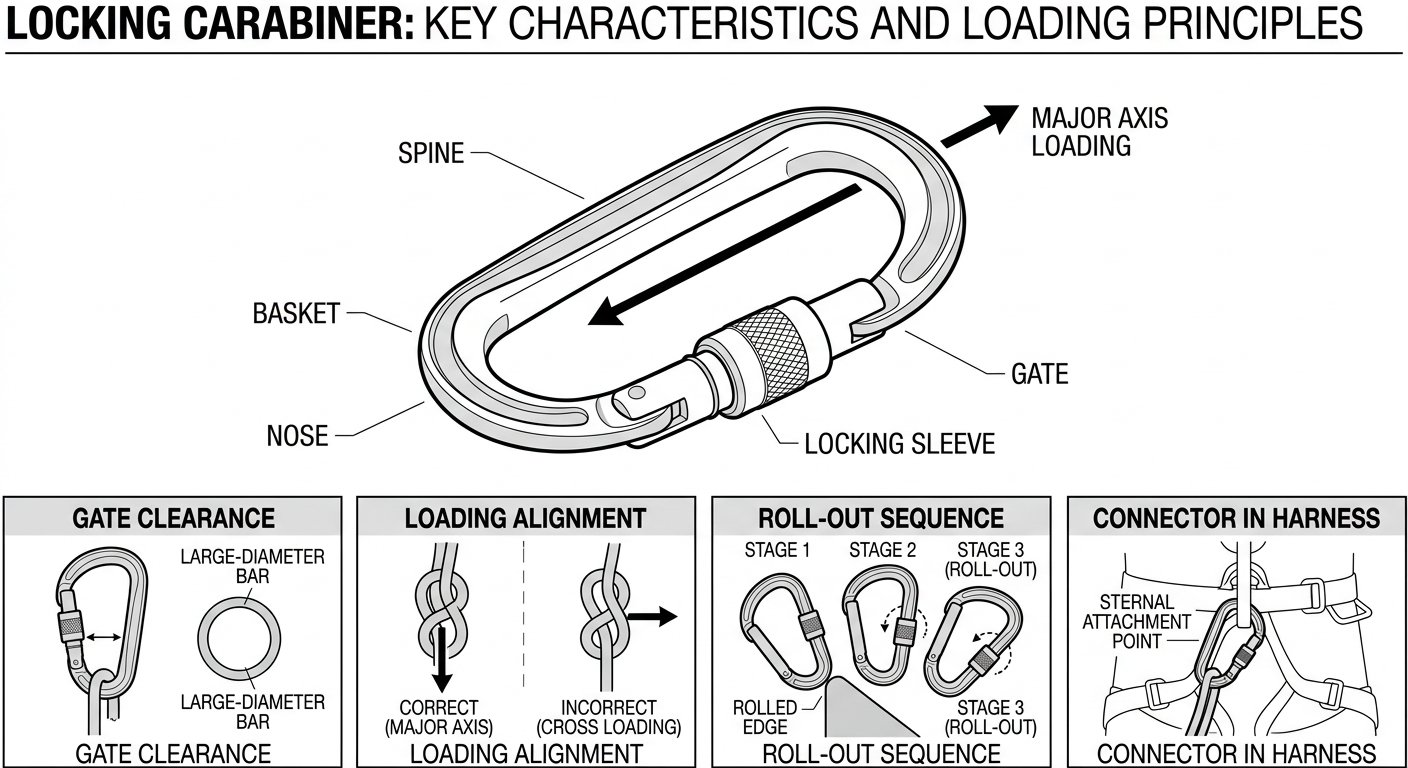
Most connector problems on site are not strength problems. A locking carabiner marked to EN 362 (Connectors for Fall Protection) has ample margin for the loads a rope access or confined-space system will generate — provided it is loaded along its major axis, with the gate closed and locked, against something it actually fits. Compatibility…
-
Connector Shapes and Where Each Belongs
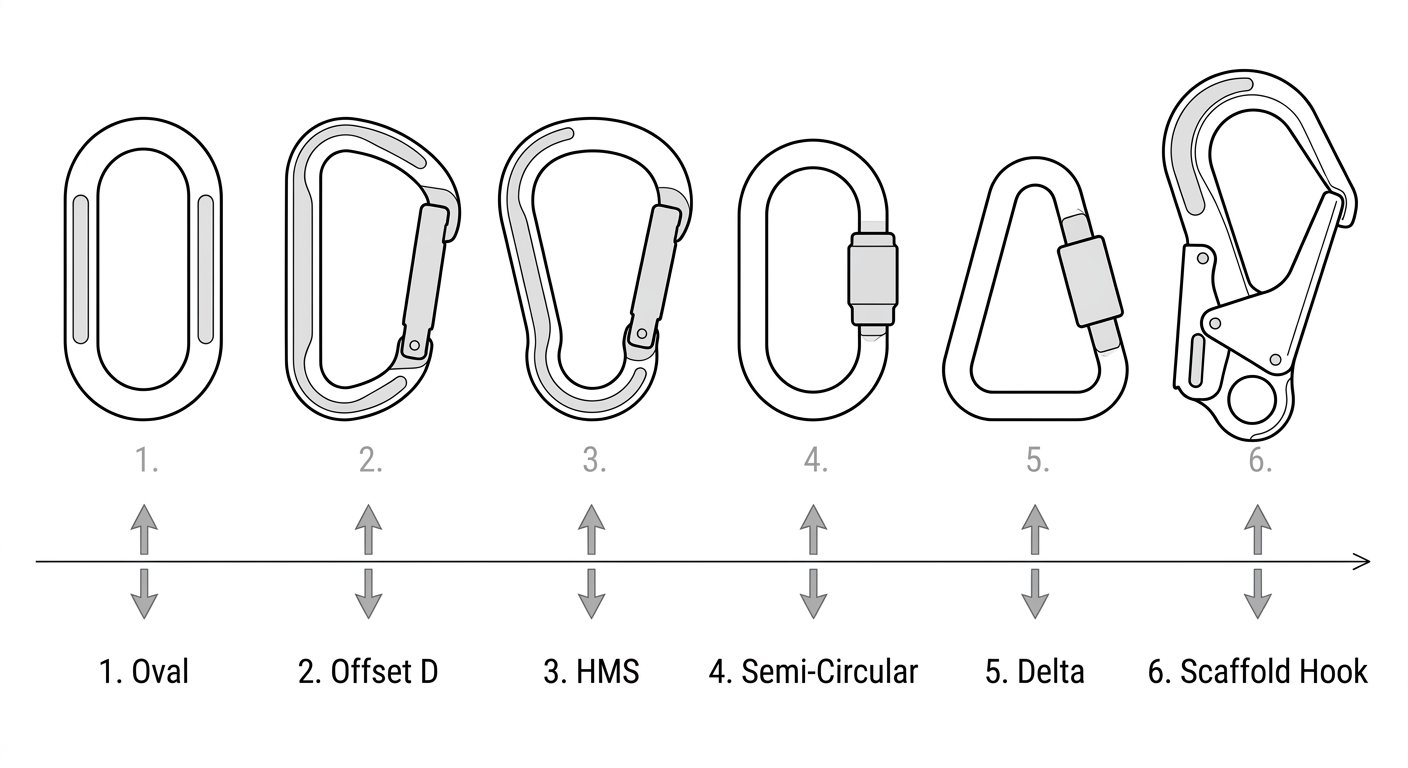
A connector’s shape is not cosmetic. It decides where the load sits inside the frame, whether an attached device stays aligned under load, how much room there is at the basket for a hitch or a second connection, and how easily the gate can be pressed against something it should never touch. Two connectors with…
-
Which Type of Fall-Arrest Lanyard to Choose: A Selection Note
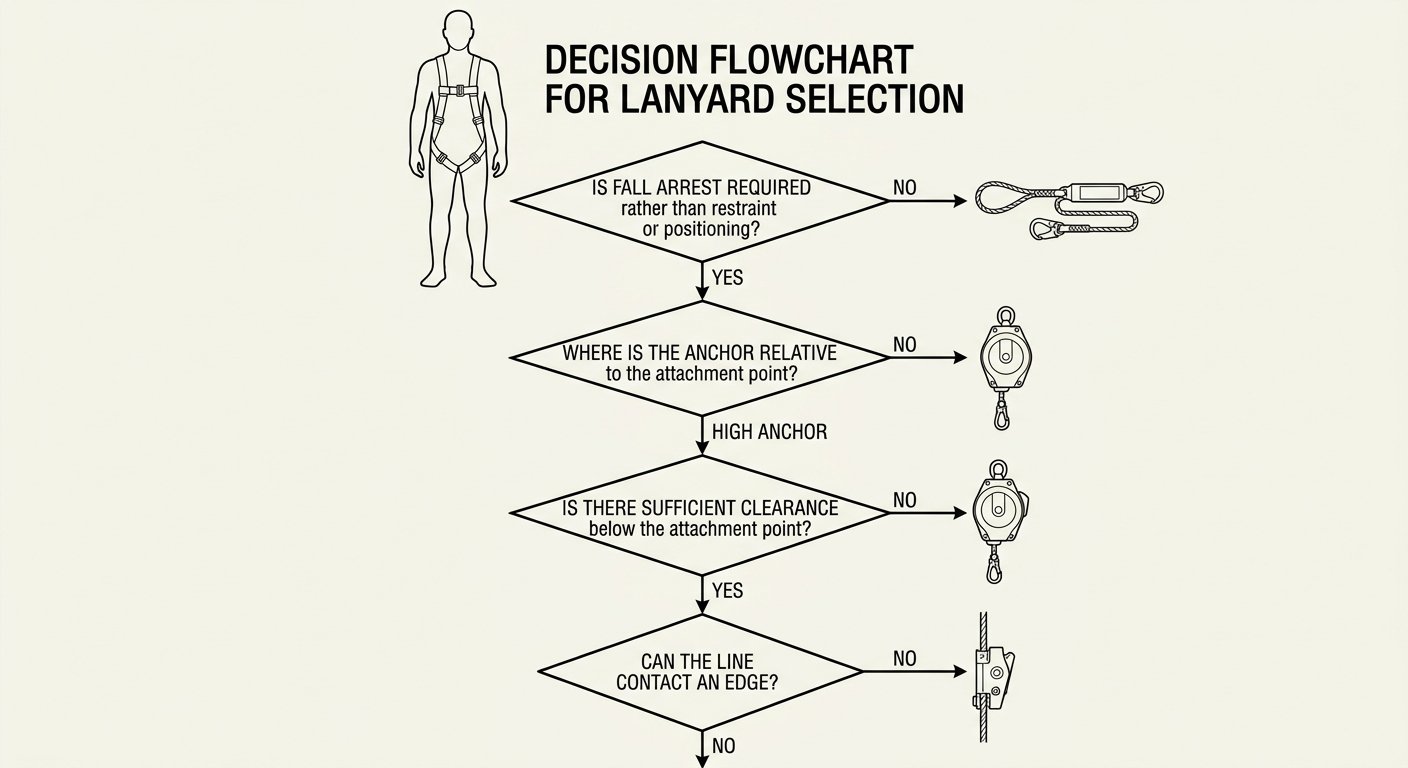
Choosing a fall-arrest lanyard is not a matter of preference or of what happens to be on the van. The choice is dictated by three site conditions that can be checked before anyone clips in: where the anchor sits relative to the harness attachment point, how much clear space there is below the worker, and…
-
Adjusting a Full Body Harness Correctly: Fit, Checks and Common Errors
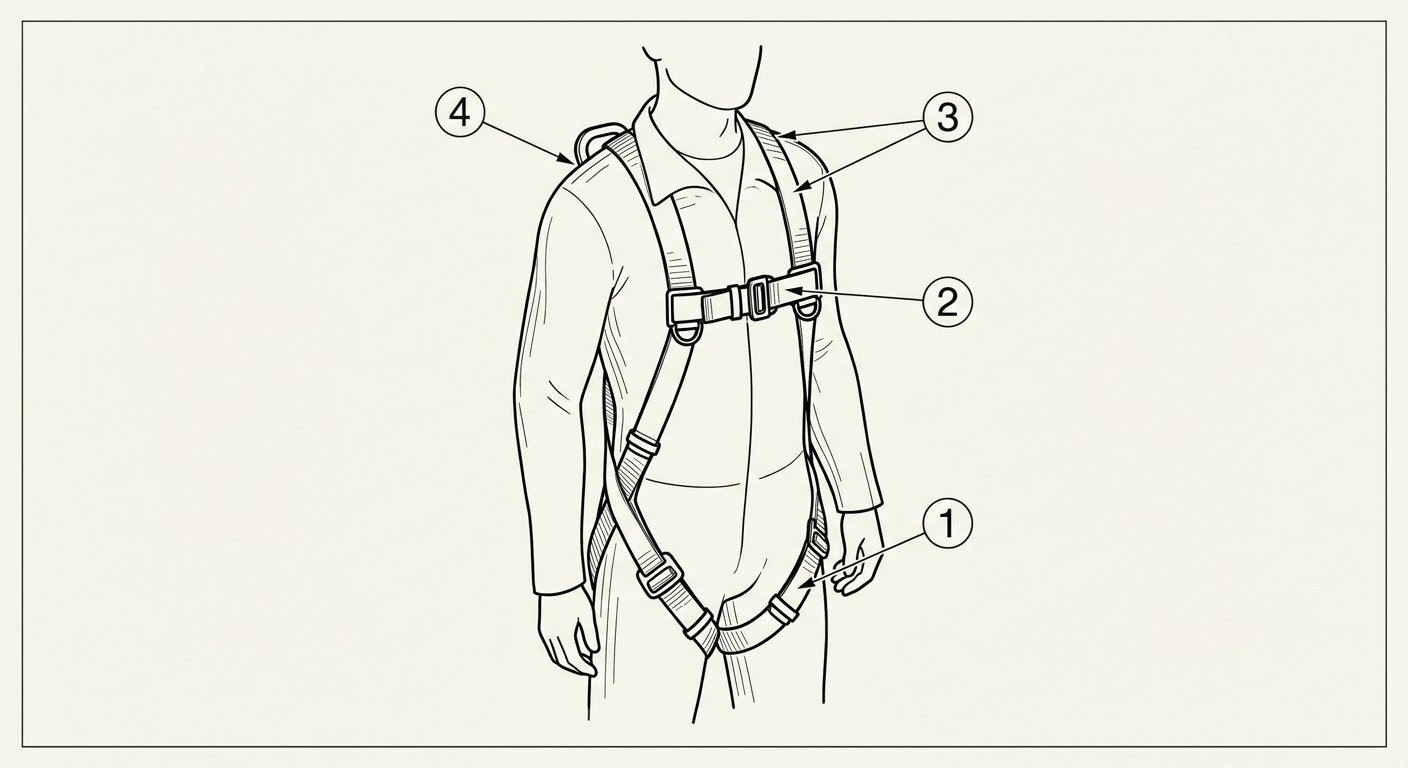
A full body harness only performs as designed if it is adjusted to the person wearing it. The same harness, on the same worker, can be either a functioning fall arrest system or a loose assembly of webbing that shifts under load, depending on five minutes of setup at the start of the shift. Adjustment…
-
Choosing a Connector for a Descender: Locking, Compatibility and Correct Loading
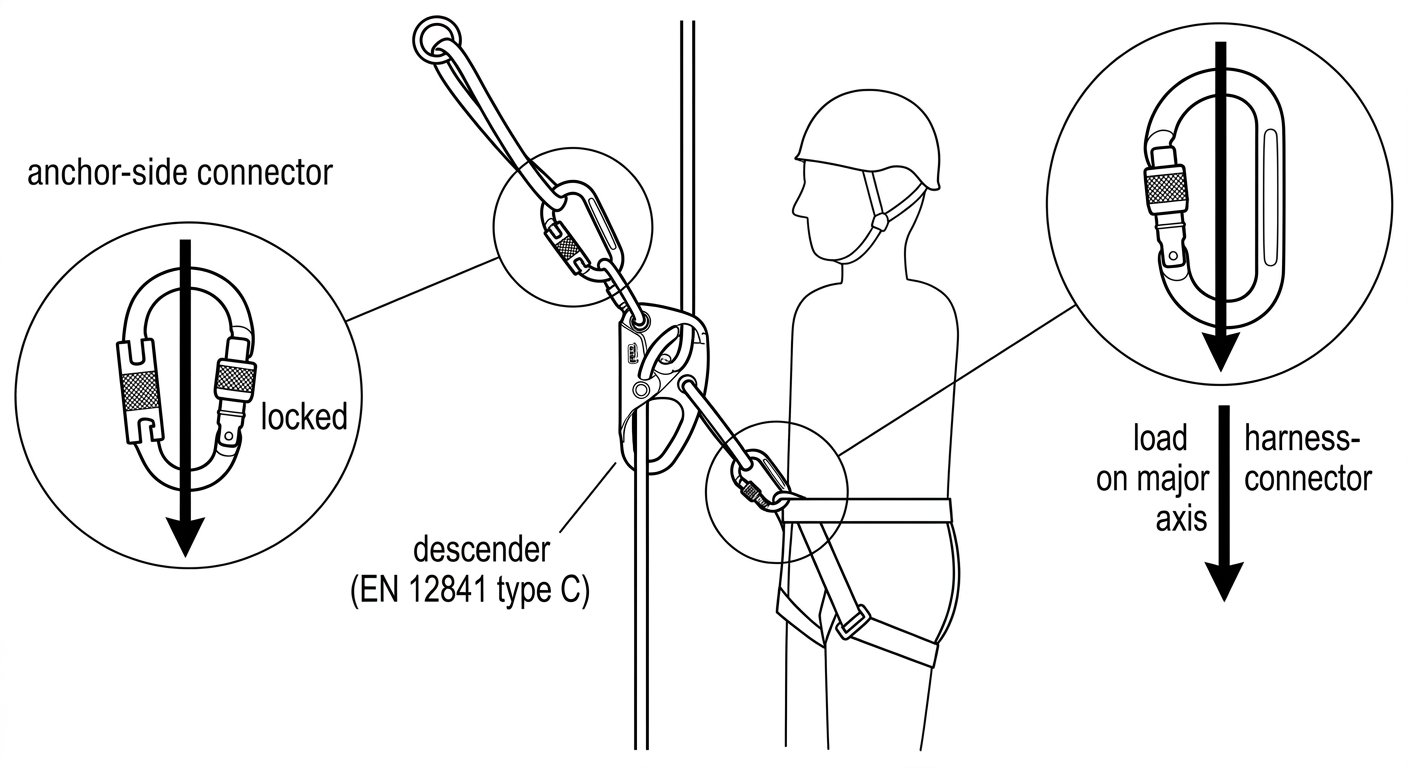
The connector between a descender and the harness is one of the smallest components in a rope access system and one of the least forgiving. It carries the operator’s full working load, it is handled dozens of times a shift, and it sits in a position where it can be rotated, pressed against a harness…
-
Connector Locking Systems Compared: Screw-Lock, Two-Stage and Three-Stage Auto-Lock
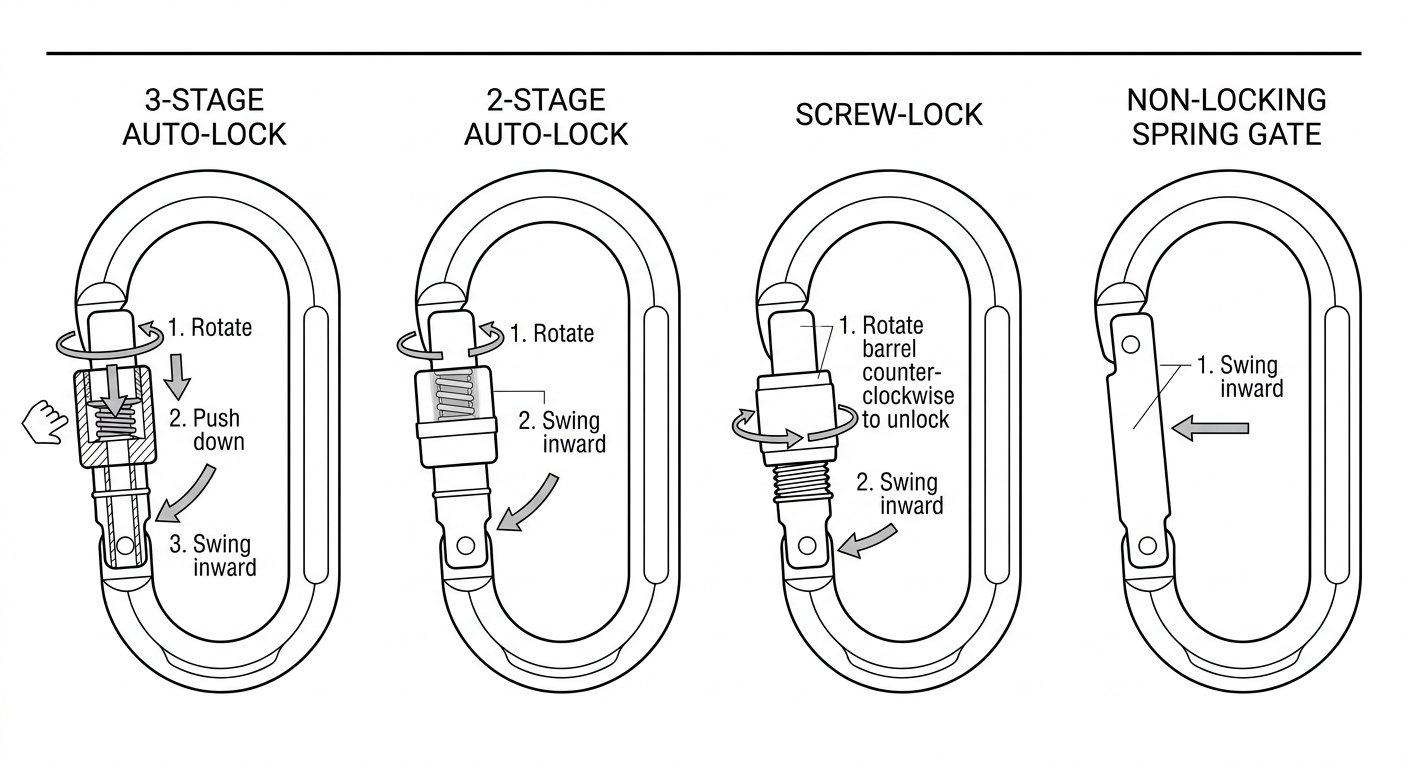
Every rope access or confined-space system comes down to a handful of small metal parts that hold the whole thing together. The connector at the harness attachment point, at the anchor, on the descender and on the back-up device is where a system most often fails through human error rather than material failure — a…