Safety / Tips and Tricks / Tree care and grounds
Activity 04 · Tree care
Hearing Protection for Chainsaw and Power Tool Use
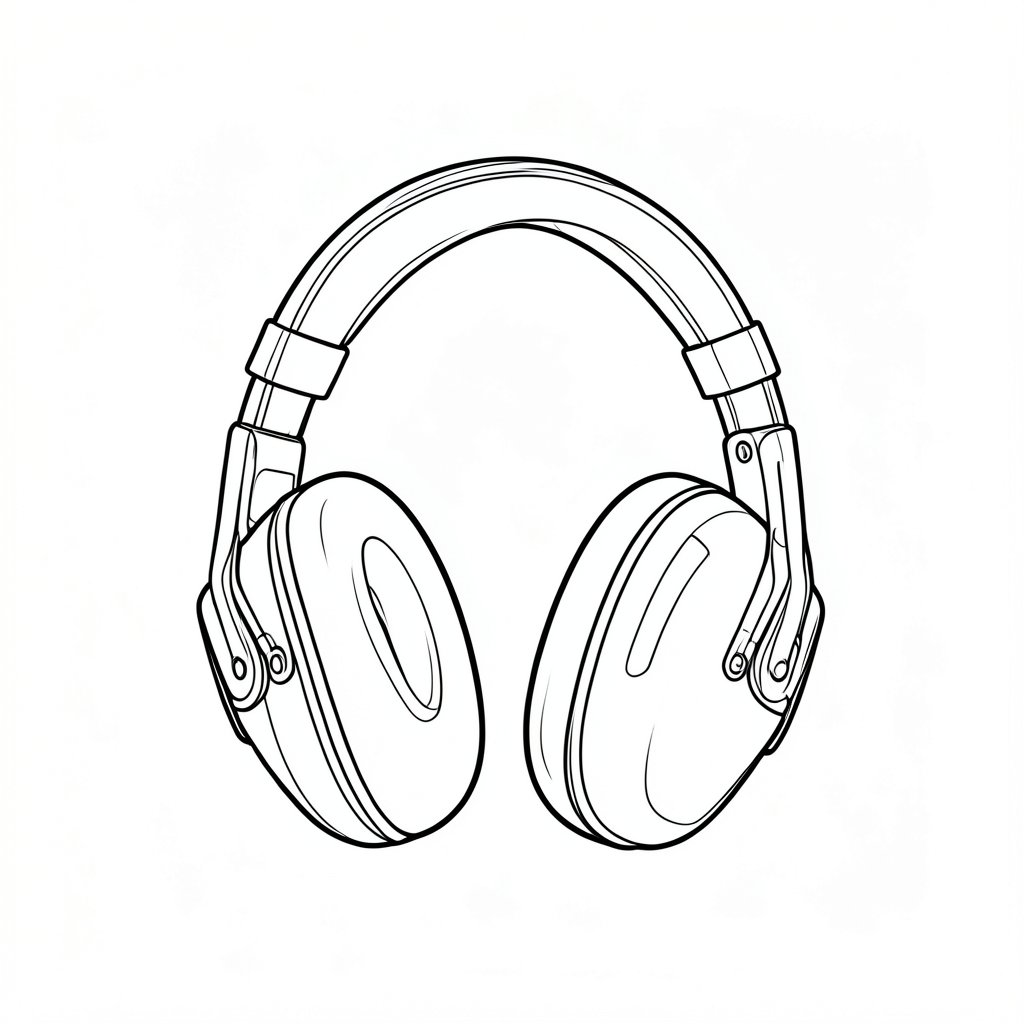
Chainsaw and power tool noise reaches hazardous levels quickly, and because hearing damage from noise exposure is both cumulative and irreversible, the margin for treating hearing protection as optional on any given cut is effectively zero.
Why chainsaw noise exposure adds up fast
A chainsaw running at full throttle typically produces noise well above the level at which daily exposure limits are reached within a fraction of a normal working day, meaning even a modest amount of actual cutting time across a shift can accumulate toward or past the limit. Idle time still contributes, though at a lower level, and total daily exposure should be assessed across the whole shift’s tool use, not just the moments of active cutting.
Selecting the right protector for the task
Hearing protectors meeting EN 352 are rated by attenuation, and for chainsaw work the protector needs to bring exposure comfortably under the relevant limit without over-attenuating to the point of isolating the operator from other hazard cues on site, such as a colleague’s shout or an approaching vehicle. Integrated helmet-mounted ear defenders are the most common choice for chainsaw work specifically, since they stay correctly positioned without needing to be separately fitted each time.
Seal, fit and condition
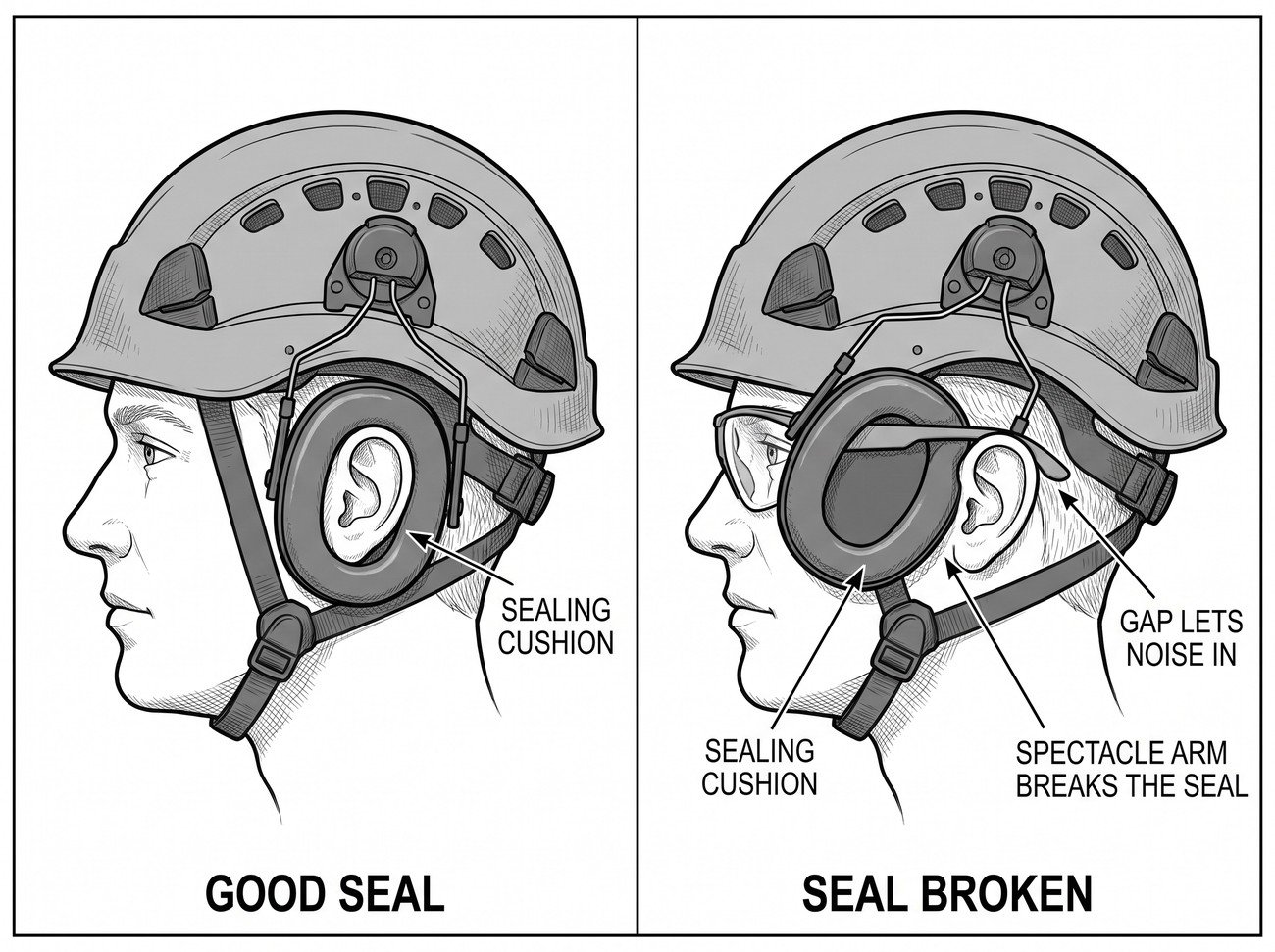
An ear defender’s attenuation rating only applies when the cushion forms a complete seal against the head, and anything breaking that seal — long hair caught under the cushion, glasses arms, a helmet strap in the wrong position — measurably reduces the actual protection received below the rated figure. Cushions harden and lose their sealing quality with age and use, and should be inspected and replaced on the manufacturer’s stated schedule rather than left in service until visibly damaged.
Communication and situational awareness
Effective hearing protection for grounds work needs to be balanced against the genuine need to hear warning shouts, a falling-tree crack, or approaching machinery, particularly during felling operations where ground crew and the operator rely on audible signals. Where communication is a significant concern, electronic or level-dependent protectors that amplify quiet sound while still attenuating the chainsaw’s own noise can resolve this tension better than simple passive protectors.
Consistency, not just correct selection
The single biggest failure mode for hearing protection is not choosing the wrong protector but not wearing it consistently — noise-induced hearing loss accumulates from exposure that happens gradually, so the protection that matters is the protection actually worn every time the saw or tool is running, not the protection that exists in the kit bag.
For the wider helmet system hearing protection is usually integrated into, see choosing a helmet system for chainsaw and grounds work.
Related standards
The standards below set the test methods and performance levels behind the equipment referenced in this note.
- EN 352 — Hearing protectors
- EN 458 — Hearing protector selection and use
- EN 397 — Industrial safety helmets
Common errors
1Treating hearing protection as optional for a quick or brief cut.
2Allowing hair, glasses or a helmet strap to break the ear defender's seal against the head.
3Continuing to use cushions that have hardened or degraded past the manufacturer's replacement interval.
4Selecting maximum attenuation without considering the resulting loss of situational awareness during felling work specifically.
Frequently asked questions
Why does chainsaw noise reach hazardous exposure levels so quickly?
A chainsaw at full throttle produces noise well above the level at which daily exposure limits are reached within a fraction of a normal working day, so even modest active cutting time can accumulate toward the limit.
Why are helmet-mounted ear defenders the common choice for chainsaw work?
They stay correctly positioned throughout the task without needing to be separately fitted each time, unlike standalone earmuffs that rely on the operator to don and position them consistently.
What can reduce a hearing protector's actual attenuation below its rated figure?
Anything breaking the cushion's seal against the head, such as long hair caught underneath, glasses arms, or a helmet strap in the wrong position.
Why might electronic or level-dependent hearing protectors suit felling work specifically?
They amplify quiet sound such as warning shouts while still attenuating the chainsaw's own noise, resolving the tension between hearing protection and the need for audible communication during felling operations.
What is the single biggest failure mode for hearing protection in practice?
Not wearing it consistently every time the saw or tool is running, since noise-induced hearing loss accumulates gradually from exposure that happens whenever protection is skipped, not just from choosing the wrong protector.
Need this as a document you can issue? The template library gives you the risk assessments, permits and inspection logs in editable form — and employer plans cover a whole team with completion records.