Safety / Tips and Tricks / Chemical Handling
Activity 06 · Chemical Handling
Chemical Protective Clothing: EN 14605 versus EN 13034
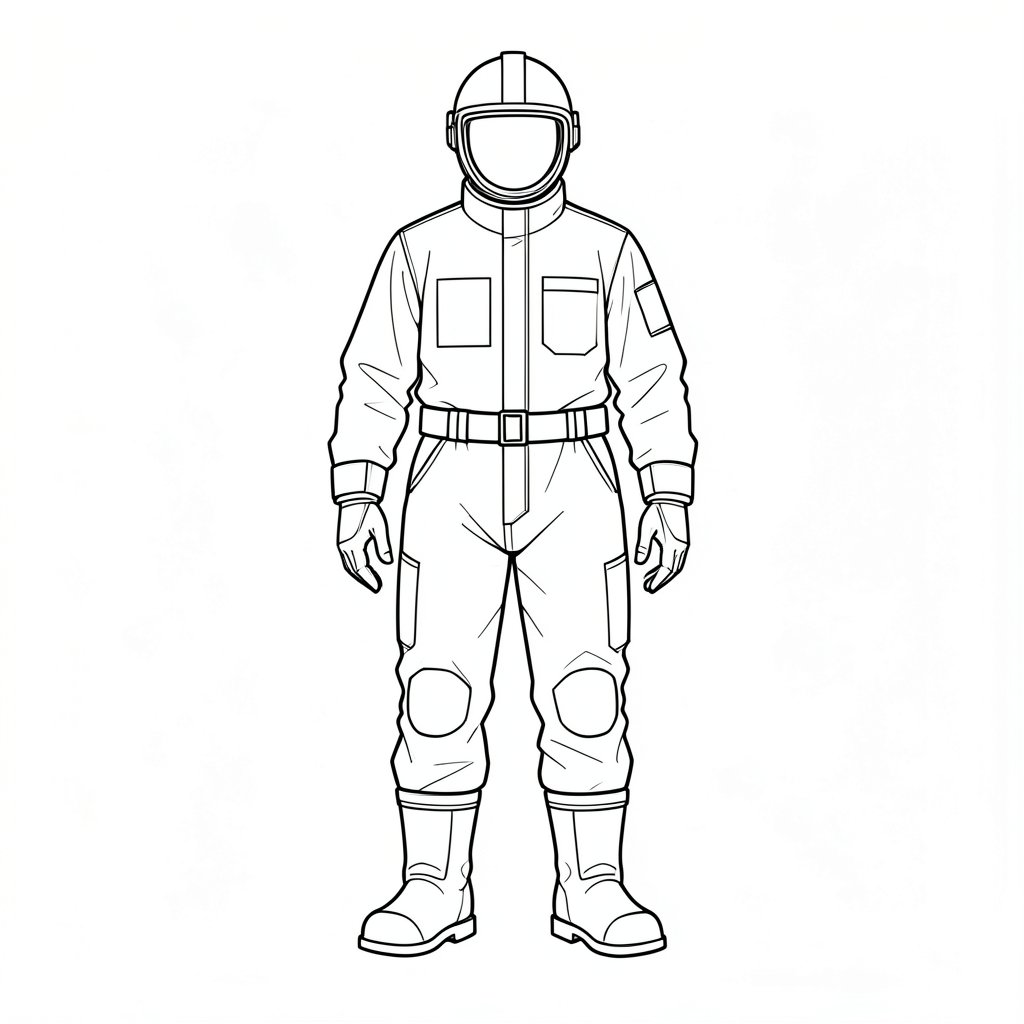
Chemical protective clothing is not a single category with varying quality levels — it is a set of distinct performance types built for genuinely different exposure scenarios, and choosing between them depends entirely on how the chemical is expected to reach the wearer, not simply on how hazardous the chemical itself is.
What EN 14605 covers
EN 14605 covers clothing offering liquid-tight (Type 3) or spray-tight (Type 4) protection, tested against a pressurized liquid jet or a spray respectively. Type 3 garments are built for tasks where a chemical could strike the wearer under pressure, such as a burst hose or a pressurized transfer line, while Type 4 garments are tested against a lower-pressure spray, appropriate for tasks with a realistic but non-pressurized liquid exposure, such as general handling around open containers.
What EN 13034 covers
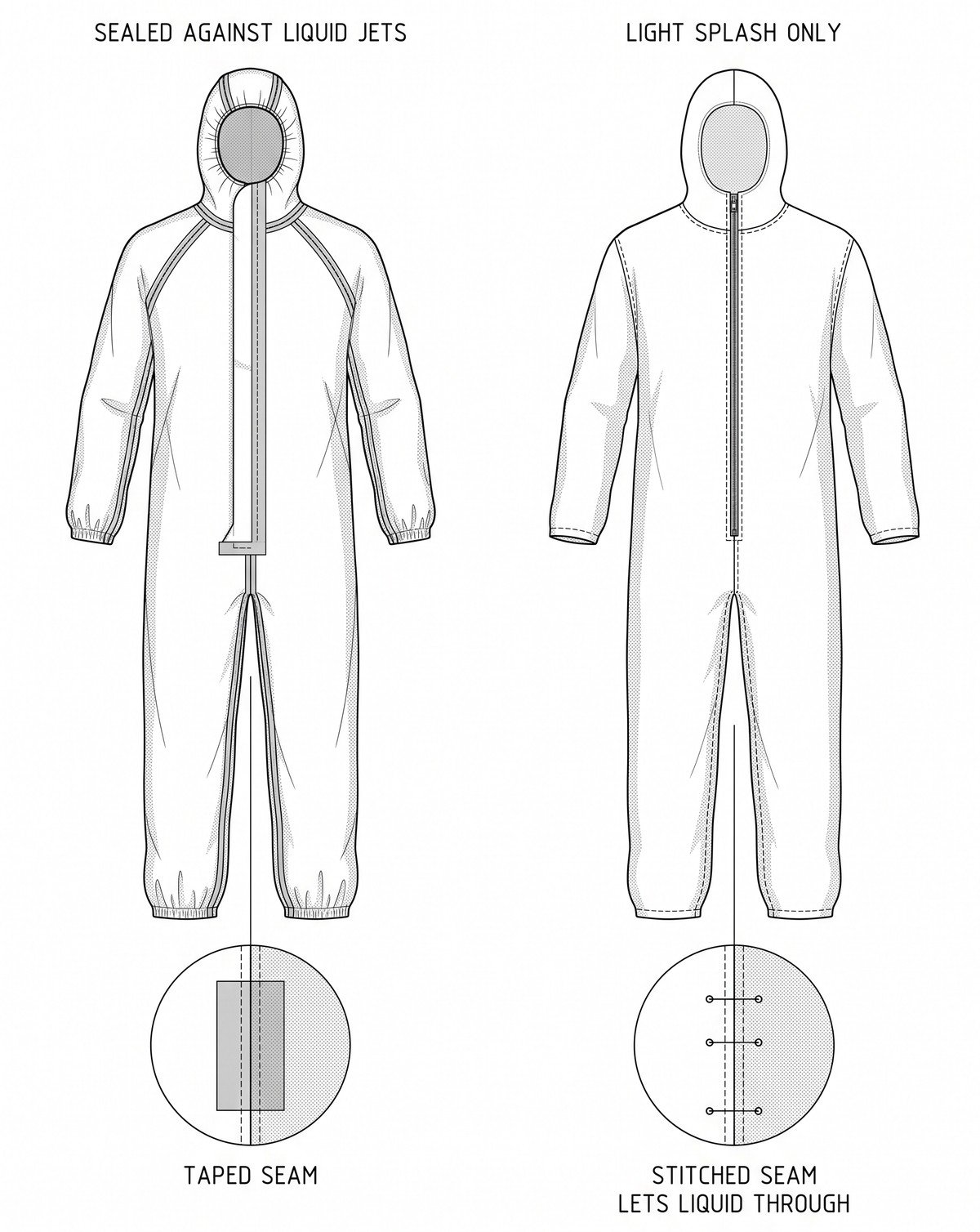
EN 13034 covers Type 6 clothing, offering limited protection against light or incidental splash and low-level contamination, a lower level of liquid-tightness than either type covered by EN 14605. Type 6 garments suit tasks where contact with the chemical is not expected in normal operation but a small incidental splash is a realistic possibility, and they should not be treated as adequate for tasks where a more significant liquid exposure is actually anticipated.
Matching type to the actual exposure scenario
Selecting Type 6 protection for a task that genuinely carries pressurized-jet or sustained-spray exposure risk under-protects the wearer regardless of how capable the underlying fabric otherwise is, since the type rating reflects the whole garment’s performance under that specific challenge, not just the base material’s chemical resistance. Conversely, using a heavier Type 3 or 4 garment for a low-risk incidental-splash task is not unsafe, but it does trade away comfort and heat stress management the task did not actually require, which can itself become a safety issue on longer or hotter tasks.
Seam construction and closures
A garment’s overall liquid-tightness depends heavily on seam construction — taped, welded or stitched-and-taped seams perform very differently under pressure or spray exposure — and on the design of closures at the zip, hood and cuffs, which are common failure points even on garments with excellent base fabric performance. Checking that the specific garment’s seam and closure design matches its stated type rating, rather than assuming the base fabric alone determines performance, is part of a genuine selection process.
Single-use versus reusable garments
Single-use garments are generally the more practical choice for tasks with unpredictable or heavy contamination, since decontaminating a reusable garment to a reliable standard is often harder in practice than the garment’s reusability suggests, and a single-use garment removes that uncertainty at the cost of ongoing replacement expense. Reusable garments suit predictable, lower-contamination tasks where a validated cleaning procedure genuinely restores the garment’s performance between uses.
For the gloves worn alongside this clothing, see selecting chemical-resistant gloves.
Related standards
The standards below set the test methods and performance levels behind the equipment referenced in this note.
- EN 14605 — Chemical protective clothing (liquid-tight)
- EN 13034 — Chemical protective clothing (limited protection)
- EN ISO 13688 — General requirements for protective clothing
Common errors
1Selecting Type 6 protection for a task with a genuine pressurized-jet or sustained-spray exposure risk.
2Assuming base fabric chemical resistance alone determines a garment's overall performance, ignoring seam and closure design.
3Reusing garments without a validated decontamination procedure that actually restores their original performance.
4Choosing a heavier garment type than the task requires, adding unnecessary heat stress risk on longer tasks.
Frequently asked questions
What is the difference between Type 3 and Type 4 protection under EN 14605?
Type 3 is tested against a pressurized liquid jet, suited to tasks where a chemical could strike the wearer under pressure, while Type 4 is tested against a lower-pressure spray, suited to non-pressurized liquid exposure.
What does EN 13034 Type 6 clothing offer that EN 14605 garments do not?
It offers a lower level of liquid-tightness, appropriate for light or incidental splash and low-level contamination rather than pressurized jet or spray exposure.
Why is it unsafe to use Type 6 clothing for a pressurized-jet exposure task?
The type rating reflects the whole garment's performance under that specific challenge, not just the base fabric's chemical resistance, so Type 6 clothing under-protects the wearer regardless of the fabric's other qualities.
Why do seams and closures matter as much as the base fabric?
They are common failure points even on garments with excellent base fabric performance, so a garment's overall liquid-tightness depends heavily on seam construction and closure design at the zip, hood and cuffs.
When is a single-use chemical protective garment the more practical choice?
For tasks with unpredictable or heavy contamination, since decontaminating a reusable garment to a reliable standard is often harder in practice than expected.
Need this as a document you can issue? The template library gives you the risk assessments, permits and inspection logs in editable form — and employer plans cover a whole team with completion records.