
Latest posts
-
Rope Grab Specifications and Rope Compatibility: Matching the Device to the Line
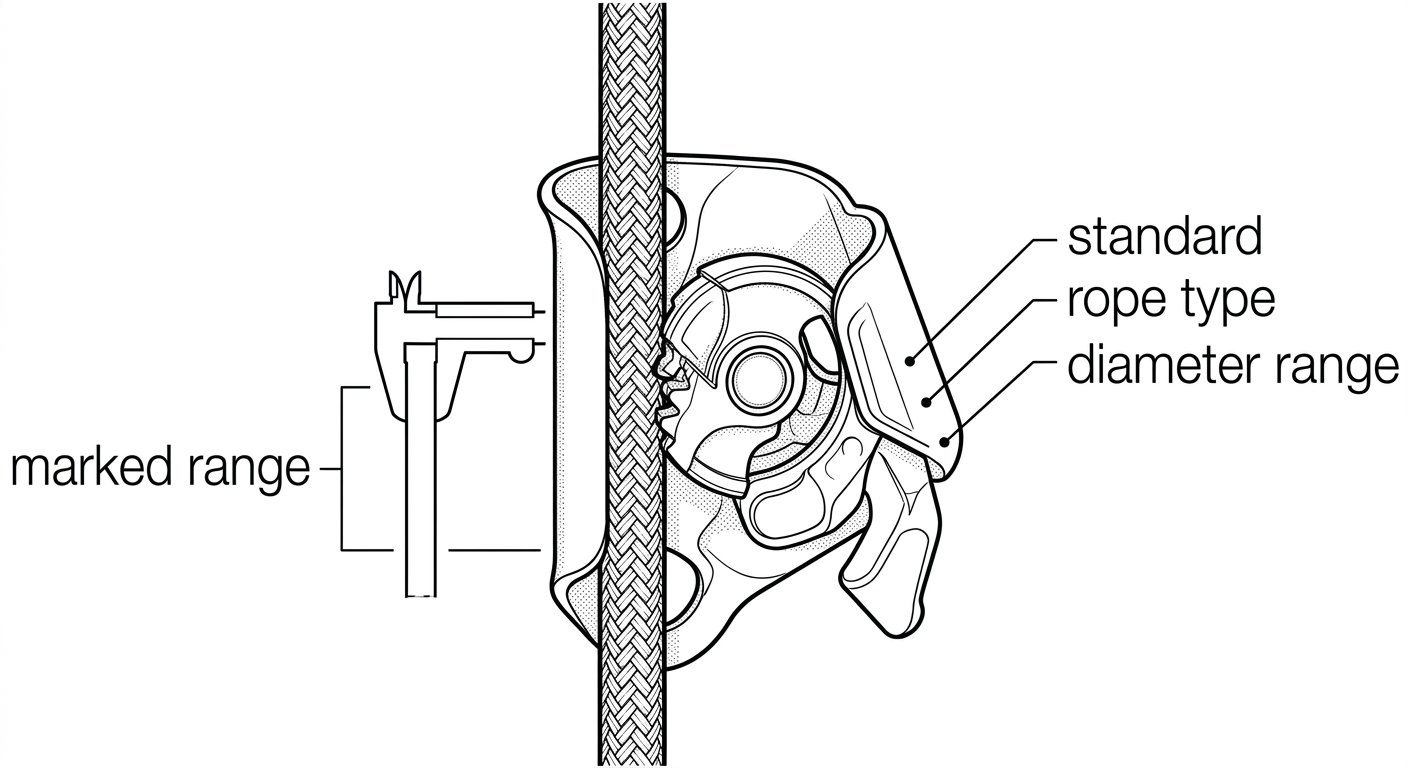
A rope grab is only as good as the rope it is sitting on. The device does not arrest a fall on its own – it does so by clamping a specific type of rope, of a specific diameter, in a specific condition. Put the same device on a line that is a millimetre too…
-
Descender Specifications and Working Loads: Reading the Numbers That Actually Limit the Job
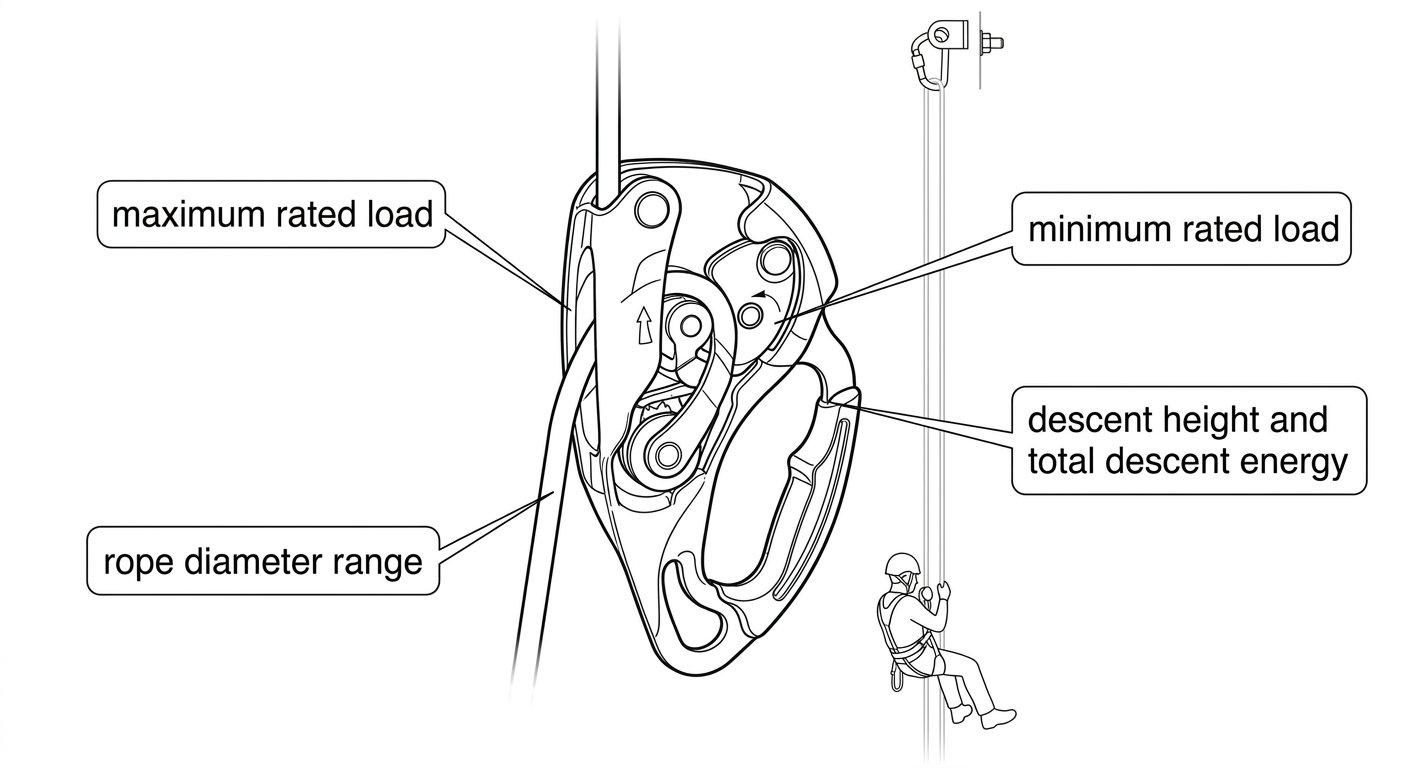
A descender is one of the few pieces of rope-access equipment whose marked numbers change what you are allowed to do on the day. The rated load decides whether one person or two can go down on it. The rope diameter range decides which line it may be threaded on. The descent-energy or descent-height limit…
-
Service Life and Retirement Criteria for Textiles: Age Limits, Condition Checks and When to Cut the Sling
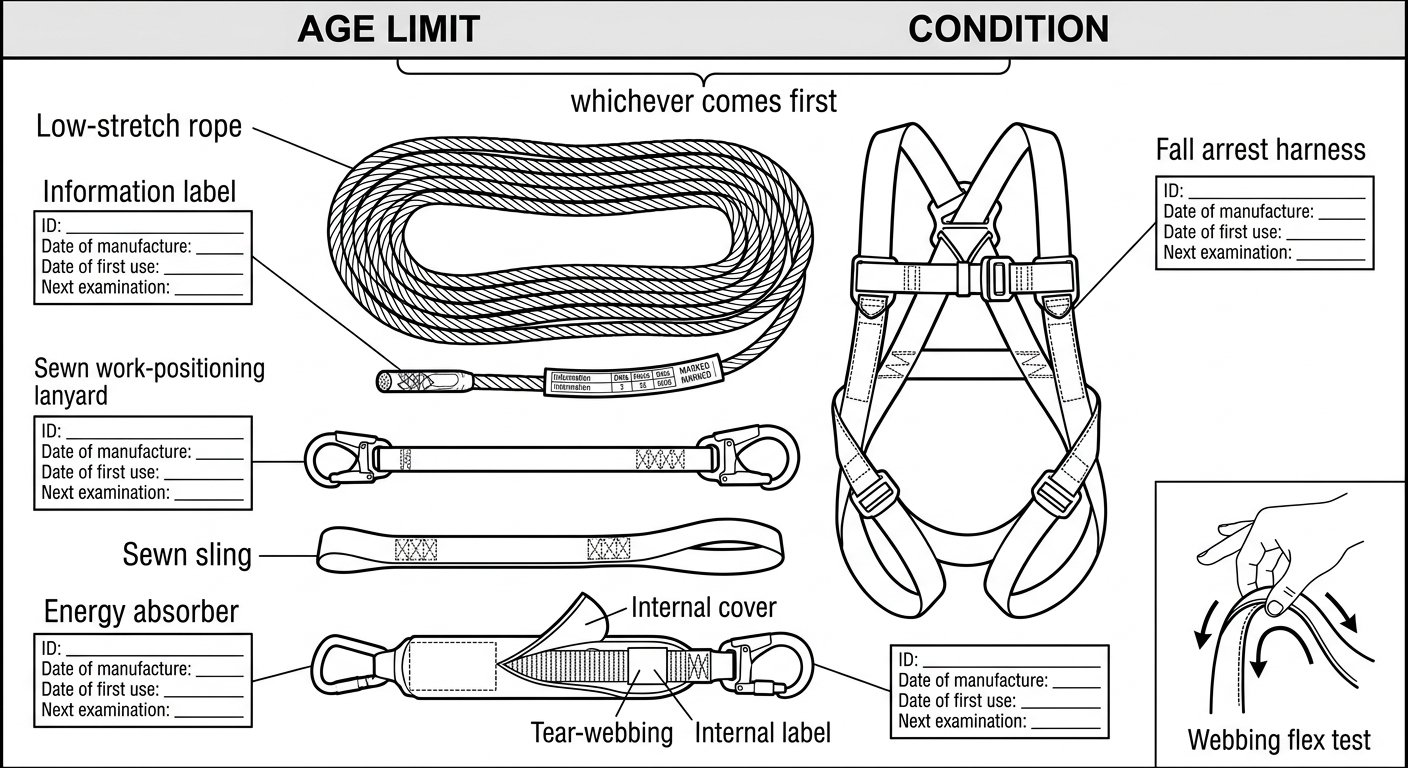
Every textile item in a rope-access or confined-space kit — rope, harness, positioning belt, lanyard, energy absorber, sling, anchor strap, accessory cord — leaves service for one of three reasons: it reached the maximum service life declared by its manufacturer, an inspection found damage that meets a retirement criterion, or a single event happened to…
-
Washing a Low-Stretch Rope Before First Use
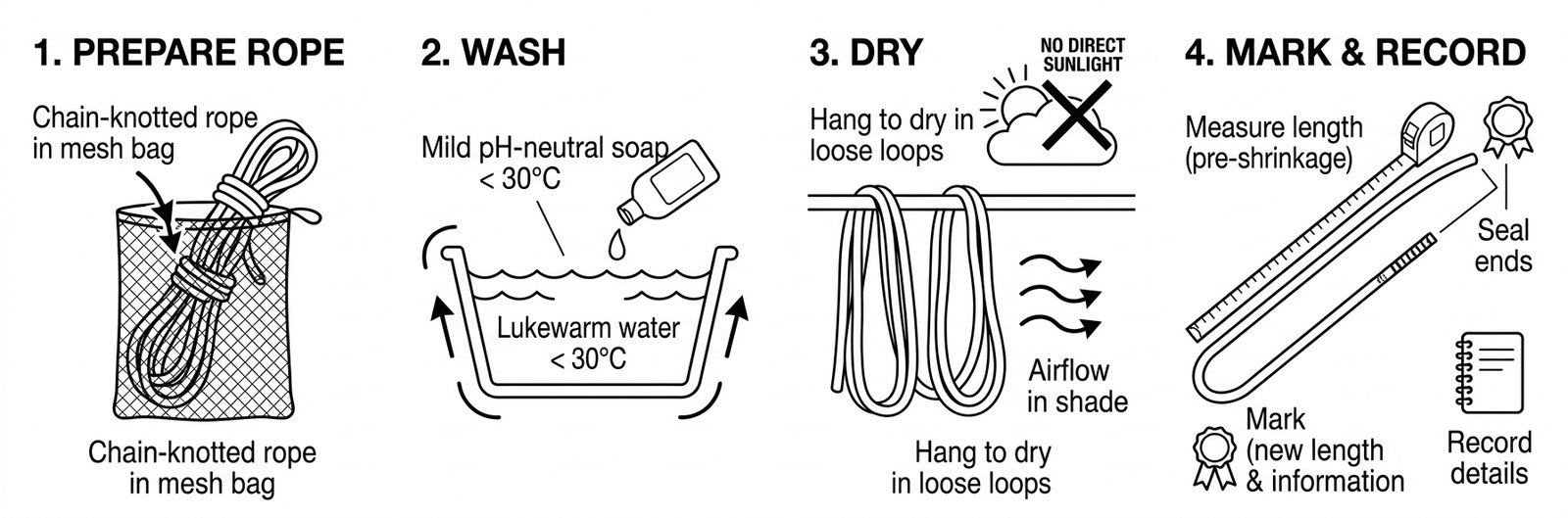
A new low-stretch (semi-static) kernmantle rope does not arrive in the state it will spend the rest of its working life in. It carries residual processing lubricants and fibre dust from spinning and braiding, its sheath is slick, and its length is not yet stable: the first thorough wetting shrinks it. Washing the rope before…
-
Performance of New Versus Used Ropes: Slip, Stretch, Diameter and Friction
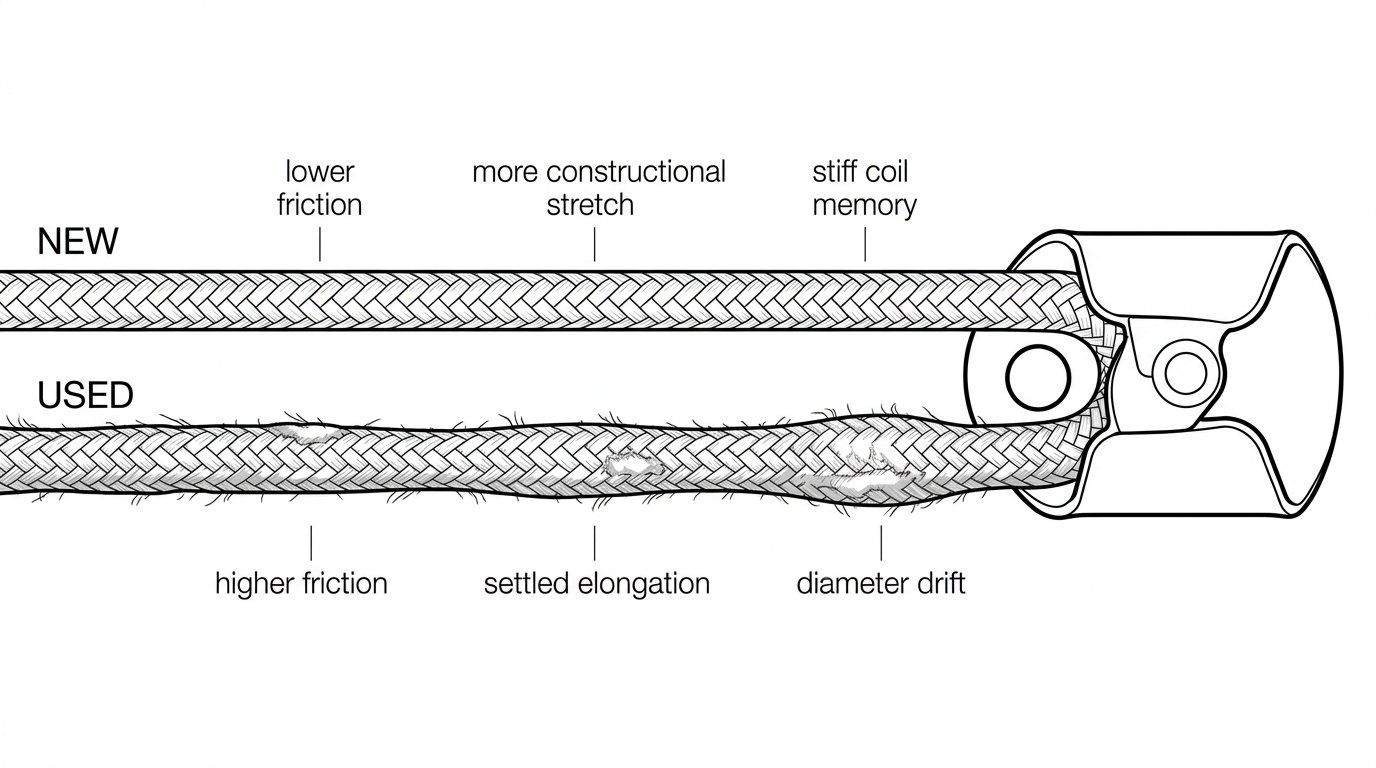
A rope that has been in service for a season does not behave like the one that came out of the bag last week, and the difference shows up in the places that matter most: how fast a descender runs, how far the rope stretches before the load is taken, whether a rope grab bites…
-
Using Pulleys With Small-Diameter Rope or Cord: Sheave Fit, Jamming and System Compatibility
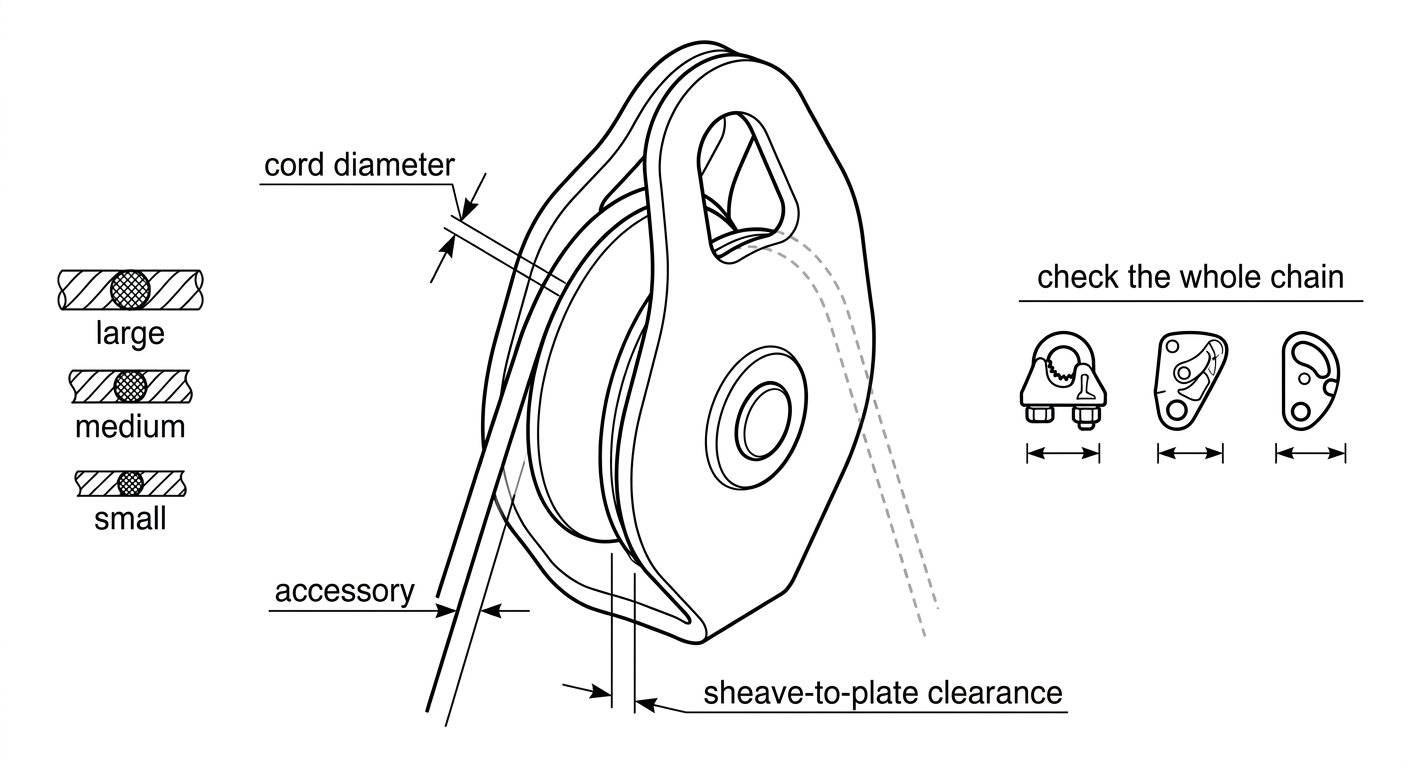
Small cord is convenient. It coils tight, it weighs nothing, and a 100 m spool of 6 mm accessory cord takes up less pack space than 30 m of 11 mm low-stretch rope. That convenience is exactly why it ends up threaded through pulleys that were never designed for it — tool-hoist lines through a…
-
Reading the Markings on a Connector
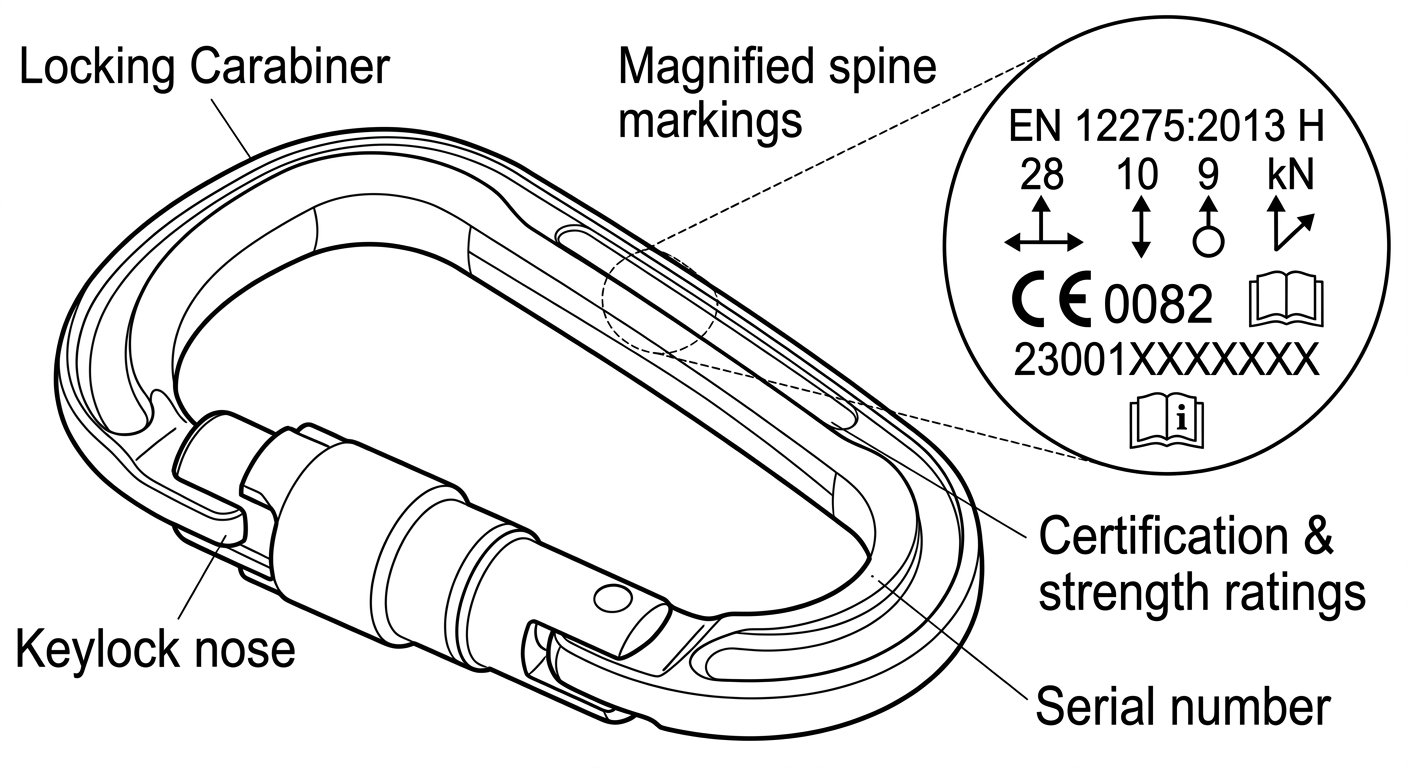
A connector that has been picked out of a kit bag tells you almost everything you need to know about whether it belongs in the system you are about to build — but only if you can read it. The letters, numbers and pictograms stamped or laser-etched into a carabiner body are not decoration or…
-
Choosing an Absorber for the Clearance Available
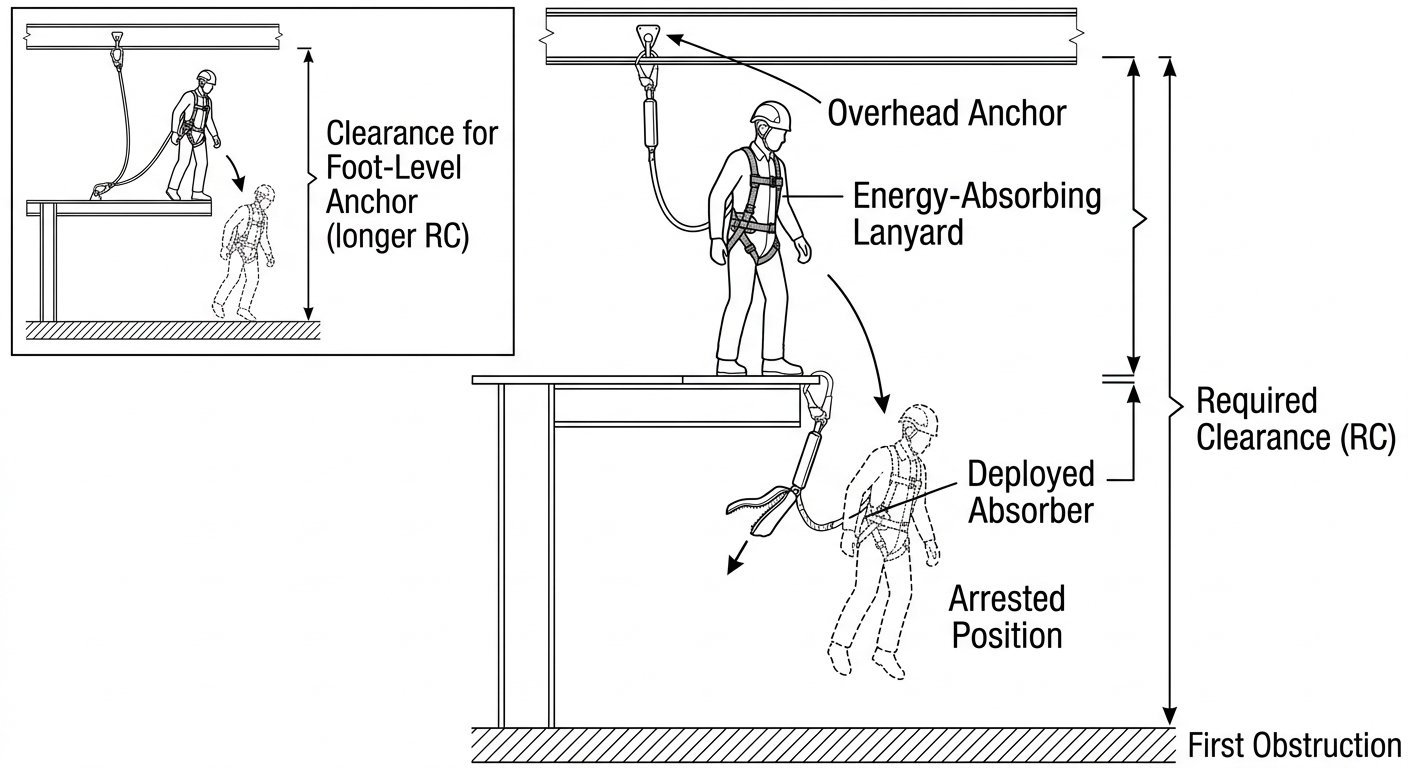
An energy absorber is only as good as the empty space underneath it. The absorber limits the force on the body during a fall arrest, but it does that by lengthening the fall — and if the structure, the plant floor or a pipe rack sits inside that lengthened distance, the worker stops against the…
-
Selecting a Rescue Kit for the Task
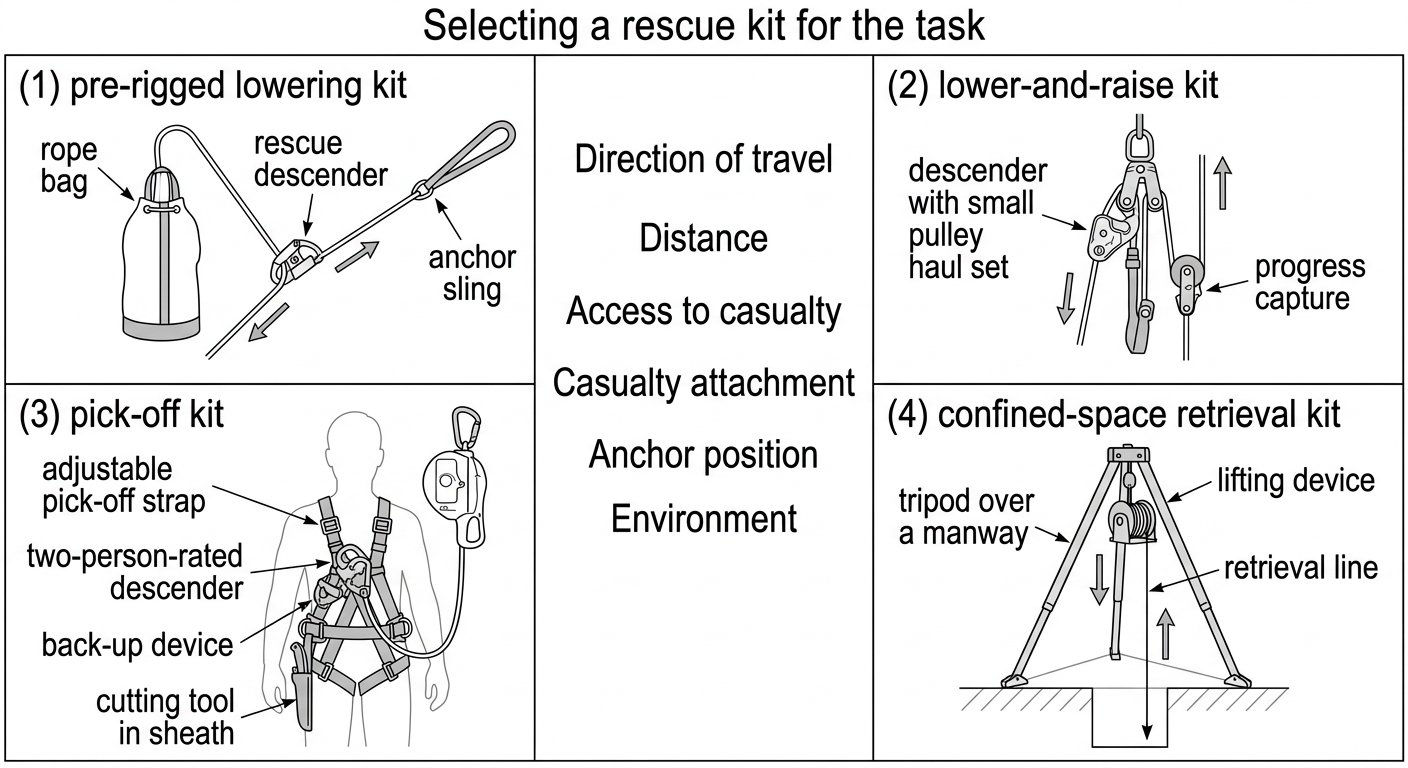
A rescue kit is only useful if it matches the rescue you have actually planned for. The most common failure is not equipment failure – it is a kit that can lower but not raise, a rope that is shorter than the drop, or a retrieval winch bolted to a tripod over a shaft that…
-
Choosing a Low-Stretch Rope Diameter: Matching Rope to Devices, Loads and Wear
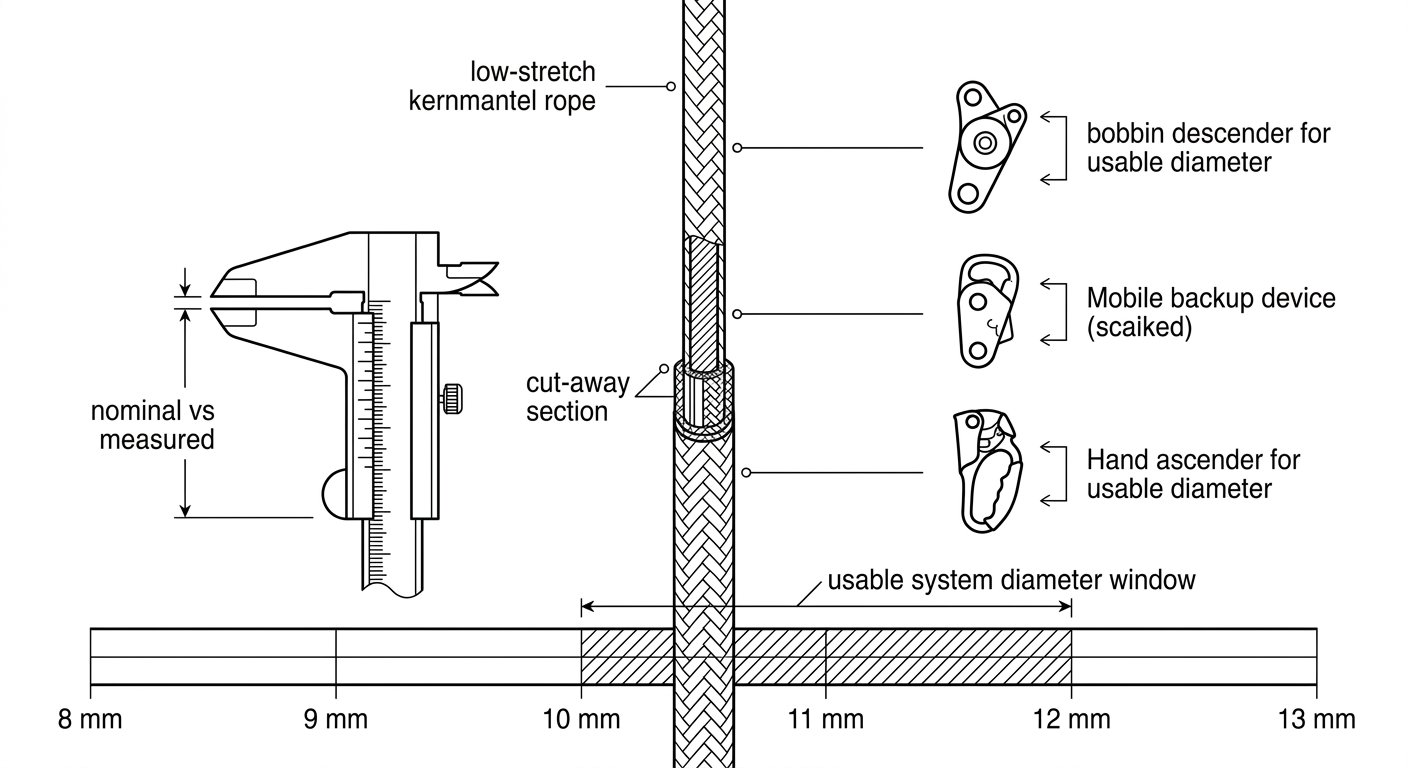
Rope diameter is a system compatibility decision before it is a strength decision. A low-stretch kernmantel rope that is half a millimetre outside the marked range of the descender or the backup device on the harness is the wrong rope for that system, regardless of how strong it is. Diameter also decides how the rope…