Standards / Machinery Safety
EN ISO 14120
Machinery Safety
Current
Guards: Design and Construction
EN ISO 14120 is the European standard for the design and construction of guards used to protect people from machinery hazards. It covers the types of guard, what each is suited to, the strength and durability a guard must have, and the practical requirements that decide whether a guard stays fitted in service.
Scope
EN ISO 14120 applies to guards intended to protect people from mechanical hazards on machinery, covering fixed guards, movable guards, adjustable guards and enclosing guards. It sets out general requirements for their design, construction and selection, including strength, retention, openings, visibility and the avoidance of additional hazards created by the guard itself.
Exclusions & Related Standards
- Interlocking devices associated with movable guards fall under EN ISO 14119.
- The safety distances that determine opening sizes fall under EN ISO 13857.
- The overall risk assessment framework is ISO 12100.
- The reliability of any control function associated with a guard falls under ISO 13849.
Key Requirements & Marking
A guard must be robust enough to remain in place under the loads it will actually meet, including a person leaning on it, ejected parts and impacts from trucks or material. Fixed guards must require a tool for removal, and where they are removed routinely the fixings should remain attached to the guard so it can be refitted. Openings must be sized together with their distance from the hazard, and the guard must not itself create a trapping point, a sharp edge or an obstruction to vision.
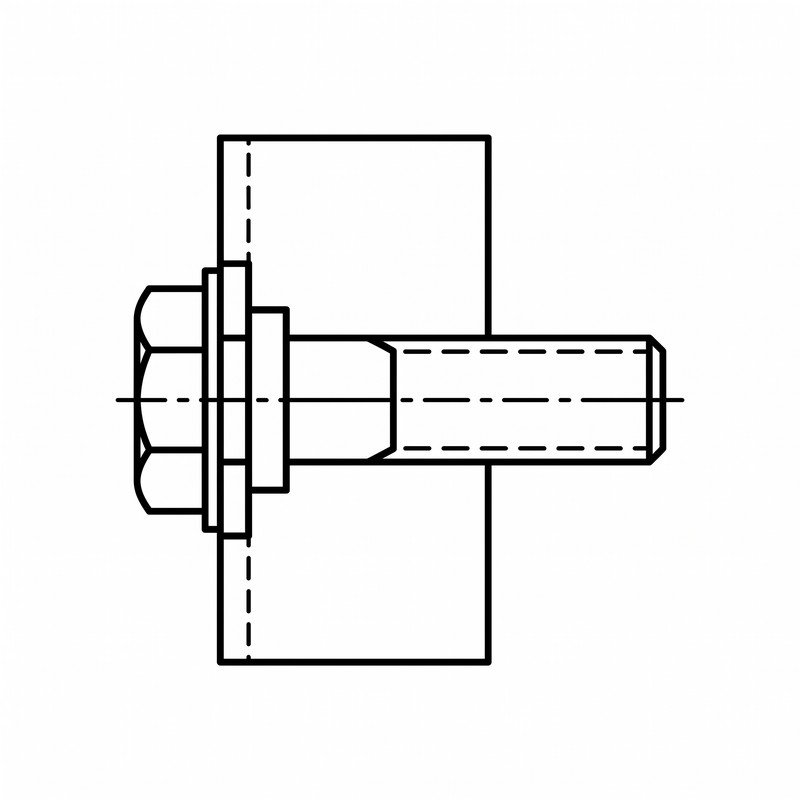
A tool to remove it, fixings that stay with it, and openings judged together with the distance behind them.
Testing Overview
Assessment covers the mechanical strength and rigidity of the guard and its fixings against static and impact loads, resistance to the environment and to any process substances it will meet, retention of the guard and its fasteners, and confirmation that the guard does not introduce hazards of its own.
Selection Guide
Choose a fixed guard wherever access is not needed during normal operation, because it has nothing to fail. Choose a movable interlocked guard where regular access is required. Consider what the guard must stop as well as what it must keep out: a mesh that prevents a hand entering will not retain an ejected tool. Route routine service points out through the guard so there is no reason to remove it.
Inspection, Care and Maintenance
- Check that guards are present, secure and undamaged as part of routine machine checks
- Replace lost or substituted fasteners with the correct type, and prefer captive fixings
- Withdraw guards that have been distorted by impact, since a deflected guard can allow reach to the hazard
- Keep viewing panels clean and replace them when crazed or opaque, as poor visibility is a common reason guards are removed
- Refit guards as part of the maintenance task rather than as tidying afterwards
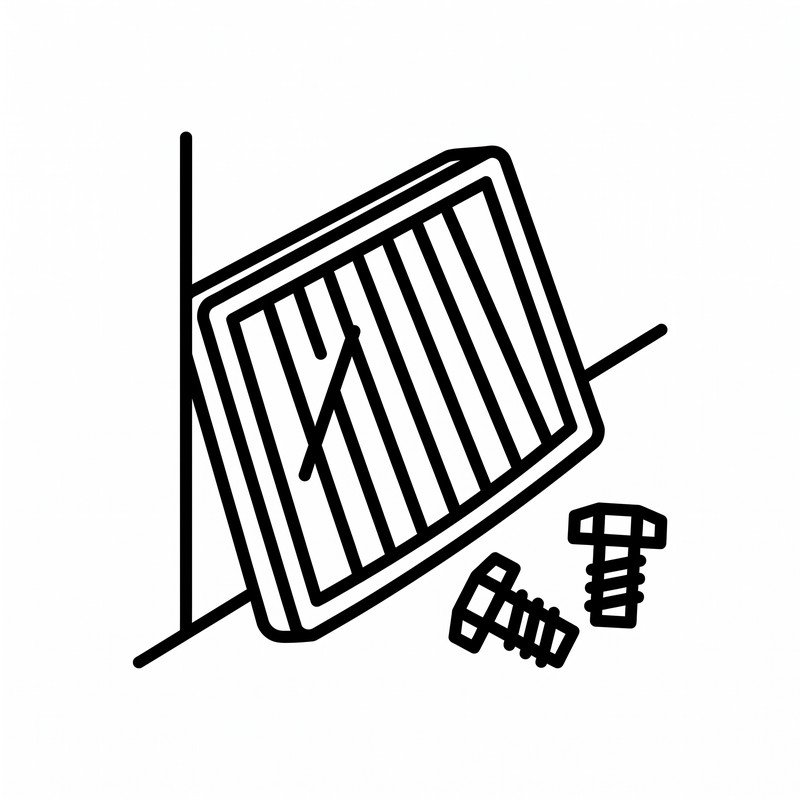
The guard removed for maintenance is the one most often left off; refitting belongs to the task.
Frequently asked questions
What makes a guard fixed rather than movable?
It requires a tool for removal. Hand-removable fixings such as wing nuts make a guard movable in practice regardless of what it is called.
Why are captive fasteners recommended?
Because loose fixings get lost and a guard that cannot be refitted stays off. Fasteners retained in the guard make refitting possible at the point it is needed.
Does a guard have to stop ejected parts?
It depends on what the machine can eject. A guard specified only to prevent a hand entering will not necessarily retain a broken tool or a workpiece leaving at speed, so both questions are asked separately.
Can a guard create its own hazard?
Yes, and the standard requires that it does not. A guard can introduce a trapping point, a sharp edge, an obstruction to vision, or a need to work in an awkward posture.
Why does visibility through a guard matter?
Because poor visibility is one of the most common reasons guards are removed. A crazed or opaque viewing panel gives an operator a practical reason to take the guard off.