Standards / Machinery Safety
EN ISO 14119
Machinery Safety
Current
Interlocking Devices Associated With Guards
EN ISO 14119 is the European standard for interlocking devices associated with guards: the switches, sensors and locking devices that stop a machine when a guard is opened, or hold the guard shut until the machine is safe. It also sets out how to reduce the likelihood that an interlock will be defeated.
Scope
EN ISO 14119 applies to interlocking devices used with movable guards on machinery, covering the principles for their design and selection, the types of device available, guard locking, and measures to minimise defeat. It applies whether the device is mechanical, electromechanical, magnetic or coded.
Exclusions & Related Standards
- The design and construction of the guard itself falls under EN ISO 14120.
- The required reliability of the safety function the device forms part of is determined under ISO 13849.
- Presence-sensing devices such as light curtains are not interlocking devices; their positioning falls under EN ISO 13855.
- Emergency stop devices fall under EN ISO 13850.
Key Requirements & Marking
Where a machine does not stop immediately, a plain interlock is insufficient because the guard can be opened while dangerous motion continues; guard locking is required so the guard stays shut until a safe state is reached. Devices are classified by type according to how they are actuated and how easily they can be defeated, and coded devices that respond only to their own matched actuator provide the highest resistance to defeat.

Where the machine takes time to stop, the guard is held shut until it is actually safe rather than merely commanded to stop.
Testing Overview
Assessment covers the actuation and switching behaviour of the device, its mechanical endurance over repeated operation, the strength of guard locking against forced opening, resistance to defeat by simple means such as a spare actuator or a magnet, and the behaviour of the device on fault.
Selection Guide
Select guard locking wherever the run-down time of the machine exceeds the time taken to reach the hazard through the opened guard. Select a coded device where the incentive to defeat is high. Mount devices so that fixings are concealed once installed and so that misalignment from a sagging door is avoided, and place the reset outside the danger area.
Inspection, Care and Maintenance
- Functionally test interlocks on a defined schedule by opening the guard and confirming the machine actually stops, since normal running never exercises them
- Check alignment and mounting, as sagging doors and drifting brackets stop the actuator seating correctly
- Investigate any device found defeated as a sign that the guard obstructs a necessary task
- Replace devices rather than repairing them, and never substitute an actuator from another device
- Include interlocks in the machine records so that their condition has a history
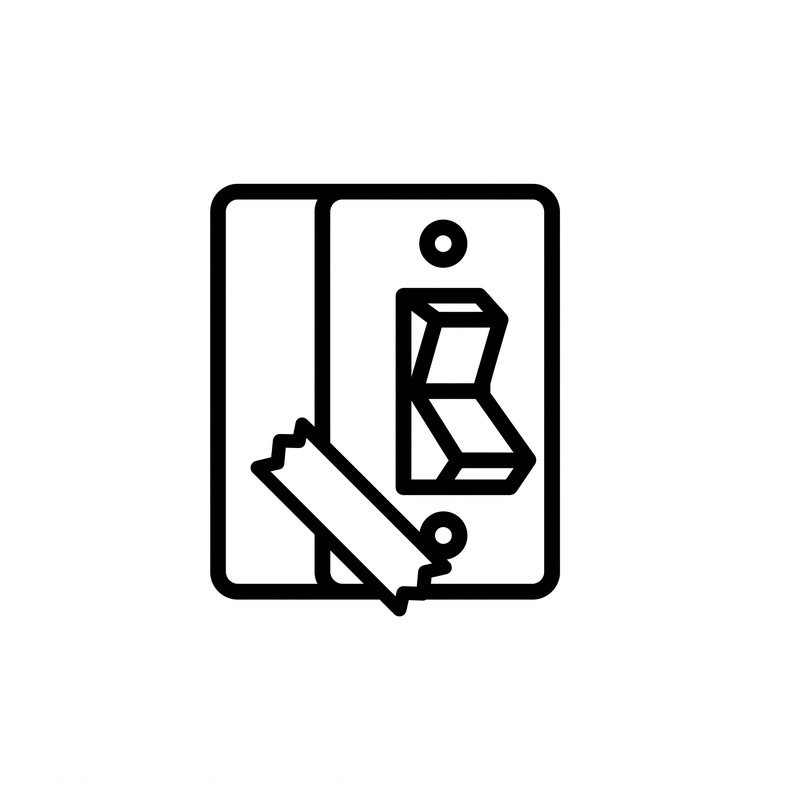
A defeated interlock is evidence that the guard is obstructing a task, not simply a discipline failure.
Frequently asked questions
When is guard locking required rather than plain interlocking?
Whenever the machine takes longer to reach a safe state than a person takes to reach the hazard through the opened guard. A plain interlock lets the guard open while dangerous motion continues.
What is a coded interlock device?
One that responds only to its own matched actuator rather than to any actuator of the same type, which makes defeat with a spare part substantially harder.
How are interlocks usually defeated?
A spare actuator taped into the switch, a magnet held against a sensor, a cable-tied plunger, or the switch unbolted and left connected. All of them indicate the guard is in the way of a task.
Is a good interlock device enough on its own?
No. The device is one part of a safety function running through the control system to whatever removes power or motion, and the required reliability applies to the whole function.
Why do interlocks need functional testing?
Because they fail silently. A welded contact, a chafed cable or a misaligned actuator gives no indication during normal running, which never asks the interlock to act.