Standards / Road and Highway
EN 1317
Road and Highway
Current
Road Restraint Systems
EN 1317 is the European standard series for road restraint systems: the barriers, terminals, transitions and crash cushions that are designed to contain and redirect a vehicle that has left its lane. It defines how systems are impact tested and classifies them by how much energy they contain, how far they move when struck, and how severe the impact is for the vehicle occupants.
Scope
EN 1317 applies to permanent and temporary road restraint systems, including safety barriers, terminals, transitions between different systems, crash cushions and vehicle parapets. It sets out the impact test procedures, the acceptance criteria, and the classification of tested systems by containment level, working width and impact severity.
Exclusions & Related Standards
- Cones, cylinders, tapes and lightweight plastic delineators are not restraint systems; they inform drivers and are covered by the traffic control equipment standards.
- Portable, deformable warning devices and delineators fall under EN 13422.
- Warning and safety light devices fall under EN 12352.
- High-visibility clothing worn behind the barrier falls under EN ISO 20471.
Key Requirements & Marking
A tested system is classified by three properties that have to be read together. The containment level states the impact energy the system is tested to contain. The working width states how far the system and the vehicle intrude behind the original face during the impact, which is the space that must be kept clear of people, plant and materials. The impact severity level describes the effect on the vehicle occupants. A system with high containment and a large working width protects only what lies beyond that width.
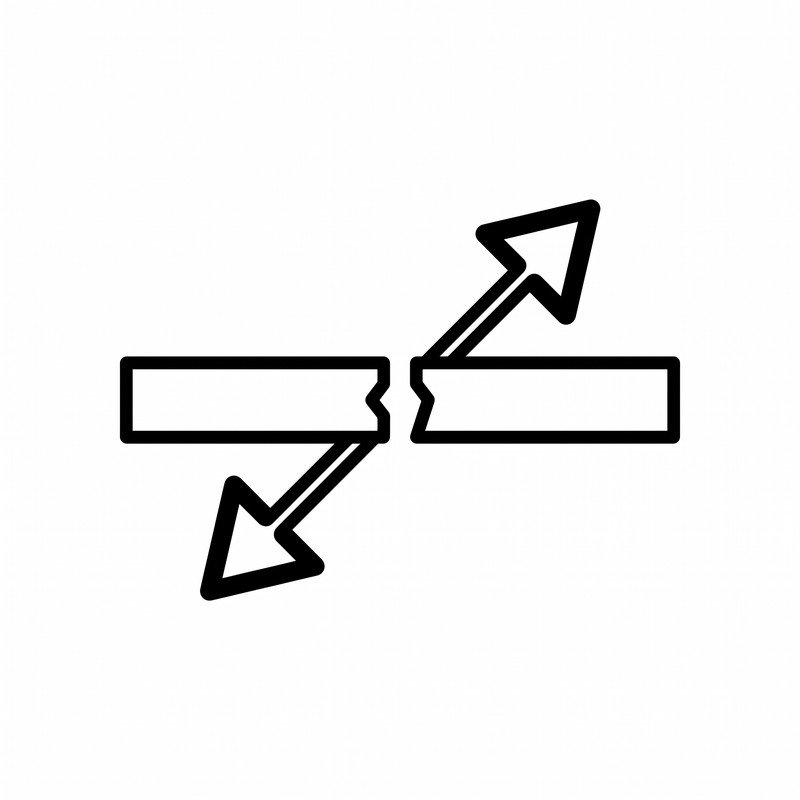
Working width is the space the barrier and vehicle need behind the face; anything inside it is struck.
Testing Overview
Systems are assessed by full-scale impact tests using defined vehicle masses, speeds and approach angles. The tests confirm that the vehicle is contained and redirected without rolling over, that the system does not produce detached fragments presenting a hazard, and that the measured occupant severity indices fall within the limits for the declared class.
Selection Guide
Select a system by what lies behind it and by the speed of the traffic, not by appearance. Confirm there is enough clear space behind the installed line to accommodate the declared working width. Use the manufacturer terminals and transitions rather than improvising an end or a connection to a different system, because the tested performance belongs to the complete assembly.
Inspection, Care and Maintenance
- Install to the manufacturer instructions, including the number of units, the anchorage and the minimum installed length, since a shortened run does not perform as tested
- Keep the declared working width clear of people, plant, materials and excavations
- Fit the correct terminal to any end facing approaching traffic rather than leaving a blunt end exposed
- Use a designed transition wherever two different systems meet
- Inspect after any impact and replace damaged units, as a struck system may no longer perform to its class
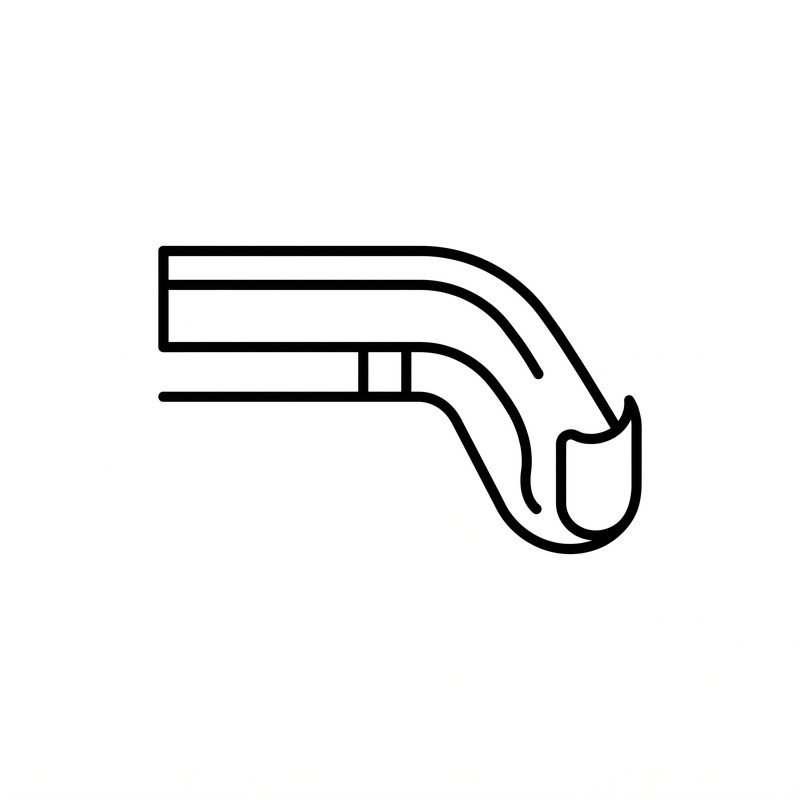
Ends and junctions between systems are designed components, not places to improvise.
Frequently asked questions
What is the difference between a barrier and a line of cones?
Cones are delineation: they inform a driver where not to go and are designed to be struck harmlessly. A restraint system is engineered to contain and redirect a vehicle that has already left its lane, and it is impact tested to prove it.
What does containment level mean?
The impact energy the system has been tested to contain, defined by combinations of vehicle mass, speed and approach angle. A higher level means it has been shown to hold a heavier or faster vehicle.
Why is working width the number that matters on site?
Because it is the space the system and the vehicle occupy behind the original face during an impact. People, plant or materials inside that space are struck even though the barrier performed exactly as intended.
Can a barrier run be shortened to fit the site?
Not without checking the manufacturer instructions. Tested performance belongs to a complete assembly with a minimum installed length and correct anchorage, and a shortened run does not behave as tested.
What happens to a barrier that has been struck?
It is inspected and damaged units are replaced. A system that has absorbed an impact may be deformed or have compromised connections and can no longer be relied on at its declared class.