Stories / The Glove That Got Pulled Into the Conveyor
The Glove That Got Pulled Into the Conveyor
A line operative reached over a moving conveyor to clear a jammed carton. His loose glove cuff caught the roller and dragged his hand toward the nip point before the emergency stop was hit.
Field Story · Machinery Safety
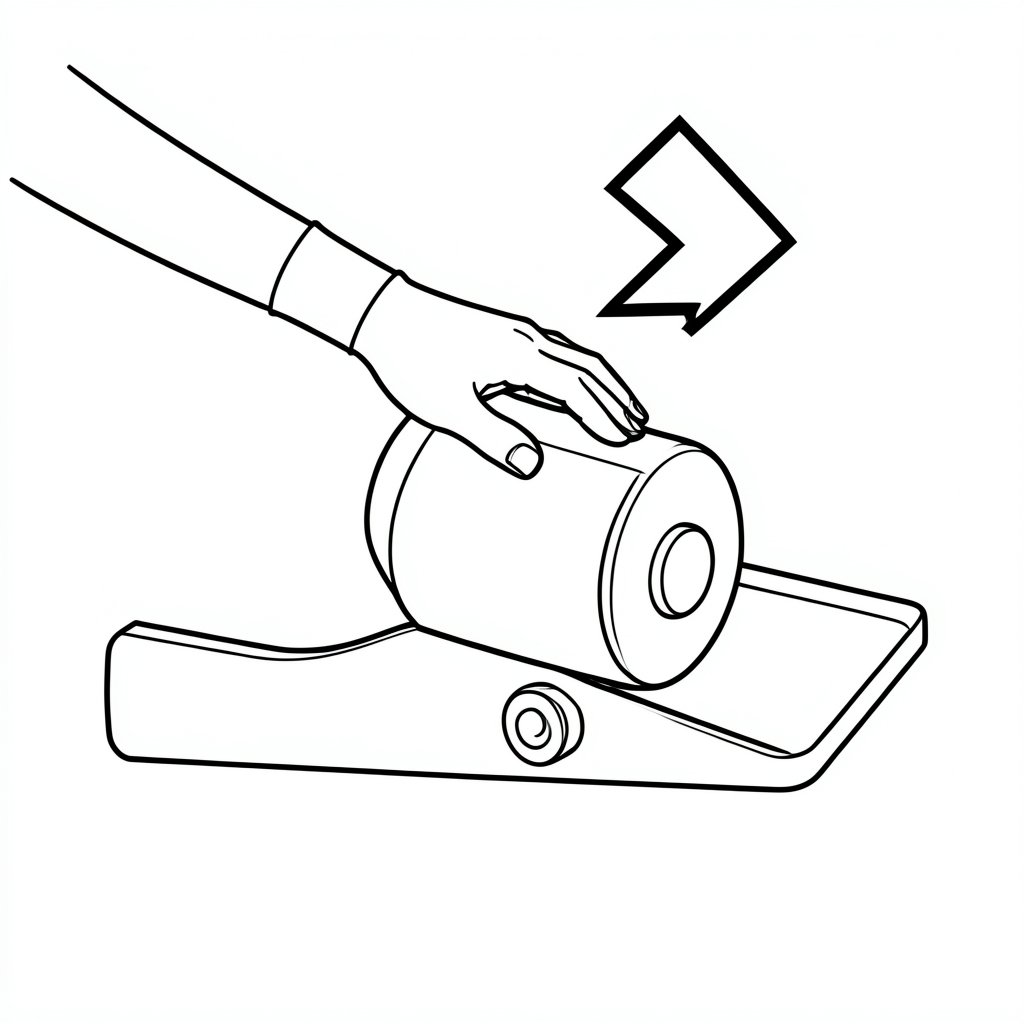
A loose glove cuff caught the roller before the emergency stop was hit.
The machine had a guard, but it had been removed weeks earlier for a maintenance job and never refitted. No one had raised it because the line kept running. The worker escaped with bruising, but a fraction of a second slower on the stop and it would have been an amputation.
The lesson
Fixed and interlocked guarding exists precisely so that a person cannot reach a dangerous moving part. A guard that is removed for maintenance must be treated as a live hazard until it is back in place and checked. Machine safety principles under ISO 12100 put guarding and interlocks ahead of relying on people to keep their hands clear.
This is a composite case study built from common near-miss patterns, used to illustrate the safety principles involved. It does not describe a specific real person or workplace.

Guarding and interlocks are placed ahead of relying on people to keep clear.
← Back to all field stories | Browse EN standards
Frequently asked questions
Why was a removed machine guard the real cause of this near miss?
Fixed and interlocked guarding exists precisely so a person cannot reach a dangerous moving part; once the guard was removed for maintenance and never refitted, the nip point became a live hazard even though the line kept running normally.
Why is a guard removed for maintenance especially dangerous?
Because the machine still runs and looks normal, so nobody treats the exposed point as a hazard until someone actually reaches near it, unlike an obviously broken machine that would be taken out of service.
What does ISO 12100 say about relying on people to keep clear of moving parts?
It places guarding and interlocks ahead of relying on human behaviour, since engineering controls protect everyone consistently while depending on a person's attention and caution does not.
What should happen before a machine restarts after guard removal for maintenance?
The guard must be refitted and, where fitted, its interlock re-engaged and confirmed working before the machine returns to normal service – it should never run unguarded 'just for now.'