
Latest posts
-
General Principles for Work at Height: The Order of Decisions Before You Rig
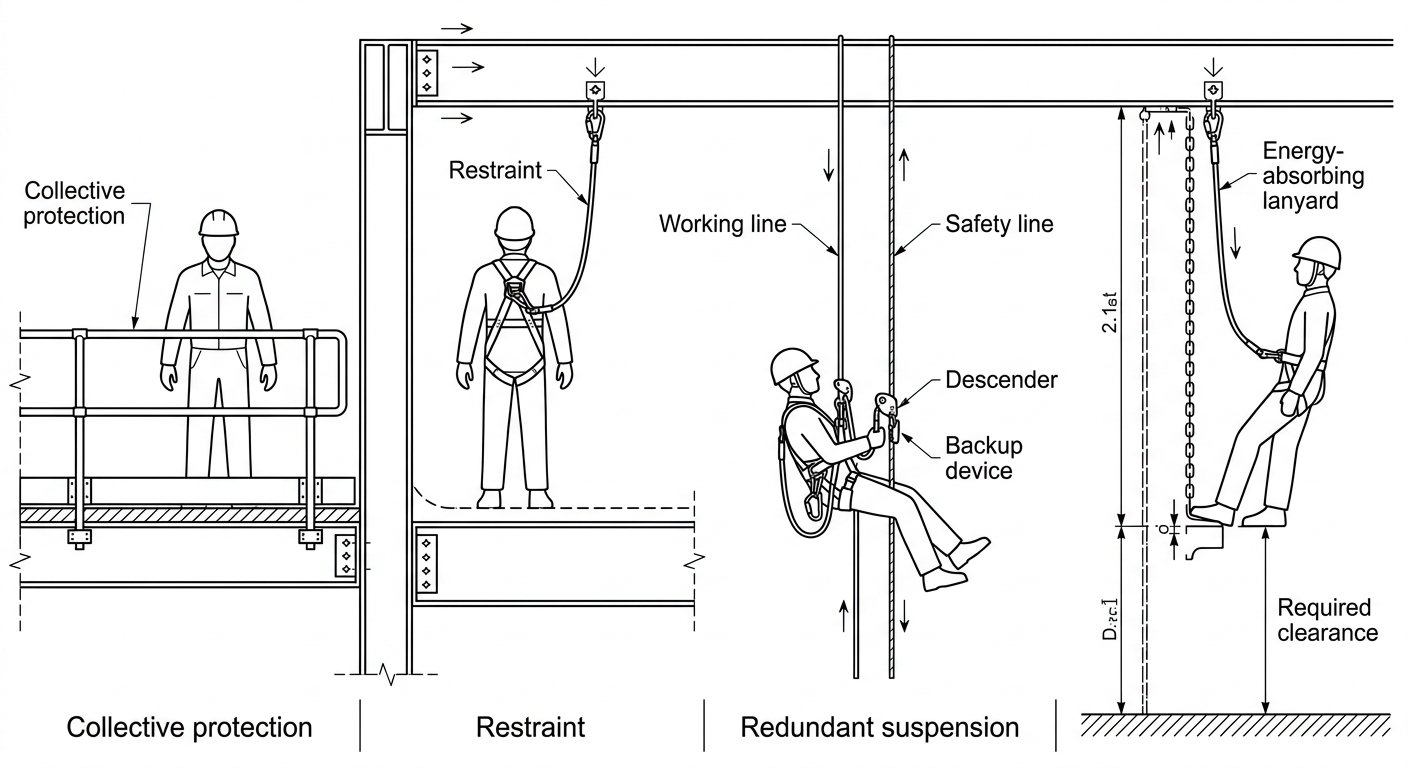
Most work-at-height failures are not equipment failures. They are ordering failures: someone chose a harness before checking whether the anchor could sit overhead, or chose a lanyard before measuring the clearance below the work position, or planned the access without planning the retrieval. The general principles for work at height exist to fix that order…
-
Energy Absorber Deployment Lengths: What They Mean and How They Change Your Clearance
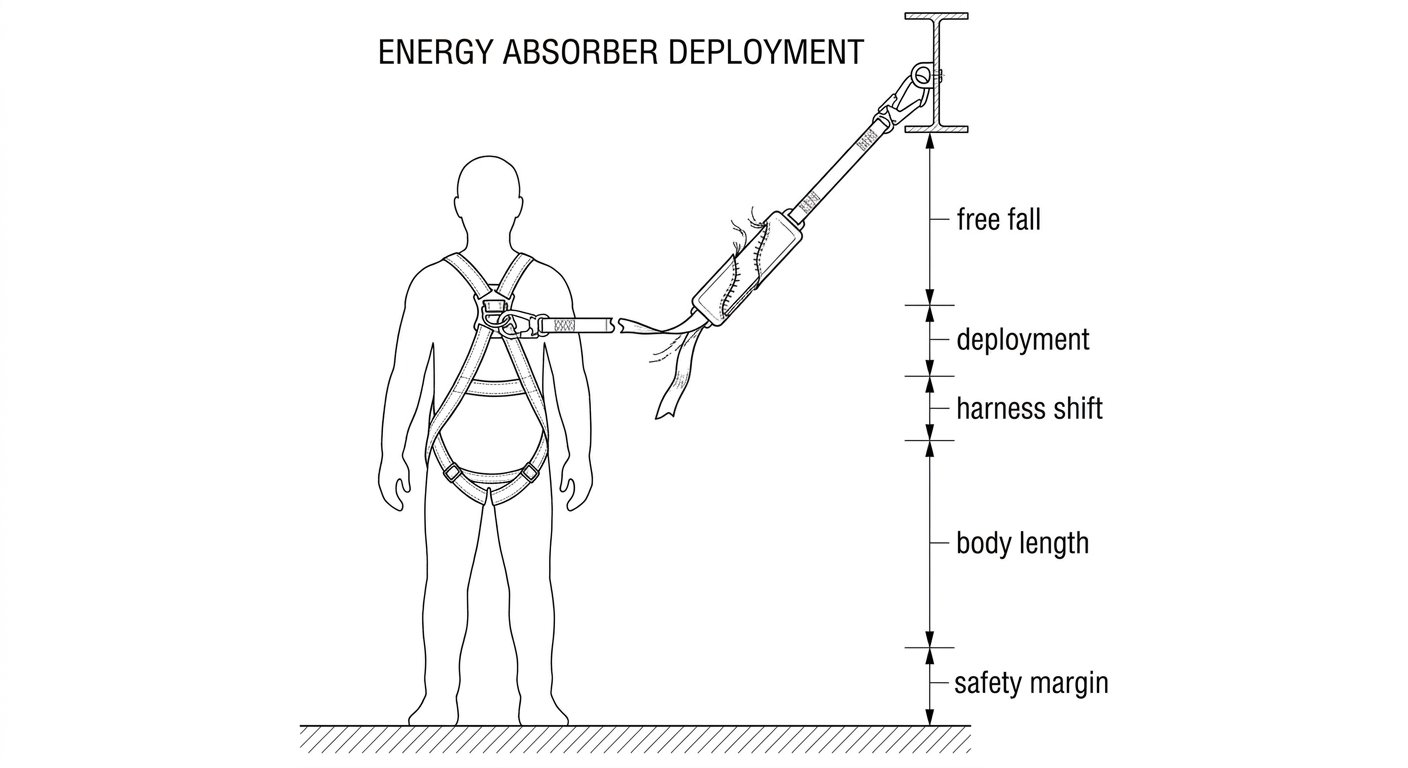
An energy absorber does its job by getting longer. That is the whole mechanism: stitching tears, webbing pays out, and the arrest force on the body is held down to a survivable level. The consequence for anyone planning work at height is that the lanyard length printed on the label is not the space the…
-
Rope Grab Specifications and Rope Compatibility: Matching the Device to the Line
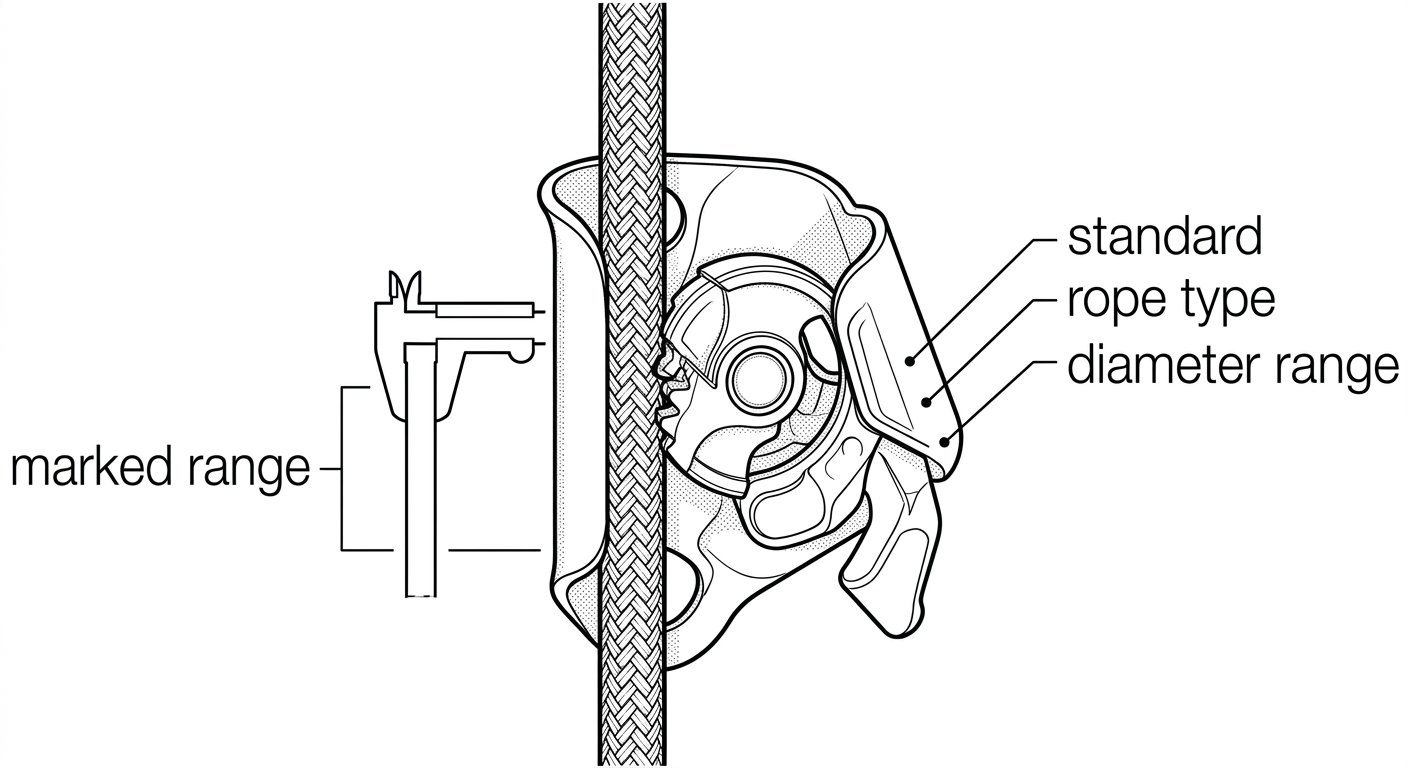
A rope grab is only as good as the rope it is sitting on. The device does not arrest a fall on its own – it does so by clamping a specific type of rope, of a specific diameter, in a specific condition. Put the same device on a line that is a millimetre too…
-
Service Life and Retirement Criteria for Textiles: Age Limits, Condition Checks and When to Cut the Sling
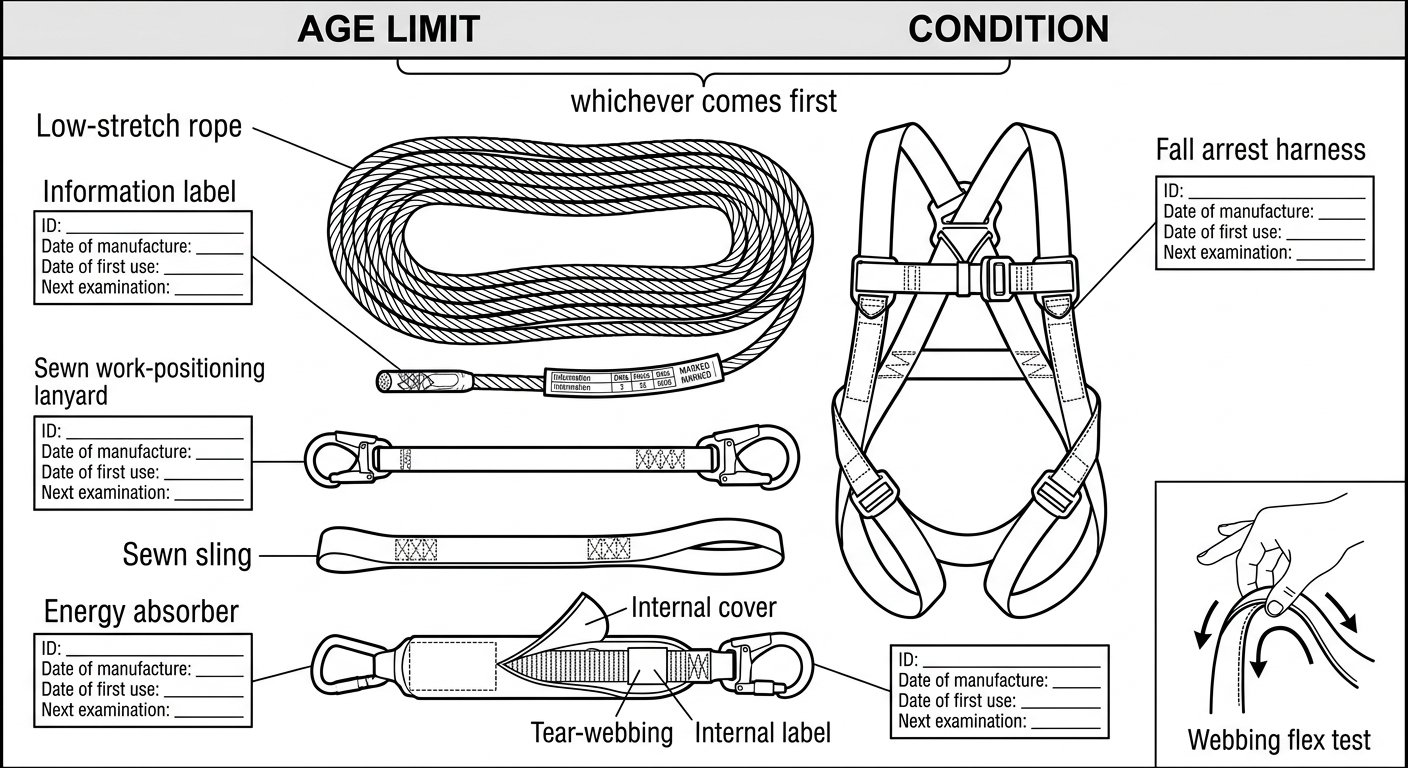
Every textile item in a rope-access or confined-space kit — rope, harness, positioning belt, lanyard, energy absorber, sling, anchor strap, accessory cord — leaves service for one of three reasons: it reached the maximum service life declared by its manufacturer, an inspection found damage that meets a retirement criterion, or a single event happened to…
-
Washing a Low-Stretch Rope Before First Use
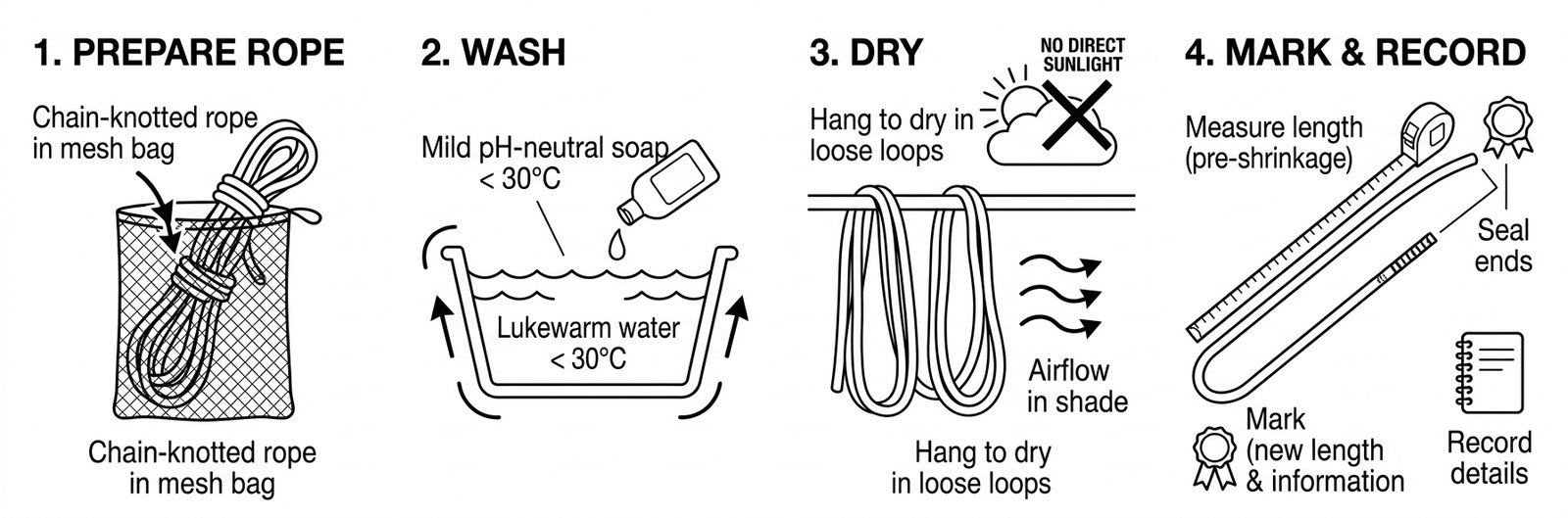
A new low-stretch (semi-static) kernmantle rope does not arrive in the state it will spend the rest of its working life in. It carries residual processing lubricants and fibre dust from spinning and braiding, its sheath is slick, and its length is not yet stable: the first thorough wetting shrinks it. Washing the rope before…
-
Connector Basics: Gates, Axes and Loading
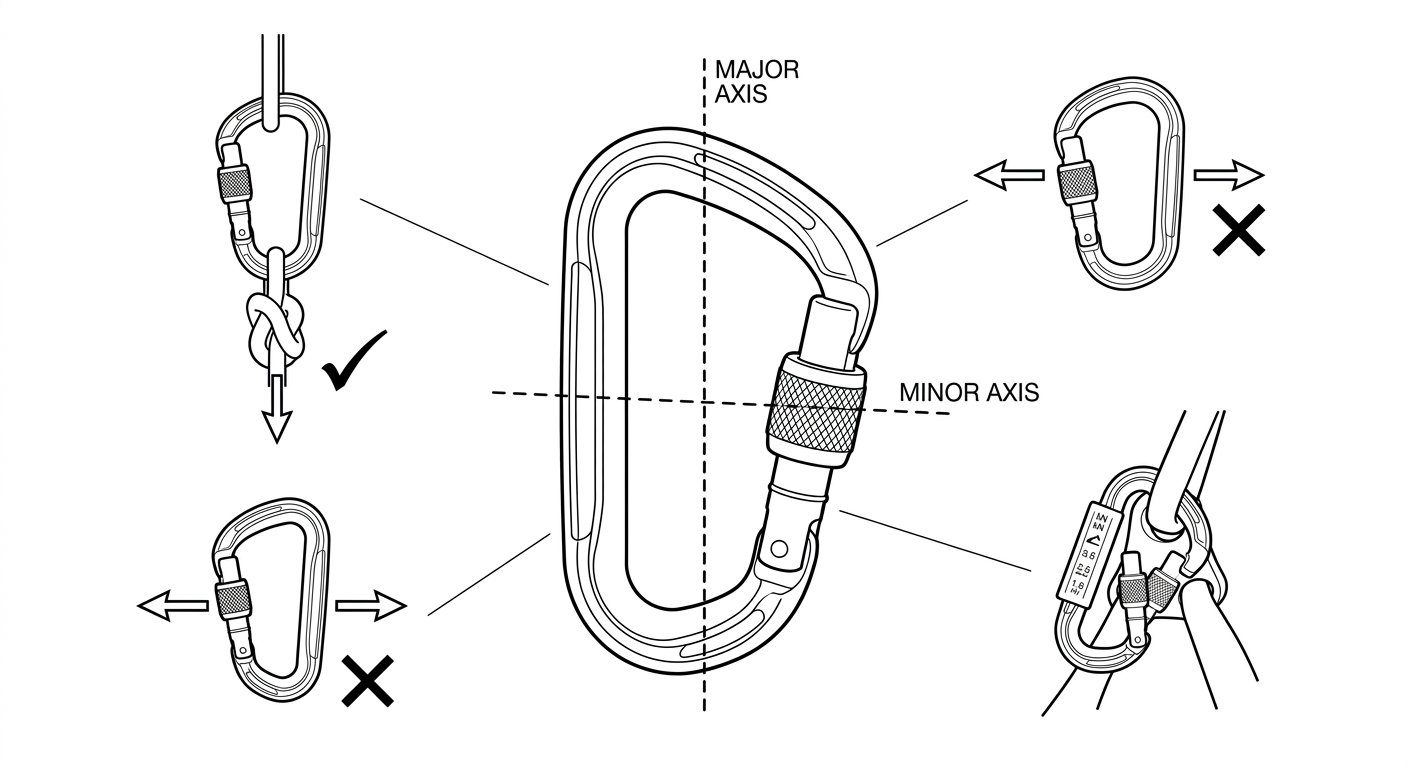
A connector is the smallest component in most rope-access and confined-space systems and the one most often loaded in a way it was never designed for. Every anchor, every lanyard, every descender and back-up device is attached through one, and the difference between a connector working at its rated strength and failing well below it…
-
Checking Connector Compatibility: A Field Method Before You Clip In
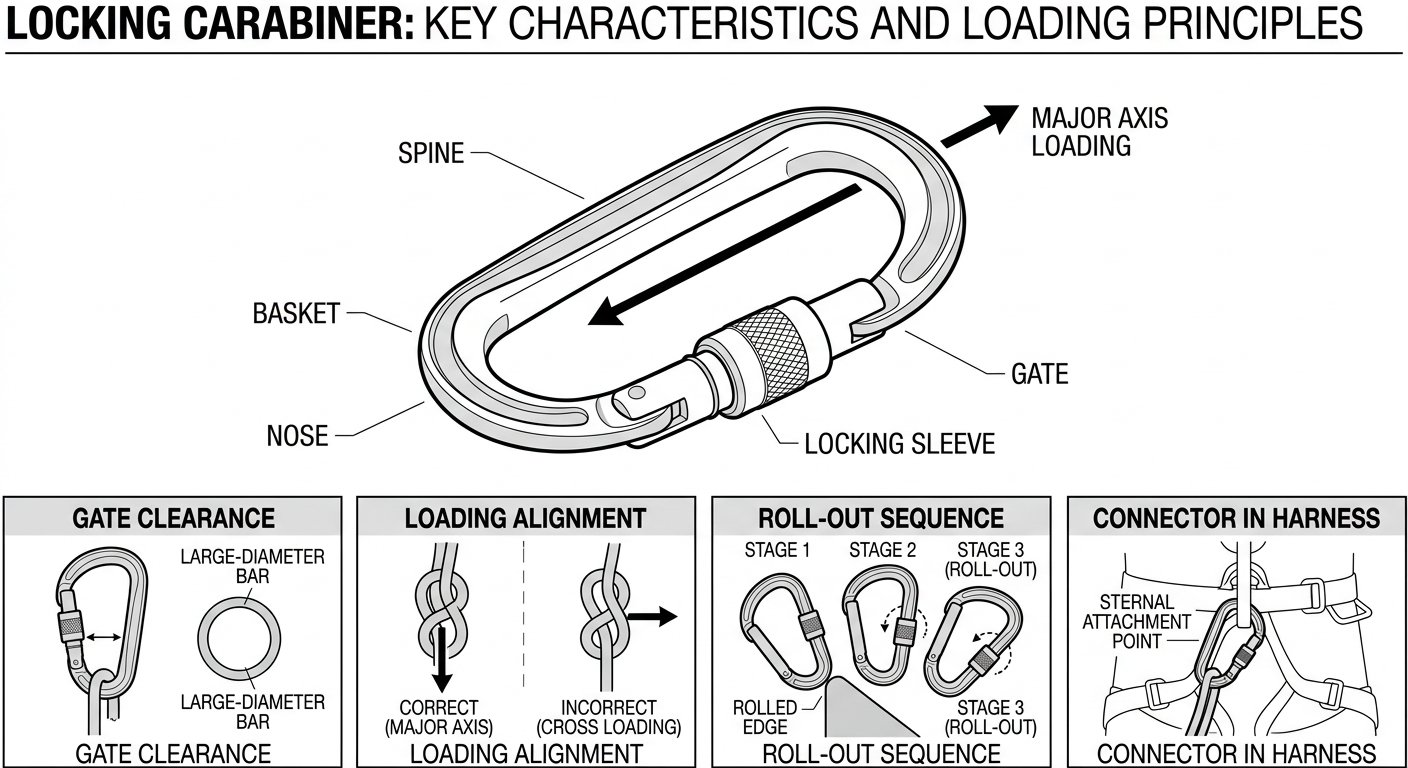
Most connector problems on site are not strength problems. A locking carabiner marked to EN 362 (Connectors for Fall Protection) has ample margin for the loads a rope access or confined-space system will generate — provided it is loaded along its major axis, with the gate closed and locked, against something it actually fits. Compatibility…