Stories / The Dust You Could Not See Was the Problem
The Dust You Could Not See Was the Problem
A team cut concrete blocks indoors for a full shift using a dry saw and no extraction. The visible dust settled within minutes, so it felt harmless. The dangerous fraction never settled at all.
Field Story · Respiratory Protection
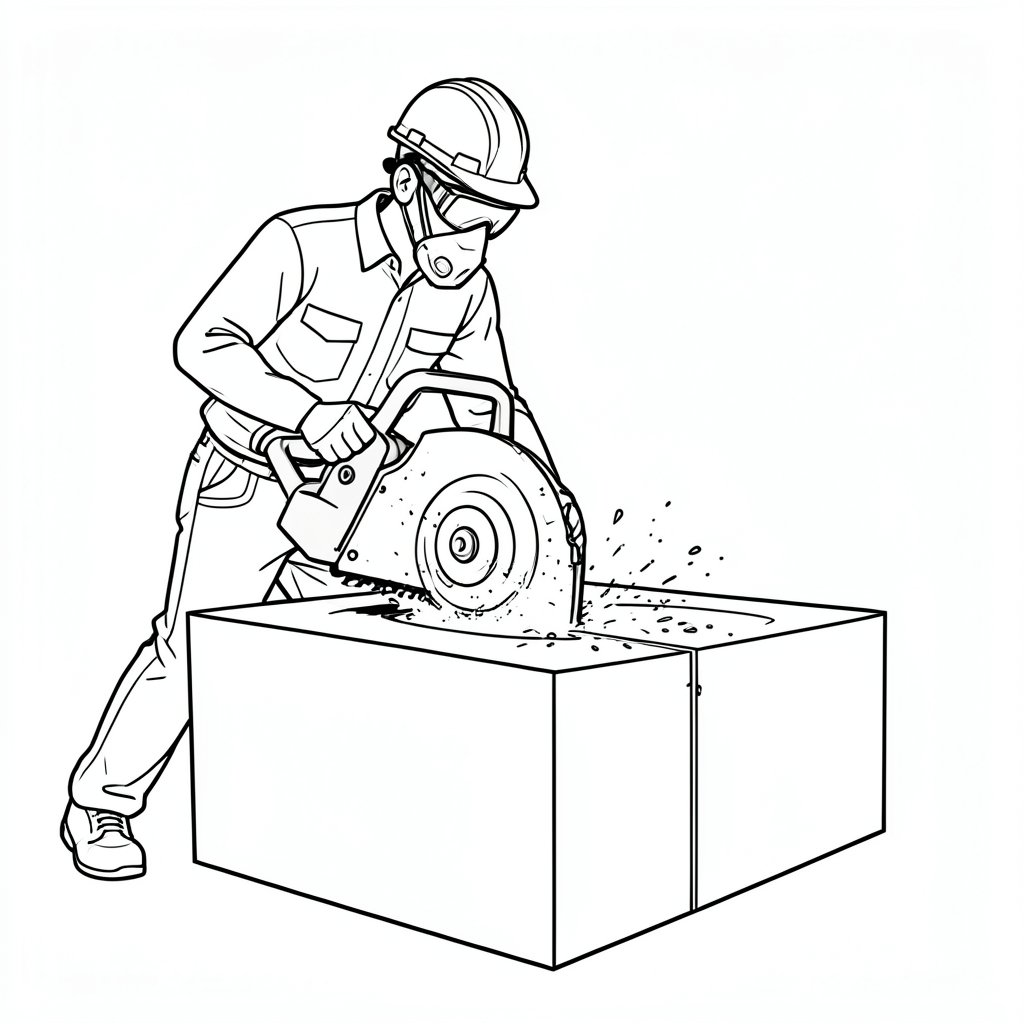
A team cut concrete blocks indoors all shift with no dust extraction fitted.
Respirable crystalline silica is small enough to stay airborne and to reach deep into the lungs, where it causes irreversible damage over time. Because the harm is slow, there was no dramatic moment to react to, which is exactly what makes it so easy to under-protect against.
The lesson
Silica exposure is controlled first by cutting wet or using on-tool extraction, and only then by respiratory protection selected for the exposure level. A correctly fitted respirator meeting EN 149 is the last line of defence, not the first, and it only works if it seals to the wearer.
This is a composite case study built from common near-miss patterns, used to illustrate the safety principles involved. It does not describe a specific real person or workplace.
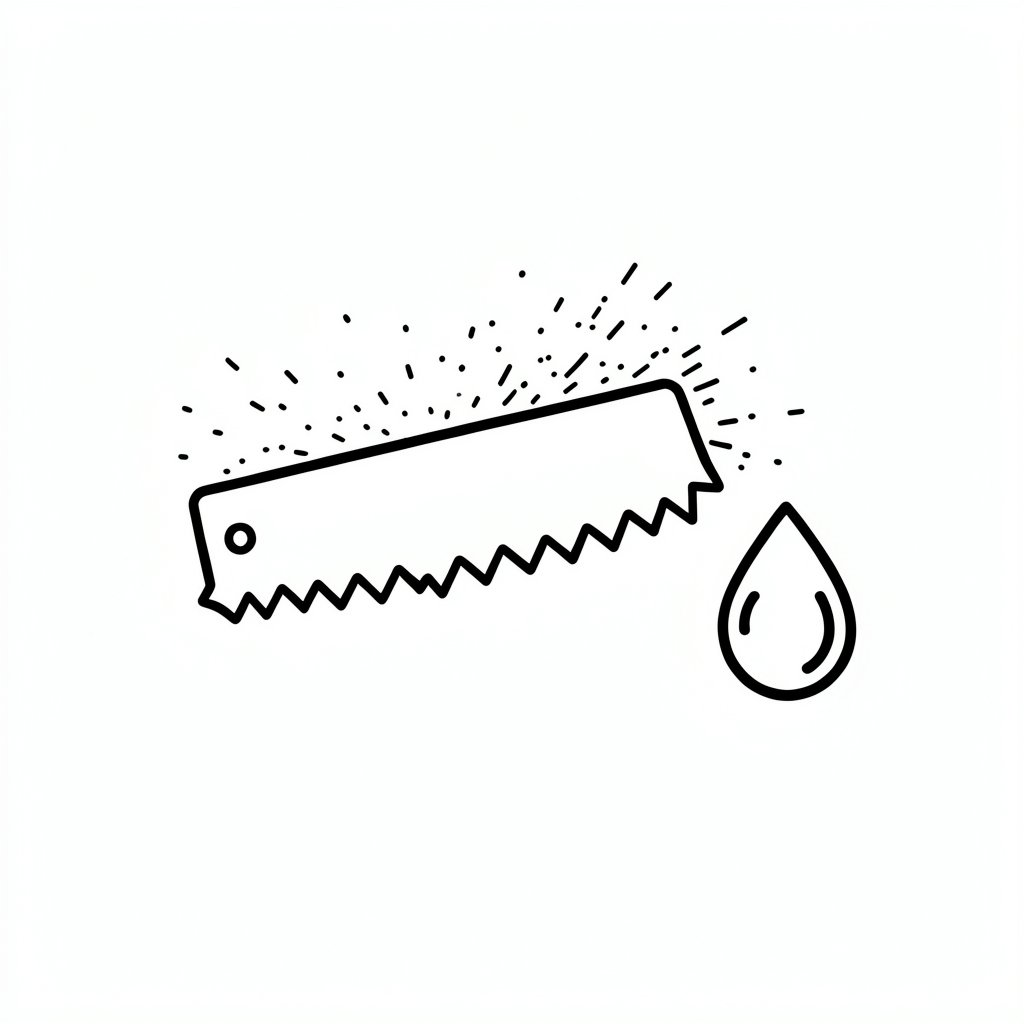
Cutting wet or using on-tool extraction controls silica dust at the source.
← Back to all field stories | Browse EN standards
Frequently asked questions
Why is respirable crystalline silica dangerous even when dust looks like it has settled?
The dangerous fraction of silica dust is small enough to stay airborne long after the visible dust has settled, and it reaches deep into the lungs where it causes irreversible damage over time.
What is the correct order of controls for silica exposure?
Cutting wet or using on-tool extraction comes first to stop the dust being generated or becoming airborne, and only then does correctly selected respiratory protection cover what remains.
Why is a respirator described as the last line of defence here, not the first?
Because it only protects if it seals correctly to the wearer's face, and it does nothing to reduce the amount of hazardous dust actually being generated at the tool – eliminating dust at the source is more reliable.
Which EN standard applies to the respirator in this story?
EN 149, which covers filtering half masks such as the FFP-rated respirator that should have been correctly fitted and used alongside dust suppression, not instead of it.