Lectures / The Hierarchy of Control in Practice
The Hierarchy of Control in Practice
Protective equipment is the last line of defence, not the first. This lecture works through the hierarchy of control — elimination, substitution, engineering, administration and PPE — using real workplace examples to show why the order matters and where teams commonly skip straight to the bottom.
Lecture · Risk Management
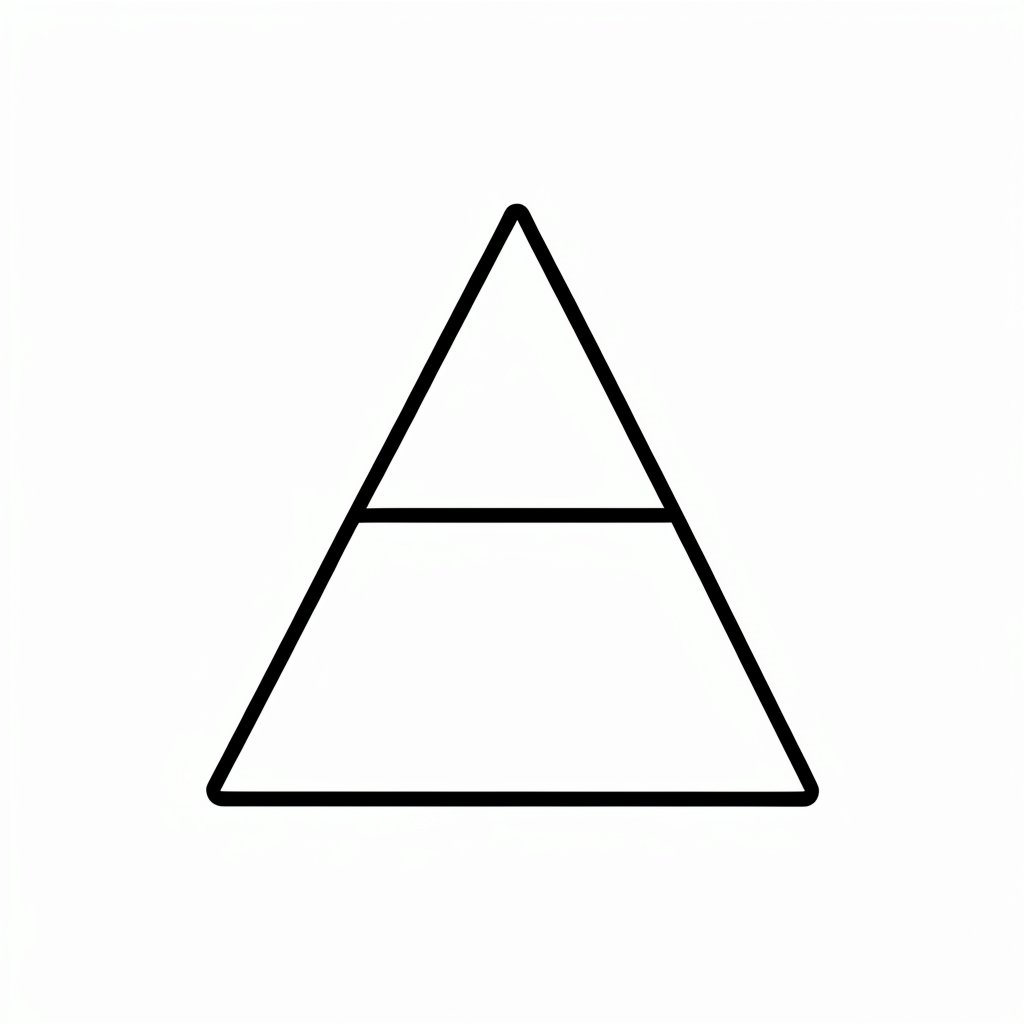
The hierarchy of control, from eliminating a hazard down to PPE.
What you will take away
By the end of this session you will understand the key principles behind risk management and be able to apply them to your own workplace with confidence. The lecture keeps the theory practical and connects every point back to the relevant EN standards and tools available across SafetyOrbit.
Watch and follow up
Live sessions are announced on the Training Calendar, and recordings are added to the Lectures library afterwards. To go deeper on the standards referenced here, visit the EN Standards Library.
Controls are ranked from elimination at the base to PPE at the top.
Frequently asked questions
What is the hierarchy of control?
A ranked sequence of control measures – elimination, substitution, engineering controls, administrative controls, and PPE – ordered from most to least effective, used to select controls for an identified hazard.
Why is PPE considered the last line of defence?
Because it protects only the individual wearing it correctly at that moment, and depends entirely on correct selection, fit, training and consistent use, whereas higher controls remove or reduce the hazard itself for everyone exposed to it.
Why do teams commonly skip straight to PPE?
PPE is often the fastest and cheapest control to put in place, but reaching for it first without considering elimination, substitution or engineering controls typically leaves a larger residual hazard in place than necessary.
Can multiple levels of the hierarchy be used together?
Yes – in practice most real controls combine levels, for example an engineering control that reduces a hazard plus PPE that manages what remains, rather than relying on a single level alone.
Where does this lecture connect on SafetyOrbit?
It links back to the EN standards and tools relevant to whichever hazard and control level is being discussed.