Lectures / Hand-Arm Vibration and Exposure Limits
Hand-Arm Vibration and Exposure Limits
A focused look at hand-arm vibration syndrome, how tool trigger time drives daily exposure, and the practical steps — tool selection, job rotation and maintenance — that keep workers below the exposure action and limit values.
Lecture · Health Hazards
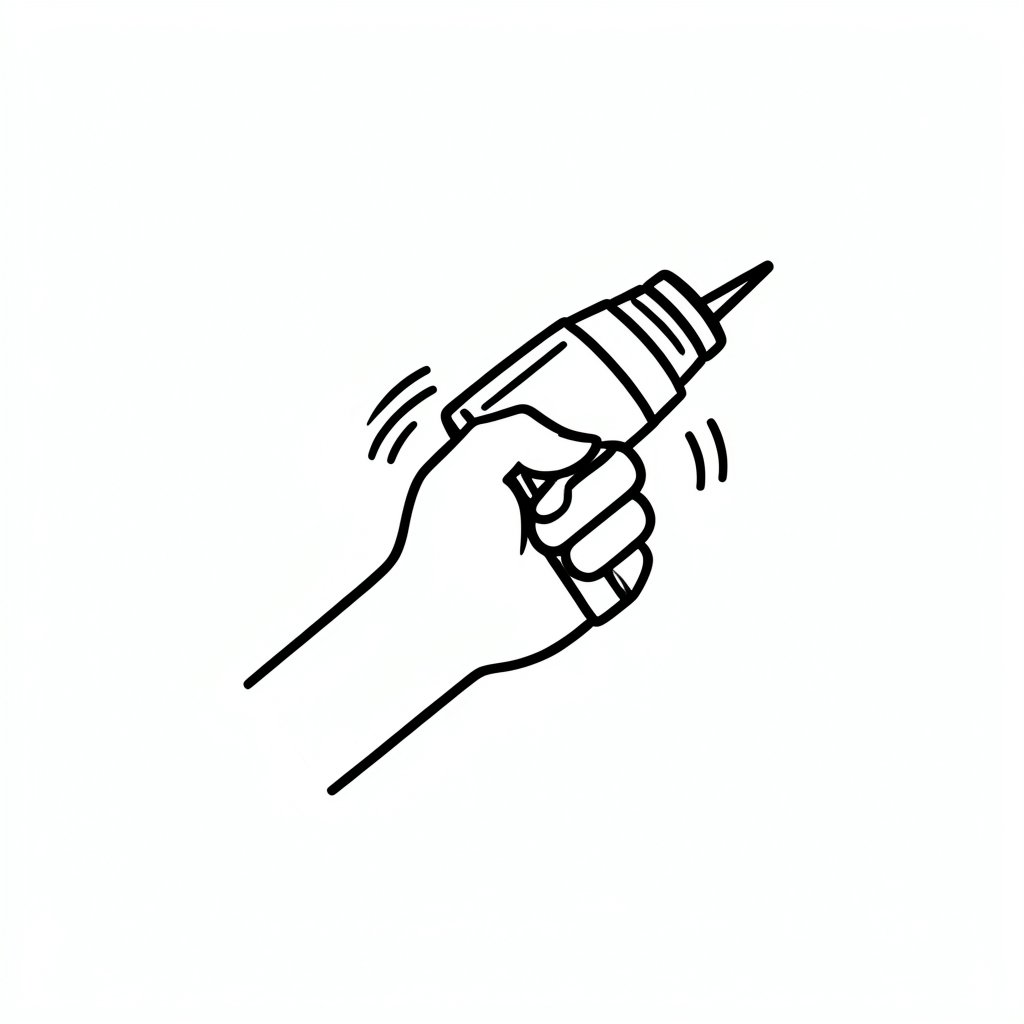
Understanding exposure limits for hand-arm vibration.
What you will take away
By the end of this session you will understand the key principles behind health hazards and be able to apply them to your own workplace with confidence. The lecture keeps the theory practical and connects every point back to the relevant EN standards and tools available across SafetyOrbit.
Watch and follow up
Live sessions are announced on the Training Calendar, and recordings are added to the Lectures library afterwards. To go deeper on the standards referenced here, visit the EN Standards Library.
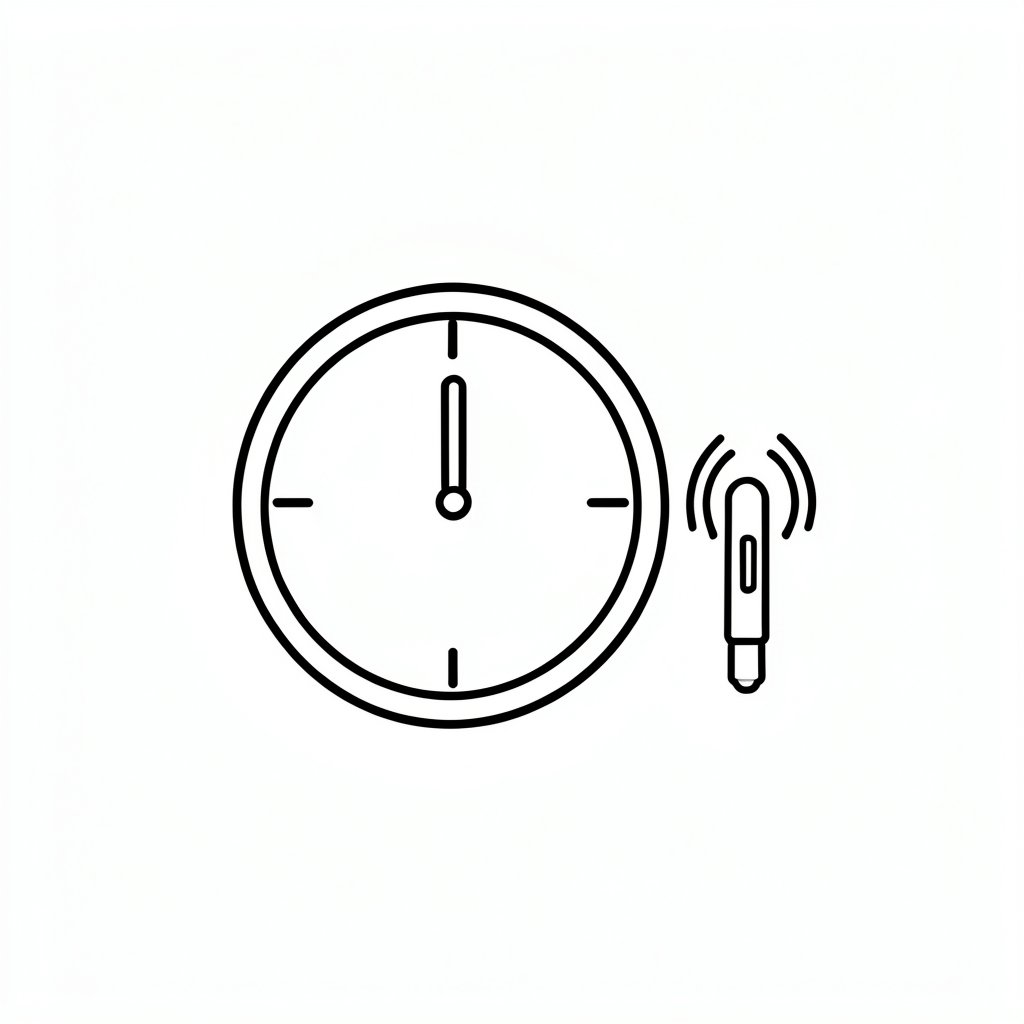
Daily exposure is driven by tool trigger time, not just shift length.
Frequently asked questions
What drives daily hand-arm vibration exposure?
Trigger time – the actual duration a worker's hands are in contact with a running vibrating tool – combined with that specific tool's vibration magnitude, not simply the length of the shift.
What are the exposure action and limit values?
They are threshold daily vibration exposure values at which employers must first act to reduce exposure (the action value) and beyond which exposure must never be allowed to go (the limit value).
How can job rotation reduce vibration exposure?
Spreading trigger time for the same task across more workers reduces any one individual's daily cumulative exposure, keeping each person further from the action and limit values.
Does tool maintenance affect vibration levels?
Yes – worn bearings, blunt cutting edges and loose components typically increase the vibration a tool transmits, so a well-maintained tool exposes the operator to less vibration than a worn one doing the same job.
Where can I find more on this topic?
The lecture connects back to the relevant EN standards and the HAVS exposure calculator tool available on SafetyOrbit.