Fall Clearance Calculator
Select the anchor and equipment scenario closest to your task to see a general clearance planning band. This is a planning guide, not an exact engineering calculation – always confirm against the specific equipment manufacturer’s stated clearance figures before working at height.
How to Use This Tool
Select the scenario that most closely matches your anchor position and connecting device. Use the resulting band as an early planning check when deciding whether a location is safe to work at, then confirm the exact figure using the specific manufacturer’s clearance chart for the equipment you will actually use.
Why This Is a Planning Guide, Not an Exact Calculation
Real fall clearance depends on the specific connecting device model, the worker’s weight and height, the anchor’s exact position relative to the working surface, and swing fall potential. The bands above are general planning ranges based on typical equipment performance, not a substitute for the manufacturer’s instructions or a competent person’s sign-off before work begins.
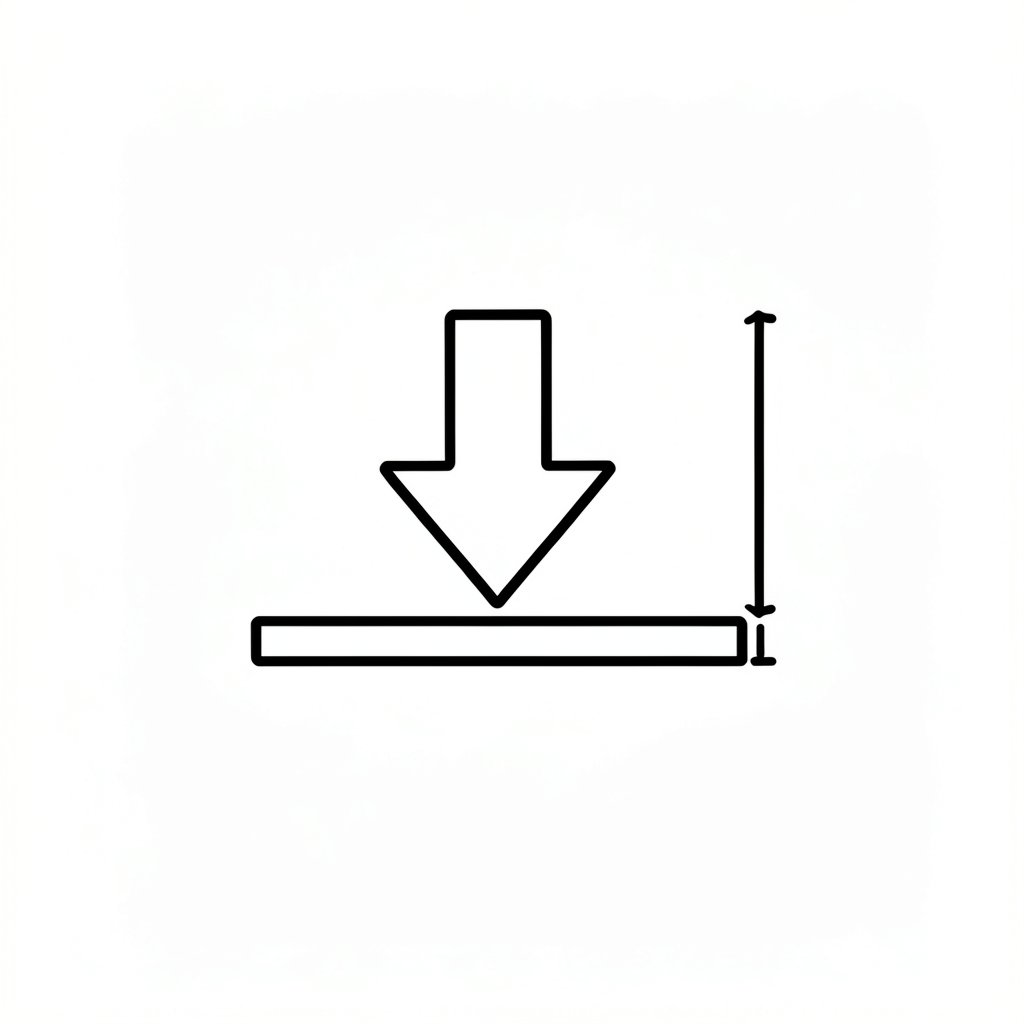
Required clearance combines free fall, deceleration distance and a safety margin.
Explore the full EN Standards Library for every standard referenced above, or read real Field Stories showing what happens when selection goes wrong.
Frequently asked questions
What is included in a fall clearance calculation?
Free fall distance, lanyard or lifeline deceleration distance, harness stretch, worker height, and a safety margin are all added together to reach the total clearance required below the working surface.
Why does a self-retracting lifeline need less clearance than a lanyard?
An SRL arrests a fall almost immediately after only a short drop, while a standard shock-absorbing lanyard allows more free fall before it begins to deploy and absorb energy.
What happens if there is not enough clearance available?
If the available clearance is less than required, the worker could strike a lower level before the system fully arrests the fall. In that case, switch to lower-clearance equipment such as an SRL, or restrict the task until clearance can be improved.
Does swing fall affect clearance requirements?
Yes. Working away from directly below the anchor point creates a pendulum effect that can cause the worker to swing into structures, which is a separate hazard from vertical clearance and must be assessed alongside it.
Are these figures specific to my equipment brand?
No, these are general planning bands. Every manufacturer publishes exact clearance charts for their specific connecting devices, and those figures should always be used for the final go or no-go decision.