Standards / Agriculture
EN ISO 27065
Agriculture
Current
Protective Clothing for Pesticide Operators
EN ISO 27065 specifies performance requirements for protective clothing worn by operators handling and applying liquid pesticides, and by workers re-entering treated areas. It defines classes of garment according to the level of protection provided, recognising that the exposure during mixing and loading differs from that during application and re-entry.
Scope
EN ISO 27065 applies to protective clothing worn during the mixing, loading and application of liquid pesticides and during re-entry into treated crops. It covers whole garments and partial-body items such as aprons and coveralls, and classifies them by the protection their materials and construction provide.
Exclusions & Related Standards
- Chemical protective gloves fall under EN 374.
- Respiratory protective equipment falls under the respiratory standards including EN 149.
- Cab protection during application falls under EN 15695.
- Chemical protective clothing for industrial use falls under EN 13034.
Key Requirements & Marking
Garments are classified by the protection their material and construction provide against pesticide penetration, with higher classes required for the handling of concentrate than for application or re-entry. Requirements cover the material performance, the seams, the closures, and the design features that prevent liquid entering at the neck, wrists and ankles, since penetration at an opening defeats a garment whose fabric performs perfectly.
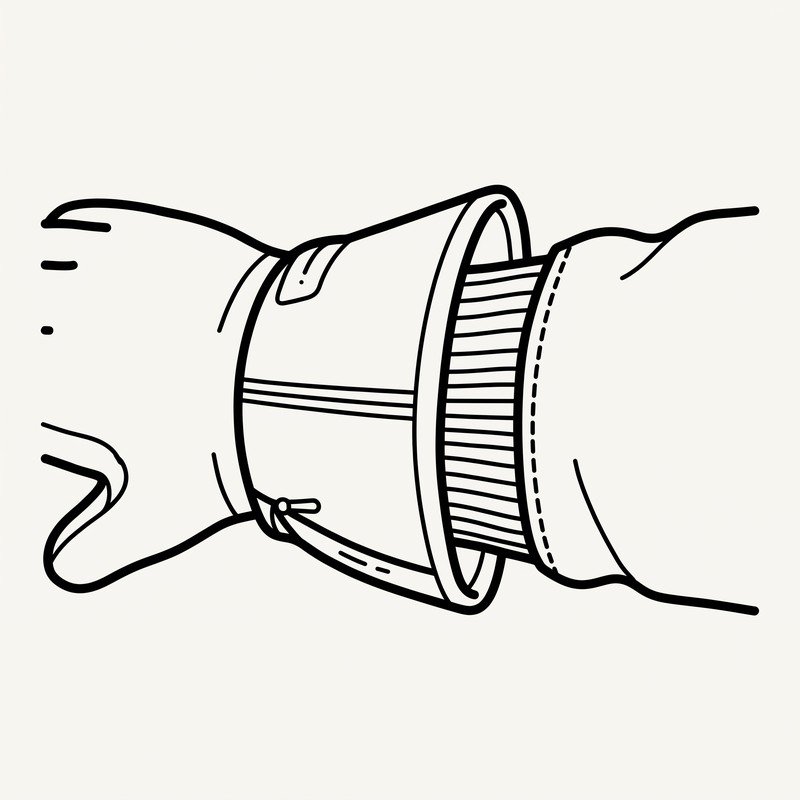
The openings decide as much as the fabric: liquid entering at a cuff defeats a garment that performs perfectly elsewhere.
Testing Overview
Assessment covers resistance to penetration by pesticide formulations, the performance of seams and closures, and where relevant the retention of performance after repeated laundering, since reusable garments are washed many times during their service life.
Selection Guide
Select the class for the task rather than for the product alone: mixing and loading concentrate demands more protection than application from a cab or re-entry into a treated crop. Follow the product label, which states the protection required. Consider whether a garment is single-use or reusable, because a reusable garment that has exceeded its laundering life no longer performs as marked.
Inspection, Care and Maintenance
- Follow the laundering instructions exactly, and wash pesticide clothing separately from all other clothing
- Withdraw garments that have reached their stated number of wash cycles, as protection declines with laundering
- Replace any garment that has been heavily contaminated with concentrate rather than washing it
- Remove contaminated clothing before entering a vehicle cab or a building, never in the house
- Store clean garments away from the chemical store so they are not contaminated before use
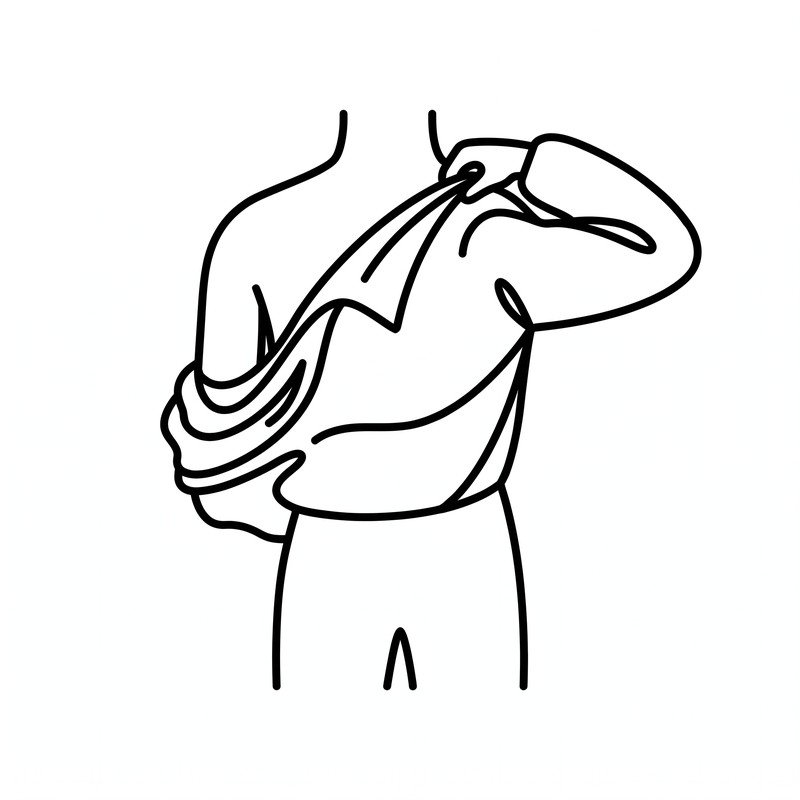
Contaminated clothing is removed before the cab and the house, which is how exposure reaches people who never went near the sprayer.
Frequently asked questions
Why are there different classes of pesticide clothing?
Because exposure differs by task. Handling concentrate during mixing and loading demands more protection than application from a cab or re-entry into a treated crop.
Why do the openings matter as much as the fabric?
Because liquid entering at the neck, wrists or ankles defeats a garment whose material performs perfectly. The seams, closures and design features are part of the requirement.
Does laundering affect protection?
Yes. Reusable garments lose performance with repeated washing, which is why a stated number of wash cycles applies and why exceeding it takes the garment out of service.
Where should pesticide clothing be washed?
Separately from all other clothing, following the garment instructions. It should not be taken into the house, because that is how exposure reaches people who never went near the sprayer.
Does a cab remove the need for this clothing?
Not for mixing and loading, which happen outside the cab and are the highest-exposure part of the operation.