Standards / Head Protection
EN 397
Head Protection
Current
Industrial Safety Helmets
EN 397 is the European standard specifying requirements, test methods and markings for industrial safety helmets designed to protect the wearer from falling objects and other head impact hazards in workplaces such as construction sites, factories and warehouses. This guide explains the mandatory and optional requirements of EN 397, how to read the markings on a helmet, and how to select and maintain the right helmet for your work environment.
Scope
EN 397 applies to industrial safety helmets intended to protect against falling objects, impact with fixed obstacles, and accidental contact with live conductors at low voltage. It defines basic mandatory requirements – shock absorption, resistance to penetration, and flame resistance – along with a set of optional performance requirements that manufacturers may certify depending on the intended use of the helmet.
Exclusions & Related Standards
- Does not cover eye or face protection – see EN 166 eye protection.
- Does not cover hearing protection integrated with helmets – see EN 352 hearing protectors.
- Does not cover helmets for industrial use with higher electrical insulation requirements – those may require additional certification beyond EN 397.
- Climbing and mountaineering helmets are covered by EN 12492, not EN 397.
- Does not cover fall arrest connectors or anchor devices – see EN 362 connectors and EN 795 anchor devices.
Marking and Optional Requirements
| -20°C / -30°C | Very low temperature performance for cold environments |
| +150°C | Very high temperature performance |
| MM | Molten metal splash resistance |
| 440V AC | Electrical insulation, protection against accidental contact with live conductors |
| LD | Lateral deformation resistance |
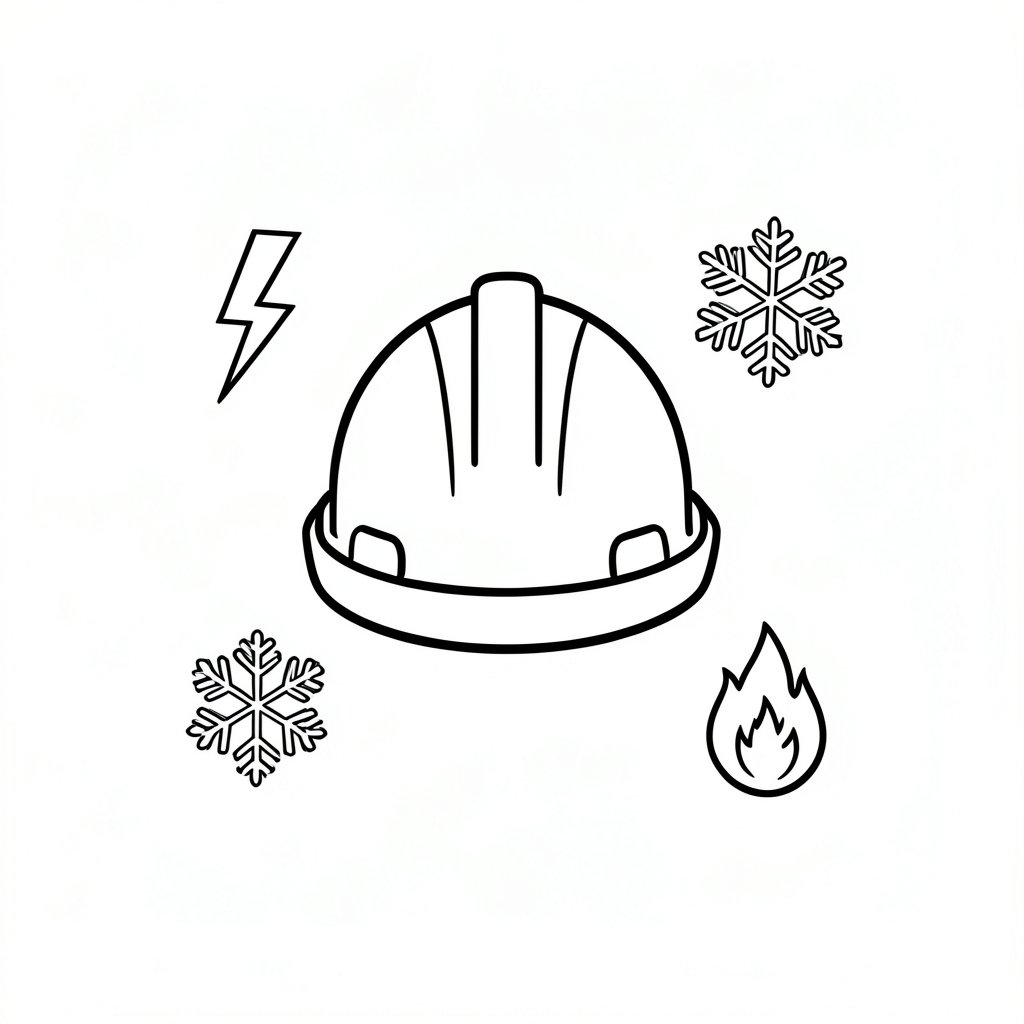
EN 397 optional markings identify extra protections such as electrical insulation, cold resistance, and molten metal resistance.
Requirements and Testing
| Shock absorption | transmitted force to the head must not exceed the specified threshold when impacted |
| Penetration resistance | the shell must resist a striker without contacting the head form |
| Flame resistance | the shell material must not continue burning after a flame source is removed |
| Chin strap retention | helmets are tested to confirm the strap holds the helmet in place under load |
| Ageing and UV resistance testing to ensure durability outdoors |
Selecting the Right Helmet
Selecting an EN 397 helmet starts with identifying the specific hazards on site: falling objects alone require only the basic requirements, while electrical work near live conductors requires the 440V AC marking, foundries and welding environments benefit from molten metal (MM) resistance, and outdoor winter work calls for a low-temperature rated shell. Fit, chin strap comfort and compatibility with other PPE such as eye and hearing protection should also be considered.
Inspection, Care and Maintenance
- Inspect the shell and harness before each use for cracks, dents or UV degradation
- Replace the helmet immediately after any significant impact, even if damage is not visible
- Follow the manufacturer’s recommended replacement interval, typically two to five years from date of manufacture
- Store away from direct sunlight and extreme heat when not in use
- Never modify the shell or harness with unauthorized holes, paint or stickers containing solvents
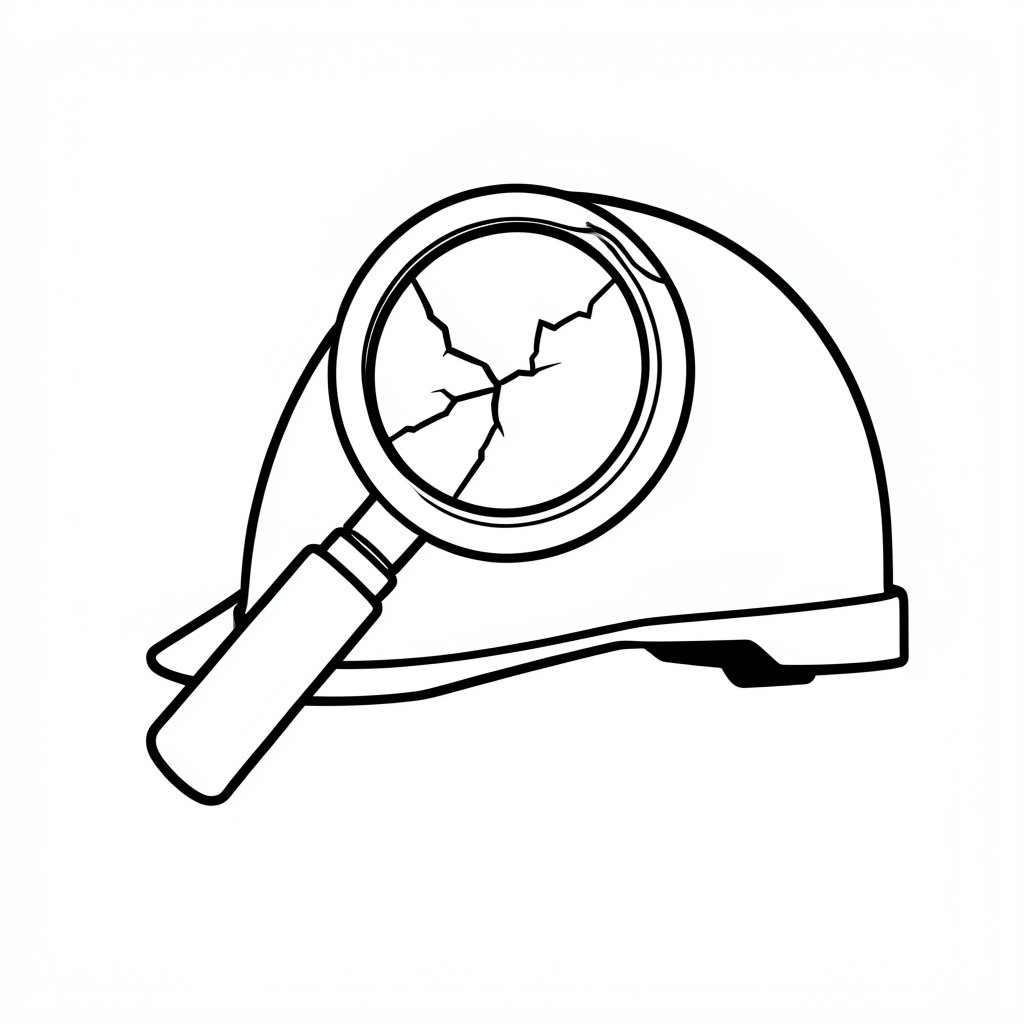
Inspect the shell and harness for cracks or damage before each use.
Product Examples
- Standard construction site safety helmets
- Electrical-insulated helmets marked 440V AC
- Foundry and welding helmets with molten metal resistance
- Cold-store helmets rated to -30°C
- Vented helmets for hot climate industrial use
Standard Information
EN 397
Safety Helmet
Head Protection Standard
Industrial PPE
PPE Standard
Workplace Safety
| Status | Active European standard (EN 397) |
| ICS code | 13.340.20 |
| Committee | CEN/TC 158 |
| Related standards | EN 166 , EN 352 , EN 362 , EN 795 |
| See the full EN Standards Library for all safety equipment standards |
Frequently asked questions
What does the EN 397 standard cover?
EN 397 specifies requirements, testing and marking for industrial safety helmets protecting against falling objects, impact, and other head hazards in the workplace.
What is the difference between mandatory and optional requirements in EN 397?
Mandatory requirements include shock absorption, penetration resistance and flame resistance, while optional requirements like low/high temperature performance, electrical insulation and molten metal resistance depend on the specific hazards of the job.
What does the 440V AC marking mean?
It indicates the helmet has been tested for electrical insulation and offers protection against accidental brief contact with live conductors up to 440 volts AC.
How often should an EN 397 helmet be replaced?
Most manufacturers recommend replacement within three to five years from the date of manufacture – always check that specific manufacturer's instructions, since intervals vary by shell material and exposure conditions – and immediately after any significant impact regardless of visible damage.
Can EN 397 helmets be worn with eye and hearing protection?
Yes, many EN 397 helmets include accessory slots for visors and earmuffs compatible with EN 166 eye protection and EN 352 hearing protectors.
What does the MM marking mean on a safety helmet?
MM indicates the helmet has passed testing for resistance to molten metal splashes, making it suitable for foundry, welding and metal casting environments.
Is EN 397 the same as a climbing helmet standard?
No, climbing and mountaineering helmets are certified to EN 12492, which has different impact and retention test criteria than industrial helmets under EN 397.