
Latest posts
-
Descender Specifications and Working Loads: Reading the Numbers That Actually Limit the Job
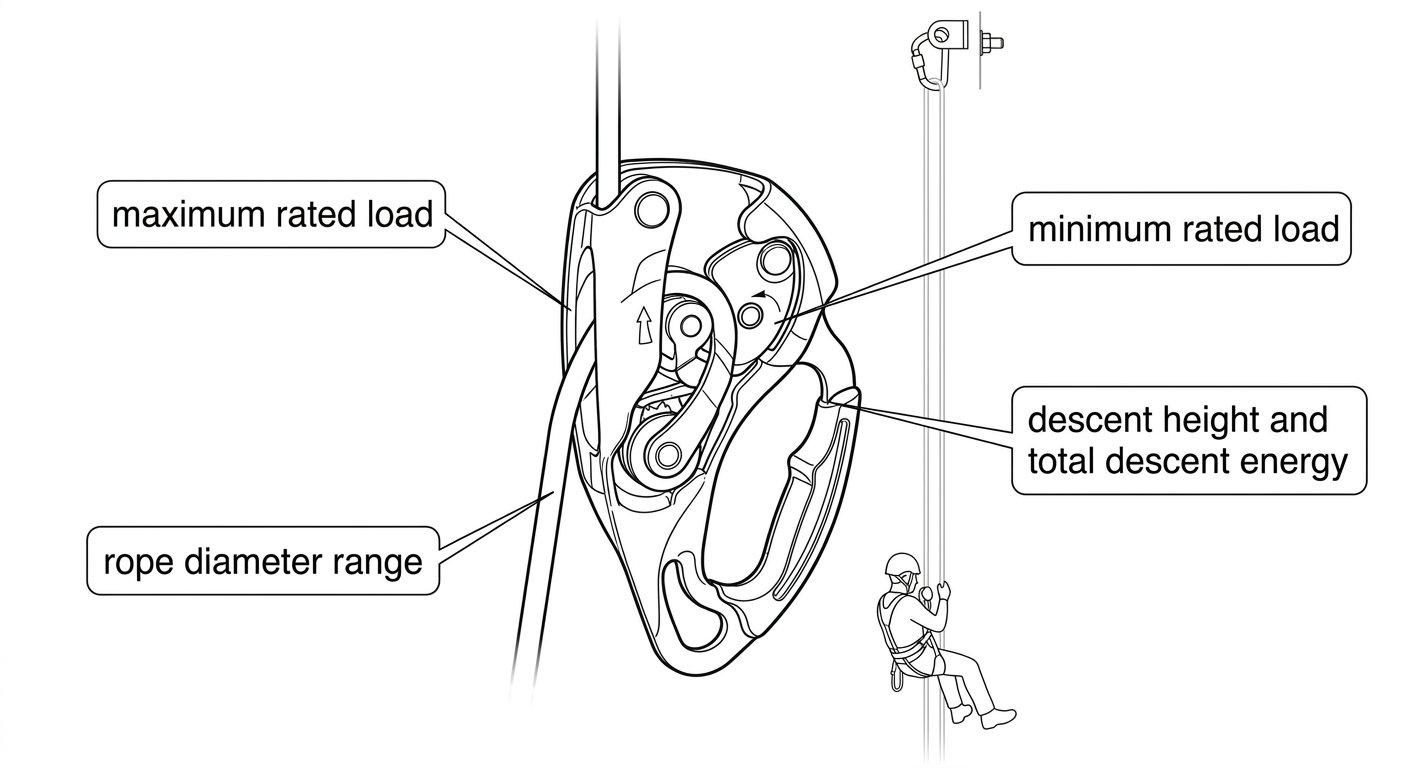
A descender is one of the few pieces of rope-access equipment whose marked numbers change what you are allowed to do on the day. The rated load decides whether one person or two can go down on it. The rope diameter range decides which line it may be threaded on. The descent-energy or descent-height limit…
-
Performance of New Versus Used Ropes: Slip, Stretch, Diameter and Friction
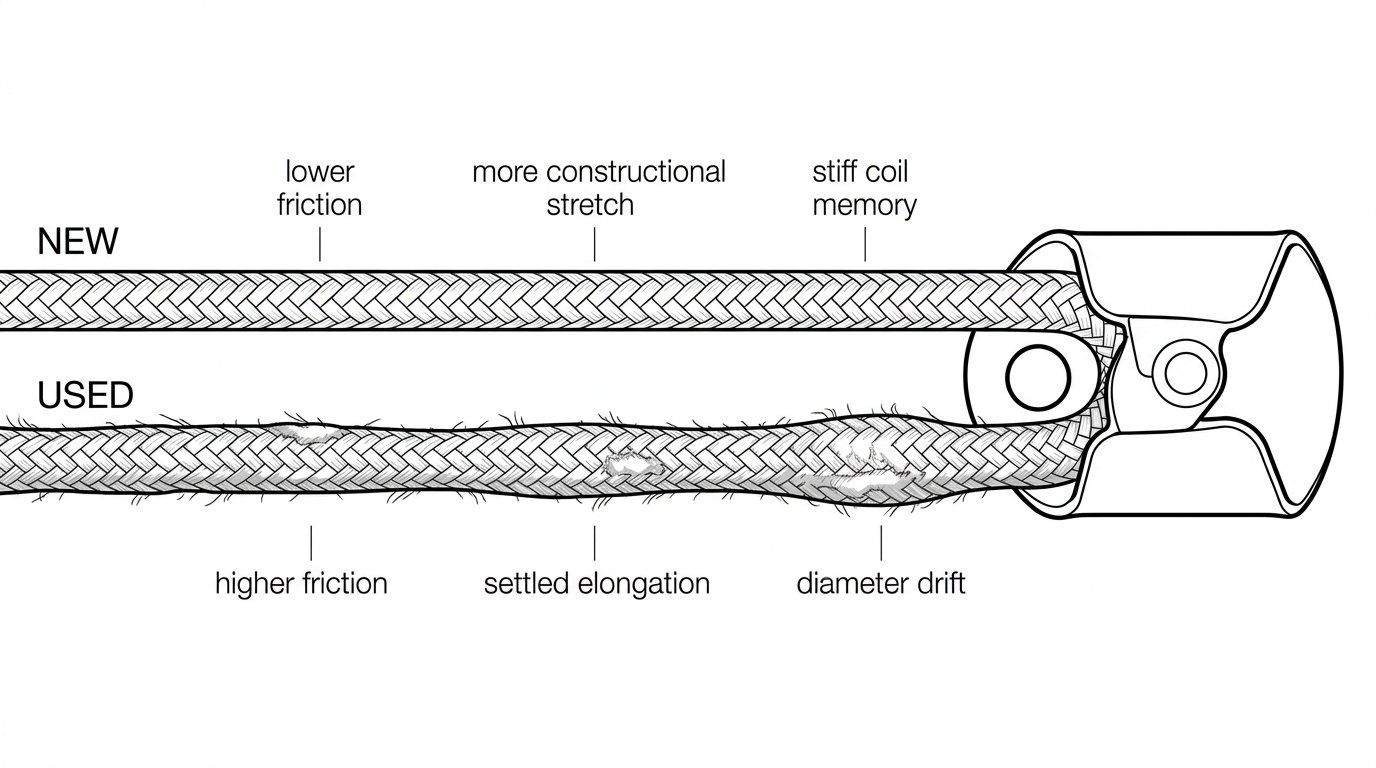
A rope that has been in service for a season does not behave like the one that came out of the bag last week, and the difference shows up in the places that matter most: how fast a descender runs, how far the rope stretches before the load is taken, whether a rope grab bites…
-
Rope Diameter Limits on Descenders: Why the Marked Range Matters
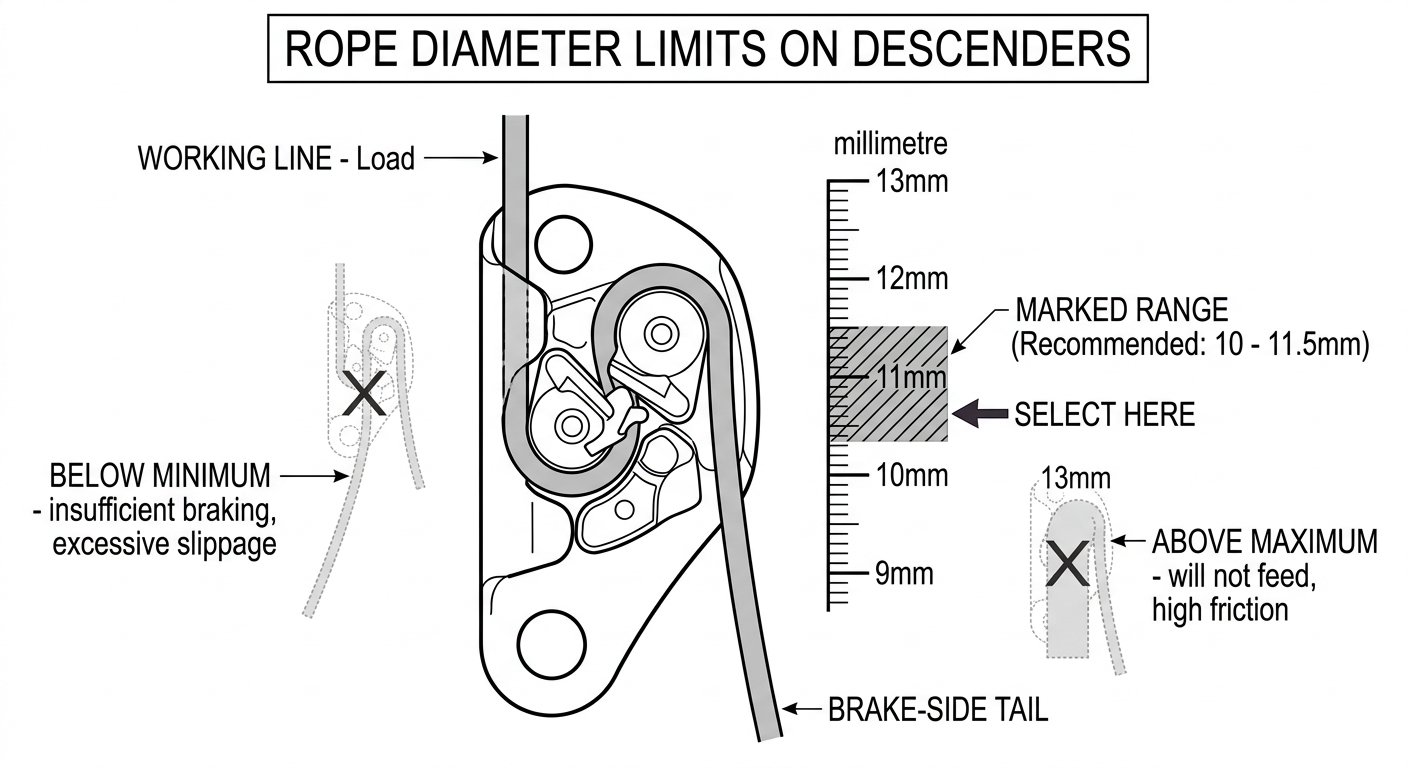
Every industrial descender carries a marked rope diameter range, and it is one of the few pieces of information on the device that directly governs whether the device will brake when a worker needs it to. Fit a rope thinner than the marked minimum and braking force drops, descent speed becomes hard to control and…
-
Selecting a Rescue Kit for the Task
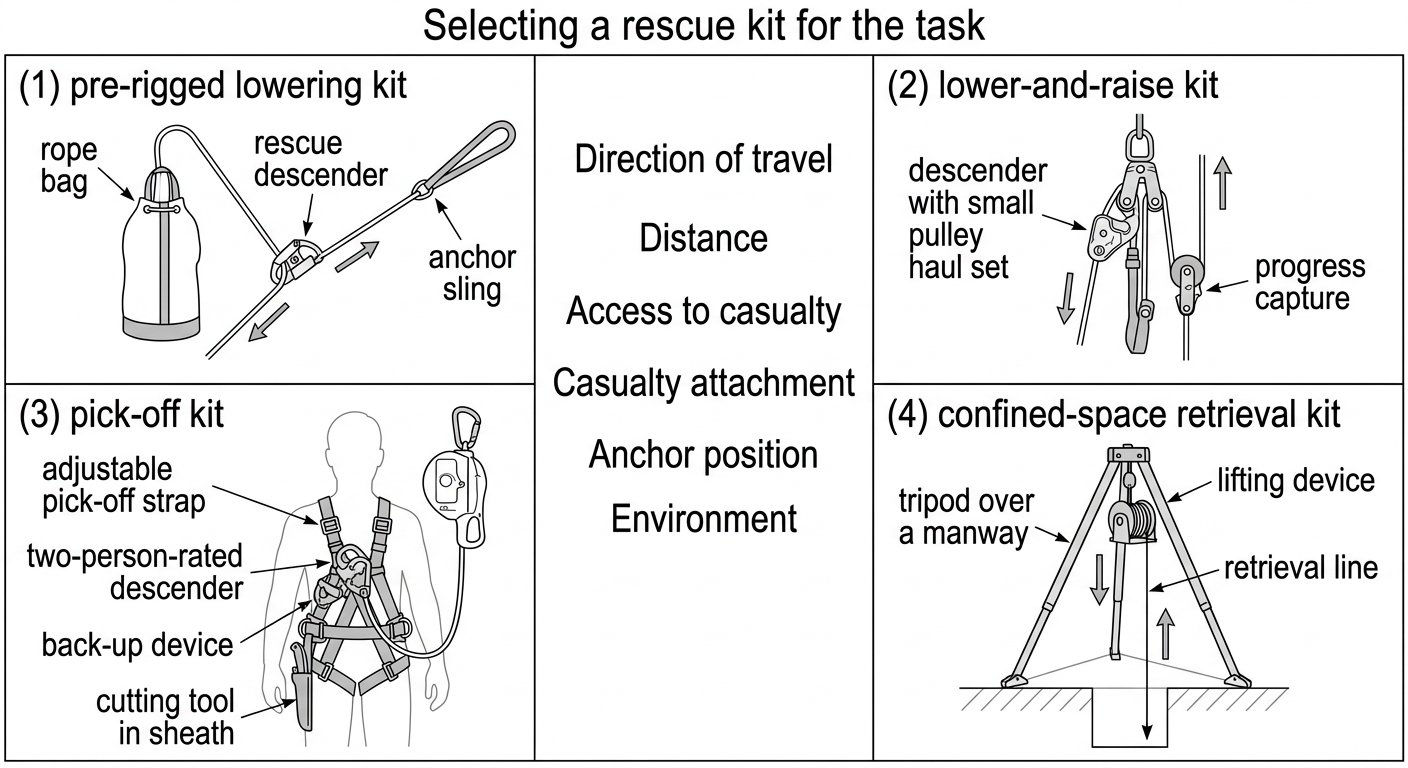
A rescue kit is only useful if it matches the rescue you have actually planned for. The most common failure is not equipment failure – it is a kit that can lower but not raise, a rope that is shorter than the drop, or a retrieval winch bolted to a tripod over a shaft that…
-
Choosing a Low-Stretch Rope Diameter: Matching Rope to Devices, Loads and Wear
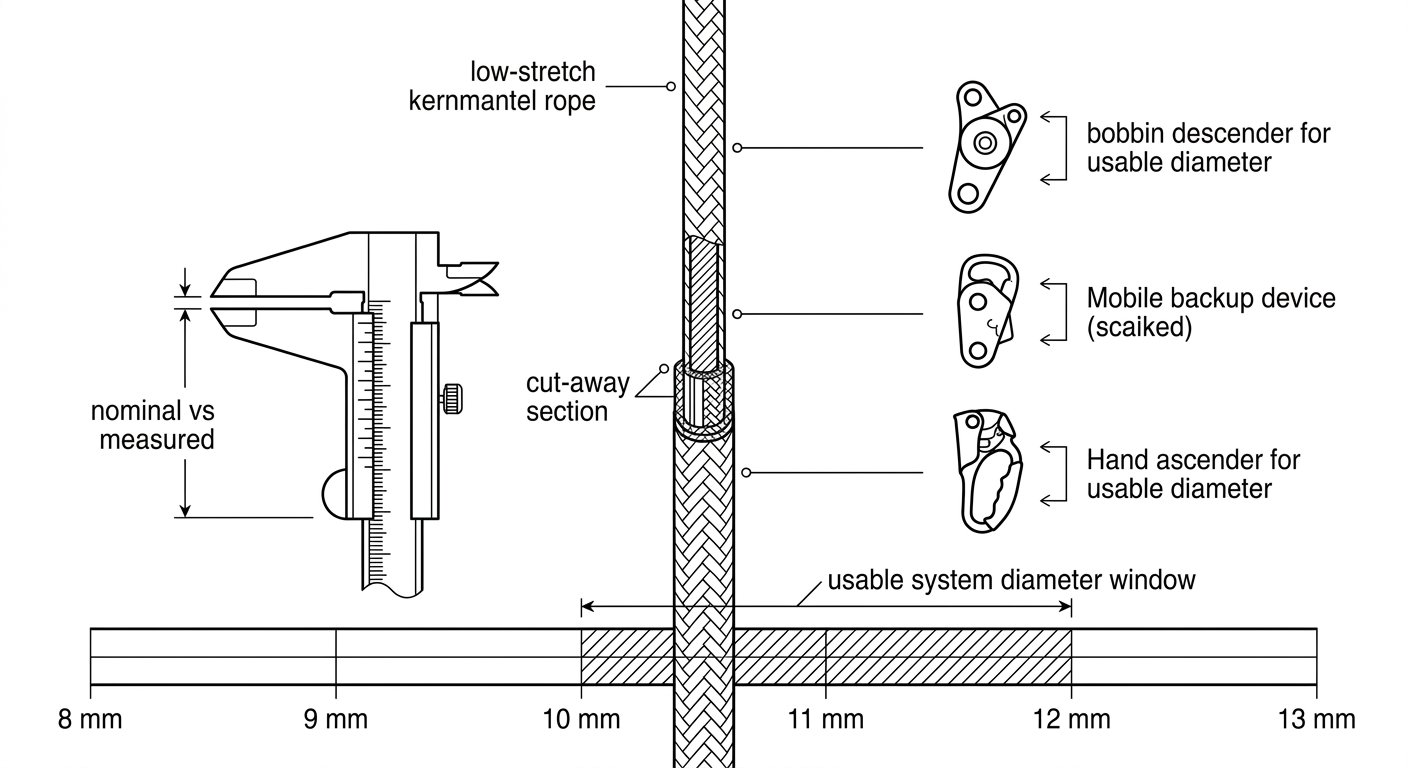
Rope diameter is a system compatibility decision before it is a strength decision. A low-stretch kernmantel rope that is half a millimetre outside the marked range of the descender or the backup device on the harness is the wrong rope for that system, regardless of how strong it is. Diameter also decides how the rope…
-
Choosing a Connector for a Descender: Locking, Compatibility and Correct Loading
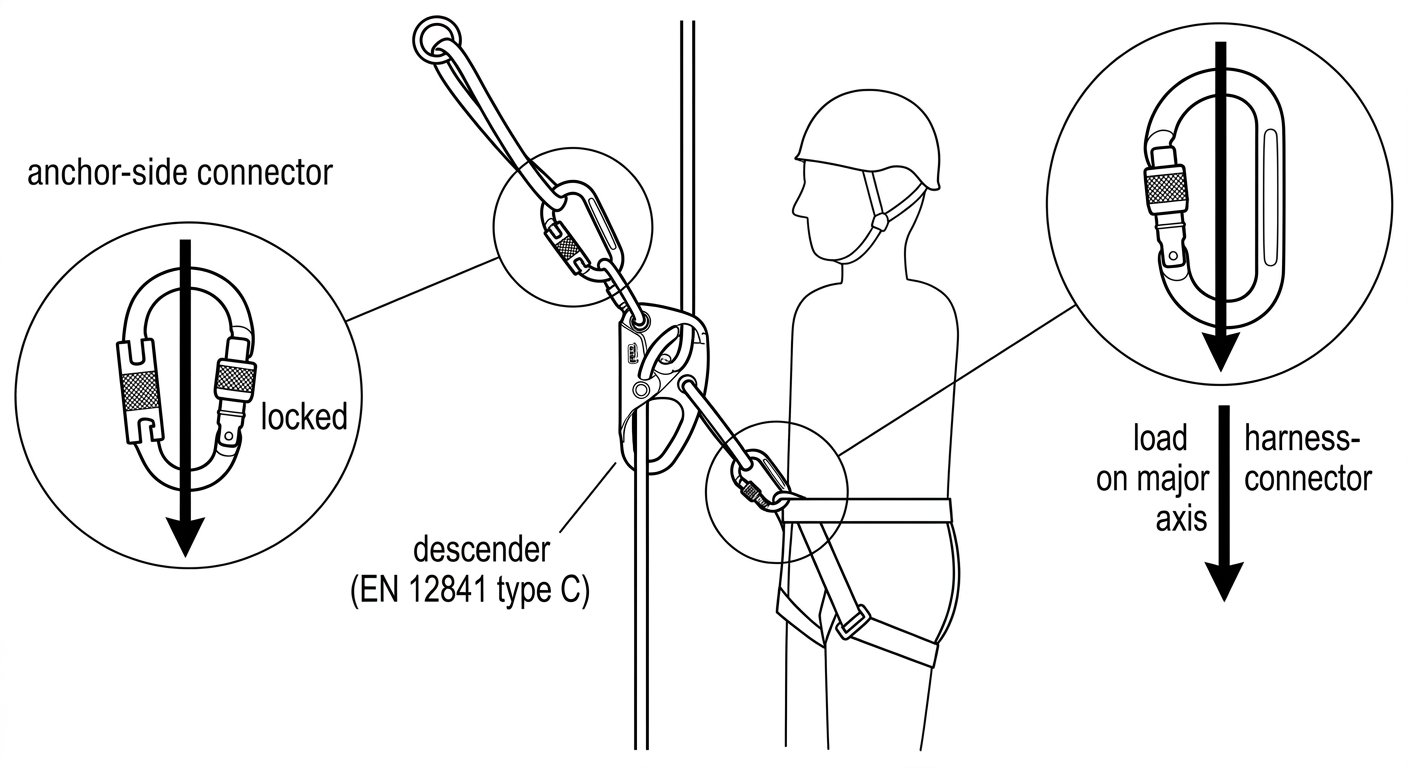
The connector between a descender and the harness is one of the smallest components in a rope access system and one of the least forgiving. It carries the operator’s full working load, it is handled dozens of times a shift, and it sits in a position where it can be rotated, pressed against a harness…