
Latest posts
-
Harness Attachment Point Strength Ratings: What the Numbers Actually Cover
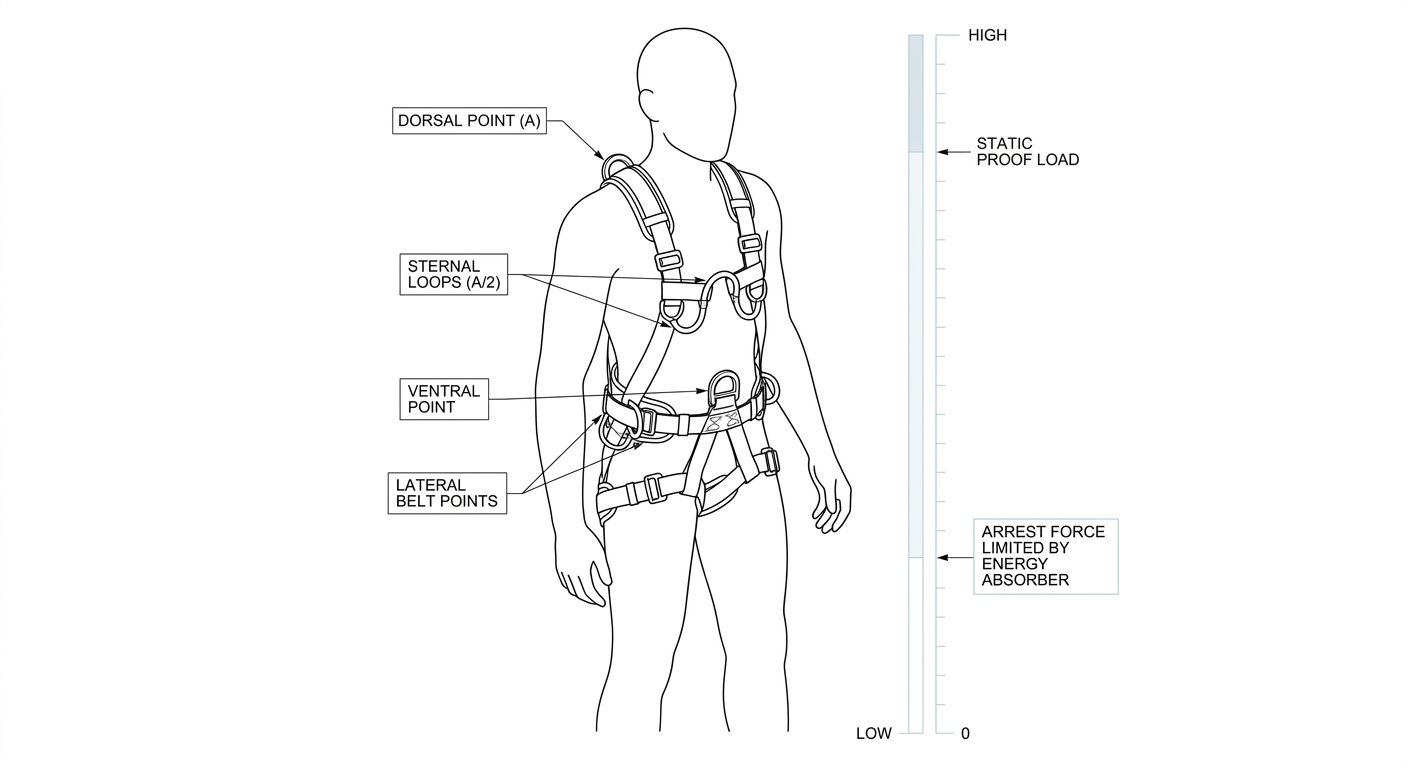
A harness attachment point is not simply a metal ring with a number stamped near it. It is a rated load path — webbing, stitching, adjusters and the ring or textile loop itself — that has been tested as an assembly. Understanding what those ratings mean, and where they stop applying, is the difference between…
-
Which Attachment Points to Use for Restraint
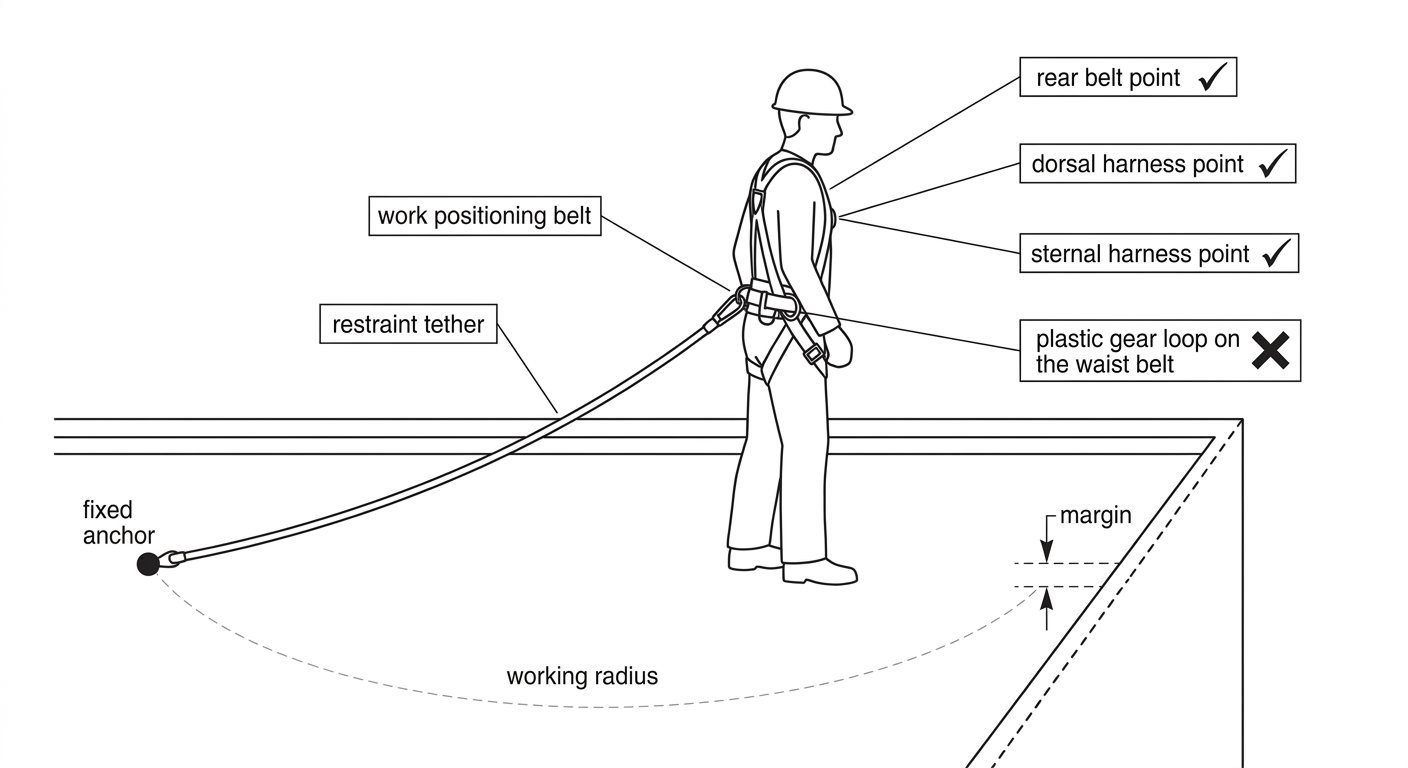
Restraint work looks simple on paper: connect to an anchor with a tether short enough that the worker cannot physically reach the fall hazard. Because a fall is designed out of the system rather than arrested, the attachment point on the body does not have to absorb a fall load — which is exactly why…
-
Harness Attachment Point for a Rope Grab: Sternal, Dorsal and What Not to Clip Into
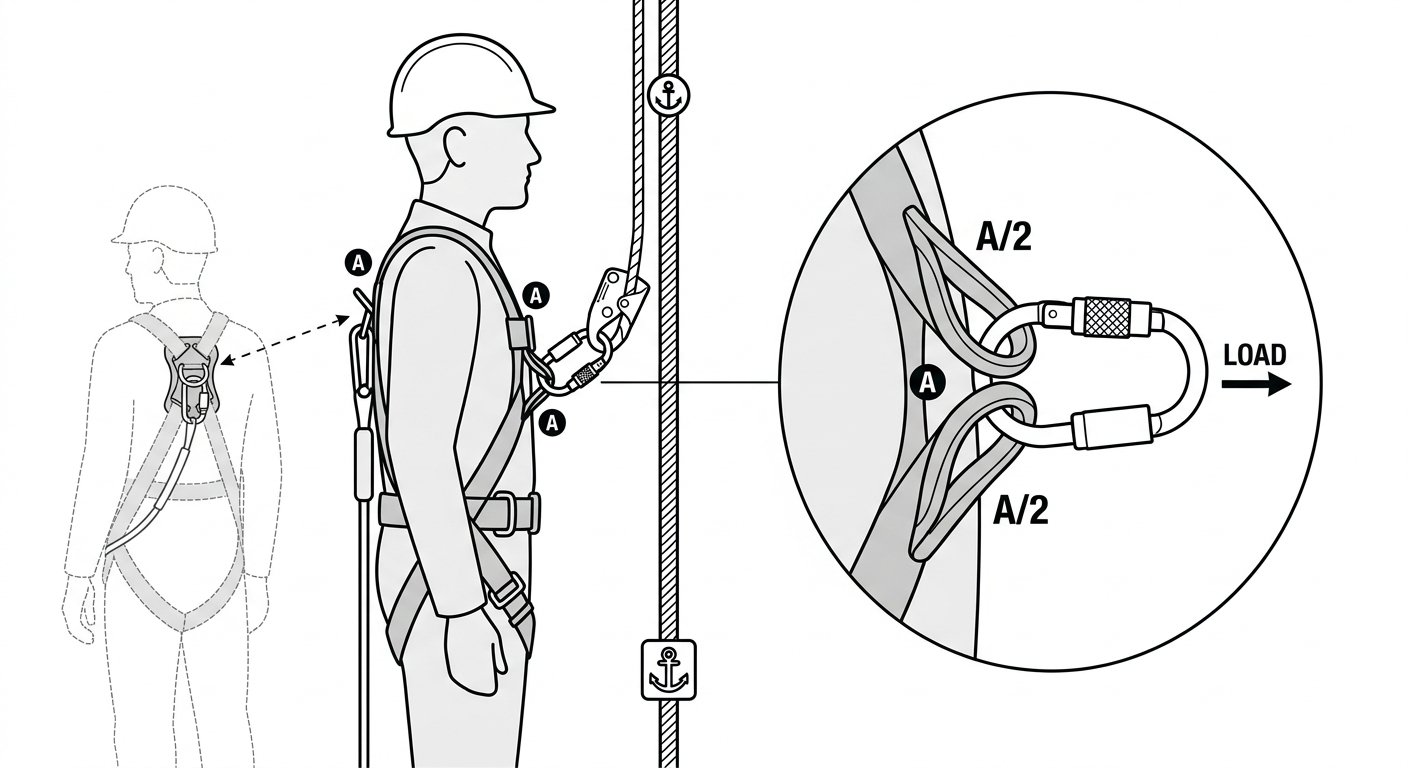
A rope grab — a guided-type fall arrester running on a vertical rope or a mobile back-up device on a safety line — only performs as tested if it is connected to the right point on the harness, by the right connector, with nothing added in between. Clip it to the wrong ring and the…
-
Which Harness for Which Use? A Selection Note for Fall Arrest, Positioning, Rope Access and Confined Space
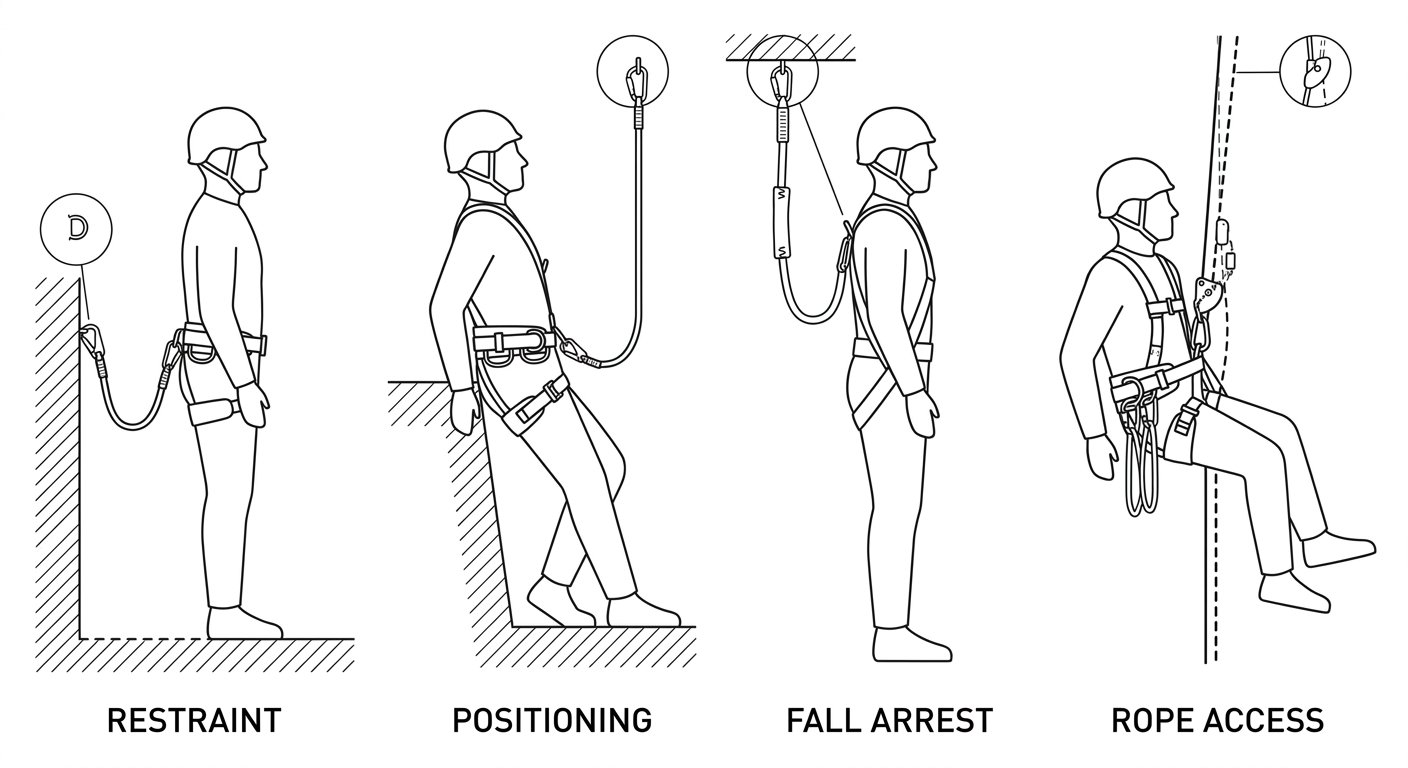
Picking a harness is not a comfort decision made in the stores cupboard — it decides what work the wearer can legally and safely do once they are on site. A harness that is correct for restraint at a roof edge may be useless for a tripod extraction from a manhole; a rope access sit…
-
Connecting a Fall-Arrest Lanyard to the Harness
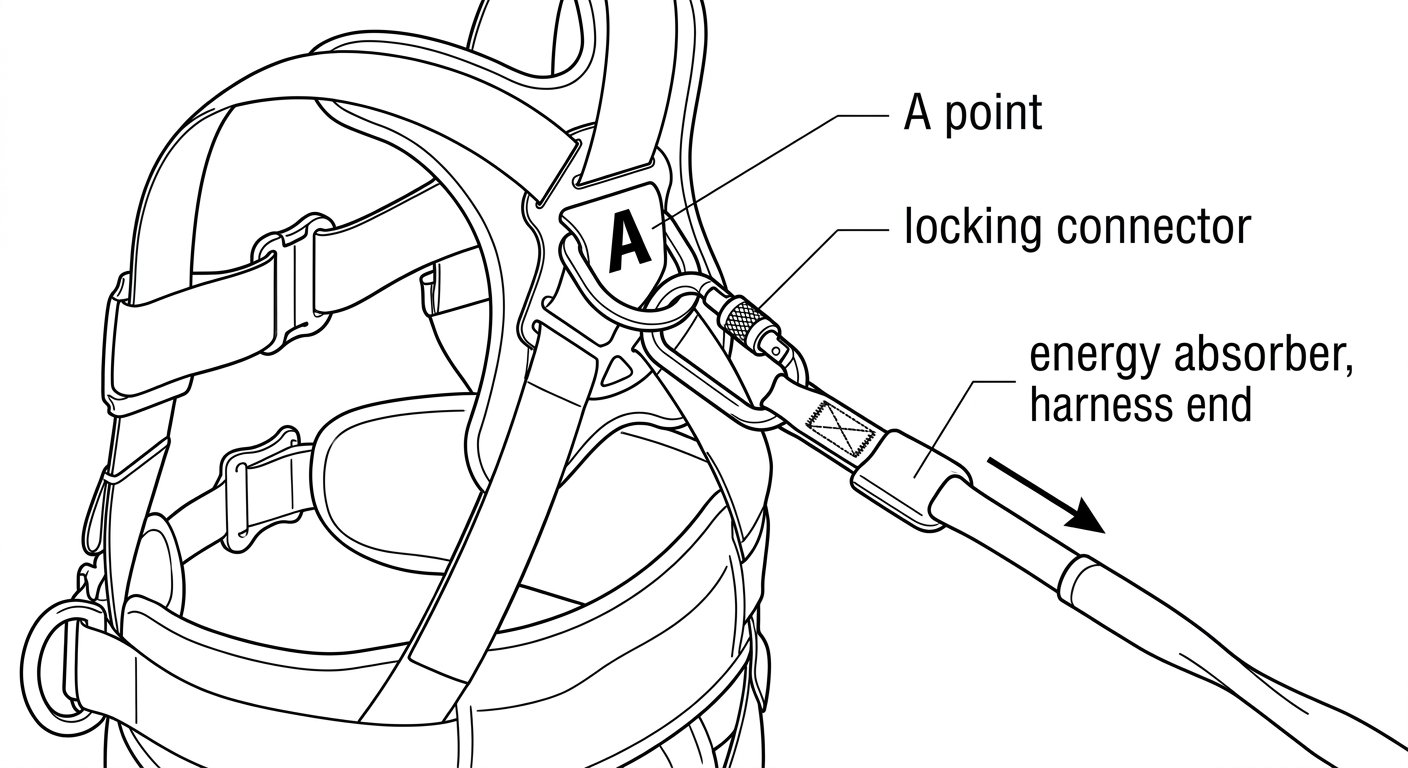
The connection between a lanyard and a harness is the one link in a fall-arrest system that the user makes and unmakes by hand, several times a shift, often in awkward positions and poor light. It is also the link most likely to fail silently: the system looks connected, the worker feels connected, but the…
-
Adjusting a Full Body Harness Correctly: Fit, Checks and Common Errors
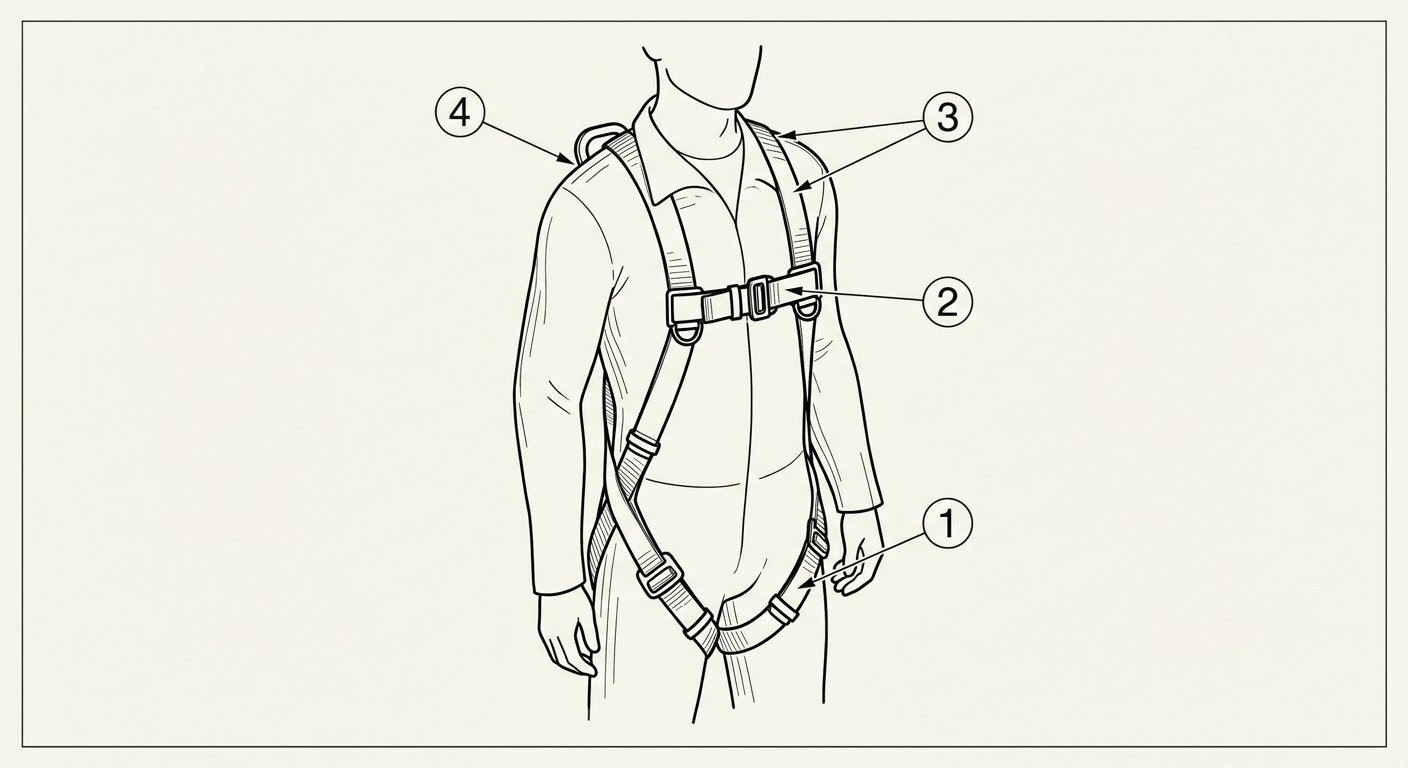
A full body harness only performs as designed if it is adjusted to the person wearing it. The same harness, on the same worker, can be either a functioning fall arrest system or a loose assembly of webbing that shifts under load, depending on five minutes of setup at the start of the shift. Adjustment…